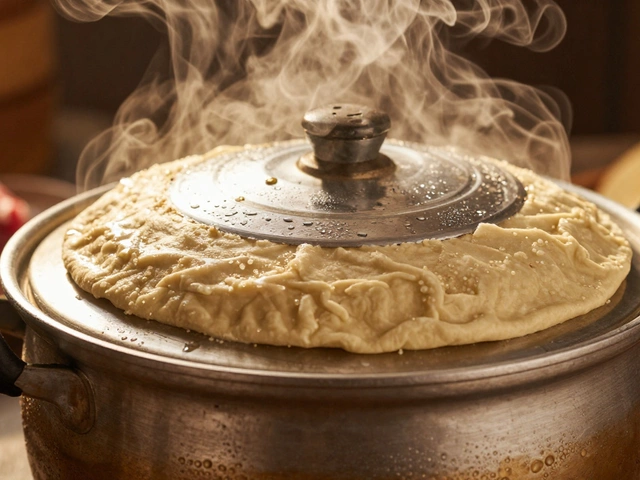
Why Is Homemade Paneer Hard? The Science of Soft, Fresh Cheese
Homemade paneer often turns out hard due to temperature errors, excessive pressing, or wrong milk types. Learn the science of coagulation and how to achieve soft, spongy cheese.
At Indian recipes, traditional dishes passed down through generations, rooted in regional ingredients and time-tested techniques. Also known as home-style Indian cooking, these meals are built on simple ingredients that create deep, layered flavors—no fancy tools needed. Whether you're making paneer, a fresh Indian cheese that absorbs spices beautifully and works in curries, snacks, or grills, or simmering dal, a comforting lentil stew that’s the backbone of daily Indian meals, every dish tells a story. Even something as basic as biryani, a fragrant layered rice dish with meat or vegetables, spices, and slow-steamed aromatics relies on precise steps—like toasting spices or resting the rice—that make all the difference.
What you’ll find here isn’t just recipes. It’s the why behind the how: why roti must be round, why you shouldn’t rinse yogurt off chicken, and which oil gives you the crispiest dosa. These aren’t random tips—they’re the little secrets that separate good Indian food from unforgettable food. You’ll learn how to fix common mistakes, choose the healthiest options at restaurants, and cook with confidence using ingredients you already have.
Below, you’ll find real, tested guides from people who cook this food every day—not just read about it. No fluff. No filler. Just clear, practical steps to bring the true taste of India to your table.
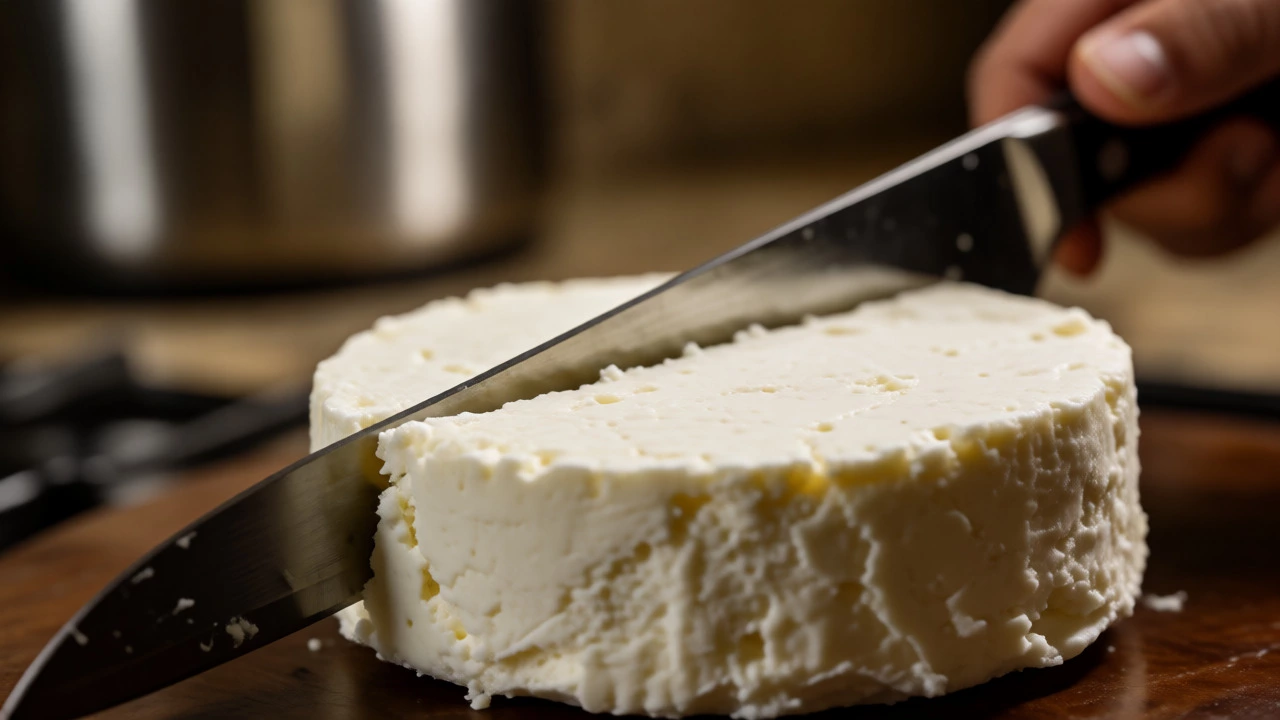
Homemade paneer often turns out hard due to temperature errors, excessive pressing, or wrong milk types. Learn the science of coagulation and how to achieve soft, spongy cheese.
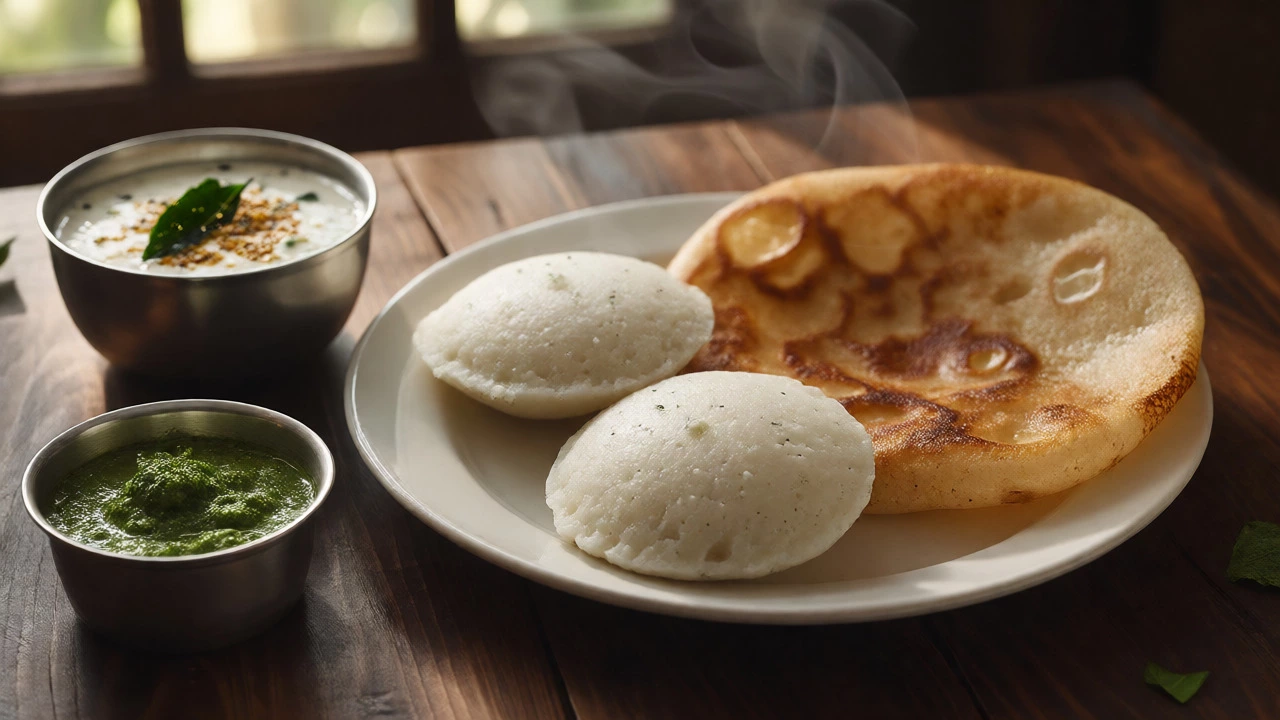
Learn how to eat Indian chutney properly. Discover pairing tips for coconut, tamarind, and mint chutneys with dishes like idli, dosa, and samosas.
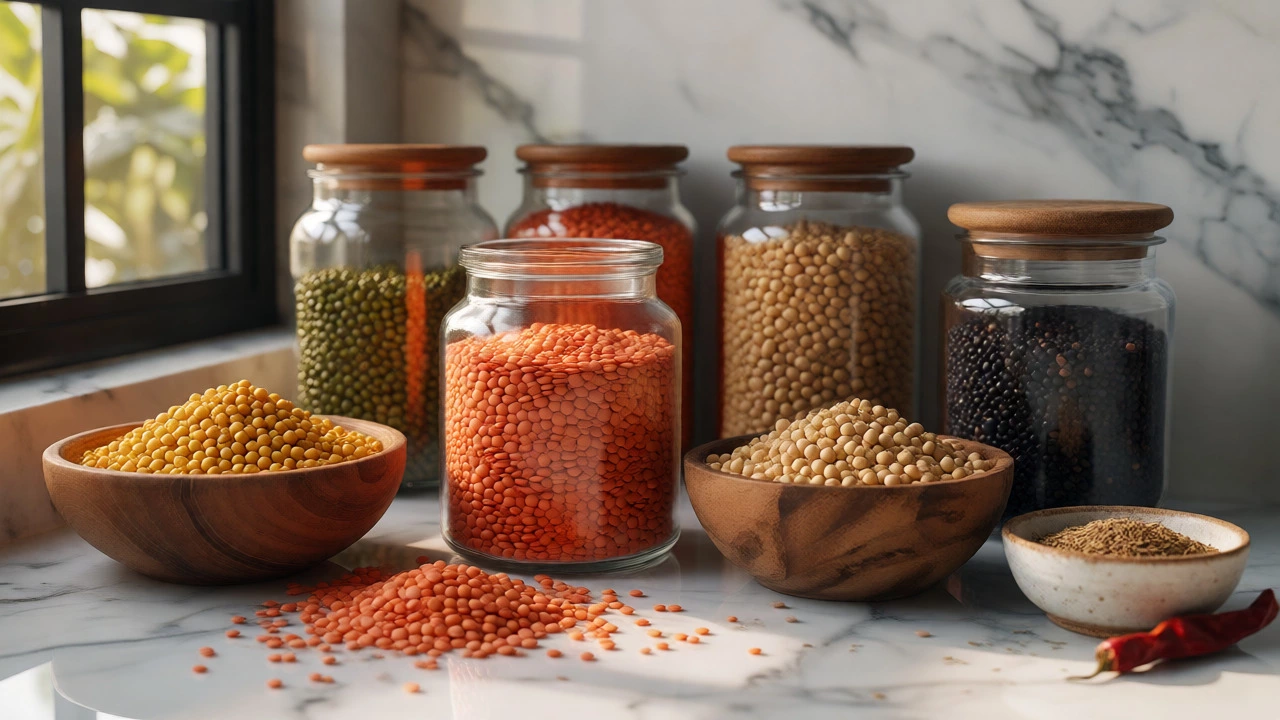
Discover what dal really is in the USA context. Learn the difference between lentils and split pulses, where to buy them, and how to cook a simple, delicious one-pot Masoor Dal.
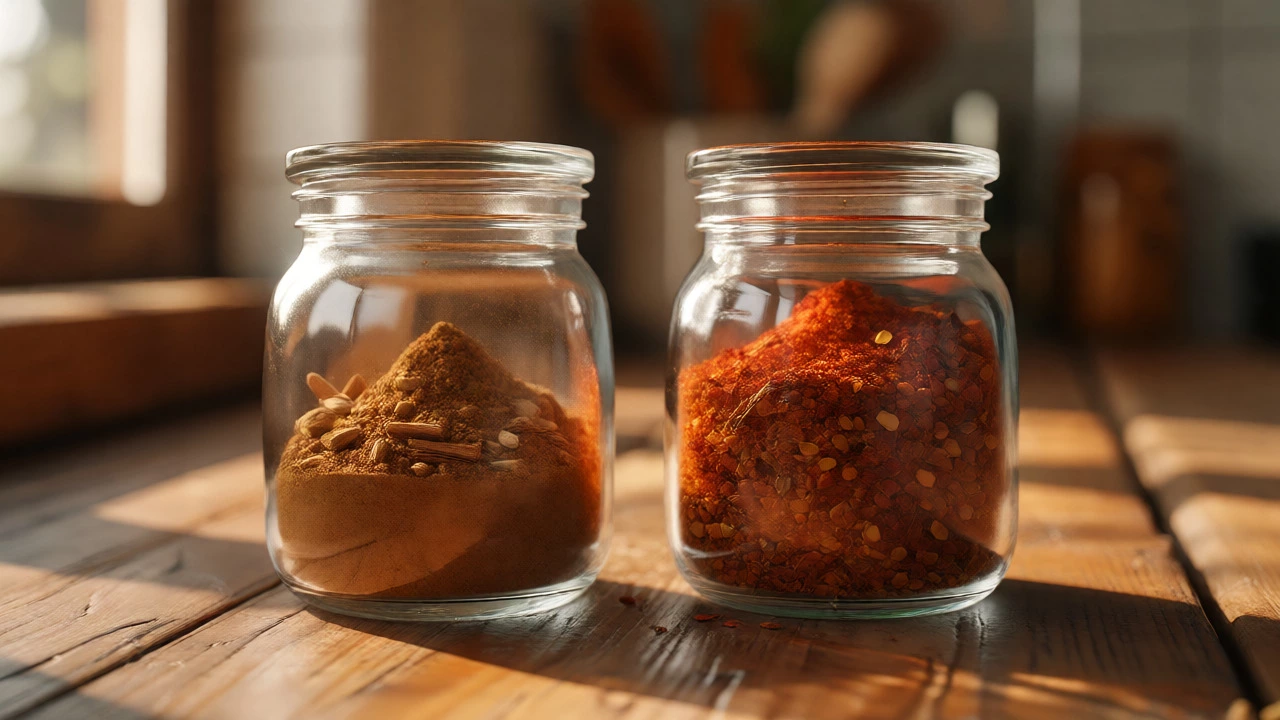
Discover the key differences between garam masala and tandoori masala. Learn when to use each spice blend, how to substitute them, and tips for perfect Indian cooking.
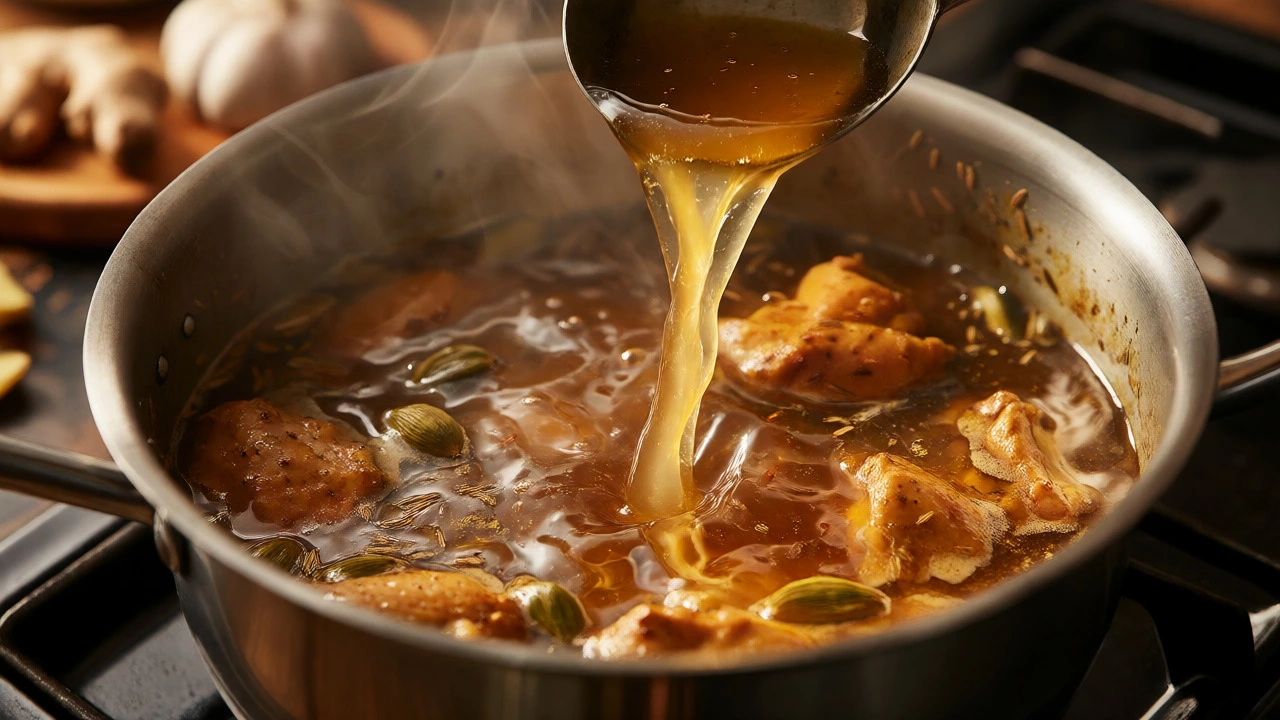
Discover exactly what liquid to add to curry for perfect flavor and texture. From stock and coconut milk to yogurt and tamarind, learn how each option impacts your chicken curry recipe.
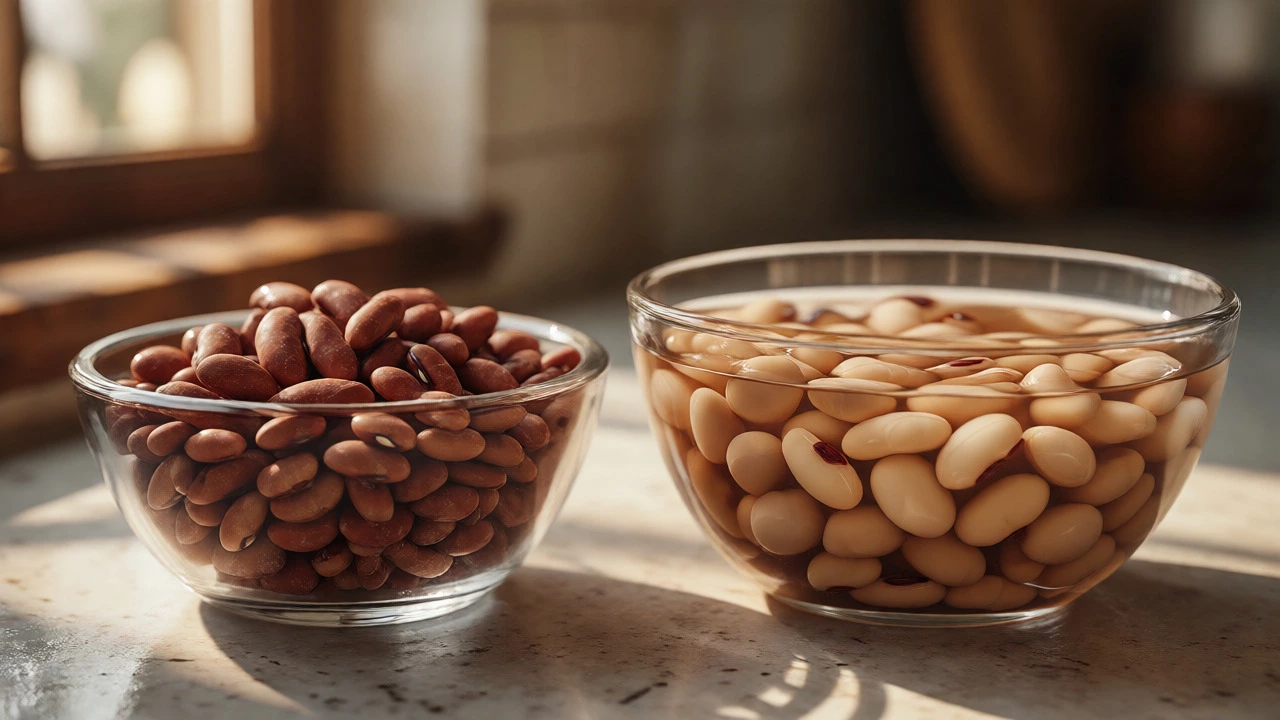
Forgot to soak your dal? Discover how skipping this step affects texture, causes gas, and blocks nutrient absorption. Learn when soaking is essential and quick hacks for busy nights.
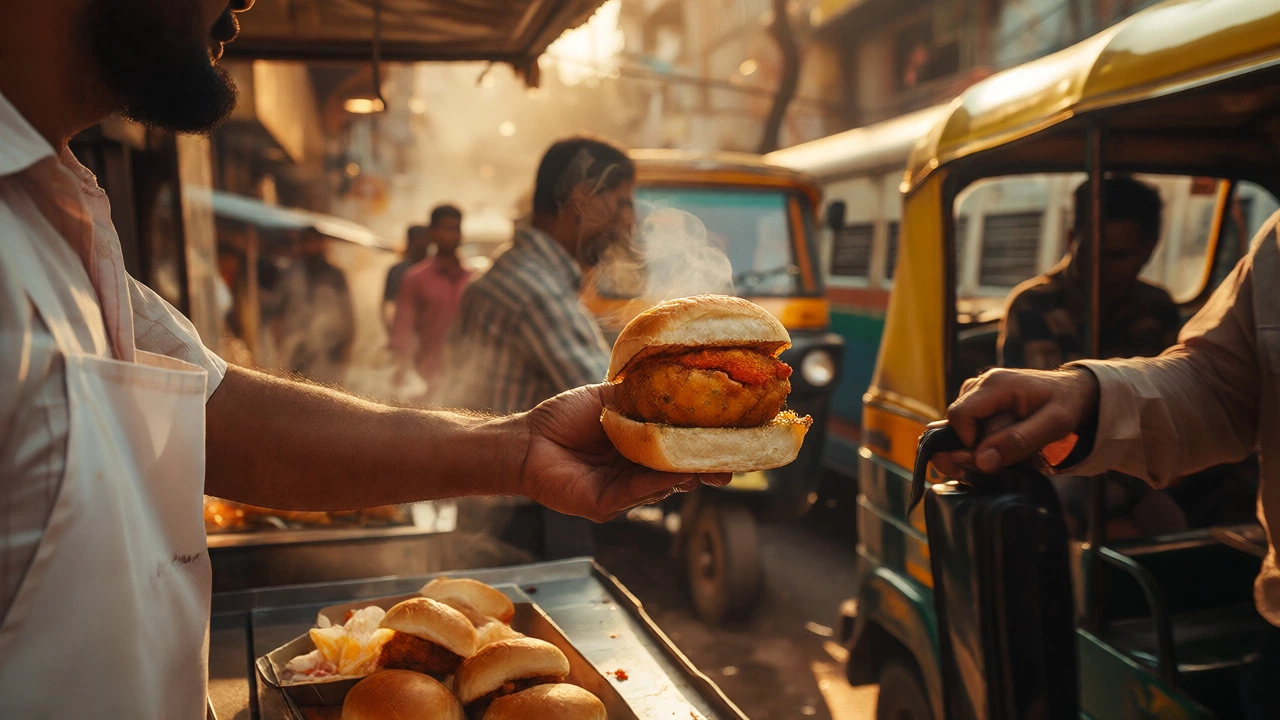
Discover which Indian state reigns supreme in street food. We compare Mumbai's speed, Delhi's flavor, Kolkata's fusion, and the South's health to help you decide.
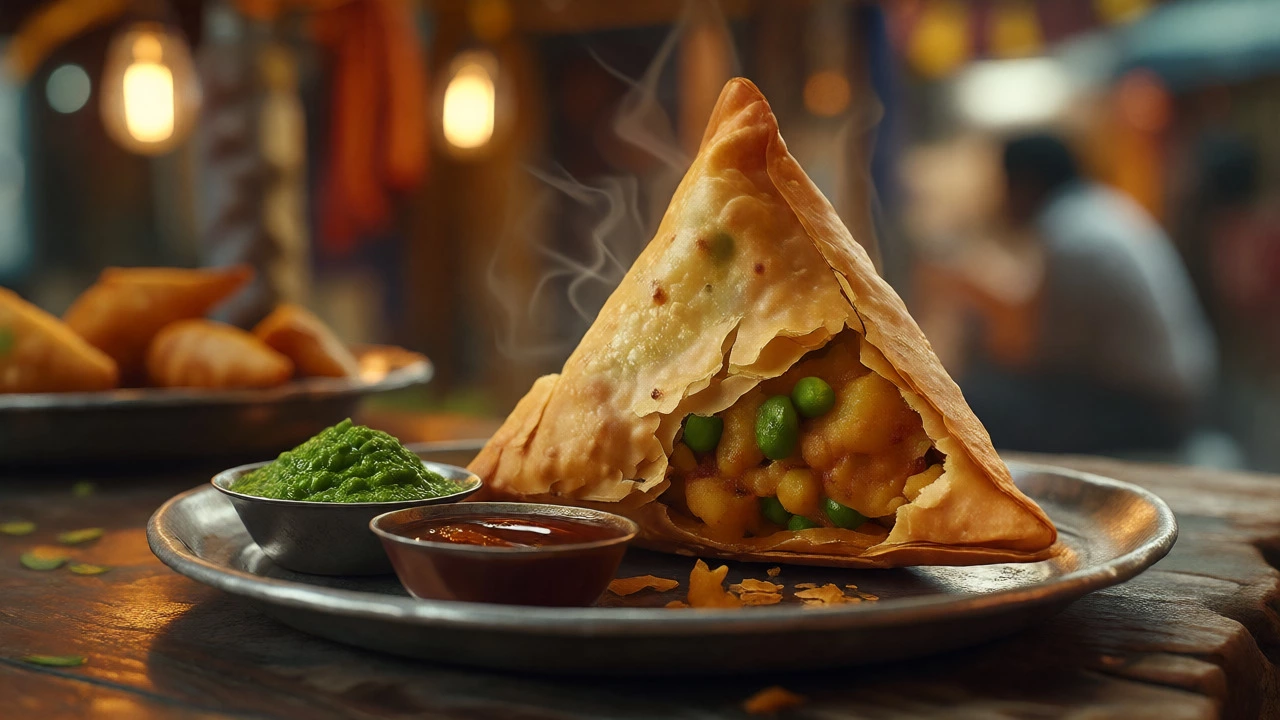
Discover the most famous junk food in India, from the iconic Samosa to Mumbai's Vada Pav and the interactive Pani Puri. Learn about regional favorites, health impacts, and tips for eating street food safely.
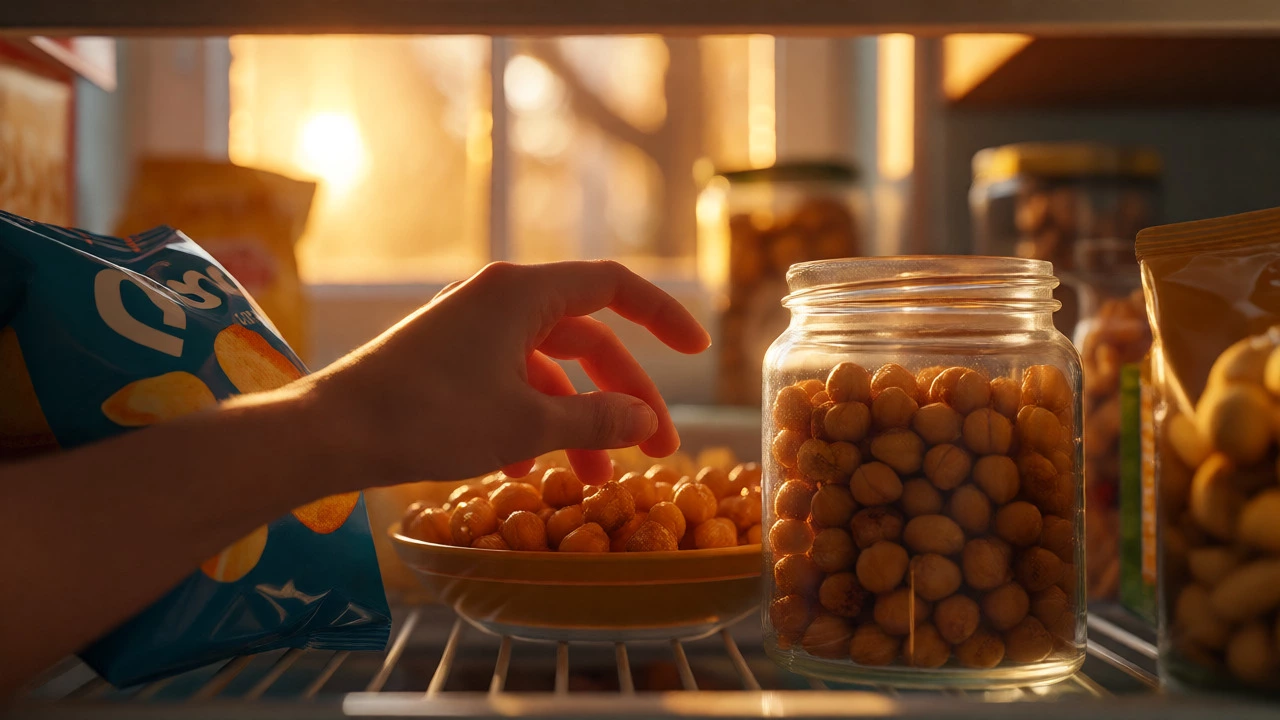
Struggling with afternoon energy dips? Discover how traditional Indian ingredients like roasted chana, makhana, and sprouts can transform your snacking habits. Learn the science behind the Protein-Fiber-Fat triad and explore practical swaps for fried favorites. This guide offers actionable tips for portion control and timing to help you maintain steady energy levels throughout the day.
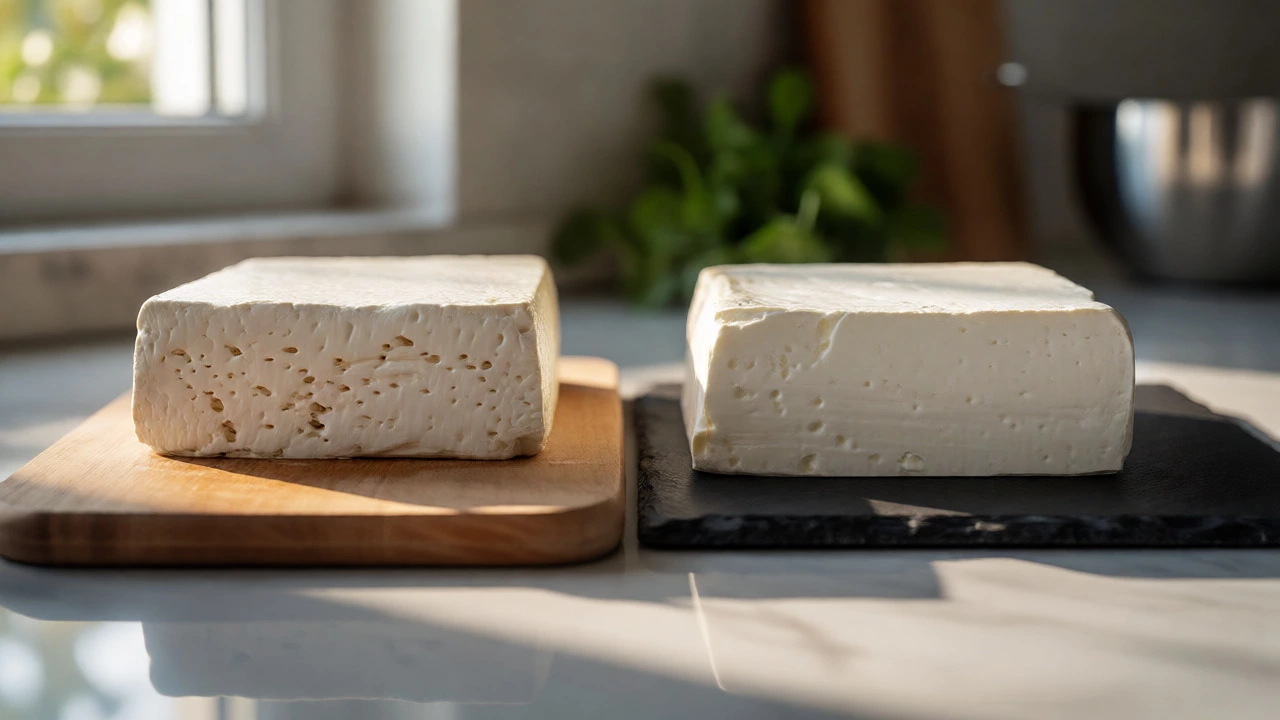
Confused between paneer and tofu for weight loss? We compare calories, protein, satiety, and digestion to help you choose the right white block for your diet.
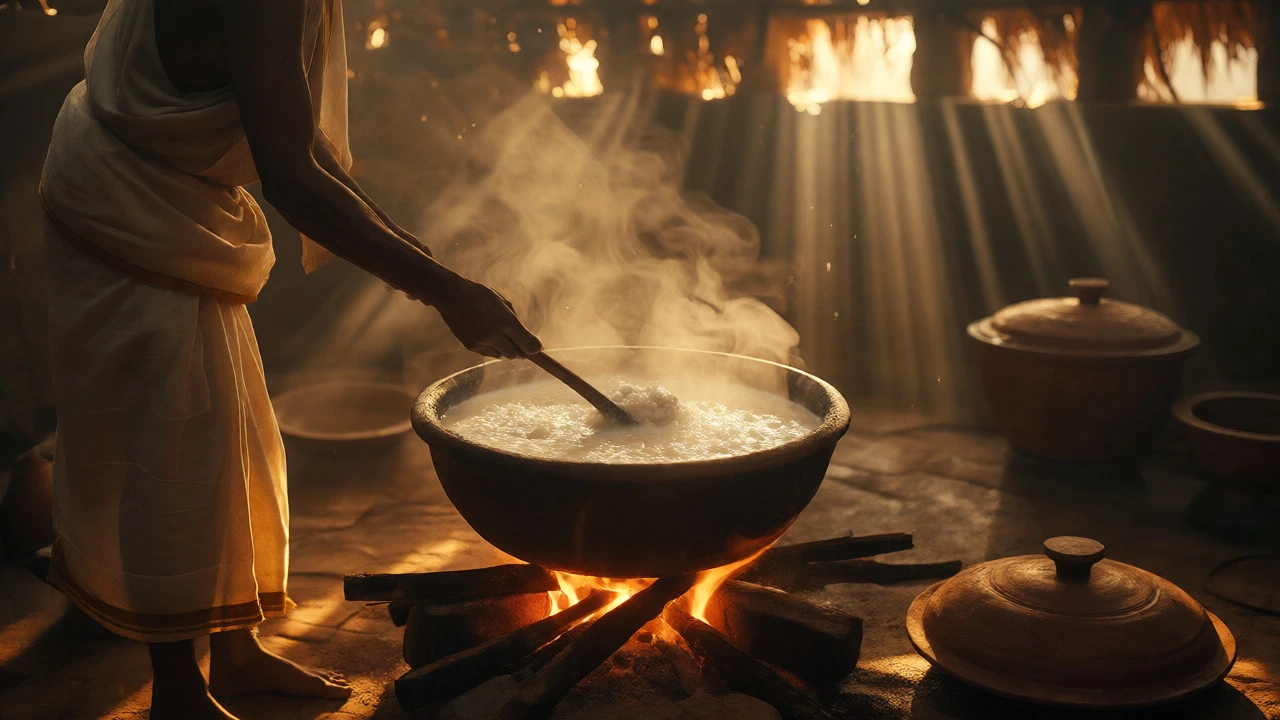
Discover the oldest dessert in India: Payasam (Kheer). Explore its 4,000-year history, Vedic roots, and why it predates sugar-based sweets.
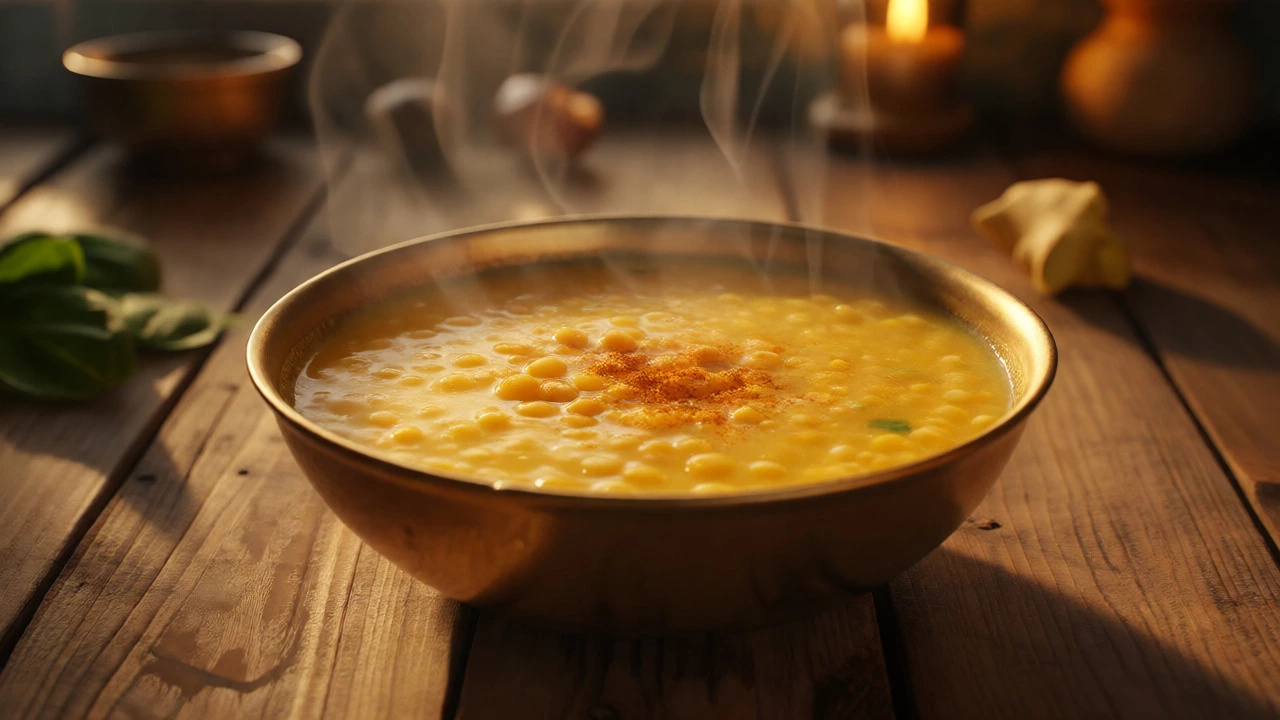
Discover which dal to eat at night for better digestion and sleep. Learn why moong and masoor dals are ideal, how to cook them for maximum digestibility, and what to avoid.