Paneer Substitute Recommender
Select Your Dish Type
Choose how you plan to use your paneer substitute
Recommended Substitutes
Select a dish type above to see recommended substitutes
When you first hear the word paneer, it might sound foreign. But if you’ve ever bitten into a warm, soft cube of it in a curry or grilled on a skewer, you know exactly what it is. It’s the fresh, unaged cheese that holds its shape when cooked, melts just enough to be creamy, and soaks up spices like a sponge. The real question isn’t whether it’s familiar-it’s whether there’s a name for it in English. And the answer isn’t as simple as you might think.
Paneer Isn’t Just ‘Cottage Cheese’-And That’s the Problem
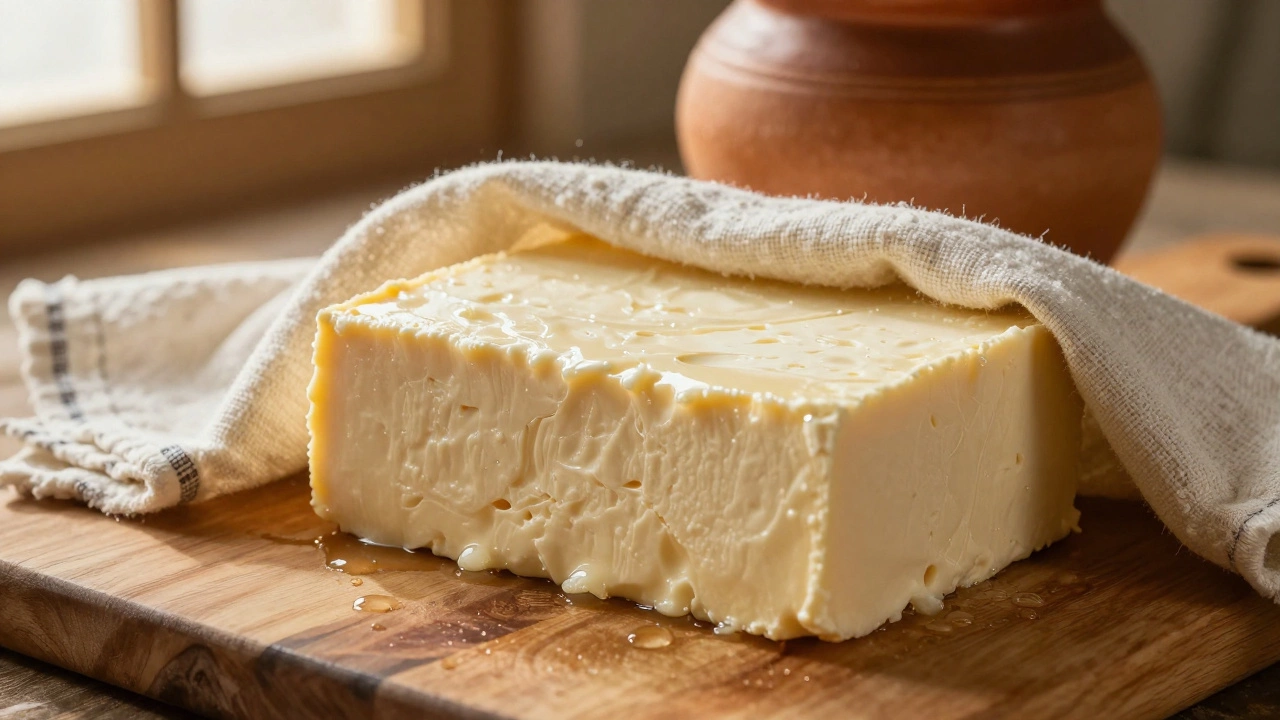
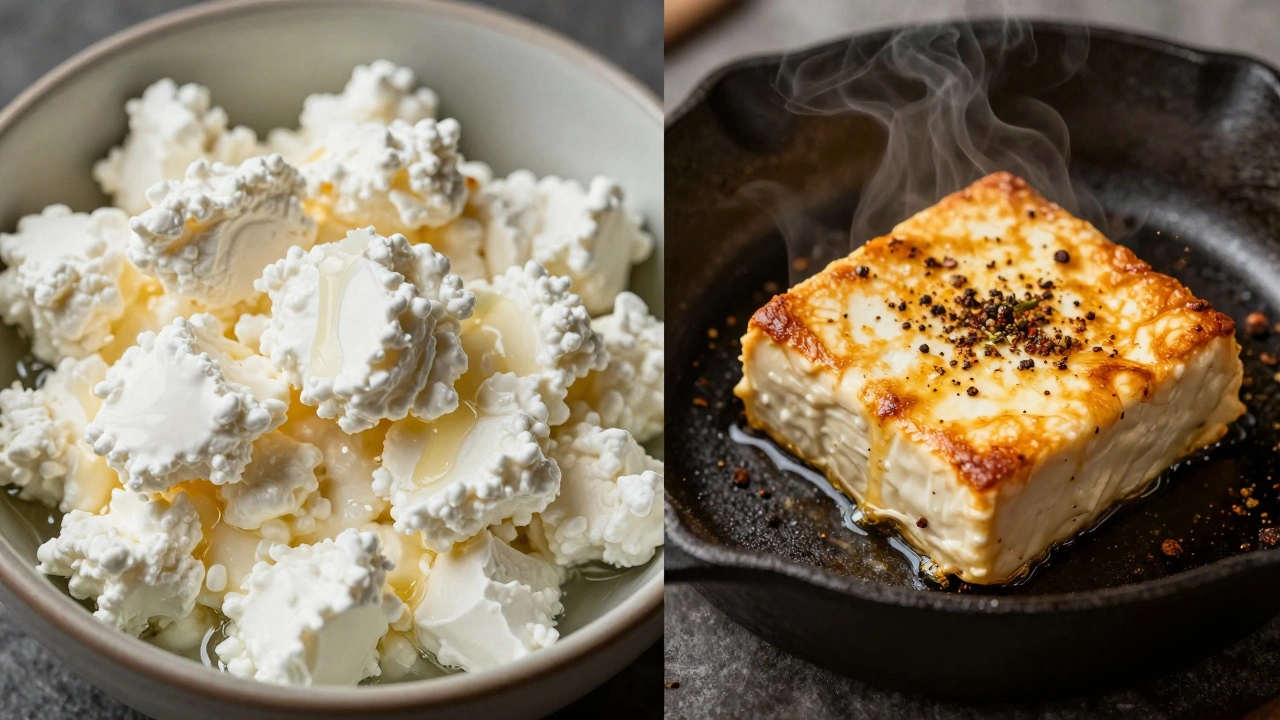
Most English speakers are told paneer is ‘Indian cottage cheese.’ That’s not wrong, but it’s incomplete. Cottage cheese in the U.S. or the U.K. is usually made with cream, has visible curds, and often comes with a watery whey layer. It’s soft, sometimes grainy, and doesn’t hold up when heated. Paneer? It’s firmer, denser, and doesn’t crumble or melt. You can fry it, grill it, or toss it into a hot curry without it falling apart.
The difference comes down to how it’s made. Both cheeses start with milk and acid-lemon juice or vinegar-but paneer is pressed under heavy weight for hours. That squeezes out almost all the moisture. Cottage cheese? It’s drained lightly, sometimes not at all. That’s why paneer has a texture closer to a firm tofu or a mild mozzarella, not the wet, lumpy stuff you find in the dairy aisle.
So What’s the Closest English Equivalent?
If you’re trying to replace paneer in a recipe, here’s what actually works:
- Firm or extra-firm tofu - This is your best bet if you need something that holds shape. It won’t taste like dairy, but it absorbs flavors just as well. Many vegan Indian recipes use it for this reason.
- Pressed cottage cheese - Drain it in a cheesecloth for 2-3 hours, then weigh it down with a heavy plate. It won’t be perfect, but it’ll get you closer than regular cottage cheese.
- Queso fresco - A Mexican cheese that’s mild, crumbly, and doesn’t melt. It’s not pressed like paneer, but in a pinch, it can work in salads or crumbled over dishes.
- Farmer cheese - Sold in some U.S. grocery stores, this is a dry, unripened cheese made by curdling milk and draining it. It’s the most similar in texture if you can find it.
None of these are exact matches. That’s because paneer isn’t just a cheese-it’s a cultural food with a specific role in Indian kitchens. It’s not meant to be eaten plain. It’s meant to be cooked, charred, soaked in gravy, or fried until golden. That’s why even the closest substitutes often fall short.
Why Doesn’t Paneer Have a Direct English Name?
There’s no single word for paneer in English because it doesn’t fit neatly into Western cheese categories. In Europe and North America, cheeses are defined by aging, texture, and rennet use. Paneer uses acid, not rennet. It’s never aged. It’s not salty. It’s not sliced. It’s not sliced or grated. It’s made fresh daily, often at home.
Think about it: we don’t have an English word for dosas or idlis either. We just call them ‘Indian pancakes’ or ‘steamed rice cakes.’ Same with paneer. We borrow the word because the concept doesn’t exist elsewhere.
Can You Make Paneer at Home?
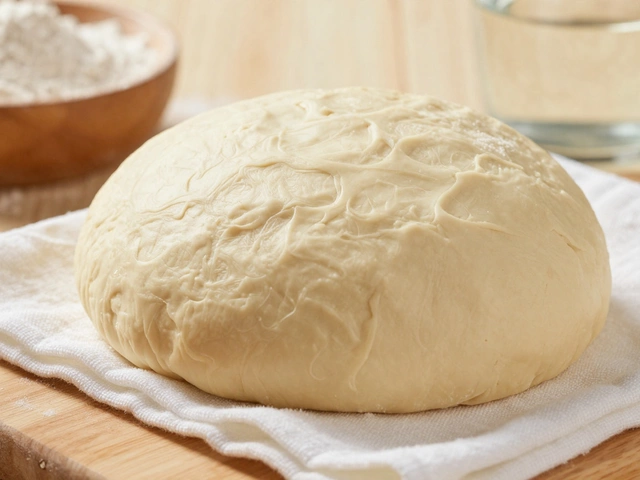
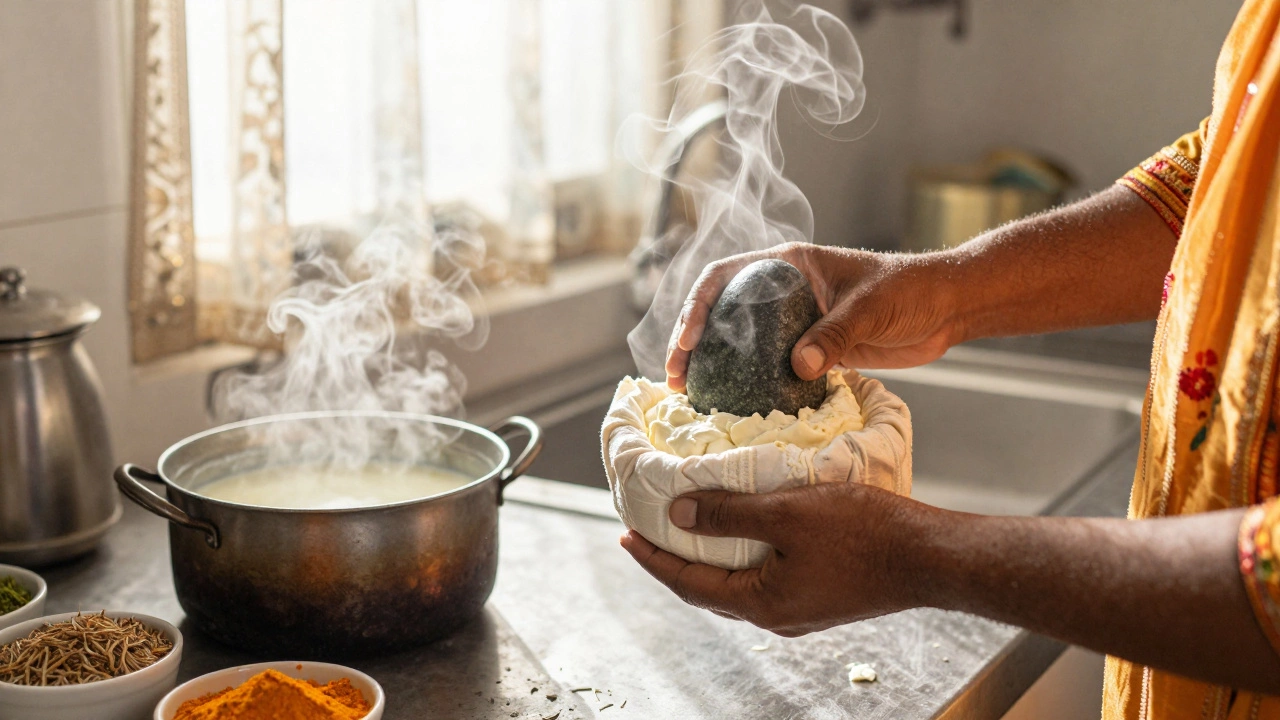
Yes-and it’s easier than you think. You don’t need special tools. Just milk, lemon juice or vinegar, a colander, and something heavy.
- Heat 1 liter of whole milk slowly until it simmers (don’t boil).
- Add 2-3 tablespoons of lemon juice or white vinegar. Stir gently until the curds separate from the whey.
- Line a colander with cheesecloth and pour in the mixture. Let it drain for 10 minutes.
- Gather the cloth, twist it shut, and place a heavy plate or pot on top. Let it press for 1-2 hours.
- Unwrap. You now have a block of paneer.
It takes less than 30 minutes of active time. The rest is waiting. And the result? A block of cheese that costs pennies compared to store-bought versions and tastes infinitely better.
What Happens If You Use Regular Cottage Cheese Instead?
It falls apart. In paneer tikka, it turns into mush. In palak paneer, it sinks to the bottom and doesn’t hold its shape. In stuffed parathas, it leaks out and burns. The texture is too wet, and the flavor is too sour.
One person tried substituting cottage cheese in a recipe for paneer butter masala. The sauce turned grainy. The cheese didn’t brown. The dish tasted sour and watery. It wasn’t bad-but it wasn’t paneer either.
Why Paneer Matters Beyond Substitutes
Paneer isn’t just a cheese. It’s a symbol of how food adapts across cultures. In India, it’s vegetarian protein that doesn’t need meat. In South Africa, where I live, it’s becoming popular in vegan and flexitarian diets. In the U.S., it’s in grocery stores next to tofu and tempeh. But it still doesn’t have a name in English because it doesn’t need one.
When you cook with paneer, you’re not just following a recipe. You’re working with a food that’s been made for centuries in homes across the Indian subcontinent. That’s why trying to find an ‘equivalent’ misses the point. You don’t need a substitute. You need to learn how to make it.
Final Thought: Stop Looking for a Name. Start Making It.
There’s no perfect English word for paneer. But there’s a perfect way to get it: make it yourself. It’s cheap, fast, and you’ll never buy it from a store again. Once you’ve tried homemade paneer, you’ll understand why it doesn’t have a translation. It’s not a copy of anything. It’s its own thing.
Is paneer the same as ricotta?
No. Ricotta is made from whey, not curds, and has a much softer, creamier texture. It melts easily and is often used in desserts or pasta fillings. Paneer is firm, doesn’t melt, and is used in savory dishes. They’re made differently and serve completely different roles.
Can I use mozzarella instead of paneer?
Not really. Mozzarella melts into a stringy mess when heated. Paneer holds its shape. If you put mozzarella in a curry or on a grill, it’ll turn into a gooey blob. It’s not a substitute-it’s a different experience entirely.
Why is paneer so popular in vegetarian diets?
Paneer is one of the few plant-based proteins that’s naturally high in fat and protein without needing processing. A 100-gram serving has about 18 grams of protein and 22 grams of fat. It’s filling, versatile, and cooks like meat. That’s why it’s a staple in vegetarian households across India.
Does paneer have lactose?
Yes, but less than most cheeses. Because paneer is made with acid and not rennet, most of the lactose is drained out with the whey. A 100-gram portion has around 1-2 grams of lactose-low enough for many people with mild sensitivity to tolerate. But it’s not lactose-free.
Where can I buy paneer if I don’t want to make it?
Most large supermarkets with international sections carry paneer, especially in areas with Indian communities. In South Africa, it’s common in Indian grocery stores in Johannesburg, Cape Town, and Durban. Look for it in the refrigerated section near tofu or fresh cheeses. Always check the expiration date-paneer is best when very fresh.