Urad Dal Soaking Time: The Exact Minutes for Perfect Dosa Batter
Discover the exact soaking time for urad dal to get fluffy dosa batter. Learn how temperature affects hydration and avoid common mistakes.
When you think of a perfect dosa batter, a fermented mix of rice and lentils used to make thin, crispy Indian crepes. Also known as fermented batter, it's the foundation of one of India's most beloved breakfasts—and it’s not just about mixing rice and dal. The magic happens in the wait. You don’t just make dosa batter; you nurture it. Temperature, time, and even the water you use change everything. Skip the fermentation step, and you’re not making dosa—you’re making flat rice pancakes.
The right dosa batter fermentation, the natural process where wild yeast and bacteria break down starches to create airiness and tang usually takes 8 to 12 hours in warm climates, but can stretch to 24 in colder rooms. It’s not a timer game—it’s a smell-and-sight game. When the batter doubles in volume, bubbles cover the surface like tiny volcanoes, and it smells slightly sour like yogurt, you’re ready. Too short? Your dosa will be dense. Too long? It turns bitter. And if you’re wondering why your dosa sticks to the pan, it’s probably not the pan—it’s the best oil for dosa, the fat that creates that signature crisp edge without burning. Groundnut and coconut oil are the real winners here. Butter? Too rich. Olive oil? Too strong. Stick to what works.
People think dosa batter is just rice and urad dal, but the ratio matters. Most recipes use 3 parts rice to 1 part black gram dal. Soak them separately, grind them to different textures—the rice should be smooth, the dal slightly grainy—and mix them just before fermenting. Add salt after fermentation, not before. Salt slows down the microbes. And don’t even think about using a blender instead of a stone grinder. The friction from grinding creates heat that helps kickstart fermentation naturally.
There’s a reason why dosa batter lasts for days in the fridge. Once fermented, it keeps for up to a week. You can even freeze it. That’s why it’s the ultimate Indian breakfast hack—mix it the night before, wake up, pour, flip, and eat. Pair it with coconut chutney or sambar, and you’ve got a meal that’s been feeding families for generations. No fancy tools. No complicated steps. Just patience, the right ingredients, and a hot griddle.
What you’ll find below are real, tested posts from home cooks who’ve cracked the code on dosa batter. From how long to ferment it in winter, to why coconut oil gives you the crispiest edge, to what happens when you skip soaking the dal—every post here answers the questions you didn’t even know you had. No fluff. No theory. Just what works in a real Indian kitchen.
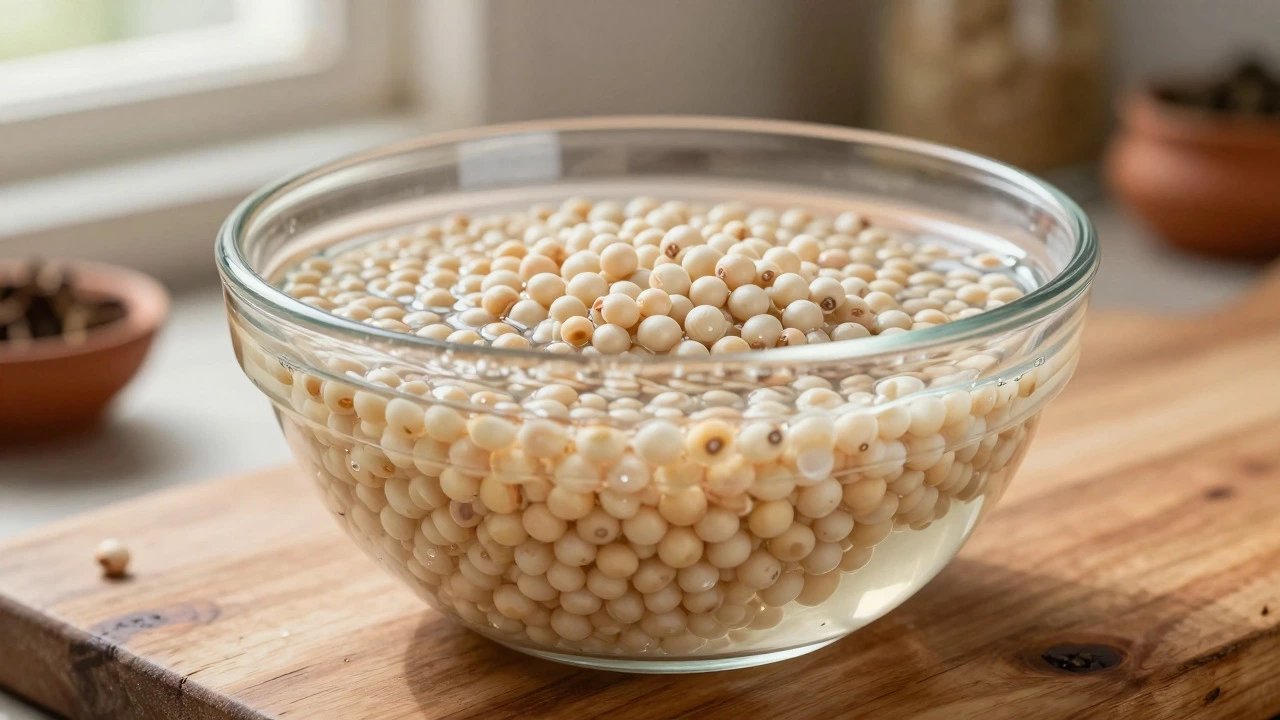
Discover the exact soaking time for urad dal to get fluffy dosa batter. Learn how temperature affects hydration and avoid common mistakes.
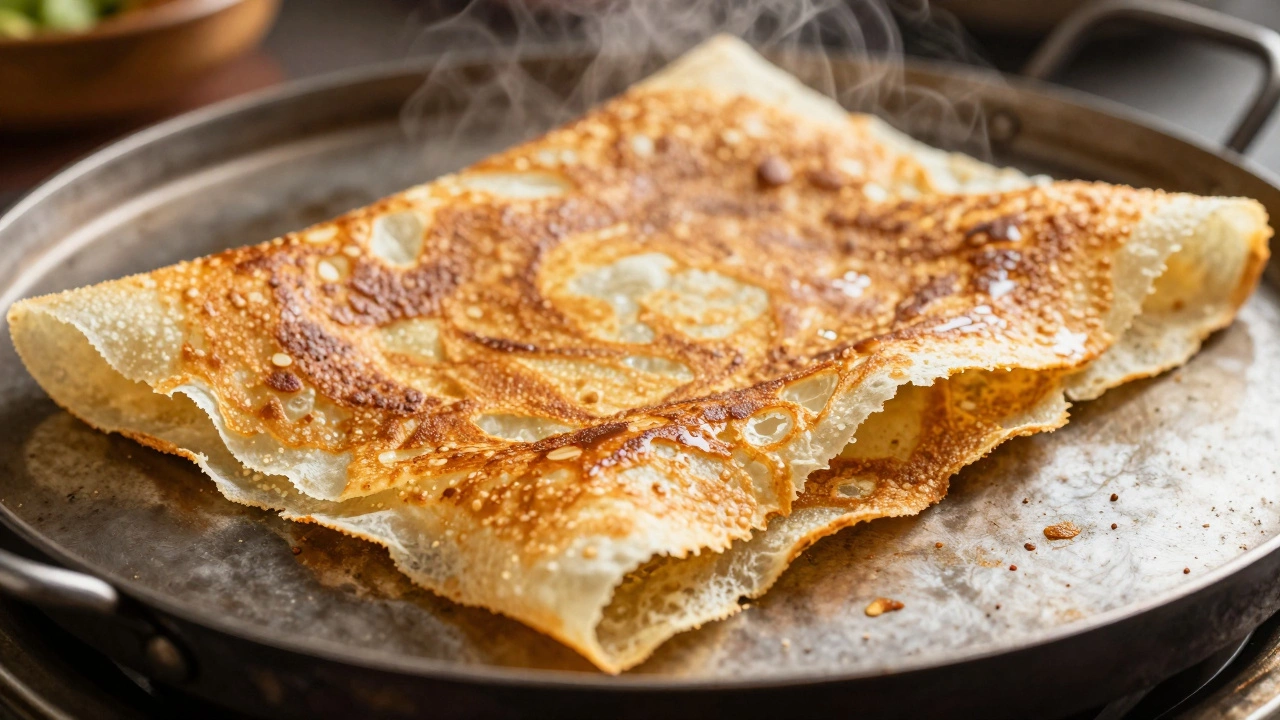
Discover why your dosa batter turns rubbery and how to fix it. Learn about critical rice-to-dal ratios, fermentation secrets, and grinding techniques for perfectly crispy dosas every time.
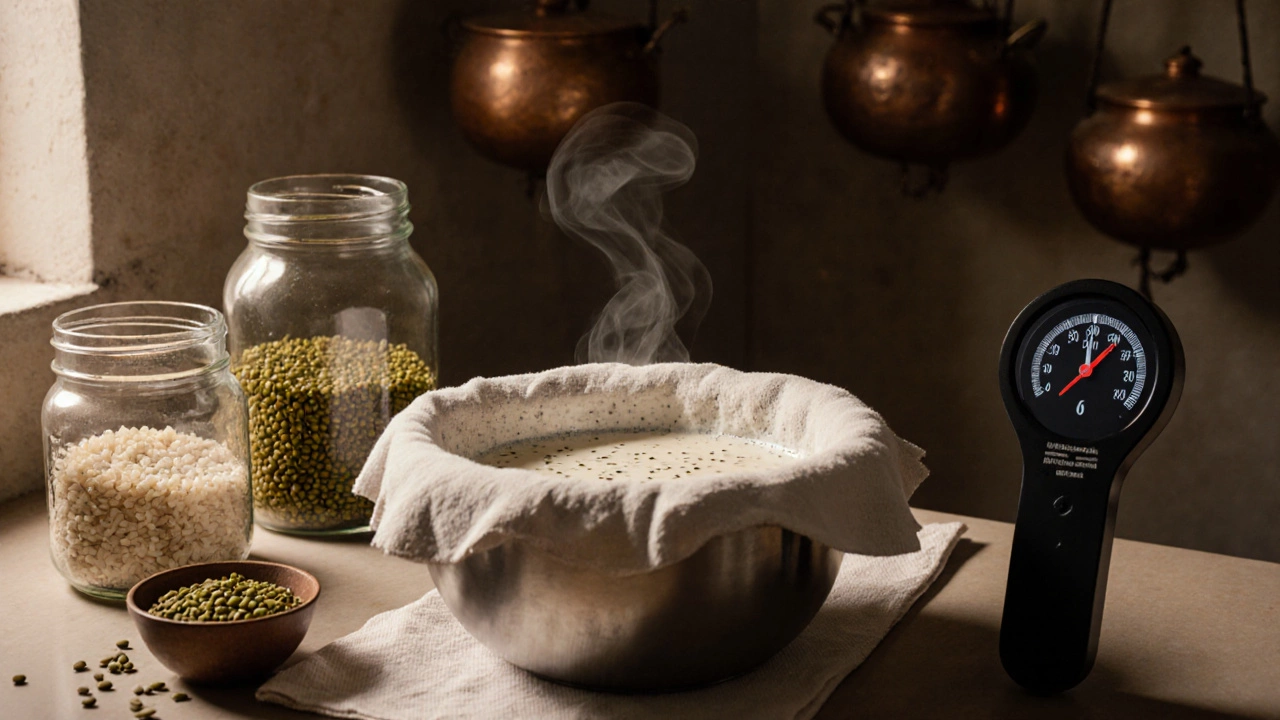
Learn why your dosa stays pale and fix it with easy steps. From fermentation to heat, ingredient ratios, and pro tips for golden‑brown dosas.

Ever wondered if you can make dosa without fenugreek? You’re not alone. This article breaks down what happens when you skip the fenugreek in your batter, what you can use instead, and how to tweak your recipe for the best results. We’ll get into texture, flavor secrets, and foolproof tips to keep your dosas crispy and delicious. Everything is explained simply, with ideas you can try in your own kitchen today.
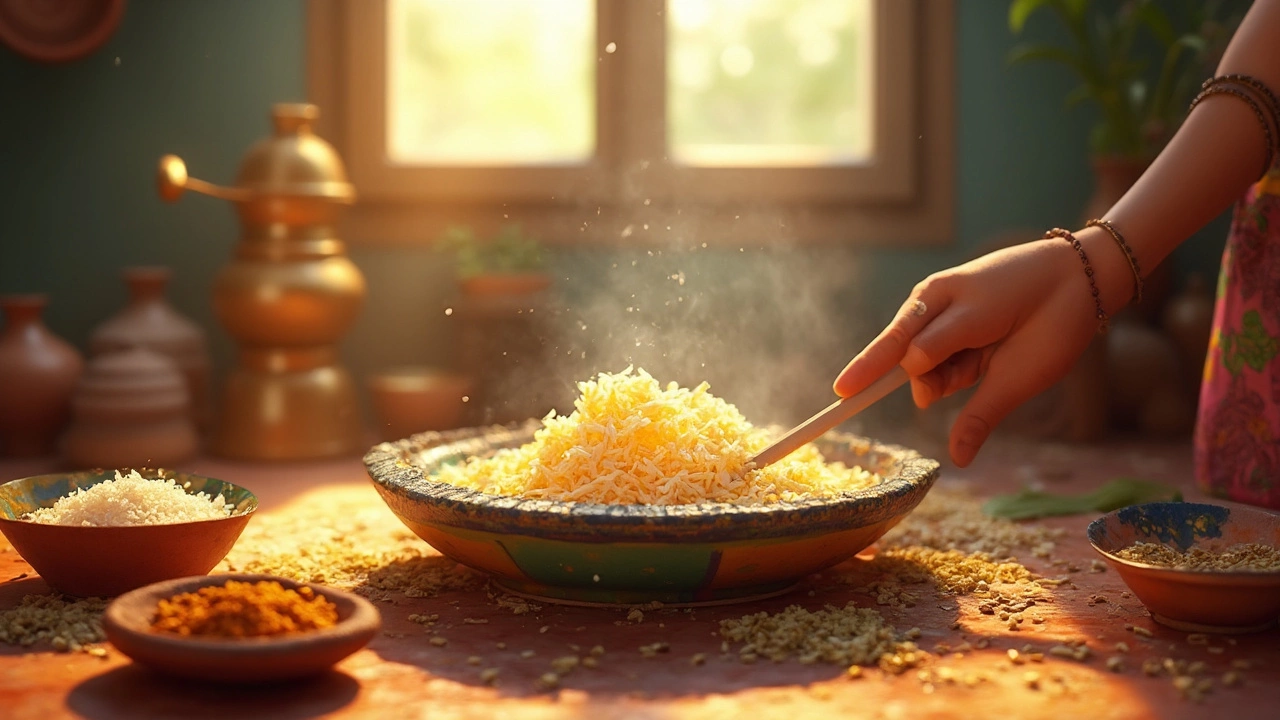
Struggling to get that perfect fluffy dosa batter? You're not alone! Whether it's the ingredients or the process, small oversights can impact your dosa's fluffiness. This guide breaks down common mistakes and offers simple solutions to up your dosa game. Let's get you flipping those dosas like a pro!
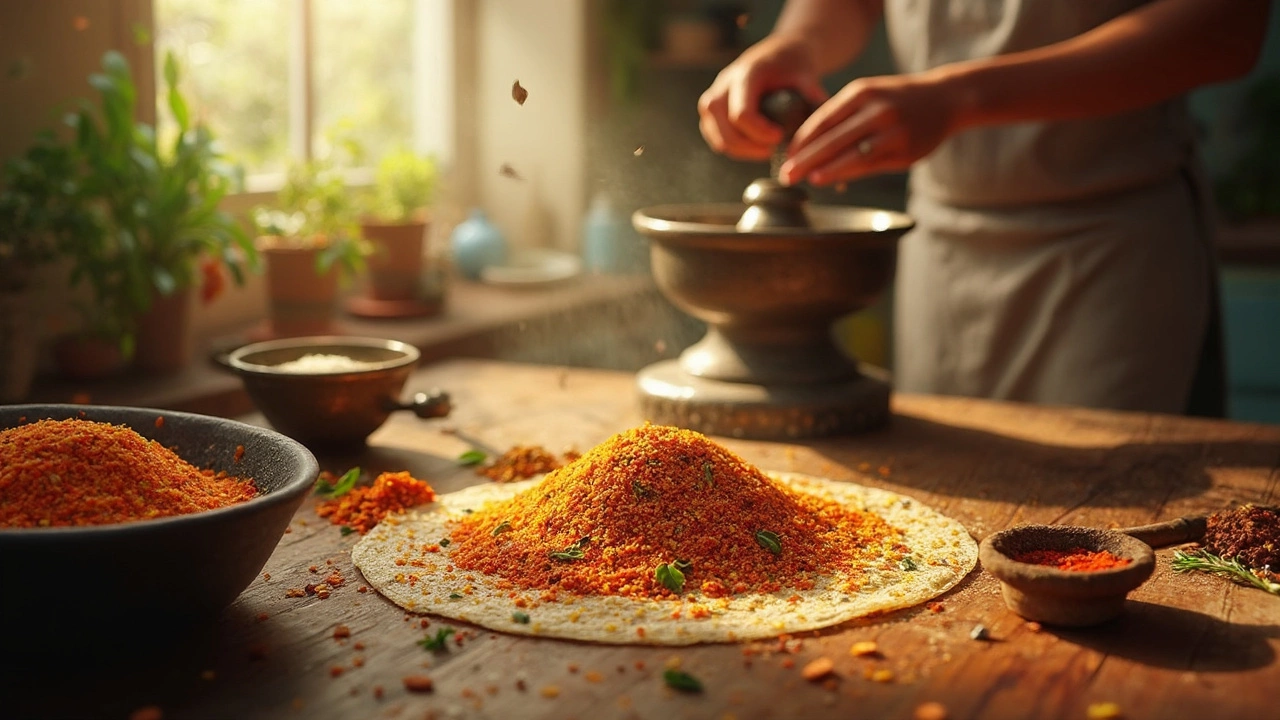
Dosa, a staple in Indian cuisine, is made from a unique blend of simple ingredients that come together to create a delightful dish. This article explores the essentials of dosa batter, its core ingredients, and some interesting tips on how to make the perfect batter. Whether you're a seasoned cook or trying it for the first time, dive into the world of dosa to understand its origins and how a few basic items can produce such a beloved food. Learn what makes dosa so special and how you can master it in your own kitchen.

Achieving the perfect dosa with traditional fermentation usually takes hours, but what if you’re pressed for time? This article explores the feasibility of fermenting dosa batter within just one hour. Discover the scientific principles behind fermentation, the crucial role temperature plays, and clever tricks to speed up the process. Whether you're a seasoned chef or a curious culinary explorer, find out if a quick fermentation can still deliver on taste and texture.
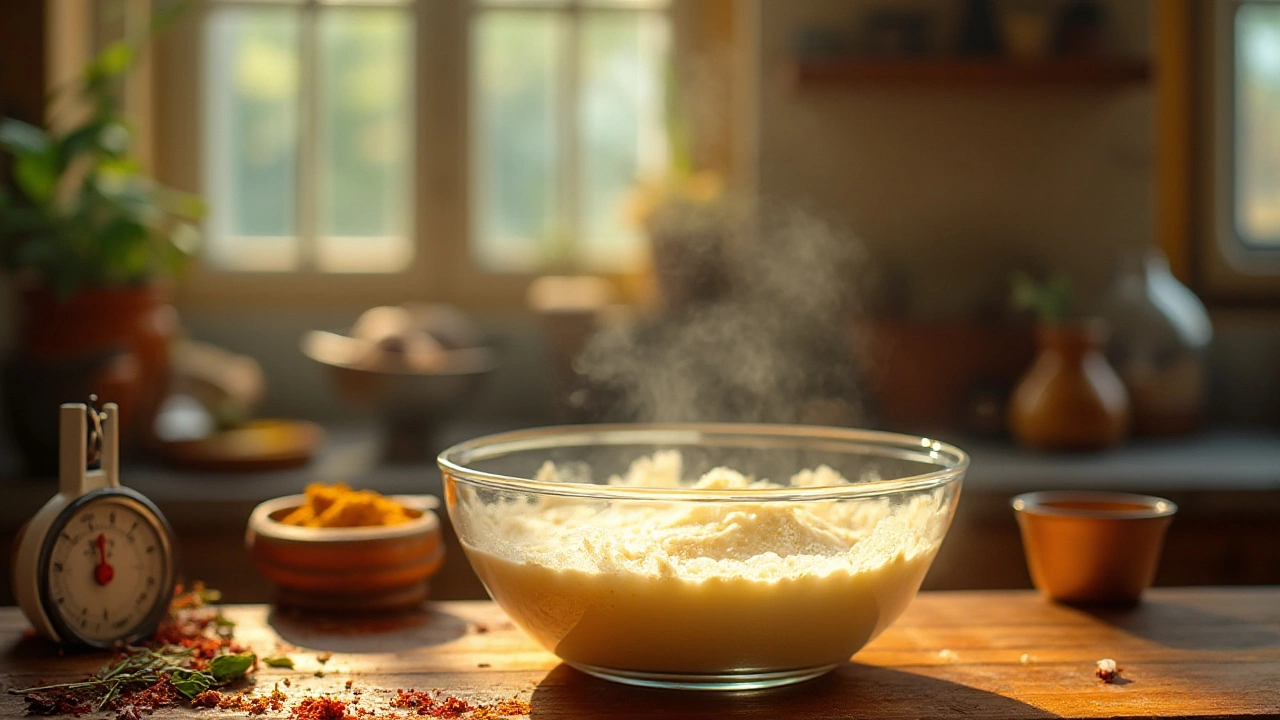
Dosa batter fermentation can often seem like a culinary mystery, especially for those new to the process. Understanding the science behind fermentation, such as temperature control and ingredient ratios, can greatly improve your dosa-making experience. This article explores the common reasons why dosa batter may not ferment properly and offers practical solutions to ensure success. Discover how to tweak your environment and ingredients to create the perfect batter every time. With the right knowledge and tips, preparing delicious dosas will become a seamless part of your cooking routine.