Biryani Addiction Score Calculator
Select the ingredients and techniques present in your biryani to determine its dopamine-triggering potential.
Build Your Profile
Addiction Potential
Science Breakdown:
- ● Dopamine (Umami): 0%
- ● Limbic Connection (Aroma): 0%
- ● Reward Pathway (Fat/Carb): 0%
- ● Sensory Novelty (Texture): 0%
Have you ever finished a plate of biryani, looked at your empty bowl, and immediately started thinking about when you can have it again? You are not alone. This dish has a way of sticking in your mind that goes beyond simple hunger. It’s not just because it tastes good. There is actual science behind why this layered rice dish feels so satisfying.
Many people think it’s just the heat from the chilies or the richness of the meat. While those play a role, the real reason biryani hits different lies in its complex chemical makeup. It combines fat, salt, carbohydrates, and specific aromatic compounds that trigger pleasure centers in the brain. Let’s break down exactly what makes this dish so hard to resist.
The Umami Bomb: Glutamates and Nucleotides
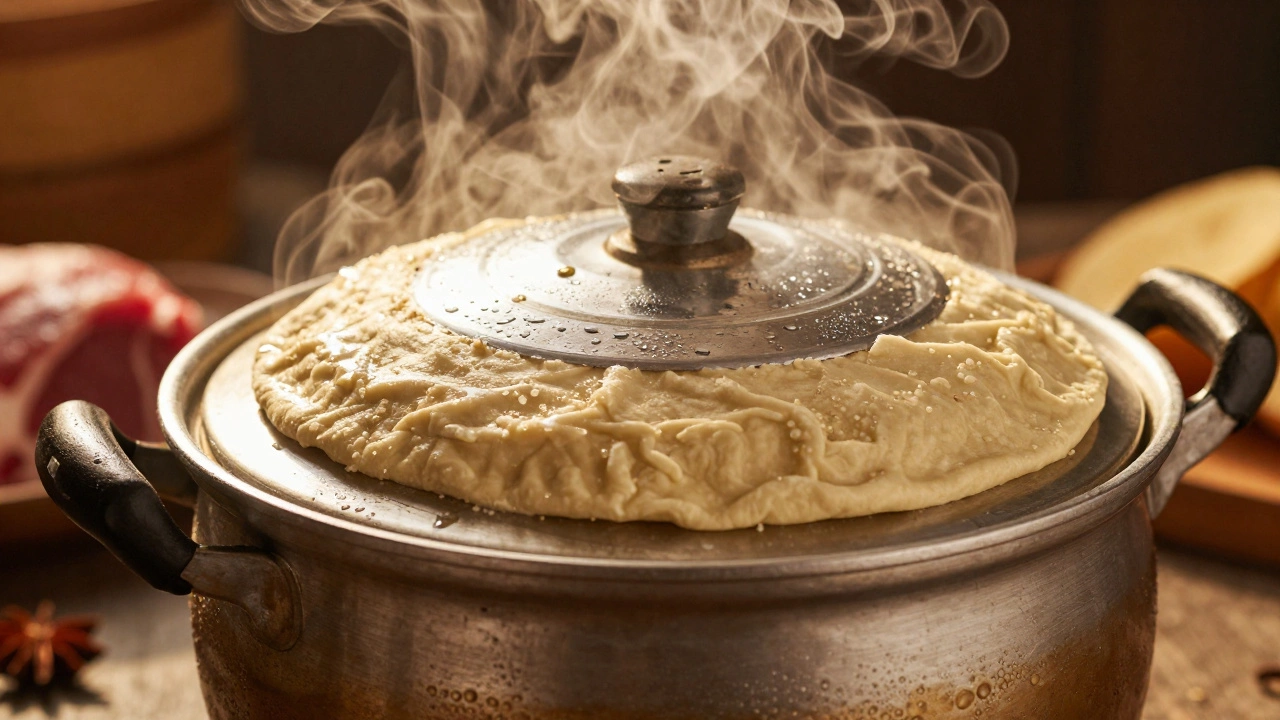
To understand the addiction factor, we first need to talk about umami. Also known as the fifth taste, umami is savory. It’s the deep, meaty flavor found in things like aged cheese, mushrooms, and soy sauce. In biryani, umami comes from multiple sources working together. The meat-whether chicken, mutton, or beef-contains natural glutamates. When you cook these proteins slowly, especially using the dum method where steam circulates in a sealed pot, these flavors concentrate.
But here is the kicker: biryani doesn’t rely on meat alone for this savory punch. Ingredients like tomatoes, yogurt, and even the rice itself contribute to the profile. More importantly, certain spices used in the masala blend contain nucleotides. These molecules bind with glutamates to create a synergistic effect. This means the total umami sensation is much stronger than the sum of its parts. Your tongue detects this intense savory signal, and your brain releases dopamine, the neurotransmitter associated with reward and pleasure. That little hit of happiness is what drives you back for another bite.
The Role of Aromatic Spices and Olfaction
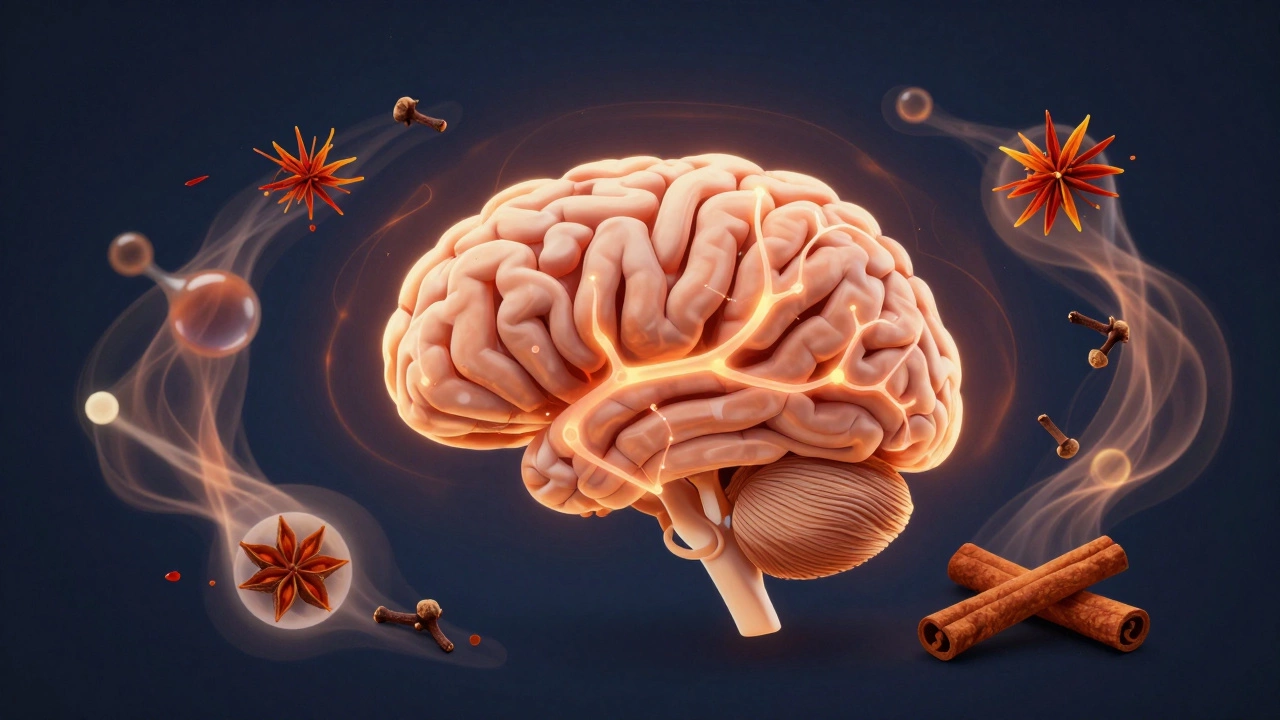
Taste is only half the battle. Smell is the other half, and biryani wins big here. The aroma of cooking biryani is distinct and powerful. This comes from volatile organic compounds released by spices like cardamom, cinnamon, cloves, and most notably, saffron. Saffron contains crocin and safranal, which give it that unique floral scent and golden color. These aromas travel through your nose directly to the limbic system, the part of your brain responsible for memory and emotion.
This connection explains why the smell of biryani can instantly transport you back to a specific meal or memory. It creates an emotional anchor. When you eat it, you aren’t just consuming calories; you’re experiencing a sensory event. The combination of earthy cumin, warm coriander, and sharp black pepper creates a complex bouquet that keeps your senses engaged. Unlike bland foods that fade quickly, every spoonful of biryani offers a new layer of fragrance. This constant stimulation prevents sensory-specific satiety, which is the feeling of being full of one particular taste. Because the flavor profile is so diverse, your brain doesn’t get bored, encouraging you to keep eating.
Fat, Salt, and Carbs: The Perfect Triad
If you look at the nutritional composition of a typical biryani, you’ll find a potent mix of macronutrients. Humans are biologically wired to seek out energy-dense foods. Fat provides richness and mouthfeel. In biryani, ghee (clarified butter) or oil coats the rice grains, giving them a glossy sheen and a luxurious texture. This fat also acts as a carrier for fat-soluble vitamins and flavor compounds in the spices. Without enough fat, the spices wouldn’t release their full potential.
Salt enhances flavor perception. It suppresses bitterness and amplifies sweetness and savoriness. Most biryani recipes use a significant amount of salt, both in the marinade and the rice water. Then there are the carbohydrates from the basmati rice. Rice provides quick energy. When combined with protein from the meat and healthy fats from the ghee, you get a balanced but highly palatable meal. This combination triggers the same reward pathways as sugary snacks, but with a slower release of energy. It satisfies cravings deeply, making you feel physically rewarded after every bite.
The Texture Factor: Contrast and Crunch
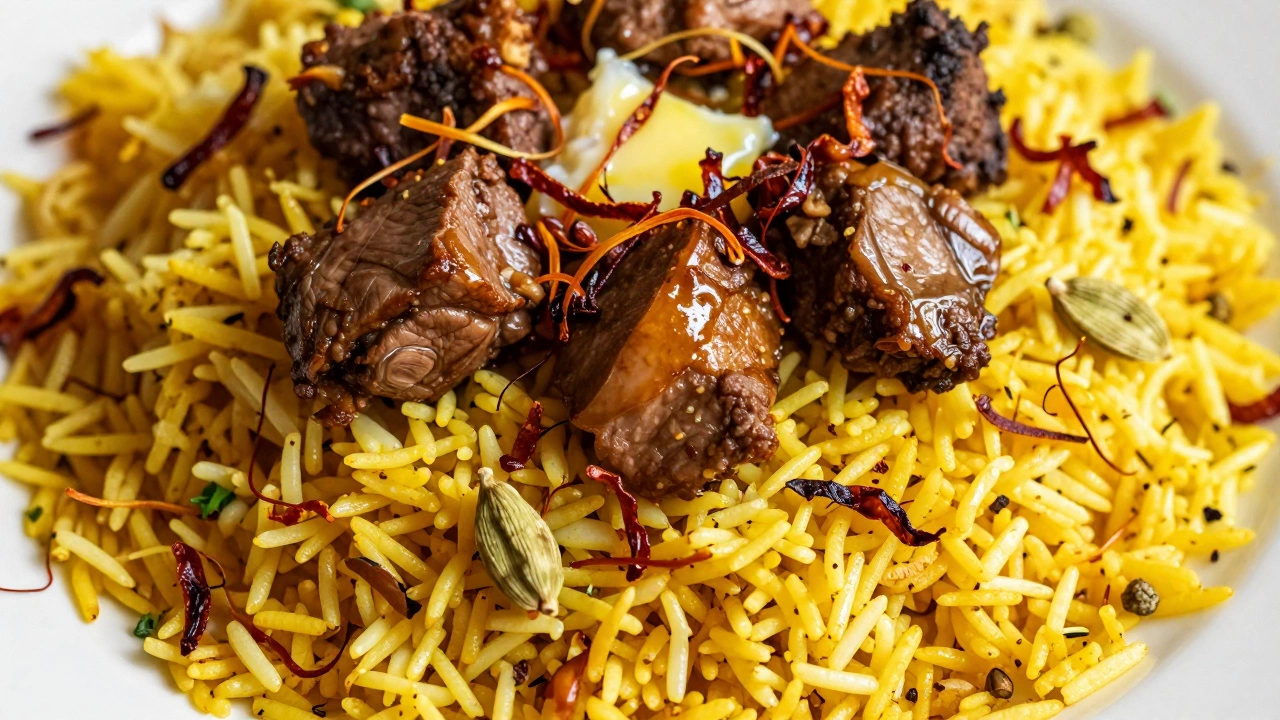
Texture plays a surprising role in food satisfaction. Biryani is rarely uniform. You have soft, tender pieces of meat that fall off the bone. You have fluffy, separate grains of rice. And often, you have crunchy elements like fried onions (birista) or crispy potatoes at the bottom (known as khukra or socarrat). This contrast keeps your chewing muscles active and your brain interested.
Monotonous textures can lead to faster satiety. If everything was mushy, you might stop eating sooner. But the interplay between the creamy yogurt-based gravy, the chewy meat fibers, and the crisp fried onions creates a dynamic eating experience. Each bite requires different jaw movements and stimulates different tactile receptors in your mouth. This variety signals novelty to your brain, tricking it into thinking you’re eating something new, which delays the onset of fullness.
Cultural Conditioning and Comfort Food
Beyond biology, there is psychology. For many South Asians, biryani is tied to celebrations, weddings, and family gatherings. It is often served during special occasions. This positive association builds a strong mental link between the dish and feelings of joy, safety, and belonging. Eating it becomes a form of comfort. When you are stressed or sad, your body craves foods that provide emotional relief. Biryani fits this bill perfectly because it is rich, warming, and familiar.
This cultural conditioning starts early. Children who grow up eating biryani develop a preference for its flavor profile. As adults, seeking out this taste is a way of reconnecting with those early positive experiences. It’s not just about hunger; it’s about nostalgia. The ritual of preparing biryani, which often involves hours of marination and slow cooking, also adds value. Knowing the effort put into the dish makes it feel more precious and desirable.
| Component | Source in Biryani | Effect on Brain/Body |
|---|---|---|
| Umami | Meat, Tomatoes, Yogurt | Dopamine release, deep satisfaction |
| Aromatics | Saffron, Cardamom, Cloves | Memory activation, emotional connection |
| Fat | Ghee, Meat Fat | Mouthfeel, flavor carrier, energy density |
| Carbohydrates | Basmati Rice | Quick energy, serotonin boost |
| Texture | Fried Onions, Crispy Bottom | Sensory variety, delayed satiety |
How to Make Your Own Addictive Biryani
Understanding the science helps you replicate the magic at home. To maximize the addictive qualities, focus on these steps:
- Marinate Longer: Give your meat at least four hours, preferably overnight, in yogurt and spices. This breaks down proteins and allows flavors to penetrate deeply.
- Use Fresh Ghee: Don’t skimp on the clarified butter. It adds the necessary fat content for carrying spice oils and creating that rich texture.
- Layer Properly: Alternate layers of par-cooked rice and meat. Do not mix them completely until serving. This preserves texture contrast.
- Add Fried Onions: Caramelize sliced onions until they are dark brown and crisp. They add sweetness, crunch, and depth.
- Seal the Pot: Use the dum technique. Seal the rim of your pot with dough or heavy foil to trap steam. This ensures even cooking and infuses the rice with meat juices.
Is It Healthy?
While biryani is delicious, it is calorie-dense. A single serving can contain over 600-800 calories depending on the portion size and type of meat. The high sodium content from salt and spices can also be a concern for those monitoring blood pressure. However, it does provide protein, fiber (if vegetables are included), and essential nutrients from spices like turmeric and ginger, which have anti-inflammatory properties.
To make it healthier without losing the appeal, try using leaner cuts of meat, reduce the amount of ghee, and increase the ratio of rice to meat. Adding a side of raita (yogurt dip) or a fresh salad can help balance the meal and aid digestion. Moderation is key. Enjoy it as a treat rather than a daily staple.
Why do I crave biryani after eating it once?
This craving is likely due to the combination of umami, fat, and aromatics triggering dopamine release in your brain. The complex flavors create a strong memory association, making your brain seek out that rewarding sensation again.
What makes Hyderabadi biryani different from Lucknowi?
Hyderabadi biryani is typically spicier, tangier, and uses shorter-grain rice, often cooked with raw meat in the pot. Lucknowi biryani is milder, sweeter, uses longer-grain basmati rice, and usually features pre-cooked meat layered with rice.
Can I make biryani without meat?
Yes, vegetarian biryani is very popular. Use paneer, mixed vegetables, or mushrooms. To maintain the umami depth, add more tomatoes, soy sauce, or mushroom powder to the marinade.
Why is saffron important in biryani?
Saffron provides a distinct floral aroma and vibrant yellow color. Its volatile oils enhance the overall sensory experience, making the dish feel more luxurious and appetizing.
How long should I marinate the meat for biryani?
For best results, marinate chicken for at least 4 hours and red meat for 6-12 hours. Overnight marination yields the most tender and flavorful result.
- Poplular Tags
- biryani addictive
- biryani spices
- umami flavor
- food science
- biryani recipe