Indian Cuisine: Authentic Dishes, Techniques, and What Makes Them Unique
When you think of Indian cuisine, a diverse, regionally varied food system rooted in centuries of tradition, spice blending, and plant-based cooking. Also known as Indian food, it’s not just about thick curries—it’s a balance of textures, temperatures, and flavors that vary from village to village. From the tandoor-fired breads of Punjab to the fermented rice dosas of Tamil Nadu, Indian cuisine thrives on simplicity, not complexity. You won’t find one single recipe that defines it. Instead, you’ll find hundreds of everyday meals made with ingredients you already have—lentils, rice, yogurt, and spices like cumin, turmeric, and mustard seed.
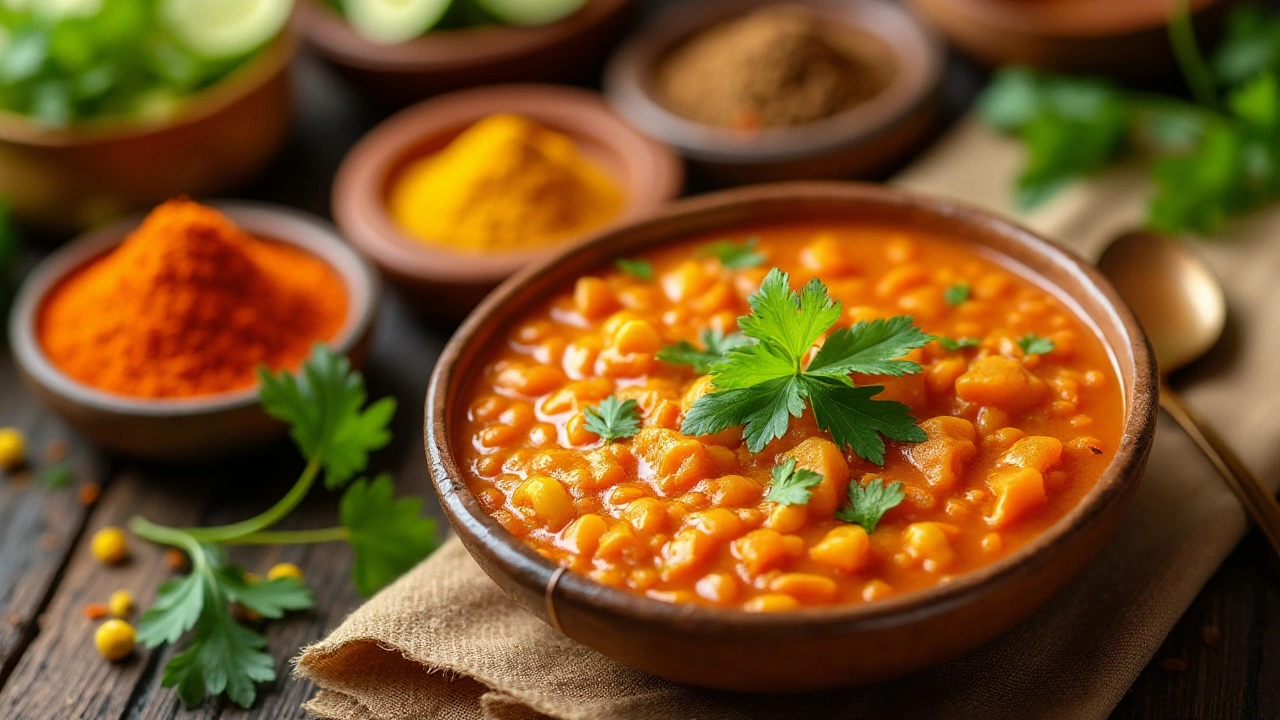
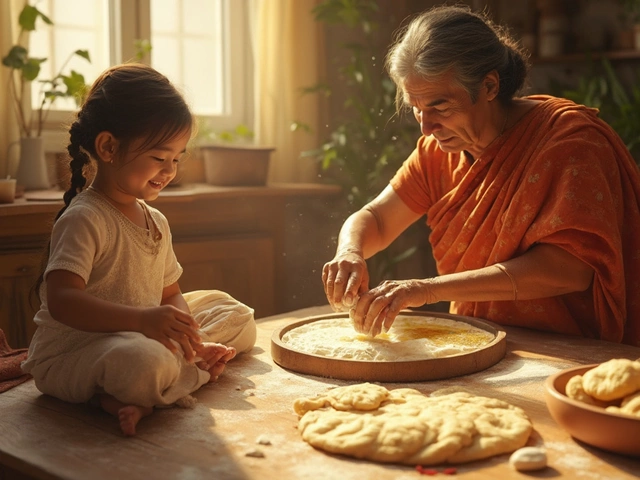
One of the biggest myths? That all Indian food is curry. But look closer: dal tadka, a humble lentil dish simmered with tempered spices, is the foundation of most Indian homes. It’s served with roti, a round, unleavened flatbread cooked on a hot griddle. The shape isn’t tradition—it’s physics. Round dough puffs evenly, cooks fast, and tears easily for scooping. And then there’s paneer, a fresh cheese made by curdling milk with lemon or vinegar. It’s not imported—it’s homemade, often in kitchens across India, using just milk and time. These aren’t exotic rarities. They’re the daily bread of millions.
Indian cuisine doesn’t need fancy tools. It doesn’t rely on imported ingredients. It works with what’s local, seasonal, and affordable. That’s why soaking dal, lentils used in countless meals, for the right amount of time makes the difference between hard beans and creamy comfort. It’s why coconut oil or groundnut oil gives you the perfect crisp on a dosa, a fermented crepe that’s a breakfast staple in the south. And it’s why jaggery—not white sugar—is the secret behind the deep, caramel notes in traditional Indian sweets, desserts like mysore pak and gulab jamun that rely on slow-cooked syrup.
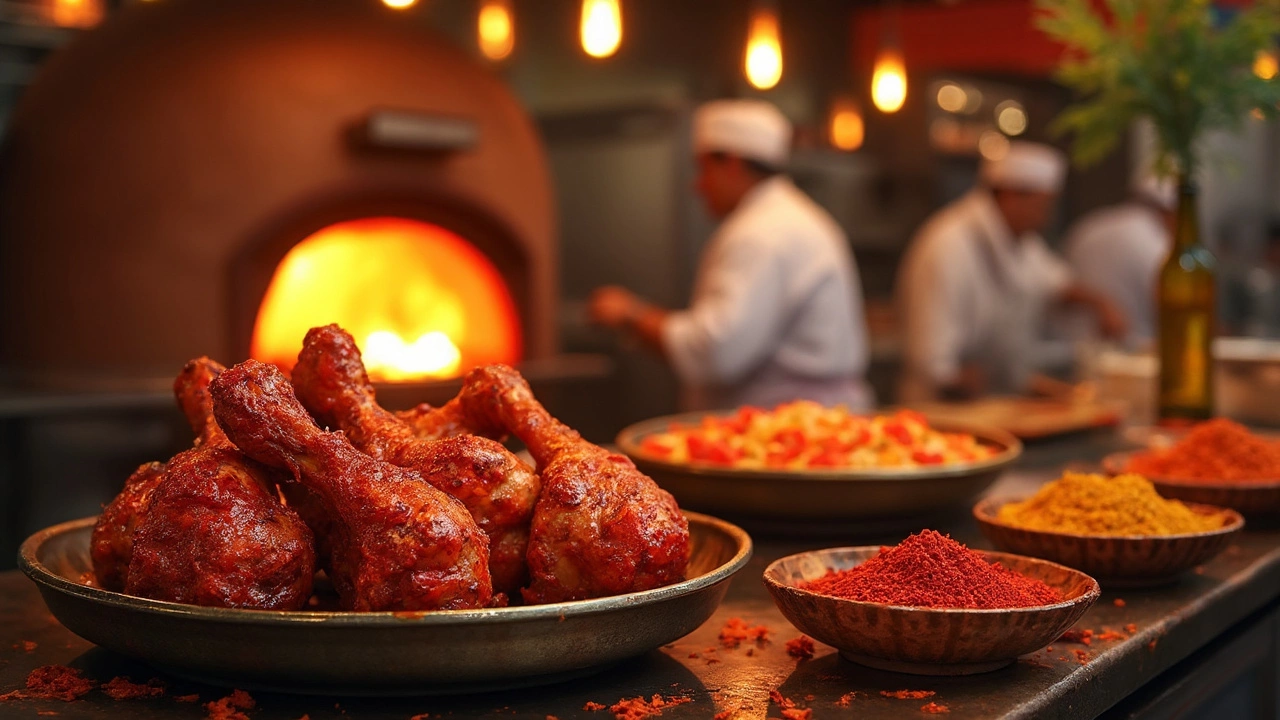
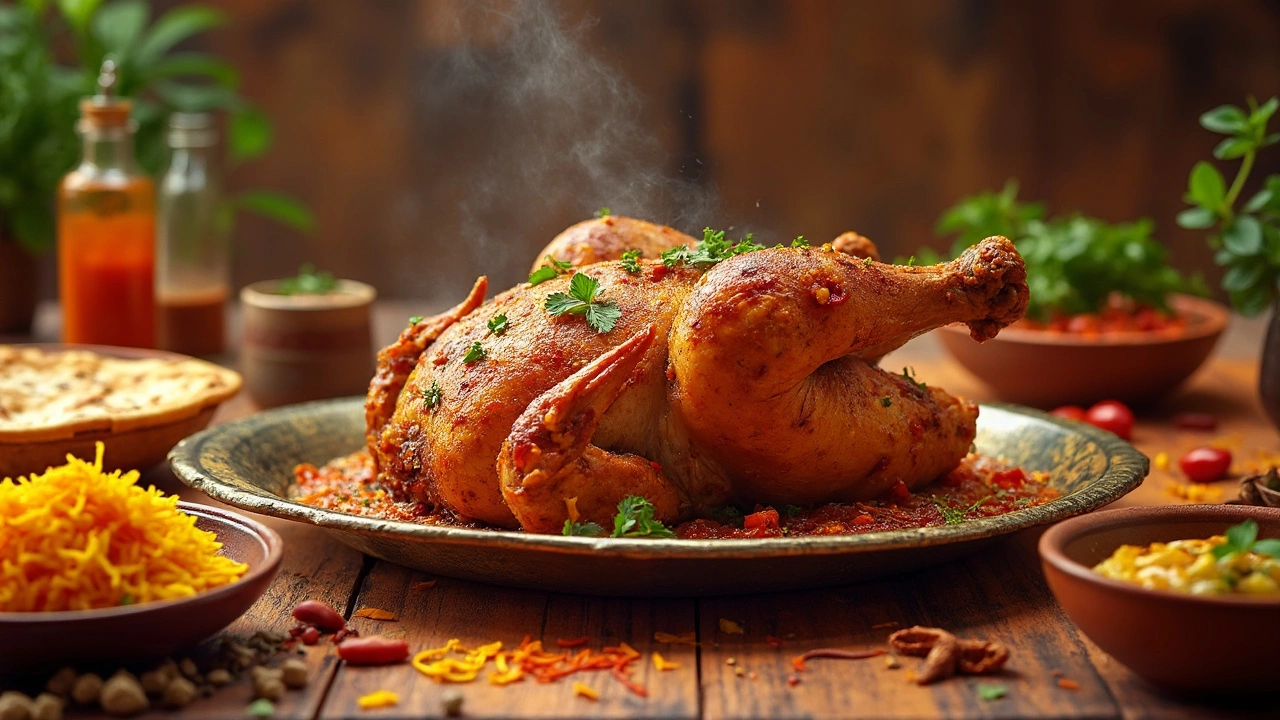
Vegetarian meals dominate here—not because of trend, but because of culture. Over 400 million people in India eat no meat, and their cuisine doesn’t miss a thing. Creamy paneer butter masala, spicy chana masala, fragrant vegetable biryani—they’re not side dishes. They’re the main event. Even the snacks like pani puri and tandoori vegetables are packed with flavor, not just filler. And if you’ve ever wondered why your tandoori chicken turns black inside? It’s not burnt. It’s caramelized spice and high-heat char, the same way a good steak gets its crust.
Indian cuisine isn’t about following strict rules. It’s about understanding how ingredients behave. How yogurt tenderizes chicken without rinsing. How fermentation turns batter into airy dosas. How a pinch of asafoetida unlocks depth in lentils. The recipes here don’t just tell you what to do—they explain why it works. Whether you’re making your first batch of homemade paneer or trying to nail the perfect roti puff, you’ll find the real answers—not vague tips, not fluff, just clear, tested methods.
Below, you’ll find 20+ posts that cut through the noise. No generic curry lists. No overhyped "authentic" claims. Just real questions, real answers, and real meals you can cook today—with ingredients you can find. From the healthiest curry to order at a restaurant to the exact hours your dosa batter needs to ferment—this is Indian cuisine as it’s actually eaten, made, and loved.