Curry Liquid Selector & Fixer
Select your curry style and click the button to find the best liquid base.
Recommended Base:
Why this works:
Consistency Fix:
You’ve got the spices blooming in oil, the onions are golden, and the chicken is seared. Then you stare at your pot, wondering: what liquid to add to curry? This single decision can make or break your dish. Too much water, and you get a thin, watery soup that tastes like sadness. Too little, and you risk burning your aromatics before the meat cooks through. It’s not just about volume; it’s about flavor layering.
Most home cooks default to tap water because it’s free and easy. But here’s the truth: water adds no flavor. It dilutes your hard work. If you want that rich, velvety texture you see in restaurant curries, you need to choose your liquid wisely. Whether you’re making a North Indian butter chicken or a South Indian sambar, the liquid base defines the final character of the gravy.
The Quick Answer: Choosing Your Base
Before we dive into the science, let’s look at what actually works. There isn’t one “correct” liquid. It depends entirely on the style of curry you’re aiming for. Here is a breakdown of the most common options and what they do to your food.
| Liquid Type | Flavor Profile | Texture Impact | Best For |
|---|---|---|---|
| Chicken/Beef Stock | Savory, deep umami | Rich body without heaviness | Meat-based curries (Korma, Rogan Josh) |
| Coconut Milk | Sweet, nutty, aromatic | Creamy, thick, glossy | Thai Green Curry, Kerala Fish Curry |
| Yogurt | Tangy, mild acidity | Thickens, tenderizes meat | Punjabi Chicken Tikka Masala |
| Tomato Puree/Water Mix | Acidic, bright, fruity | Creates a chunky or smooth red base | Vindaloo, Chettinad Chicken |
| Water | Neutral | Dilutes flavors, creates thin broth | Light soups, Dal Tadka (if stock unavailable) |
Why Stock Beats Water Every Time
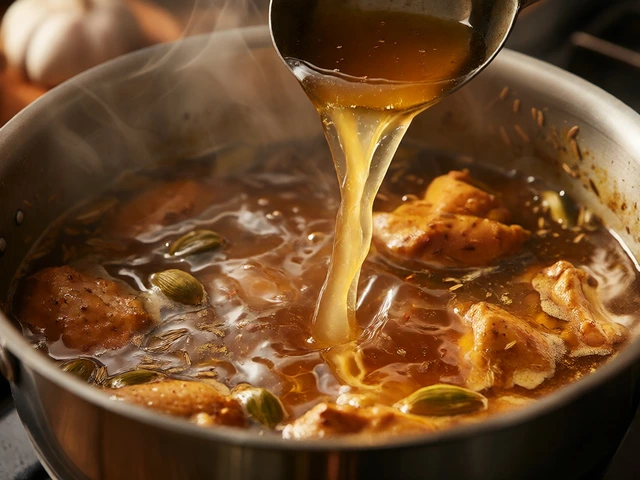
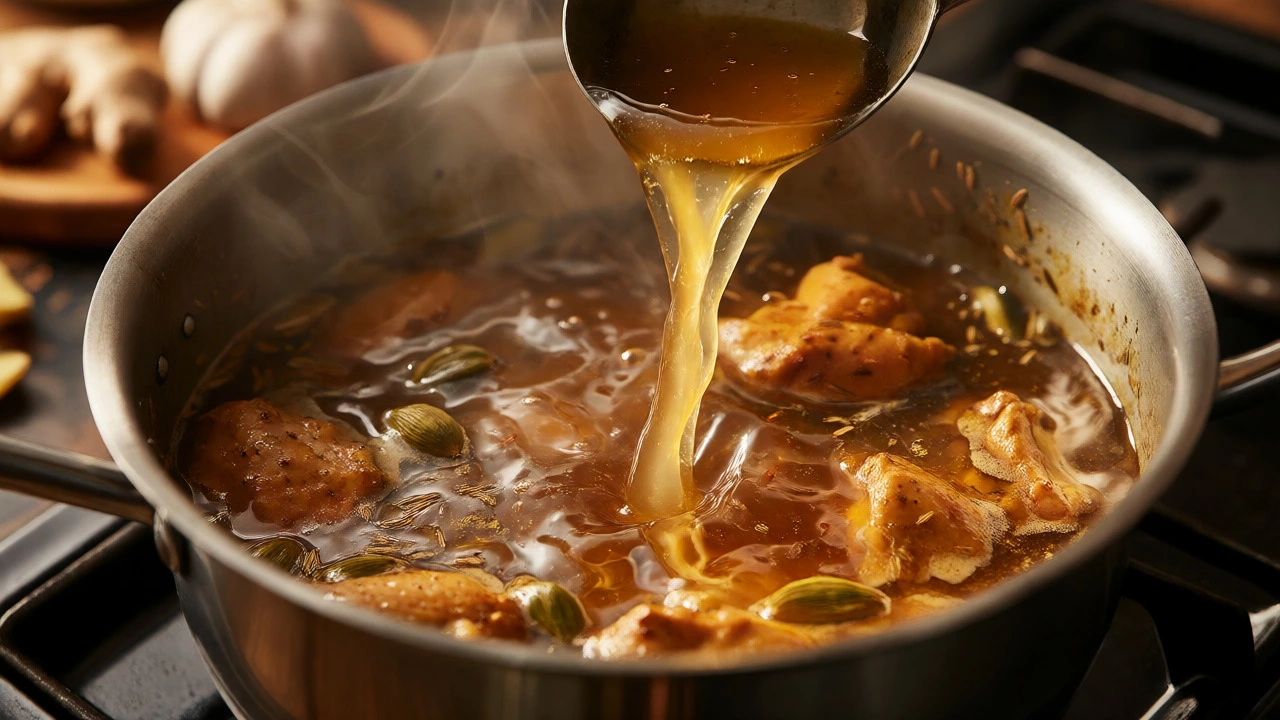
If you only change one thing about your chicken curry recipe, swap the water for homemade or high-quality store-bought chicken stock. Why? Because stock is essentially flavored water. It contains collagen, gelatin, and dissolved minerals from bones and vegetables. When you simmer this with your spices, those compounds bind with the fats in your curry, creating a mouthfeel that water simply cannot replicate.
Think about it this way: if you boil pasta in plain water, it tastes bland unless heavily salted. But if you cook risotto in stock, every grain absorbs depth. Your curry works the same way. The liquid acts as a carrier for the spice oils. Since many spices are fat-soluble but not water-soluble, a neutral liquid like water leaves them floating separately rather than integrating fully. Stock provides a slightly viscous medium that helps emulsify the gravy.
Pro tip: If you don’t have time to make stock, use bouillon cubes, but be careful. They are often loaded with MSG and excessive sodium. If you use them, reduce the added salt in your recipe by half. Taste as you go.
The Creamy Factor: Coconut Milk and Yogurt
For those who prefer a luscious, heavy gravy, dairy and plant-based creams are your best friends. However, adding them requires technique. You can’t just dump cold yogurt into a boiling pot, or it will curdle into sad white flakes.
Coconut milk is a type of liquid extracted from grated coconut flesh. It comes in two main varieties: full-fat (thick) and light (thin). For a rich curry, always start with full-fat. Add it in the last 10-15 minutes of cooking. Why late? Because prolonged high heat can split the coconut cream, separating the oil from the solids. While some traditional recipes embrace this separation (known as "oil separation"), most modern palates prefer a stable, creamy emulsion.
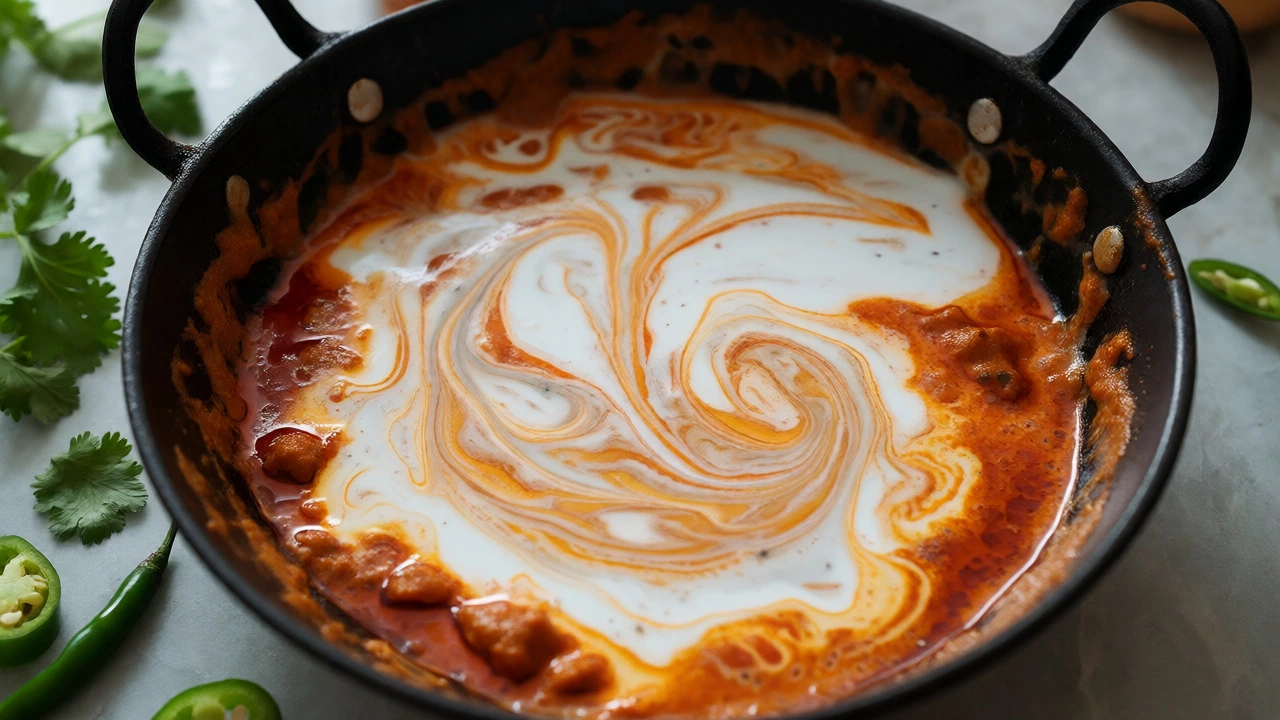
Yogurt, specifically Greek yogurt or hung curd, serves a dual purpose. First, it adds tanginess, which cuts through the richness of fatty meats. Second, the lactic acid tenderizes the protein fibers in your chicken. To prevent curdling, temper your yogurt. Whisk it until smooth, then slowly ladle hot curry broth into the bowl while stirring constantly. Once the yogurt is warm, pour the mixture back into the main pot over low heat. Never let it boil vigorously after adding yogurt.
Acidity Matters: Tomatoes and Tamarind
Not all curries rely on cream. Many regional Indian dishes derive their body from fruit acids. Tomatoes are the backbone of many North Indian gravies. But tomatoes aren't just a solid ingredient; when cooked down, they release significant liquid. If you are using fresh tomatoes, blend them into a puree first. This ensures even cooking and prevents large chunks from dominating the texture.
In South Indian and Sri Lankan cuisines, tamarind pulp replaces tomatoes. Soak tamarind in warm water for 20 minutes, then squeeze out the juice. This liquid is intensely sour and complex. Use it sparingly. A little goes a long way. If your curry tastes flat, it might not need more salt-it might need more acid. A splash of lemon juice or vinegar at the very end can also brighten up a heavy curry, acting as a finishing liquid adjustment.
Fixing Consistency: Thinning and Thickening
Sometimes, despite your best efforts, the liquid balance is off. Maybe your curry is too thick and sticking to the pan, or it’s too runny and looks unappetizing. Here is how to fix it without starting over.
If it’s too thick:
- Add hot stock or water in small increments (1/4 cup at a time).
- Stir gently and let it simmer for two minutes to incorporate.
- Avoid cold water, as it lowers the temperature drastically and stops the cooking process, potentially leaving raw flour tastes if you used a roux.
If it’s too thin:
- Reduction: Simply remove the lid and simmer on medium-high heat. This evaporates excess water and concentrates flavors. This is the tastiest method.
- Ground Nut Paste: Blend roasted peanuts or cashews with a little water and stir into the curry. This adds thickness and richness simultaneously.
- Rice Flour Slurry: Mix 1 tablespoon of rice flour with 2 tablespoons of cold water. Stir into the boiling curry. Rice flour thickens faster than wheat flour and doesn’t taste starchy if cooked properly.
- Onion Mash: Take a few pieces of cooked onion from the curry, mash them into a paste, and return them to the pot. This is a classic grandmother’s trick.
Regional Variations: What Locals Do
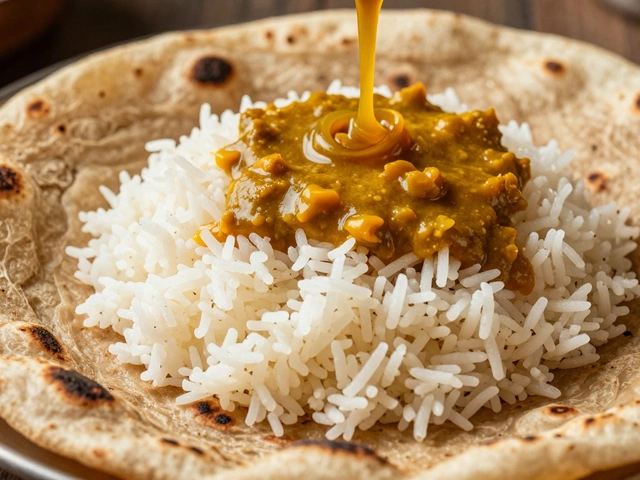
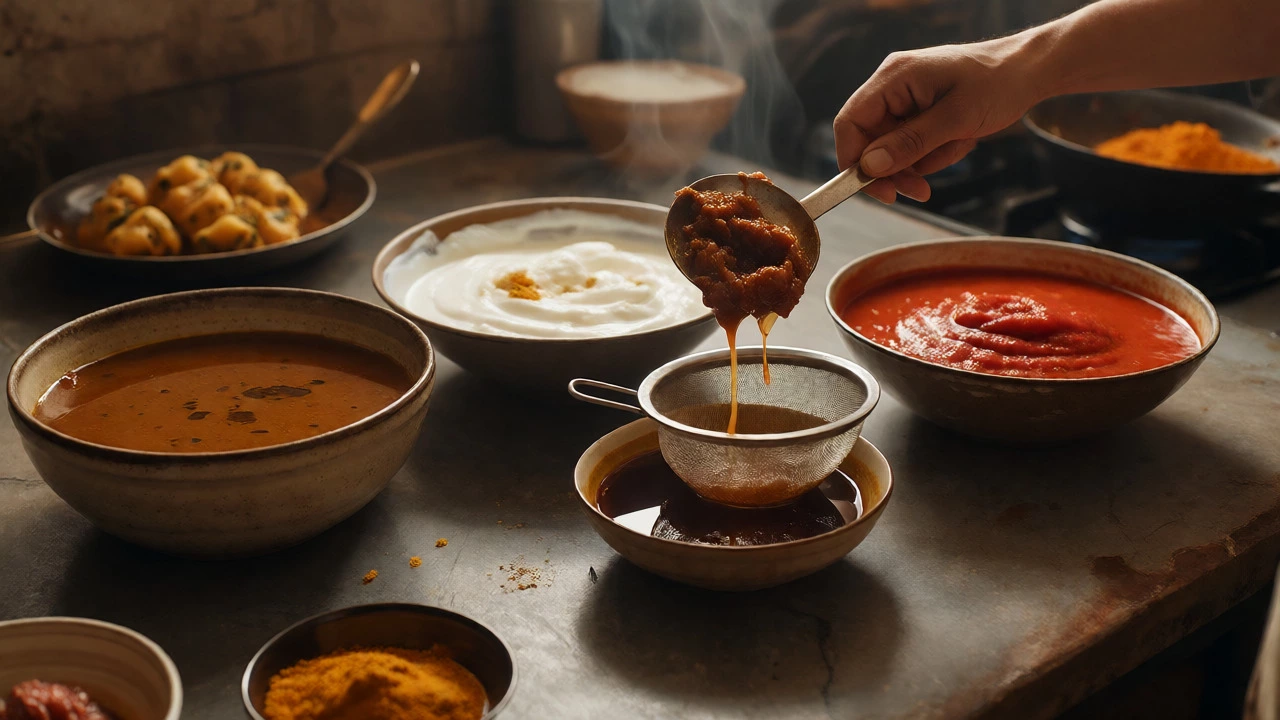
Context is key. In Cape Town, where I live, we love our Bunny Chow, a hollowed-out loaf of bread filled with spicy Durban curry. The liquid here is usually a mix of tomato-based sauce and potato starch, which naturally thickens the gravy. In contrast, Thai curries rely almost exclusively on coconut milk and fish sauce. Using stock in a Thai green curry would clash with the lemongrass and galangal notes.
When adapting a recipe, consider the origin. If you are making a Punjabi-style Butter Chicken, the liquid should be a combination of tomato puree, cream, and butter. Adding stock here might make it taste too savory and less sweet. Conversely, for a rustic Rogan Josh, beef stock is essential to match the gaminess of the lamb or mutton.
Common Mistakes to Avoid
I’ve seen countless home cooks ruin good curries by treating liquid addition as an afterthought. Here are the pitfalls to watch out for:
- Adding liquid too early: If you add water before frying your onions and garlic thoroughly, you steam instead of fry. Steamed onions taste sharp and lack sweetness. Always build your base dry first.
- Using cold ingredients: Dumping cold yogurt or coconut milk into a scorching hot pot causes thermal shock. Temper everything.
- Ignoring salt timing: Salt draws moisture out of vegetables. If you salt your onions early, they release water, which might mean you need less added liquid later. Taste frequently.
- Over-thickening with flour: Wheat flour needs to be cooked out completely, or it tastes raw. Cornstarch makes curries glossy but can become slimy if overused. Stick to reduction or natural thickeners like nuts and lentils whenever possible.
Final Thoughts on Flavor Balance
Choosing the right liquid is about understanding what your dish needs. Does it need richness? Go for coconut milk or cream. Does it need depth? Choose stock. Does it need brightness? Use tomato or tamarind. There is no shame in mixing liquids. Many chefs start with stock to cook the meat and finish with coconut milk for creaminess. Experiment with these combinations. Keep a notebook of what worked and what didn’t. Your palate will thank you.
Can I use vegetable stock for chicken curry?
Yes, absolutely. Vegetable stock is a great alternative if you want a lighter flavor profile or are serving vegetarians alongside meat-eaters. It won't provide the same collagen-rich mouthfeel as chicken stock, so you might need to thicken the curry slightly more with cream or nut paste to compensate for the loss of body.
How much liquid should I add to my curry?
There is no fixed amount, but a good rule of thumb is to add enough liquid to barely cover the ingredients. Remember that vegetables and meat will release their own juices during cooking. Start with 1 cup for a standard family-sized portion and adjust as needed. You can always add more, but you can't take it away easily.
Why does my curry taste watery even though I added stock?
This usually happens because the spices weren't fried properly before adding liquid. If the masala paste isn't cooked until the oil separates, the flavors remain suspended rather than integrating into the gravy. Additionally, if you didn't reduce the curry long enough, the water content remains high. Simmer uncovered for longer to concentrate the flavors.
Is it better to use canned or fresh coconut milk?
Canned coconut milk is generally more consistent and richer in fat than carton versions, which are often diluted. Fresh coconut milk made from grated coconut is superior in flavor but spoils quickly. For convenience and reliability in most recipes, high-quality canned full-fat coconut milk is the best choice for home cooks.
Can I use beer or wine as a liquid for curry?
You can, but it changes the dish significantly. Beer works well in robust, dark curries or stews, adding bitterness and maltiness. Wine adds acidity and tannins. These are not traditional for most Indian curries but can create interesting fusion dishes. Ensure you cook off the alcohol completely to avoid a harsh taste.