Indian Dairy Explorer & Recipe Matcher
What are you looking for?
Select the characteristic or goal for your dish:
Select your preferences and click "Find Best Match" to discover the perfect Indian dairy ingredient for your meal!
Quick Summary: The Indian Take on Cheese
- Paneer is the primary "cheese": A fresh, acid-set cheese that doesn't melt.
- Dairy dominance: Milk, ghee, and curd (yogurt) are staples in most households.
- Western influence: Processed cheese slices and mozzarella are now common in urban cities.
- Breakfast role: Cheese-like dairy is often integrated into quick morning meals.
The Truth About Paneer: India's Favorite Dairy
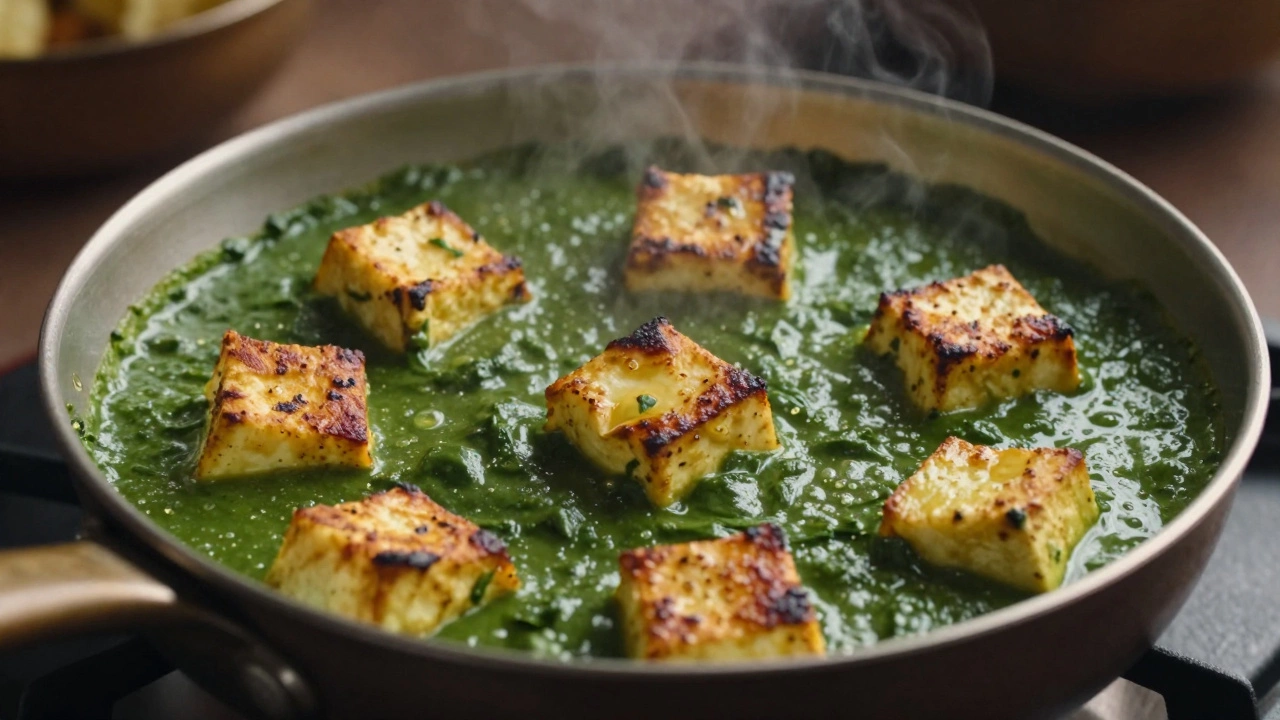
To understand the Indian palate, you have to start with Paneer is a fresh, unripened cheese made by pressing curdled milk. Unlike the Cheddar or Gouda you might be used to, paneer doesn't age and, more importantly, it doesn't melt. If you put a cube of paneer in a hot pan, it gets golden brown and crispy on the outside while staying soft inside. It doesn't turn into a gooey puddle.
Why does this matter? Because Indian cooking involves a lot of high-heat sautéing and simmering in heavy sauces. A melting cheese would simply disappear into a gravy, but paneer holds its shape, acting like a protein-rich sponge that soaks up spices. You'll find it in everything from the world-famous Palak Paneer (spinach and cheese) to grilled skewers at street stalls.
How Cheese Fits Into a Quick Indian Breakfast
When people think of a Indian cheese experience, they often forget that breakfast is where dairy really shines. In a fast-paced morning, you won't usually see a slice of cheese on toast. Instead, you'll find dairy-heavy options that keep you full until lunch.
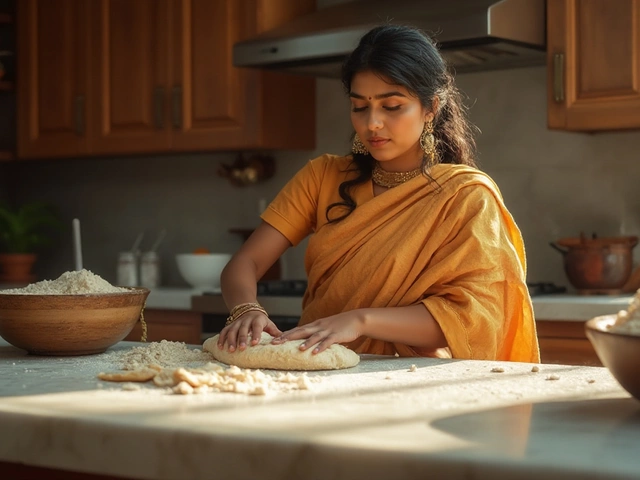
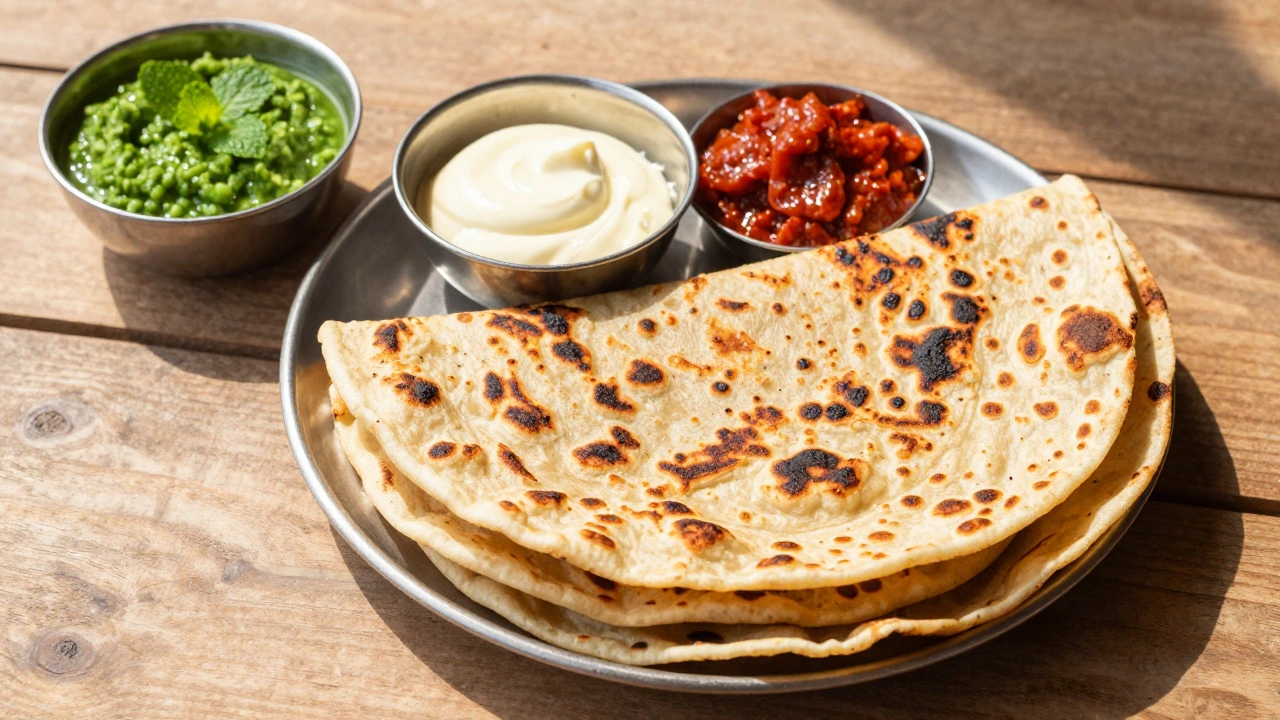
Take the Paneer Paratha, for example. This is a whole-wheat flatbread stuffed with spiced, crumbled paneer. It's a powerhouse breakfast-protein from the cheese and energy from the wheat. It's often served with a dollop of white butter or a side of spicy pickle. For those in a rush, a simple grilled paneer sandwich with green chutney is a common sight in urban offices. It's the Indian equivalent of a breakfast burrito, providing a savory, salty kick to start the day.
Beyond Paneer: The World of Chhena and Curds
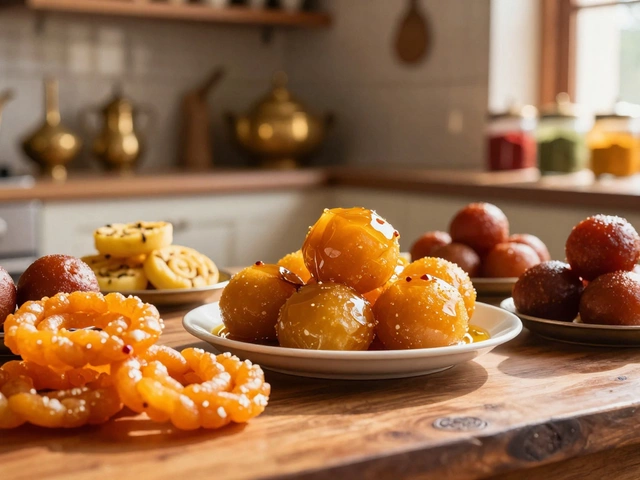
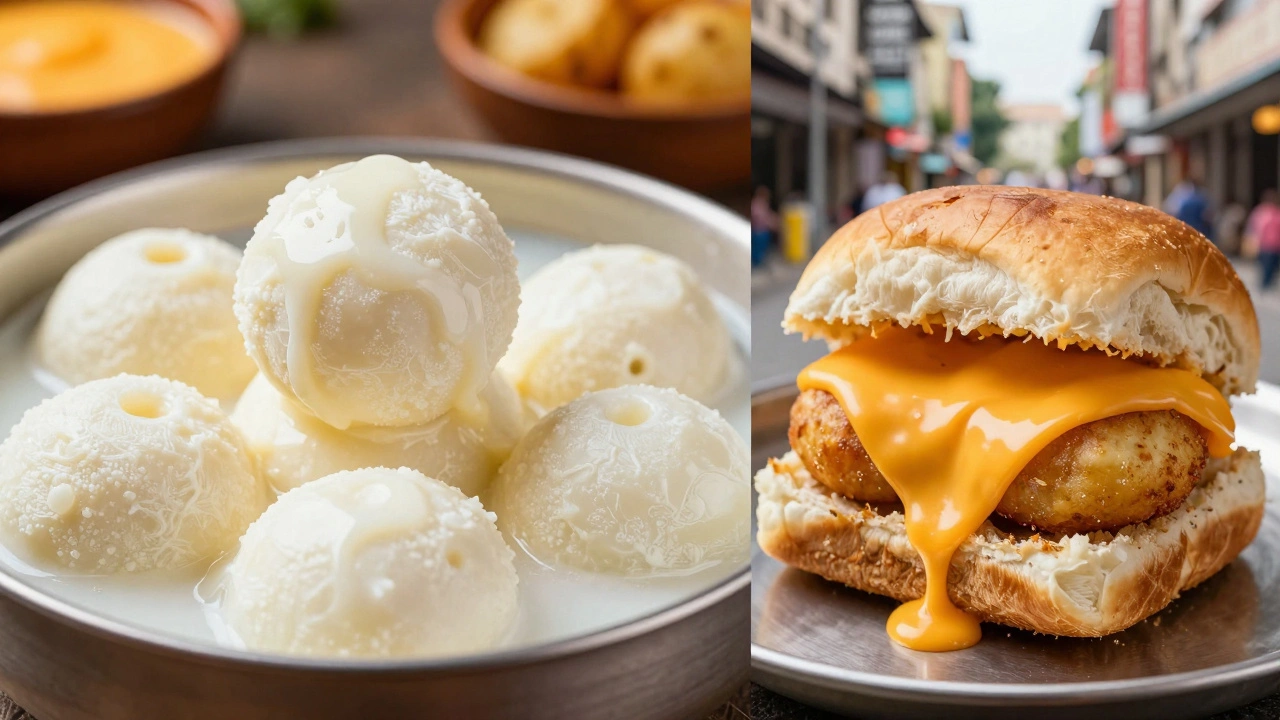
Paneer isn't the only player in the game. There is also Chhena, which is a soft, moist curd cheese similar to ricotta. While paneer is pressed and firm, chhena is loose and creamy. It's the foundation for some of the most iconic Indian sweets, like Rasgulla or Sandesh.
Then there's the ubiquitous Dahi (curd/yogurt). While not a "cheese" in the technical sense, it occupies the same culinary space. Almost every Indian meal is accompanied by dahi or a drink made from it, like buttermilk. The fermentation process makes it easy on the stomach and provides that tangy flavor profile that people often seek from aged cheeses.
| Feature | Paneer (Indian) | Mozzarella/Cheddar (Western) |
|---|---|---|
| Melting Point | Does not melt | Melts easily |
| Texture | Firm, crumbly or spongy | Elastic, creamy, or hard |
| Aging | Fresh (no aging) | Often aged for flavor |
| Primary Use | Curries, Grilled, Stuffing | Toppings, Sandwiches, Boards |
The Rise of Processed Cheese in Urban India
If you visit a city like Mumbai, Bangalore, or Gurgaon, you'll notice a shift. Western-style processed cheese is exploding in popularity. This isn't because people are replacing paneer, but because of the "fast food" culture. The "Cheese Burst" pizza or a burger with a processed slice is an indulgent treat for the younger generation.
Companies like Amul, India's largest dairy cooperative, have played a massive role here. They created a version of processed cheese that is saltier and more pungent than what you'd find in the US or UK, specifically to match the bold flavors of Indian spices. You'll often see Amul cheese slices melted over a Vada Pav (a spicy potato slider), creating a fusion of traditional street food and modern dairy preferences.
Dietary Restrictions and the "Cheese Gap"
It's a mistake to assume everyone in India eats these dairy products. A significant portion of the population is vegan or follows strict dietary laws. Many Hindus avoid meat but embrace dairy, while some Jains avoid root vegetables but love paneer. On the other hand, the growing number of lactose-intolerant individuals in urban areas are turning to tofu, which is often marketed as "vegan paneer" in health cafes.
Interestingly, the way cheese is perceived varies by region. In the South, where rice is the staple, you'll find more coconut-based creams and fermented batters, whereas the North, the land of wheat and cows, leans much more heavily into the rich, creamy textures of paneer and ghee.
How to Enjoy Indian Cheese Like a Local
If you want to try these flavors at home, don't just toss paneer in a pan. To get that authentic, restaurant-style texture, soak your paneer cubes in warm salted water for 10 minutes before cooking. This prevents them from becoming rubbery and keeps them juicy.
For a quick morning experiment, try making a "Cheese Chili Toast." Use a slice of sourdough or brown bread, spread some butter, add crumbled paneer mixed with chopped green chilies and coriander, and grill it until the edges are crisp. It's a perfect example of how Indian dairy integrates into a modern, fast-paced lifestyle.
Is paneer the same as cheese?
Technically, yes. Paneer is a fresh acid-set cheese. However, it differs from Western cheeses because it is not aged and does not melt when heated, making it more like a firm tofu in terms of behavior in a pan.
Do Indians eat mozzarella or cheddar?
Not traditionally, but it's becoming very common in cities. You'll find mozzarella on pizzas and processed cheddar slices in burgers and sandwiches, often sold by brands like Amul.
What is the best way to use paneer in breakfast?
The most popular way is as a filling for Parathas (flatbreads). You can also scramble it into "Paneer Bhurji," which is similar to scrambled eggs but made with spiced crumbled cheese.
Is paneer healthy?
Yes, it is a great source of protein and calcium. However, because it is often cooked with heavy cream or oil in restaurant settings, the calorie count can jump. Home-grilled paneer is a very healthy option.
What is the difference between paneer and chhena?
Chhena is the raw, unpressed curd used primarily for sweets. When that chhena is pressed and shaped into a block, it becomes paneer, which is used for savory cooking.
Next Steps for Food Explorers
If you've enjoyed learning about the dairy side of India, your next step should be exploring the world of Indian legumes. If paneer is the "protein of the vegetarians," then lentils (dal) are the foundation of every single meal. Try looking into how different states use different lentils-from the creamy Dal Makhani of Punjab to the light, tangy Sambar of the South.
For those who prefer a sweet end to their meal, look into the process of making Rasgulla. Since it starts with chhena, you'll see exactly how the "cheese" you just learned about transforms into a spongy, syrup-soaked dessert.
- Poplular Tags
- Indian cheese
- paneer
- dairy in India
- Indian breakfast
- cheese alternatives