Indian Breakfast: Simple, Flavorful Morning Meals from Every Region
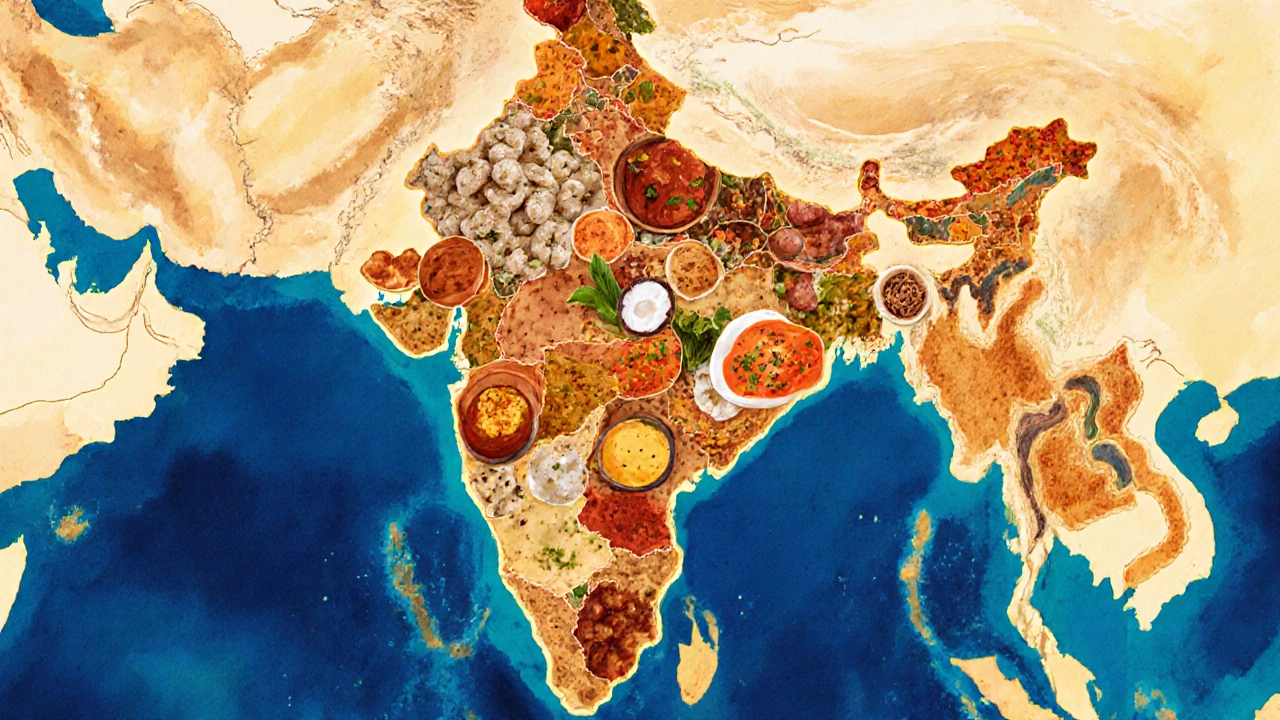
When you think of Indian breakfast, a diverse collection of regional morning meals that vary by climate, culture, and crop. Also known as Indian morning food, it's not just about eating—it's about starting the day with flavor, texture, and purpose. Unlike Western breakfasts that often stick to toast or cereal, an Indian morning meal can be savory, sweet, spicy, or all three—sometimes on the same plate. It’s shaped by centuries of farming, religious practices, and local ingredients, not trends or convenience.
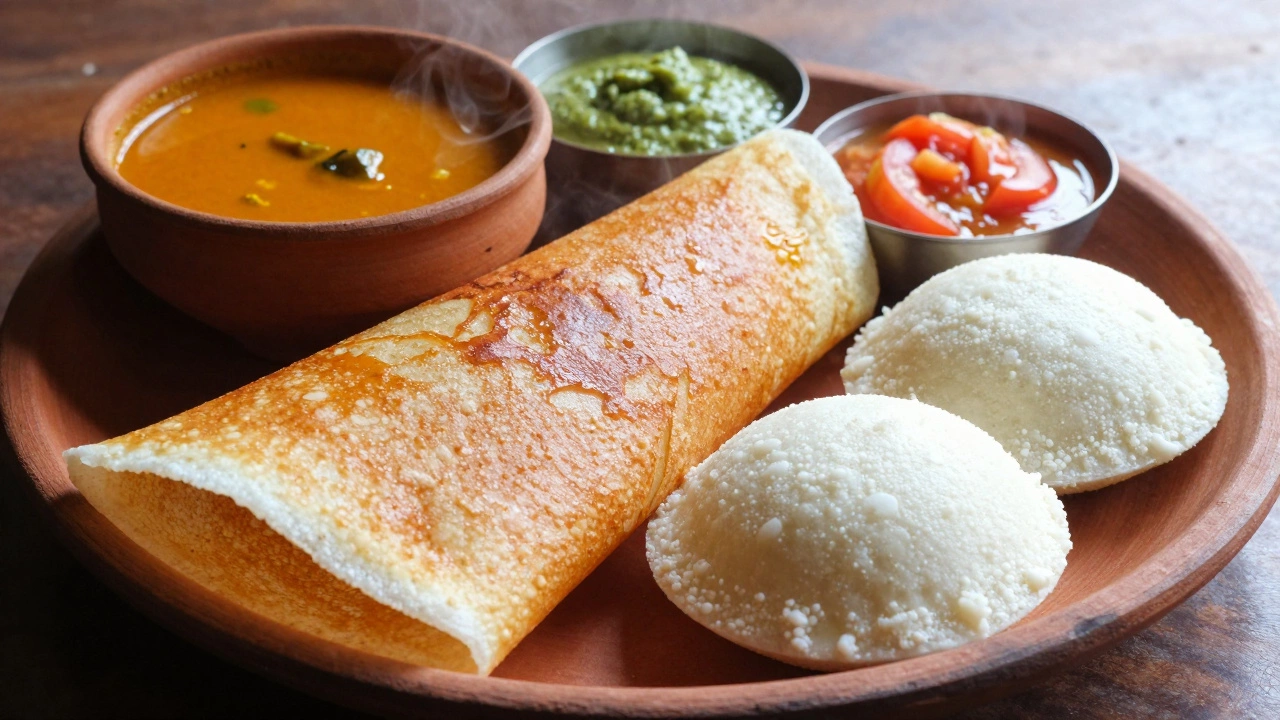
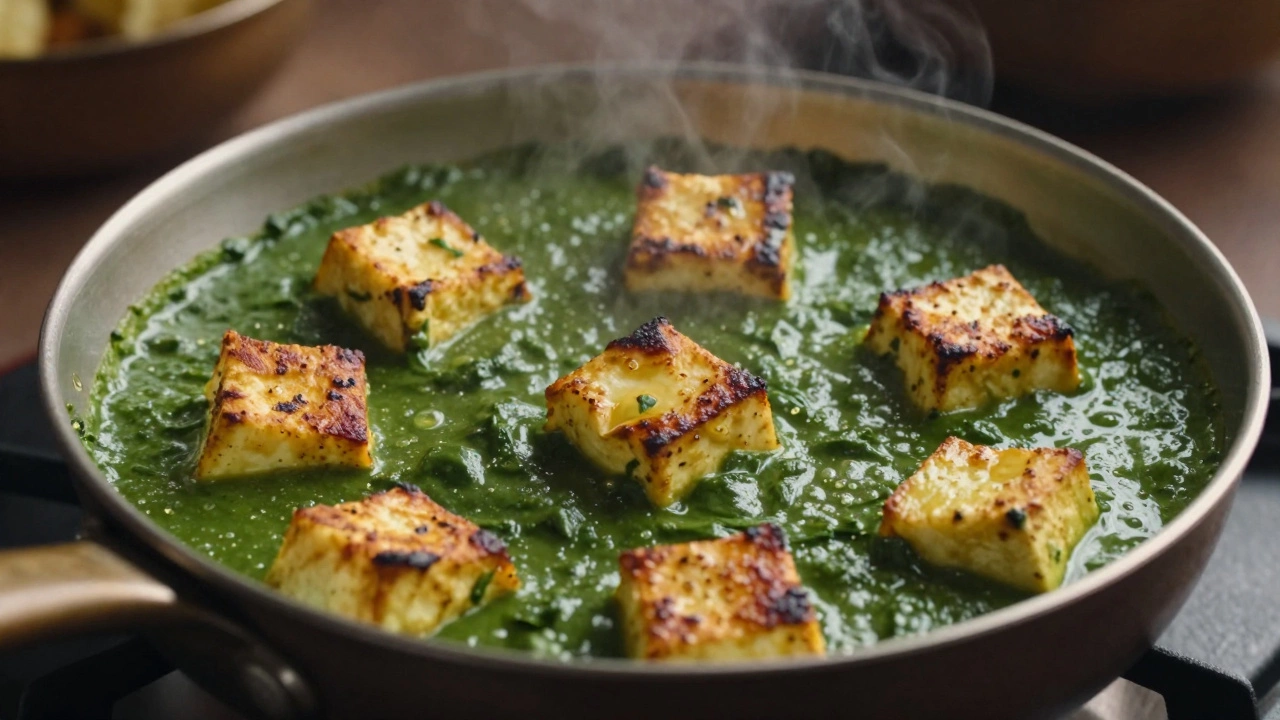
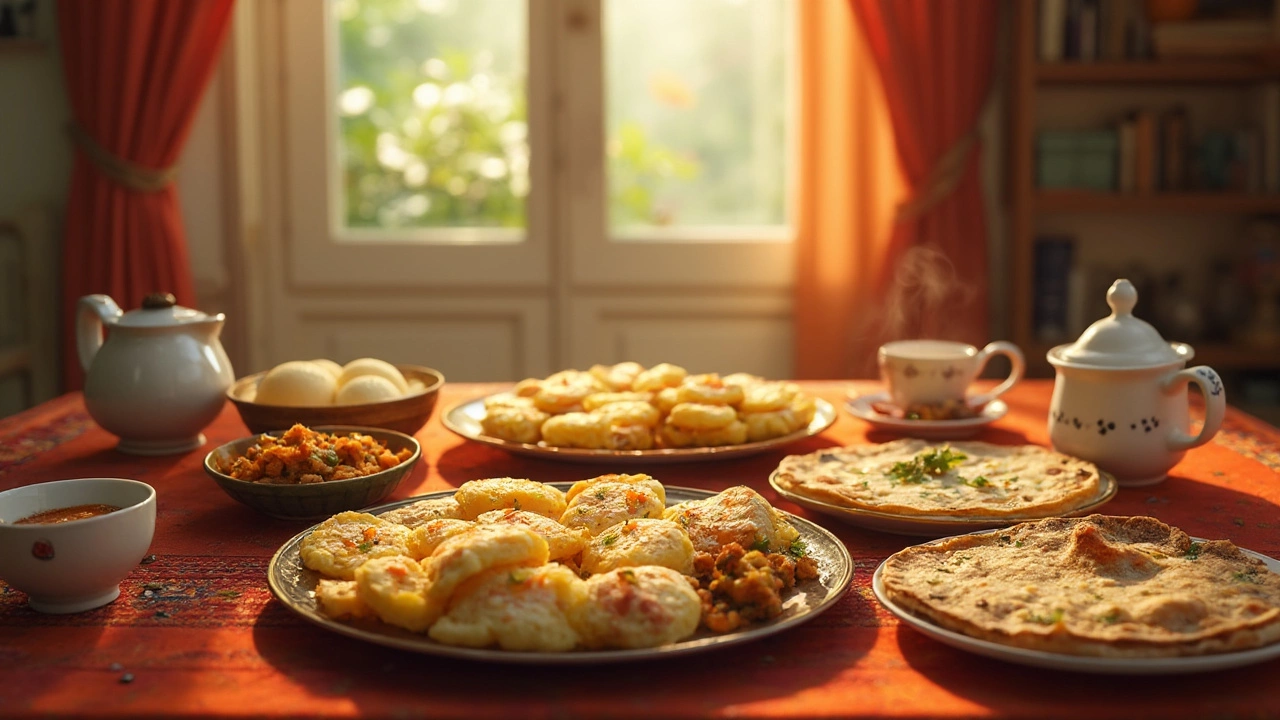
Down south, you’ll find dosa, a fermented rice and lentil crepe, crispy on the edges and soft inside, often served with coconut chutney and sambar. Also known as South Indian breakfast, it’s a daily ritual in Karnataka, Tamil Nadu, and Kerala. Up north, paratha, a flaky, layered flatbread stuffed with potatoes, paneer, or spinach, fried in ghee. Also known as North Indian breakfast, it’s the kind of meal that makes you forget you’re supposed to be eating light. In the east, pitha and idlis rule. In the west, thel and khandvi take center stage. No two regions do it the same way—and that’s the point. These aren’t just foods; they’re traditions passed down through generations, each bite holding a story.
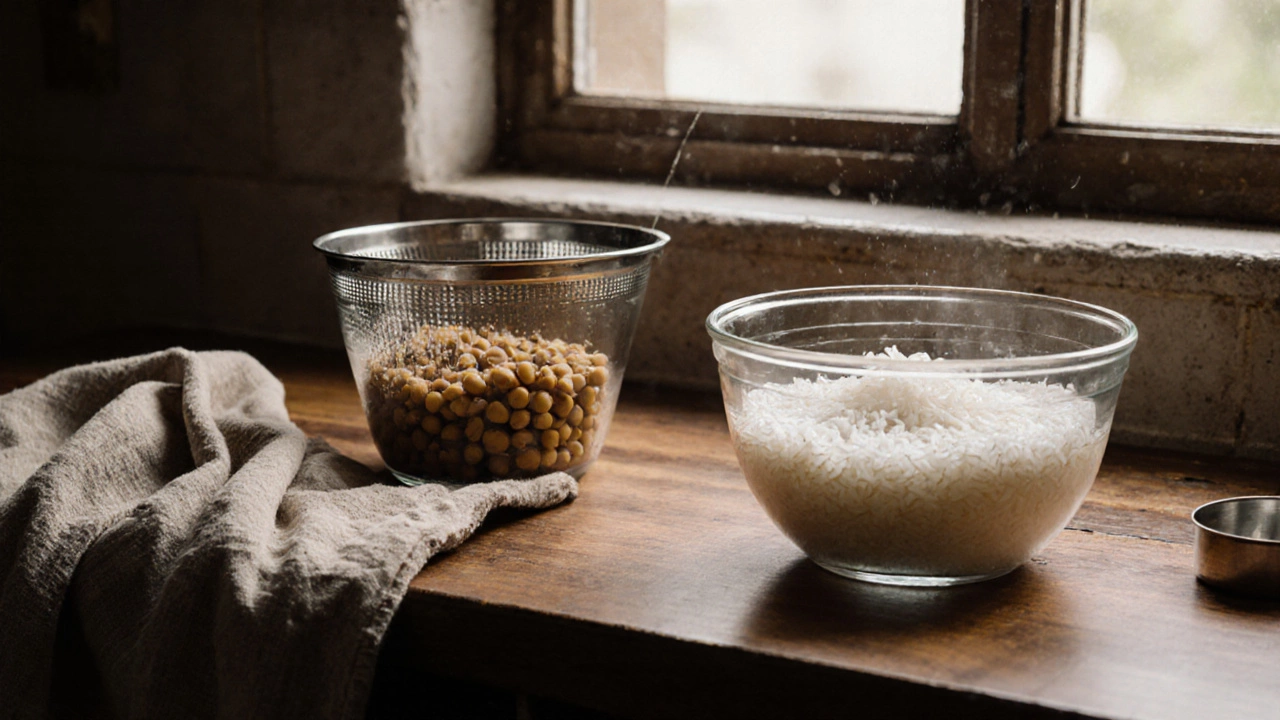
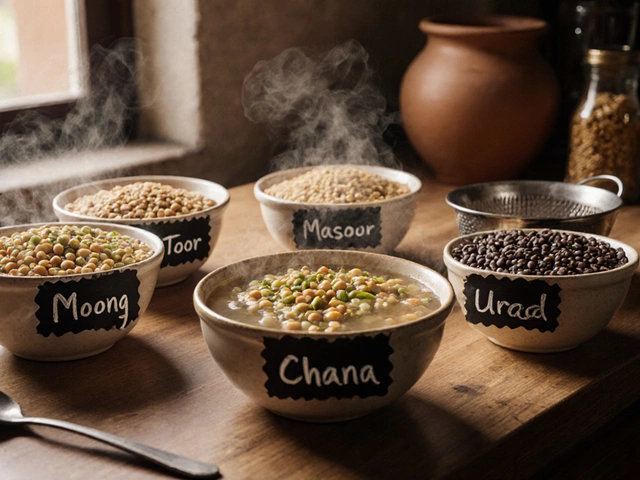
What ties them all together? Simplicity. You won’t find fancy gadgets or hard-to-find spices. Just flour, rice, lentils, yogurt, and heat. The magic is in the technique: fermenting batter overnight, rolling dough thin enough to see through, frying just until golden. These are meals made by hand, for hands that work hard. And they’re not just filling—they’re balanced. Carbs for energy, protein from lentils, fiber from vegetables, and spices that aid digestion.
You won’t find a single "best" Indian breakfast because there isn’t one. But you will find dozens of versions that work perfectly for the people who eat them every day. Below, you’ll see real recipes, real tips, and real answers to questions like: Why does my dosa stick to the pan? What oil makes parathas crisp? Can I make idli without an idli steamer? These aren’t theoretical ideas—they’re the kind of knowledge passed from mother to daughter, from kitchen to kitchen, across India.