Indian Breakfast Knowledge Quiz
Loading question...
Quiz Complete!
See how well you know your way around an Indian breakfast table.
Imagine waking up to the sound of sizzling oil and the smell of toasted spices. Now imagine that this aroma isn't coming from a bagel toaster or a waffle iron, but from a clay tawa or a heavy steel pan. If you ask someone what the tastiest breakfast in India is, you won't get one answer. You will get ten, twenty, maybe fifty different answers depending on who you talk to and where they grew up.
India is not just a country; it is a continent-sized culinary experiment. The idea of a single "tastiest" meal is impossible because taste here is tied to geography, climate, and history. In the humid south, people crave light, fermented foods. In the dry north, they want hearty, wheat-based comfort. In the east, fish and rice dominate. In the west, savory pancakes rule the morning.
So, how do you choose? You don't. Instead, you explore. Here is a breakdown of the strongest contenders for the title of India's best breakfast, organized by region, so you can decide which flavor profile wins your heart.
The Southern Powerhouse: Fermentation is King
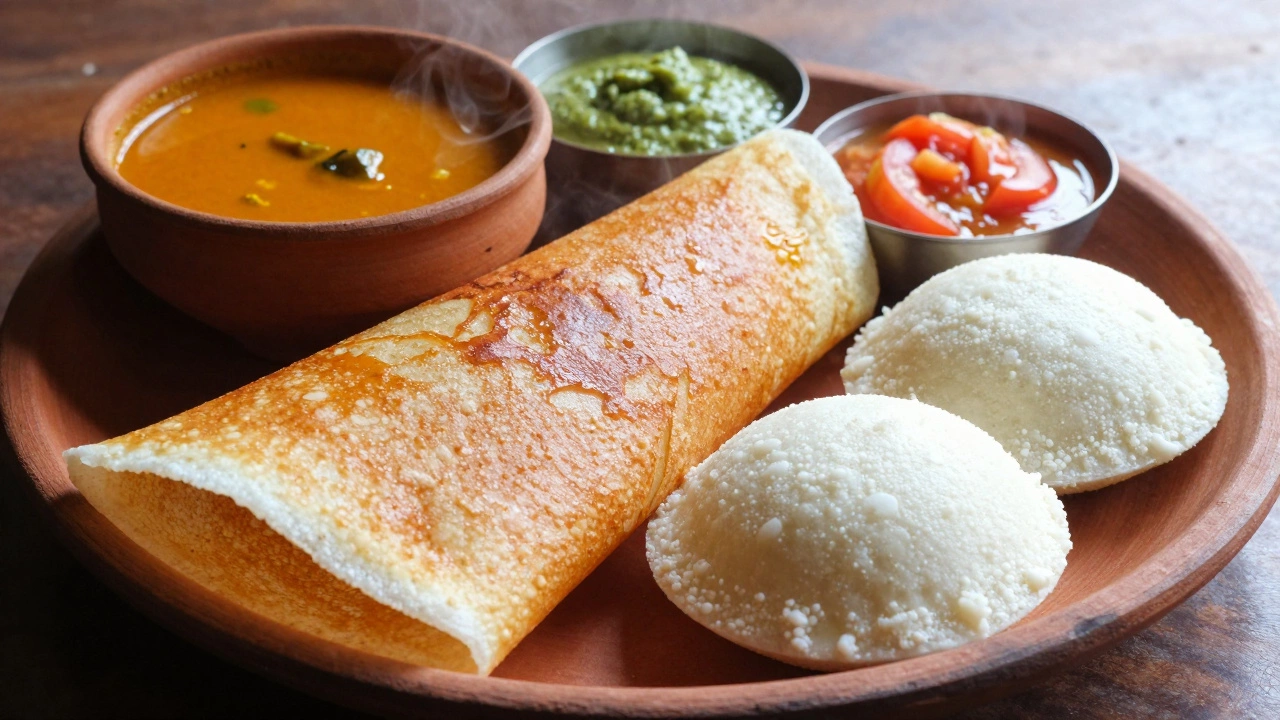
If you have heard of Indian breakfast before, it was probably Dosa, a thin, crispy crepe made from a fermented batter of rice and black gram lentils. The South Indian breakfast scene is arguably the most famous globally, and for good reason. It relies on fermentation, a process that breaks down starches, making the food easier to digest and giving it a distinct tangy flavor.
Idli, steamed cakes made from the same fermented rice-lentil batter as dosa, are the gentle counterpart to the crunchy dosa. They are soft, fluffy, and neutral in taste, acting as a perfect vehicle for chutneys and sambar. Sambar itself is a complex lentil stew flavored with tamarind and a specific spice blend called sambar powder. It is sour, spicy, and deeply comforting.
But there is more than just idli and dosa. Consider Uttapam, a thick, savory pancake topped with onions, tomatoes, and chilies. Think of it as an Indian pizza for breakfast. Or try Pongal, a creamy porridge made from rice and moong dal, tempered with black pepper, cumin, and cashews. Pongal is rich and buttery, often eaten during festivals or when you need energy after a long night. The key to these dishes is the accompaniment: coconut chutney, tomato chutney, and ginger chutney add layers of texture and heat.
The Northern Comfort: Wheat, Ghee, and Heat
Move north of the Vindhya range, and the menu changes dramatically. Rice gives way to wheat, and fermentation gives way to roasting and frying. The North Indian breakfast is heavier, designed to keep you full through colder mornings and longer workdays.
The undisputed champion here is Paratha, a layered flatbread made from whole wheat dough, often stuffed with potatoes, paneer, or cauliflower. Making a paratha is an art form. The dough must be kneaded with care, rolled out thinly, brushed with ghee (clarified butter), folded, and rolled again. When cooked on a hot griddle with more ghee, it becomes flaky, golden, and incredibly satisfying.
Aloo Paratha (potato-stuffed) is the classic choice. The filling is spiced with cumin, coriander, green chilies, and amchur (dry mango powder). It is traditionally served with a bowl of dahi (yogurt) and pickles. The yogurt cuts the richness of the ghee, while the pickle adds a sharp, acidic kick. Another popular option is Puri Bhaji, deep-fried puffed bread served with spiced potato curry. This is usually a weekend treat rather than a daily staple because of the effort involved in deep-frying puris until they puff up like little balloons.
The Eastern Twist: Fish, Rice, and Pickles
In states like West Bengal and Odisha, breakfast is lighter but no less flavorful. The cuisine here is influenced by both Mughal traditions and local Bengali preferences for subtle sweetness and heat.
Poha, flattened rice flakes sautéed with mustard seeds, turmeric, peanuts, and fried onions, is a staple across central and eastern India. It is quick to make, healthy, and surprisingly delicious. The contrast between the soft rice flakes and the crunchy peanuts is addictive. In Bengal, however, you might find Chingri Pao Bhaji, shrimp curry served with toasted bread, or simply boiled eggs with a side of spicy fish curry. Yes, fish for breakfast is common in coastal areas.
Another unique dish is Luchi Cholar Dal, deep-fried white flour balls served with sweet-savory chickpea lentil soup. Luchis are similar to puris but made from maida (refined flour), making them softer and less chewy. The cholay dal is cooked with jaggery (unrefined cane sugar), giving it a distinctive sweet-and-salty profile that defines Bengali cooking.
The Western Spice: Savory Pancakes and Breads
Gujarat and Maharashtra offer a mix of vegetarian indulgence and street-food efficiency. Gujarati breakfasts are known for their balance of sweet, salty, sour, and bitter flavors.
Thepla, a thin, spiced flatbread made with fenugreek leaves (methi), is a traveler’s best friend. Methi adds a slightly bitter note that pairs well with the warmth of red chili powder and turmeric. Thepla stays fresh for days, making it ideal for road trips. It is eaten with milk, curd, or pickle.
In Mumbai, the city that never sleeps, breakfast often means Vada Pav, a spicy potato fritter sandwiched in a bread roll with chutneys. Originally created as a cheap, quick meal for factory workers, it has become a global icon of Indian street food. The vada is deep-fried until crispy outside and soft inside, then slathered with garlic chutney, tamarind chutney, and green chili paste. It is messy, greasy, and absolutely irresistible.
Maharashtra also offers Misal Pav, a spicy curry made from sprouted legumes, topped with farsan (crunchy snacks) and pav (bread rolls). Misal is intense. It is fiery hot, loaded with textures, and serves as a complete meal in itself. If you can handle spice, this is one of the most rewarding breakfasts you will ever eat.
The Quick & Easy: Weekday Warriors
Not every morning allows for hours of preparation. For busy weekdays, Indian households rely on quick, nutritious options that still taste homemade.
- Poha: As mentioned earlier, flattened rice cooks in under five minutes. Add peas, carrots, and lemon juice for extra nutrition.
- Upma: Semolina (suji) roasted with mustard seeds, curry leaves, and vegetables. It is creamy, filling, and versatile. You can add almost any vegetable to upma.
- Rava Dosa: A quicker version of the traditional dosa, made from semolina instead of fermented batter. It is lacy, crisp, and ready in half the time.
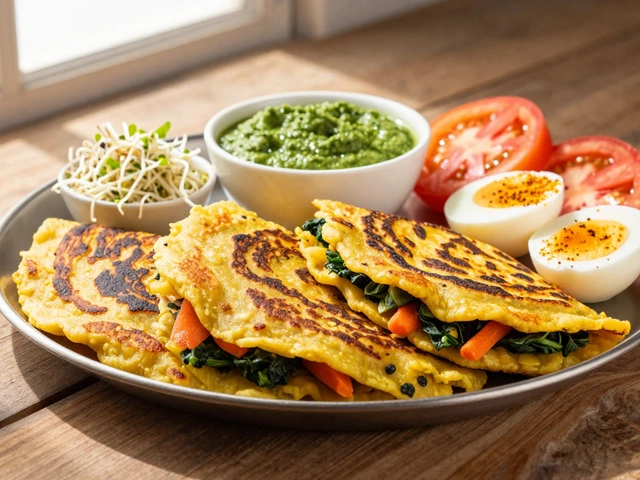
- Cheela: Made from besan (gram flour), these savory pancakes are high in protein. You can add spinach, grated carrot, or onion to the batter for added flavor.
How to Choose Your Favorite
Deciding what is the "tastiest" depends on your personal preference. Do you like crunch? Go for Dosa or Vada Pav. Do you prefer soft and fluffy? Try Idli or Puri. Are you looking for something spicy and intense? Misal Pav or Chana Masala with toast will hit the spot. Want something mild and comforting? Pongal or Upma are your best bets.
The beauty of Indian breakfast lies in its variety. There is no wrong choice, only different journeys. Each dish tells a story of its region, its ingredients, and its people. So, the next time you sit down for breakfast, think about where your flavors come from. And better yet, try making one of these dishes yourself. The process is half the fun.
| Dish | Region | Main Ingredient | Prep Time | Flavor Profile |
|---|---|---|---|---|
| Dosa | South | Rice & Lentils | Medium (fermentation required) | Tangy, Crispy |
| Paratha | North | Wheat Flour | Medium | Rich, Buttery, Spicy |
| Vada Pav | West | Potato & Bread | Quick | Spicy, Savory |
| Poha | Central/East | Flattened Rice | Very Quick | Light, Tangy |
| Luchi Chola | East | Refined Flour & Chickpeas | Long | Sweet-Savory, Soft |
Pro Tips for Cooking Indian Breakfast at Home
Trying to recreate these dishes at home? Here are some practical tips to ensure success.
- Invest in Good Ghee: Many North Indian dishes rely on ghee for flavor. Use pure cow ghee if possible; it makes a noticeable difference in parathas and puris.
- Fermentation Takes Time: For dosas and idlis, the batter needs to ferment for 8-12 hours. In colder climates, place the jar in a warm oven with the light on to encourage rising.
- Tempering is Key: Most Indian dishes start with tempering (tadka)-frying spices like mustard seeds, cumin, and curry leaves in oil or ghee. This releases essential oils and builds the base flavor.
- Balance Your Chutneys: Never serve dosas or idlis without chutney. Make a simple coconut chutney and a spicy tomato chutney to cover all bases.
- Don’t Skip the Pickle: A small spoonful of mango or lime pickle adds acidity and crunch that balances rich, oily dishes like parathas and vadas.
Conclusion: Taste is Personal
There is no single tastiest breakfast in India. There is only the breakfast that resonates with your palate today. Whether you are craving the crisp snap of a dosa, the warm hug of a paratha, or the fiery punch of misal, Indian cuisine has something for everyone. Start with one dish, master it, and then move on to the next. Your journey through Indian breakfasts is just beginning.
What is the most popular breakfast in India?
While popularity varies by region, Dosa and Idli are widely considered the most iconic and popular Indian breakfast items globally due to their vegetarian nature and widespread availability. In urban centers like Mumbai, Vada Pav is extremely popular as a quick street food option.
Is Indian breakfast healthy?
Many traditional Indian breakfasts are quite healthy. Dishes like Idli, Dosa, and Poha are low in fat and easy to digest. Cheela (gram flour pancakes) is high in protein. However, fried items like Puri and Vada are higher in calories and should be consumed in moderation.
Can I make Indian breakfast without fermentation?
Yes! Many Indian breakfasts do not require fermentation. Upma, Poha, Thepla, and Cheela can be made quickly without waiting for batter to rise. These are great options for weekday mornings when time is short.
What is the difference between Dosa and Uttapam?
Both are made from the same fermented rice-lentil batter. Dosa is spread thin and crispy, while Uttapam is thicker and topped with vegetables like onions, tomatoes, and chilies before cooking. Uttapam is essentially a savory pancake.
Where can I find authentic Indian breakfast outside India?
Look for restaurants specializing in South Indian cuisine for authentic Dosa and Idli. For North Indian options like Paratha, search for places labeled "North Indian" or "Delhi-style." Many modern cafes now offer fusion versions, such as Masala Dosa wraps or Vada Pav burgers, which are convenient but less traditional.