Spice Swap Simulator
Stuck with the wrong spice jar? Find out if you can swap them and how to fix the flavor.
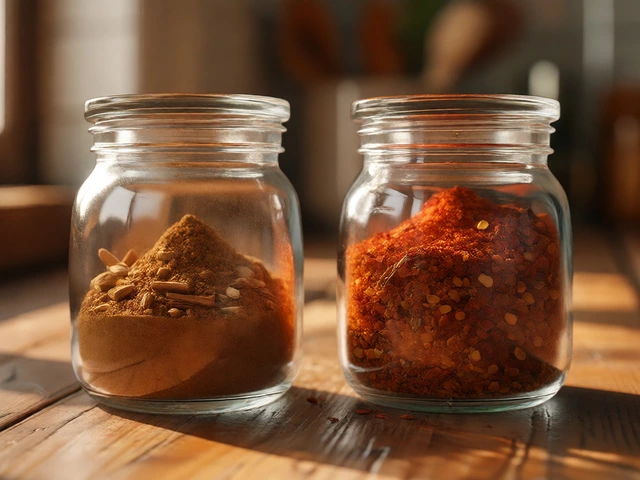
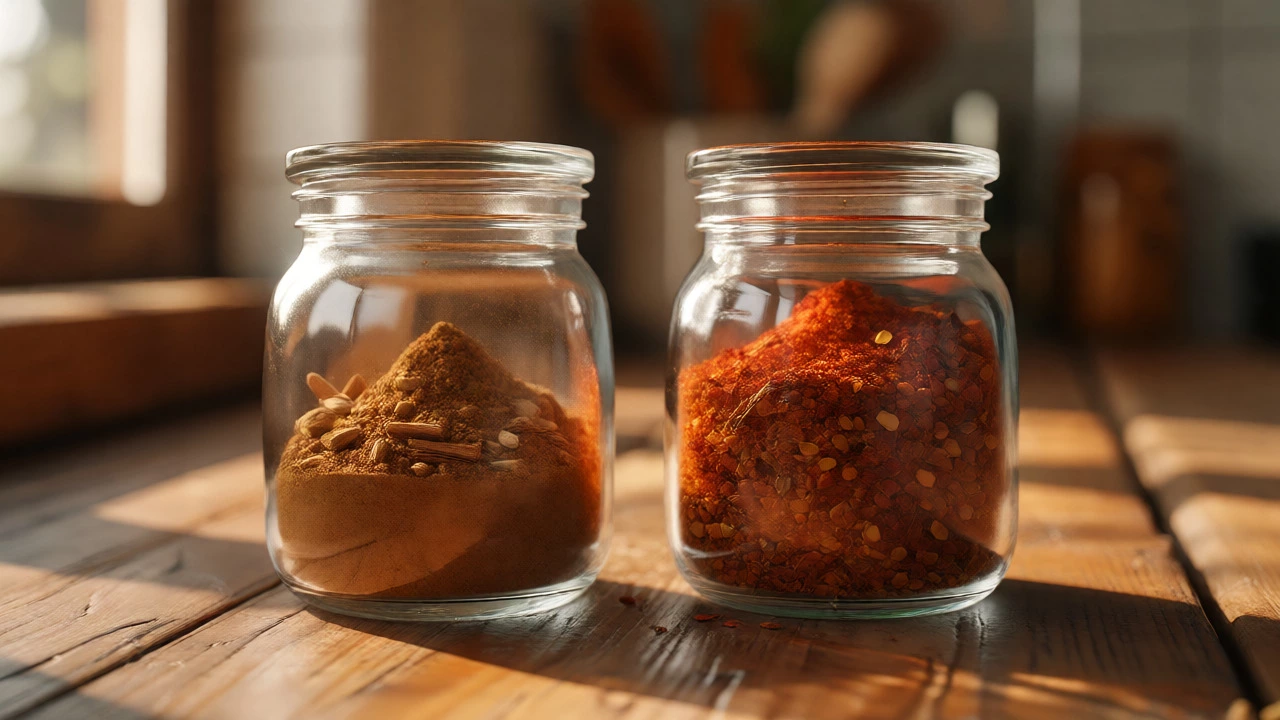
- Garam Masala: Warm, aromatic, mild. Add at the end of cooking.
- Tandoori Masala: Tangy, spicy, red/orange. Use for marinating before grilling.
You are standing in the spice aisle, holding two jars. One says garam masala. The other says tandoori masala. You want to make that fiery, charred chicken you saw on Instagram, but you only have one of these jars. Can you swap them? Will your dinner taste like a mistake or a masterpiece?
The short answer is no, they are not the same. While both belong to the world of Indian cuisine and share some common DNA, they serve completely different roles in your kitchen. Confusing them is like confusing salt with pepper-both season food, but using the wrong one ruins the dish. Let’s break down exactly what makes each unique, so you never mess up your curry or your grill again.
What Exactly Is Garam Masala?
Garam Masala is a warm spice blend typically added at the end of cooking to preserve its aroma. The word "garam" means hot or warm in Hindi, referring to the heating properties of the spices in Ayurvedic medicine, not necessarily their spiciness. It does not usually contain chili powder, which is why it won’t burn your tongue.
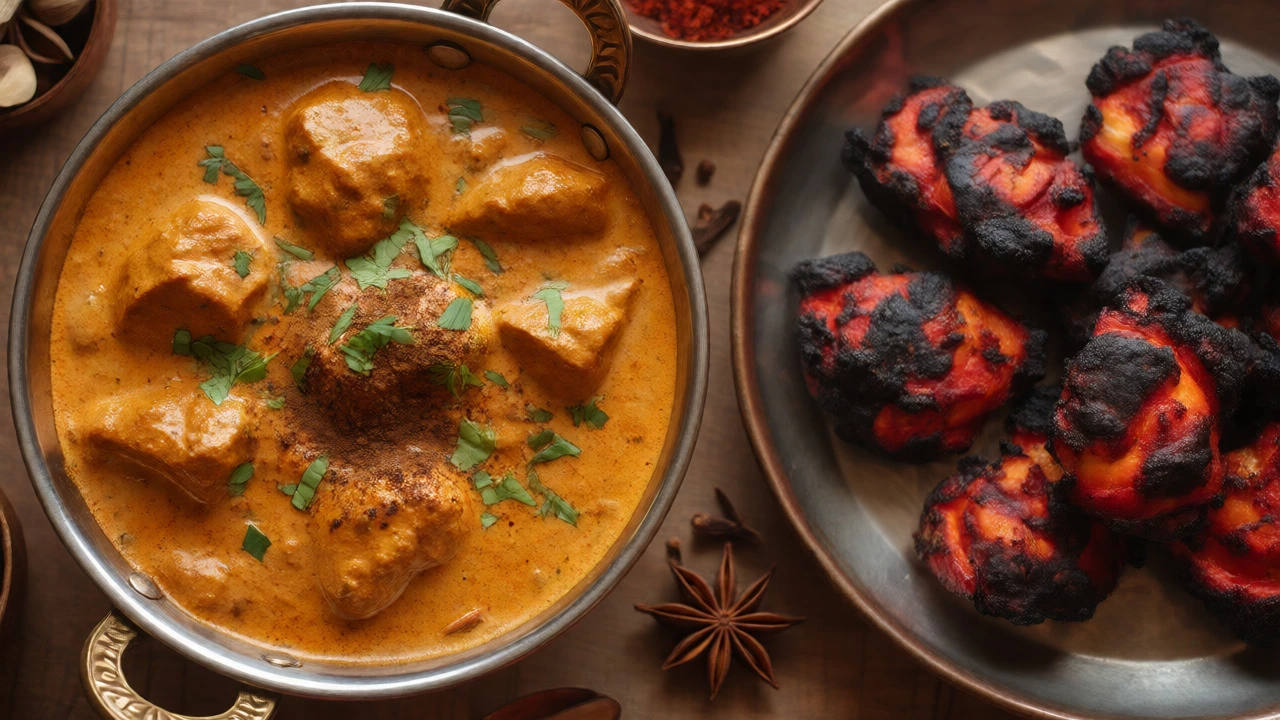
This blend is the backbone of many North Indian curries, dal dishes, and vegetable stir-fries. It’s subtle. It’s aromatic. Think of it as the finishing touch that ties a dish together. If you add garam masala too early, the delicate oils evaporate, and you lose that signature fragrance. That’s why chefs sprinkle it over finished butter chicken or palak paneer just before serving.
A typical homemade garam masala includes:
- Cinnamon sticks
- Green cardamom pods
- Black peppercorns
- Cloves
- Bay leaves
- Nutmeg (sometimes)
Decoding Tandoori Masala
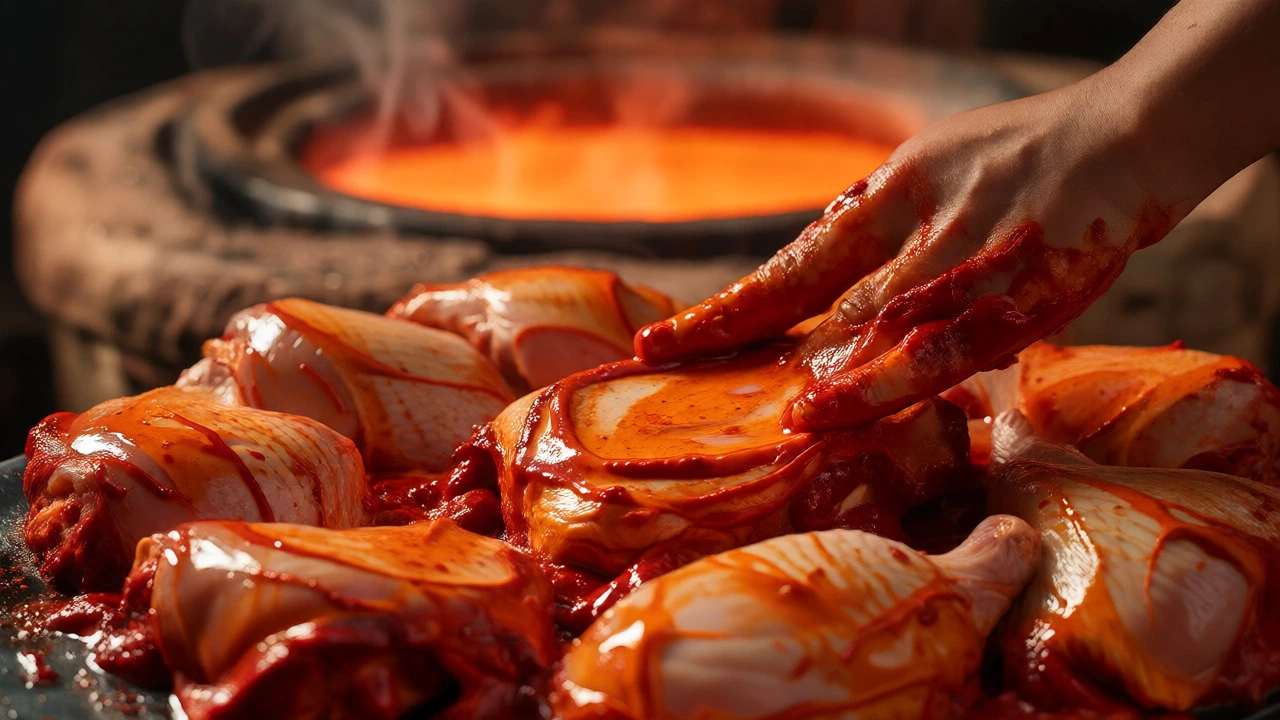
Now, look at Tandoori Masala. This is a vibrant, reddish-orange spice mix designed specifically for marinating meats before high-heat grilling. Unlike garam masala, this blend is bold, tangy, and visually striking. The bright red color often comes from Kashmiri chili powder or food coloring, while the tang comes from dried ginger and garlic powders.
Tandoori masala is built for the tandoor oven-a cylindrical clay oven used in traditional Indian cooking. But you don’t need a clay oven to use it. A regular gas grill or even an oven set to high heat works fine if you marinate properly. The goal here isn’t just flavor; it’s texture. The marinade helps form that iconic charred crust on chicken tikka or seekh kebabs.
Key ingredients in most commercial tandoori mixes include:
- Kashmiri red chili powder (for color, mild heat)
- Dried fenugreek leaves (kasuri methi)
- Cumin seeds
- Coriander powder
- Garlic and ginger powder
- Salt
The Core Differences: Why They Aren’t Interchangeable
So, why can’t you just dump garam masala on your chicken and call it tandoori? Because the chemistry is different. Garam masala lacks the acidity and the specific binding agents needed to create a thick marinade that clings to meat under high heat. Tandoori masala, conversely, lacks the subtle warmth required to finish a creamy curry without overpowering it.
| Feature | Garam Masala | Tandoori Masala |
|---|---|---|
| Primary Use | Finishing curries, dals, and stews | Marinating meats for grilling or roasting |
| Color | Brown to dark beige | Vibrant orange-red |
| Heat Level | Mild (warmth, not burn) | Moderate to Hot (depends on chili content) |
| Timing | Add at the end of cooking | Add during marination (hours before cooking) |
| Base Ingredients | Cinnamon, cardamom, cloves, pepper | Chili, cumin, coriander, garlic, ginger |
Can You Substitute One for the Other?
If you’re in a pinch, yes, but with caveats. If you have tandoori masala but want to make a curry, use half the amount called for in the recipe. The chili and garlic notes will change the profile, making it taste more like a restaurant-style gravy than a home-cooked comfort dish. It might actually be delicious, just different.
If you have garam masala but want to make tandoori chicken, you’ll miss out on the color and the tang. Your chicken will taste good, but it won’t look like tandoori chicken. To fix this, add extra paprika or Kashmiri chili powder for color, and squeeze in some lemon juice to mimic the tanginess usually provided by yogurt-based marinades combined with tandoori spices.
How to Make Your Own Blends at Home
Store-bought blends are convenient, but they often lose potency after opening. Making your own takes ten minutes and tastes significantly better. Here’s how to do it right.
Quick Homemade Garam Masala
- Toast 2 tbsp cumin seeds, 1 tbsp coriander seeds, and 1 tsp black peppercorns in a dry pan until fragrant.
- Add 4 green cardamom pods, 4 cloves, and a small cinnamon stick. Toast for another minute.
- Let cool completely, then grind into a fine powder using a spice grinder.
- Store in an airtight jar away from sunlight.
Basic Tandoori Masala Mix
- Mix 2 tbsp Kashmiri chili powder (mild), 1 tbsp cumin powder, and 1 tbsp coriander powder.
- Add 1 tsp dried ginger powder, 1 tsp garlic powder, and 1 tsp salt.
- Include 1 tsp dried fenugreek leaves (crushed) for that authentic earthy note.
- Optional: Add ½ tsp turmeric for extra color depth.
Pro Tips for Using These Spices
Spices are volatile compounds. Heat kills them. Light fades them. Air oxidizes them. Treat them like fresh herbs, not dusty relics.
First, always bloom your spices. When adding garam masala to a curry, don’t just dump it in. Stir it into hot oil or ghee for 30 seconds before adding liquid. This releases the essential oils. For tandoori masala, mix it with yogurt and lemon juice first. The acid helps penetrate the meat fibers, ensuring the flavor goes deep rather than sitting on the surface.
Second, check the expiration date. Ground spices lose about 50% of their flavor potential within six months of grinding. If your garam masala smells flat when you open the jar, toss it. No amount of cooking time will bring back the aroma.
Common Mistakes Home Cooks Make
The biggest error is treating all Indian spices as interchangeable. Another common issue is over-marinating with tandoori masala. If you leave chicken in a heavy tandoori marinade for more than 24 hours, the acid can start breaking down the protein too much, resulting in a mushy texture. Aim for 4 to 6 hours for best results.
With garam masala, the mistake is adding it too early. If you throw it in with onions and garlic at the start of sautéing, it burns. Burnt spices taste bitter and acrid. Save it for the final five minutes of simmering.
Is garam masala spicy?
Not really. While it contains black pepper, which has some heat, garam masala is primarily aromatic and warming rather than hot. It is much milder than chili-based blends like tandoori masala or sambar powder.
Can I use tandoori masala in place of garam masala in a curry?
You can, but the result will be different. Tandoori masala has strong notes of garlic, ginger, and chili, which will alter the flavor profile of a traditional curry. Use half the amount to avoid overpowering the dish, and expect a more robust, tangy taste.
Why is my tandoori chicken not red?
Authentic tandoori red comes from Kashmiri chili powder, which provides color without extreme heat. Many home cooks use standard cayenne, which adds heat but less color. Some restaurants also use a tiny bit of red food coloring for visual appeal, though natural Kashmiri chili is preferred for health-conscious cooks.
How long do these spice blends last?
Ground spice blends retain optimal flavor for 3 to 6 months if stored in airtight containers away from light and heat. After 6 months, they don’t spoil, but they become bland. Whole spices last much longer, up to 1-2 years, which is why grinding your own is recommended.
Is tandoori masala vegan?
Yes, pure tandoori masala is plant-based. However, always check the label on store-bought versions. Some cheap brands may add anti-caking agents or fillers that aren’t strictly vegan, though this is rare. Homemade blends are naturally vegan.