Biryani Rice Selector Tool
Select your preferred biryani style below to get a personalized rice recommendation, preparation tips, and cooking secrets.
Hyderabadi Dum
Rich, spicy, layered with raw meat, sealed pot cooking.
Lucknowi (Kacchi)
Subtle flavors, slow-cooked, elegant presentation.
Kolkata Style
Mild spices, includes potatoes, softer texture.
Everyday Home
Quick, reliable, balanced flavor for daily meals.
✅ Your Perfect Match:
Key Specs
- Origin:
- Texture:
- Expansion:
- Aroma:
Preparation Checklist
Washing
Rinse until water runs clear. Gentle swirling only—don't scrub!
Soaking
Soak in cold water for 30-45 minutes. Drain thoroughly before boiling.
Boiling
Use plenty of water. Cook only until 70% done (slight bite remains). Drain immediately.
There is nothing quite as disappointing as opening a pot of biryani to find mushy, clumped grains that have lost their shape. You spent hours marinating the meat, tempering the spices, and layering the flavors, only for the foundation-the rice-to fail. The secret to restaurant-quality biryani isn't just in the masala; it is entirely dependent on choosing the right rice for biryani. If you use the wrong variety, even the most expensive saffron and tenderest cuts of lamb cannot save the dish.
Selecting the correct rice is not about picking the most expensive brand off the shelf. It is about understanding grain structure, age, and how different varieties react to heat and water. Whether you are making the slow-cooked Dum style from Hyderabad or the quick Kacchi style from Lucknow, the physics of the grain remains the same. Let’s break down exactly what makes a grain suitable for this iconic dish and how to pick the perfect bag every time.
Why Basmati Is Non-Negotiable
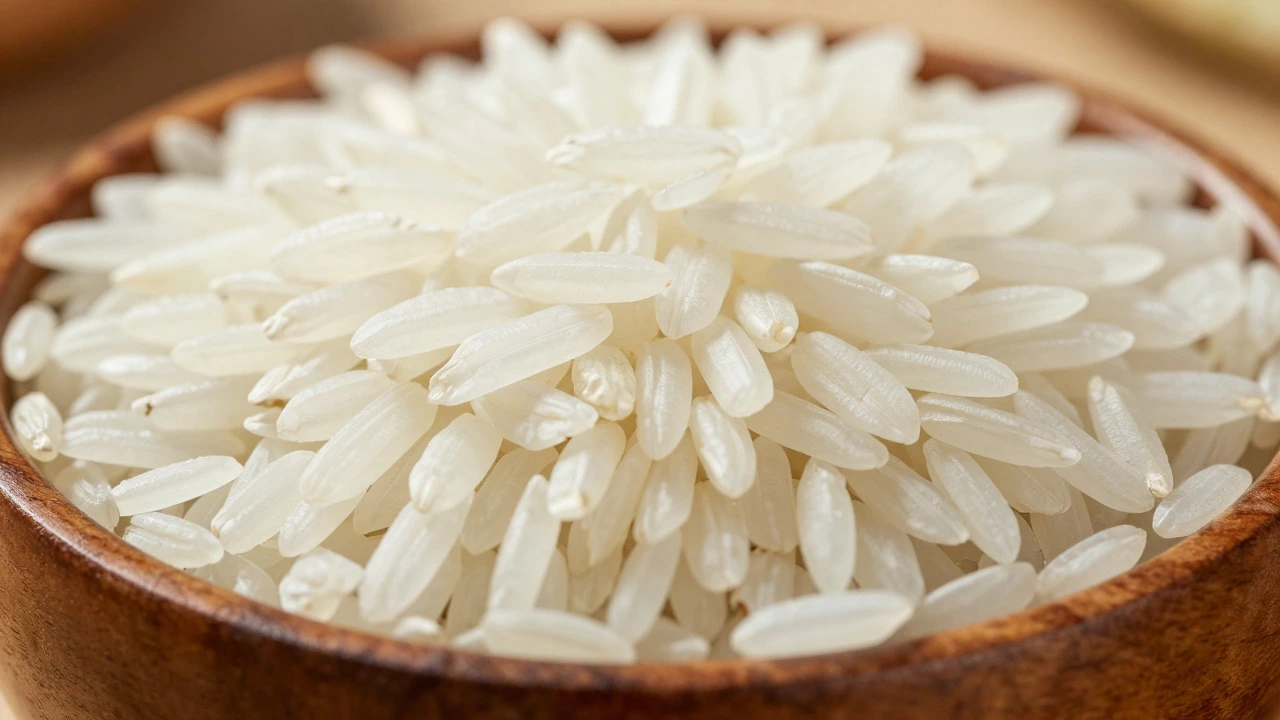
If you have ever wondered why Indian cooks insist on one specific type of grain, the answer lies in the unique properties of Basmati rice, which is a fragrant, long-grain rice variety native to the Himalayan foothills. Unlike short-grain varieties like Arborio or Sushi rice, which are bred to release starch and become creamy or sticky, Basmati is designed to stay separate. Its elongated grains swell lengthwise rather than widthwise when cooked, preventing them from sticking together into a glue-like mass.
The magic of Basmati comes from its low amylopectin content. Amylopectin is the branched-chain starch molecule responsible for stickiness. Basmati has high amylose (linear starch) and low amylopectin. This chemical composition ensures that when the grains absorb water and expand, they remain distinct individuals. For biryani, where each grain must be coated in spice but not fused to its neighbor, this separation is critical. Using Jasmine rice, another aromatic variety, might seem like a logical substitute, but Jasmine has higher amylopectin levels. It will turn soft and slightly clingy under the heavy steam of a dum cooking process, ruining the texture.
The Importance of Grain Length and Age
Not all Basmati is created equal. When shopping, you will see terms like "Extra Long Grain" or "Aged." These are not marketing gimmicks; they are quality indicators that directly impact your biryani's success.
- Grain Length: Look for grains that are at least 7mm long before cooking. Premium varieties can reach 8mm or more. Longer grains have a better surface-area-to-volume ratio, allowing them to absorb the marinade and spices more evenly while maintaining structural integrity. Shorter grains tend to break during the vigorous stirring required in some biryani methods.
- Aging Process: Freshly harvested rice contains too much moisture. It breaks easily and becomes gummy. Aged Basmati, stored in breathable jute sacks for 12 to 24 months, loses excess moisture. This drying process hardens the outer shell slightly, making the grain tougher and less prone to shattering. Aged rice also develops a deeper, nuttier aroma compared to fresh harvests. Always check the packaging for an "aged" label or a harvest date from the previous year.
When you cook aged, extra-long grain Basmati, the result is a dramatic transformation. The grains can double or even triple in length without breaking. This visual appeal is a hallmark of professional biryani. If your cooked rice looks stubby and broken, you likely used fresh or short-grain stock.
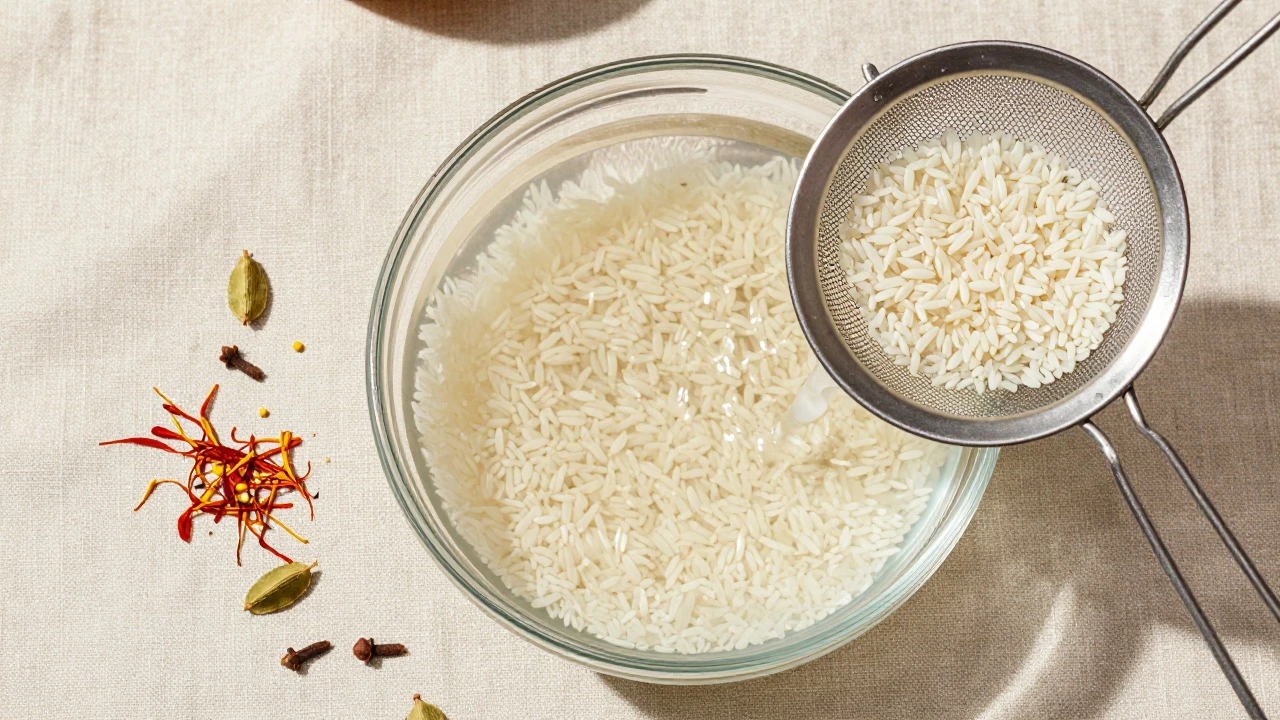
Top Varieties for Different Biryani Styles
While standard Basmati works for most home recipes, specific regional styles demand specific characteristics. Understanding these nuances helps you tailor your ingredient list to the dish you are preparing.
| Variety Name | Origin | Best For | Key Characteristic |
|---|---|---|---|
| Super Kernel / Super Basmati | India/Pakistan | Lucknowi & Hyderabadi Dum | Extreme length expansion (3x), very firm texture |
| Rajma Basmati | India | Kolkata Biryani | Slightly softer, absorbs potato flavors well |
| Pusa Basmati 1121 | India | Everyday Home Cooking | Balanced aroma and price, reliable consistency |
| Deccan Sella | India | Quick Paratha/Biryani mixes | Parboiled, retains nutrients, very non-sticky |
Super Kernel is often considered the gold standard for festive occasions. Brands like India Gate Super Kernel or Lal Quila Super offer grains that are exceptionally long and resilient. They withstand the high heat of the initial boil and the prolonged steaming of the dum phase without turning to mush. This variety is ideal if you are making a layered biryani where the rice sits on top of raw or partially cooked meat.
Rajma Basmati is a traditional choice in West Bengal and Odisha. It has a slightly different grain structure that pairs beautifully with the potatoes and mild spices found in Kolkata-style biryani. If you prefer a softer, more comforting texture over the al dente snap of Super Kernel, this is your go-to.
Common Mistakes When Choosing Rice
Even experienced cooks make errors in the selection phase. Avoid these pitfalls to ensure your next batch turns out perfectly.
- Buying Broken Rice: Some packages contain a mix of whole and broken grains. While broken rice is excellent for pulao or risotto-style dishes, it releases too much starch for biryani. Always shake the bag gently to check for dust or fragments at the bottom. Pure whole grain is essential.
- Ignoring the Harvest Date: As mentioned, aging is crucial. If the bag says "New Crop," put it back unless you plan to store it yourself for a year. New crop rice is fragile and will disintegrate under pressure.
- Confusing Parboiled with Raw: Parboiled (or Sella) rice is pre-steamed in the husk. It is yellowish and very hard. While it doesn't stick, it lacks the delicate aroma and fluffiness required for authentic biryani. Stick to raw, unpolished Basmati for the best flavor profile.
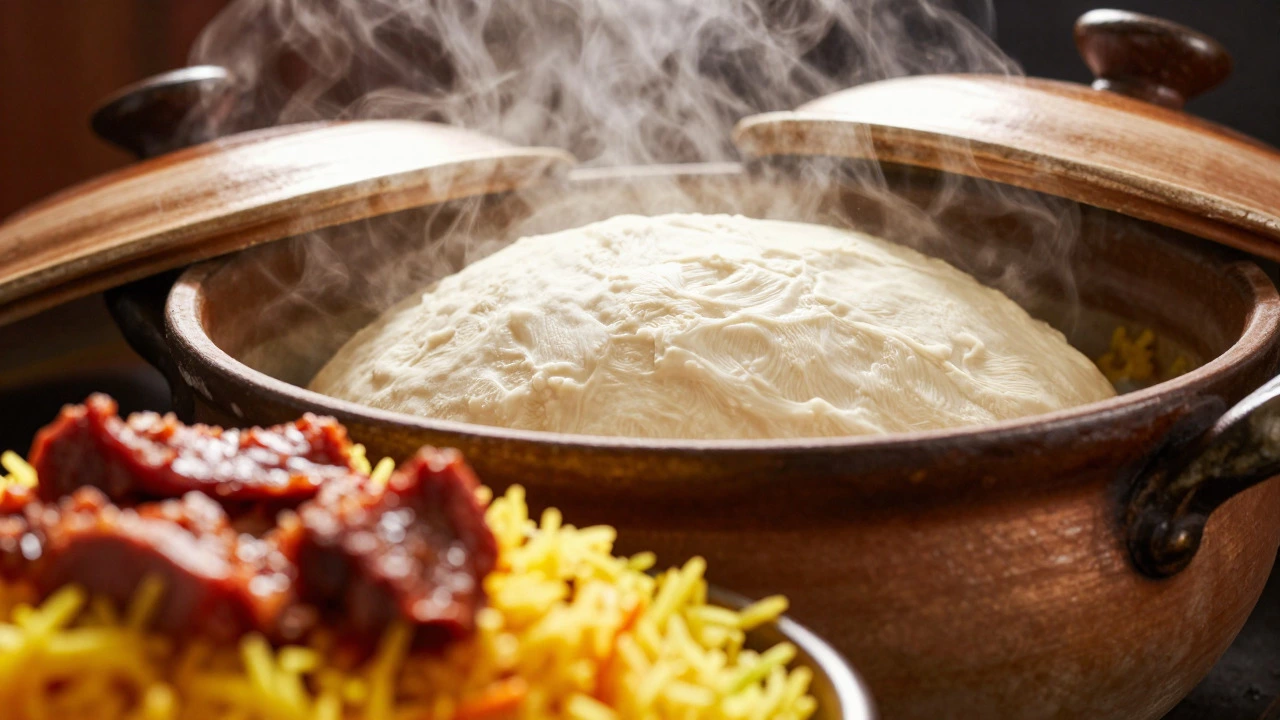
Preparation Techniques That Enhance Rice Quality
Choosing the right rice is only half the battle. How you treat it before cooking determines the final texture. Even the best Super Kernel will fail if mishandled.
Washing: Rinse the rice until the water runs clear. This removes surface starch that causes clumping. However, do not scrub aggressively. Gentle swirling is enough. Over-washing can remove natural oils that contribute to aroma.
Soaking: Soak the washed rice in cold water for 30 to 45 minutes. This allows the grains to absorb water uniformly, reducing the cooking time and ensuring even expansion. Drain thoroughly before boiling. Skipping this step leads to uneven cooking, where some grains are hard and others are mushy.
Boiling Water Ratio: Use plenty of water-enough to cover the rice by several inches. Think of it like pasta. The rice should never touch the bottom of the pot in a way that causes scorching. Once the grains are 70% cooked (still have a slight bite), drain immediately. Do not let them finish cooking in the water. The final 30% happens during the dum (steaming) stage.
Frequently Asked Questions
Can I use Jasmine rice instead of Basmati for biryani?
It is not recommended. While Jasmine rice is fragrant, it has a higher amylopectin content, making it softer and stickier when cooked. Biryani requires grains that remain separate and firm. Jasmine rice will likely result in a mushy texture that lacks the distinct grain separation characteristic of authentic biryani.
What is the difference between aged and new crop Basmati rice?
Aged Basmati has been stored for 12-24 months, losing moisture and becoming harder and more fragrant. It expands more and stays intact during cooking. New crop rice is moist, fragile, and prone to breaking. For biryani, aged rice is superior because it provides the desired fluffy, separate grains.
How long should I soak Basmati rice before making biryani?
Soak Basmati rice for 30 to 45 minutes in cold water. This ensures uniform water absorption, leading to even cooking and maximum grain elongation. Do not soak for longer than an hour, as the grains may become too soft and start to break apart.
Is parboiled rice good for biryani?
Parboiled rice is generally not used for traditional biryani. It has a yellowish color and a firmer, chewier texture that does not absorb spices as well as raw Basmati. While it won't stick, it lacks the aromatic quality and delicate mouthfeel expected in biryani. Stick to raw, aged Basmati for the best results.
Why does my biryani rice turn out mushy?
Mushy rice is usually caused by using fresh or short-grain rice, overcooking during the boiling stage, or not washing away excess starch. Ensure you use aged, long-grain Basmati, boil only until 70% done, and rinse thoroughly before cooking. Also, avoid stirring the rice vigorously during the dum phase.