Indian Street Food Explorer
Select a snack to reveal its profile
Snack Name
Description goes here.
Health & Experience
Note about health.
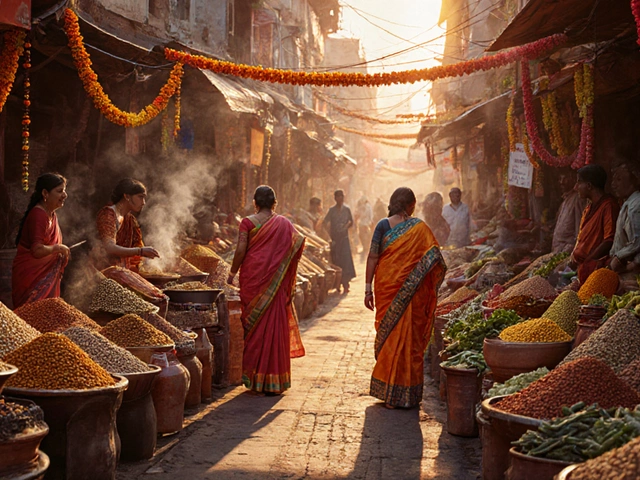
Walk down any busy street in Mumbai, Delhi, or Kolkata, and the air smells like cumin, chili, and frying oil. You aren't just smelling dinner; you are smelling the heartbeat of Indian snacking culture. When people ask which junk food is most eaten in India, they often imagine a single winner. But the reality is more colorful. It’s a battle between the crispy fried dumpling of the North and the spicy potato bun of the West.
If we look at sales volume and daily consumption across all twenty-eight states, one item stands tall: the samosa. However, calling it "junk food" feels slightly disrespectful to its status as a national staple. To understand what Indians actually eat when they want a quick, cheap, and delicious hit of flavor, we need to look beyond the label and into the streets.
The Undisputed Champion: Samosa
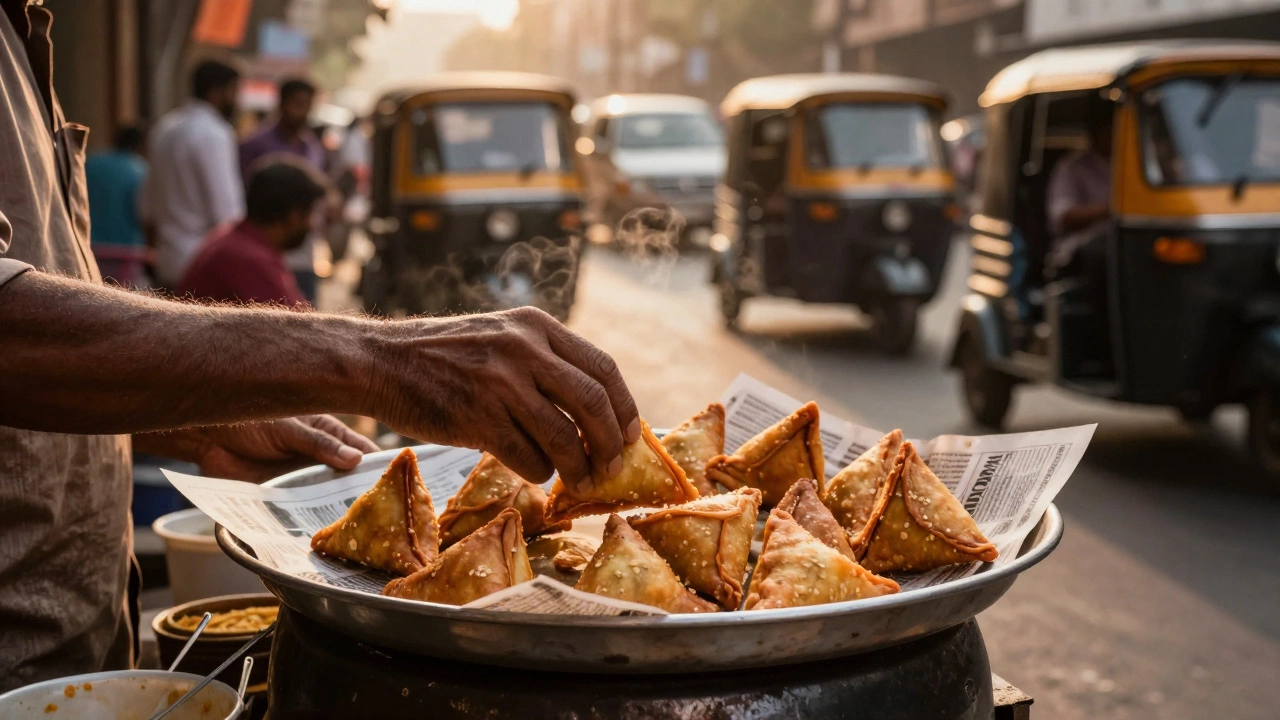
Samosa is a deep-fried pastry with a thin crust containing a savory filling, typically spiced potatoes, onions, peas, and sometimes lentils or minced meat. It is the most widely consumed snack in India, available from roadside carts to high-end cafes.
The samosa is everywhere. It is served with chai (tea) in the morning, as a mid-afternoon pick-me-up, and even as part of festive platters during Diwali. Its popularity comes from its versatility. In North India, the filling is usually alu-matar (potato and pea). In South India, you might find versions filled with rice or even sweet jaggery. In East India, mustard seeds and poppy seeds add a distinct pungency.
Why does it win? Price and portability. A single samosa costs between ₹10 and ₹20 (roughly $0.15-$0.30 USD), making it accessible to almost everyone. It requires no utensils. You can hold it in one hand while holding your tea in the other. This convenience has cemented its place as the country's number one snack.
The Western Powerhouse: Vada Pav
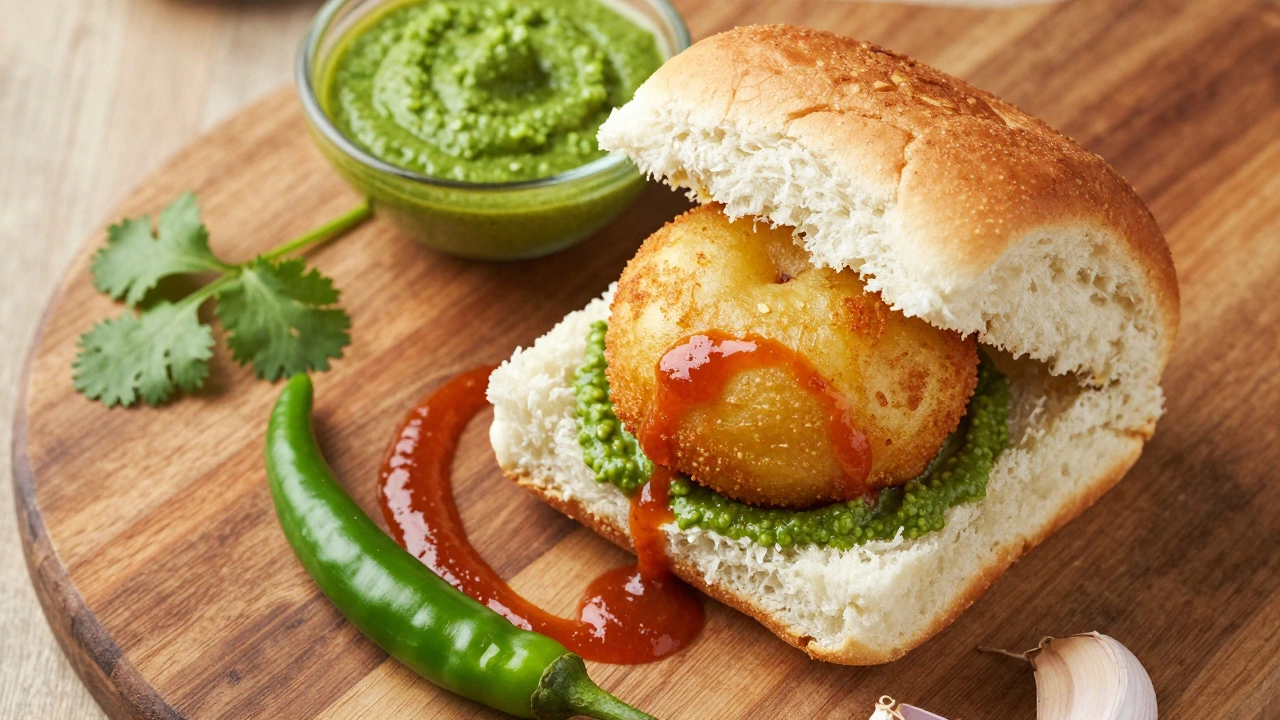
While the samosa rules the map nationally, Mumbai has its own king: the Vada Pav, often called the "Indian Burger." Originating in Mumbai in the 1960s, this snack consists of a deep-fried potato dumpling (vada) placed inside a soft bread bun (pav), accompanied by chutneys and a green chili.
Vada pav is not just food; it is fuel for the city that never sleeps. Construction workers, office goers, and students devour millions of these every day. The secret lies in the spice blend-garlic chutney, tamarind chutney, and raw garlic cloves create a flavor explosion that hits different notes on the tongue. Unlike the samosa, which is dry and crispy, vada pav is moist, messy, and intensely flavorful.
If you visit Mumbai and don’t try vada pav, you haven’t really visited. It is the second most consumed junk food in terms of regional intensity, though its reach is less uniform than the samosa’s nationwide presence.
The Social King: Pani Puri (Golgappa)
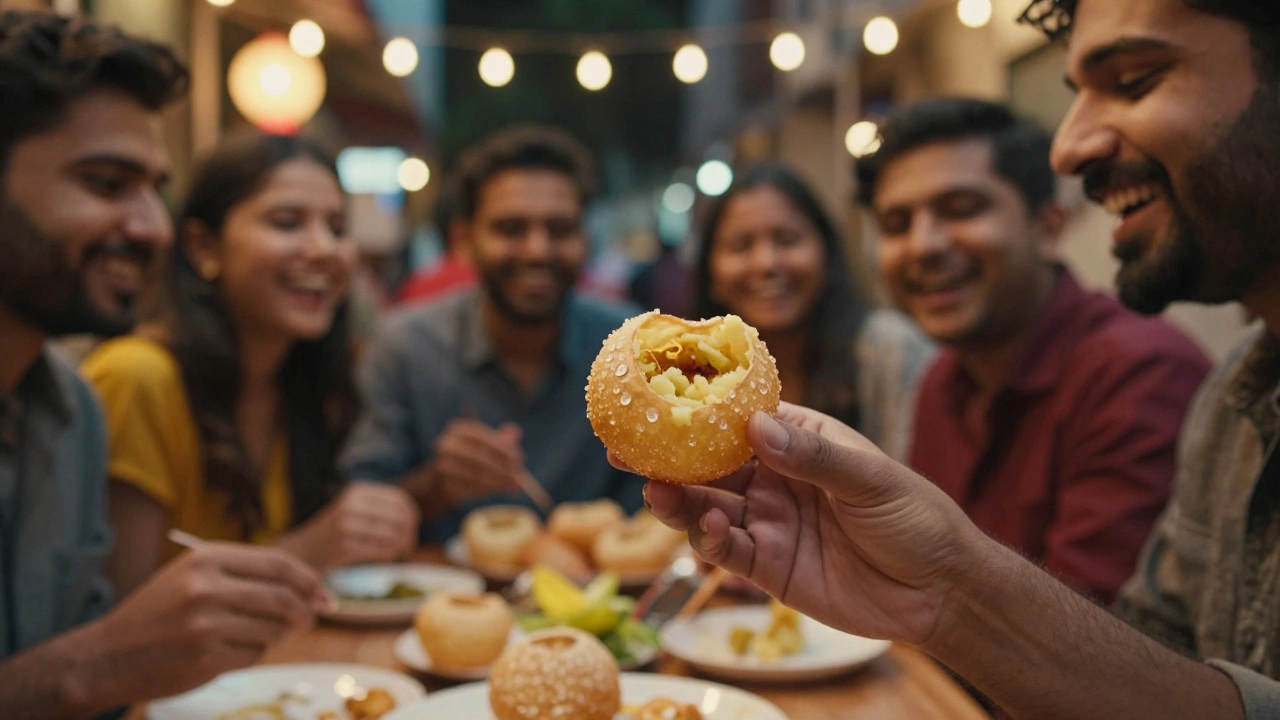
Some foods are meant to be eaten alone; others are meant to be shared. Pani Puri, known as Golgappa in the East and Puchka in Kolkata, falls into the latter category. It is a hollow, crisp fried sphere made of refined flour, broken open and filled with a mixture of flavored water (pani), tamarind chutney, and mashed potatoes or chickpeas.
Pani puri is unique because it is an experience rather than just a meal. The contrast between the crunchy shell, the soft filling, and the tangy, spicy water creates a sensory rush. It is the ultimate social snack, commonly found at family gatherings, weddings, and street corners where groups gather to chat.
Hygiene concerns often keep tourists away, but locals know how to spot a clean stall. The consumption rate is high, but it is often seasonal or event-driven compared to the daily habit of eating samosas or vada pav.
The North Indian Favorite: Bhel Puri
When you want something lighter but still crave the crunch, Bhel Puri takes the stage. This chaat dish mixes puffed rice, sev (crispy chickpea noodles), chopped onions, tomatoes, cilantro, and tamarind chutney. It is dry, crunchy, and tangy.
Bhel puri is particularly popular in Maharashtra and Gujarat. It serves as a perfect accompaniment to heavy meals or as a standalone snack. Because it uses puffed rice instead of deep-fried dough, some consider it a slightly healthier option among junk foods, though the calorie count from the sev and chutneys remains significant.
The Modern Contender: Biryani Rolls and Kebabs
In recent years, the definition of Indian junk food has expanded. With the rise of fast-food chains and modern street vendors, biryani rolls and seekh kebabs have gained massive traction. These items cater to younger demographics who want familiar flavors in convenient formats. While traditionalists stick to samosas, the urban youth increasingly opt for these protein-rich alternatives.
| Snack | Primary Region | Key Ingredients | Price Range (INR) | Best Paired With |
|---|---|---|---|---|
| Samosa | Nationwide | Potato, Peas, Wheat Flour | ₹10 - ₹20 | Chai (Tea) |
| Vada Pav | Maharashtra (Mumbai) | Spiced Potato, Bread Bun, Chutney | ₹10 - ₹25 | Green Chili |
| Pani Puri | All India (Regional names vary) | Crisp Shell, Spiced Water, Potato | ₹20 - ₹40 (for 10-12 pcs) | Friends/Social Gatherings |
| Bhel Puri | West India | Puffed Rice, Sev, Tamarind Chutney | ₹20 - ₹50 | Lemon Juice |
| Jalebi | All India | Batter, Sugar Syrup, Saffron | ₹20 - ₹40 | Rabri or Milk |
Why Do Indians Love Junk Food?
It isn't just about taste. Indian junk food is deeply embedded in social rituals. Eating samosas with colleagues after work is a bonding activity. Sharing pani puri with friends is a way to break the ice. The affordability means that economic barriers are low, allowing diverse populations to participate in the same culinary culture.
Furthermore, the use of spices like turmeric, cumin, and coriander adds functional benefits. While deep-frying adds unhealthy fats, the spices aid digestion and provide anti-inflammatory properties. This balance makes the occasional indulgence feel less guilty.
Health Considerations and Moderation
Despite the cultural love affair, these snacks are high in calories, sodium, and trans fats if prepared with reused oil. Health experts recommend limiting consumption to once or twice a week. Opting for homemade versions using air fryers or baking can reduce fat content significantly. For example, baked samosas retain the flavor profile without the heavy oil absorption.
Understanding which junk food is most eaten in India reveals more than just dietary habits; it shows how food connects people, bridges regions, and provides affordable joy in everyday life. Whether you prefer the crunch of a samosa or the messiness of vada pav, there is a place for you in this vibrant street food scene.
What is the number one junk food in India?
The samosa is widely considered the number one junk food in India due to its nationwide availability, affordability, and versatility. It is consumed across all age groups and regions, often paired with tea.
Is Vada Pav healthy?
Vada pav is not considered a healthy food option due to its deep-fried nature and high carbohydrate content. However, it provides quick energy. Moderation is key, and choosing stalls that use fresh oil can mitigate some health risks.
What is the difference between Pani Puri and Golgappa?
There is no significant difference in the food itself; the names vary by region. Pani Puri is commonly used in North and West India, while Golgappa is the preferred term in East India (Kolkata) and parts of South India.
How much does a typical street snack cost in India?
Prices vary by city and location. In metro cities like Mumbai or Delhi, a samosa may cost ₹15-₹20, while in smaller towns, it could be ₹10. Vada pav ranges from ₹10 to ₹25. Pani puri is usually sold in packs of 10-12 for ₹20-₹40.
Can I make healthy versions of Indian junk food at home?
Yes, you can bake samosas instead of frying them, use whole wheat flour for puris, and reduce sugar in chutneys. Air fryers are excellent for creating crispy textures with minimal oil, making snacks like bhel puri and vada healthier.
- Poplular Tags
- Indian junk food
- samosa
- vada pav
- pani puri
- street food India
- popular snacks