Indian Alcohol Guide & Legal Checker
Select a state or region in India to discover the local favorite drink and understand the specific alcohol laws you need to follow.
India does not have one single "national" alcoholic drink. Instead, it has a fragmented, vibrant, and legally complex landscape where the liquid you sip depends entirely on which state you are standing in. If you ask for a local favorite in Kerala, you will get a coconut-based spirit. In Punjab, it’s likely whiskey or rum. In Goa, it might be a tropical fruit brandy. This diversity makes India fascinating for travelers and foodies, but it can also be confusing if you don't know what to order.
The confusion often stems from the fact that alcohol regulation is a state subject in India. There is no federal law governing sales; each of the 28 states and 8 union territories sets its own rules on production, sale, pricing, and even drinking hours. Some states, like Gujarat and Bihar, are completely dry (prohibition states), while others, like Goa and Maharashtra, have relaxed norms and a thriving culture of pubs and breweries. Understanding this patchwork is key to navigating the Indian bar scene.
For those looking to explore other cultures or perhaps plan a trip that involves diverse social experiences, understanding local customs is always part of the journey. For instance, some travelers interested in global nightlife dynamics might look at resources like this directory to understand how different regions handle hospitality and companionship services, though such topics are quite distinct from culinary exploration.
The Big Three: Beer, Whiskey, and Rum
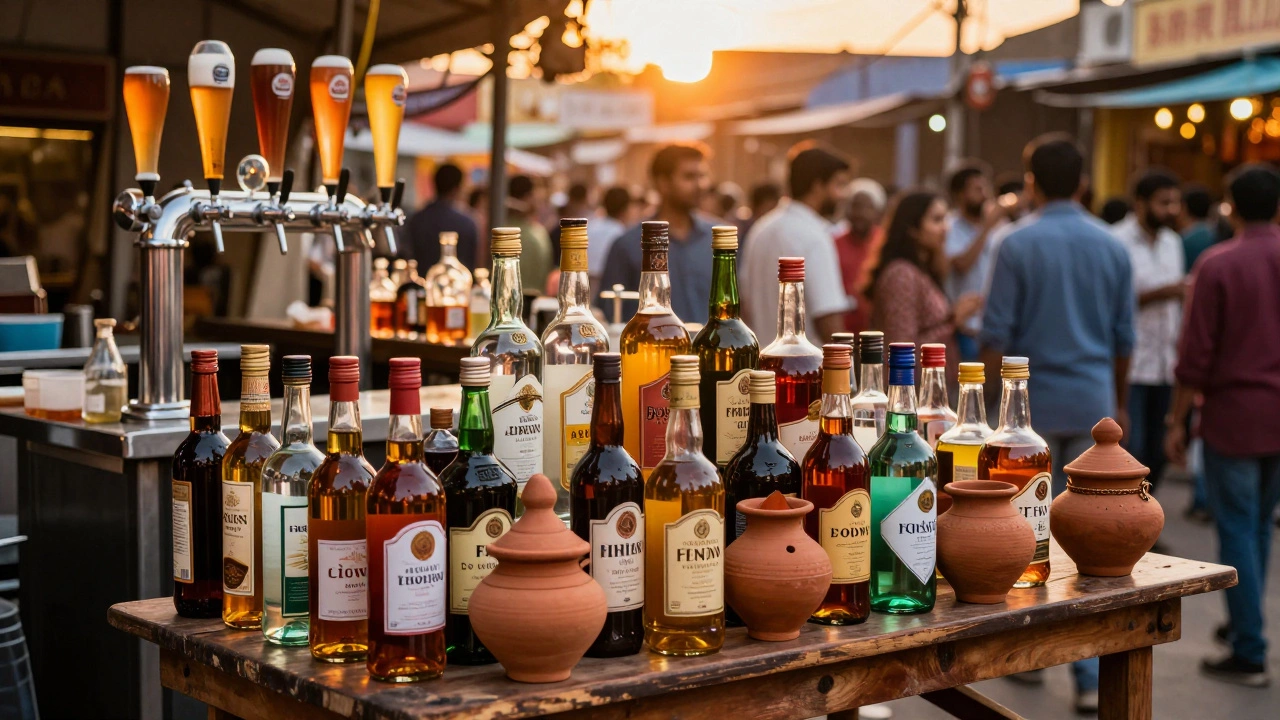
When people think of mass-consumed alcohol in India, three categories dominate the market: beer, whiskey, and rum. These are the staples found in almost every home, restaurant, and hotel across the non-prohibition states.
Beer: India is one of the largest beer markets in the world. The most recognizable name is Kingfisher, a lager that became synonymous with Indian cricket and party culture in the 1990s and 2000s. It remains a household name, though competitors like Budweiser, Heineken, and local craft beers are gaining ground. In recent years, the craft beer revolution has taken off in cities like Bangalore, Mumbai, and Delhi, with microbreweries producing IPAs, stouts, and sours that rival international standards. If you are in a metro city, do not limit yourself to the big brands; ask for a local craft brew.
Whiskey: Indian whiskey is unique because it is rarely pure malt Scotch or Bourbon. Most popular brands, such as Old Monk, a dark rum-based spirit often mistaken for whiskey due to its aging process and flavor profile (technically a rum) or Imperial Blue, a blended whiskey made from neutral spirits and caramel color, aged in oak barrels, are blends designed to suit the Indian palate-smooth, slightly sweet, and easy to mix with cola or soda. Old Monk, originally from Goa, is arguably the most iconic Indian spirit, beloved for its affordability and rich, molasses-heavy taste. It is the go-to drink for college students and veterans alike.
Rum: Rum is huge in India, particularly in the southern and western states. Brands like McDowell's No.1, the best-selling Indian rum brand, known for its smooth blend and widespread availability dominate the mass market. In Goa and Kerala, premium rums and local distillations are preferred. Rum is often consumed neat, on the rocks, or mixed with ginger ale.
Regional Spirits: The Hidden Gems
If you want to experience authentic Indian culture, you must try the regional spirits. These are often homemade, government-distilled, or produced by small cooperatives. They offer flavors you cannot find anywhere else in the world.
| Drink Name | Region | Base Ingredient | Flavor Profile |
|---|---|---|---|
| Feni | Goa | Cashew apples or Coconut | Strong, fruity, pungent, high ABV (40-50%) |
| Arambai | Kerala | Sorghum (Jowar) | Earthy, rustic, traditional |
| Hooch | Jammu & Kashmir | Apple or Apricot | Fruity, homemade, variable quality |
| Mahua | Central/Eastern India | Mahua flowers | Floral, potent, tribal tradition |
| Bali | Northeast India | Rice | Sweet, fermented rice wine style |
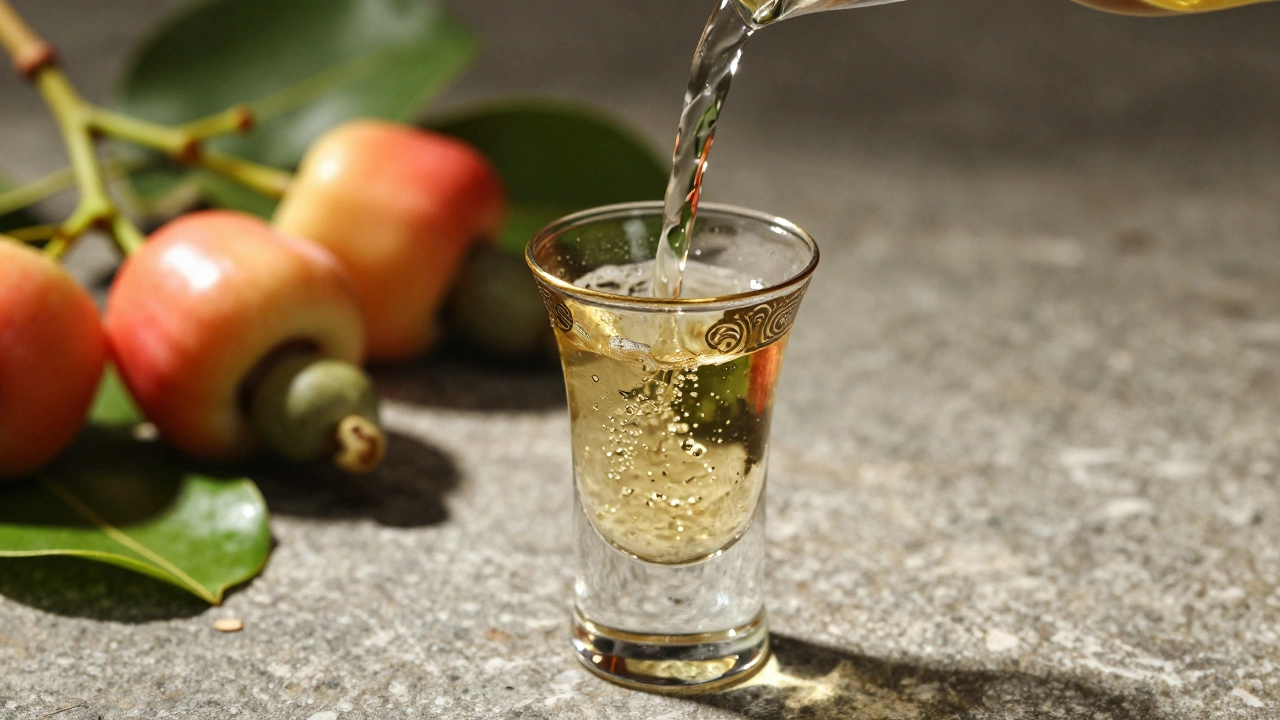
Feni: This is the pride of Goa. Cashew feni is distilled from the sap of the cashew apple, not the nut itself. It has a strong, distinctive aroma that locals love but tourists might find challenging at first sip. It is often served as a shot or mixed into cocktails. Coconut feni is another variant, lighter and more floral. Both are protected under Geographical Indication (GI) tags, meaning only Goan-produced feni can carry the name.
Arambai and Country Liquor: In Kerala, Arambai is a traditional sorghum spirit. While less common now due to health concerns about methanol contamination in illicit batches, government-regulated versions are available. Similarly, in rural parts of India, "country liquor" made from rice, maize, or flowers is a staple. These are cheap, potent, and deeply embedded in local social rituals.
Traditional Fermented Beverages
Not all Indian alcohol is hard liquor. India has a long history of low-alcohol fermented drinks, often consumed during festivals or as digestive aids after meals.
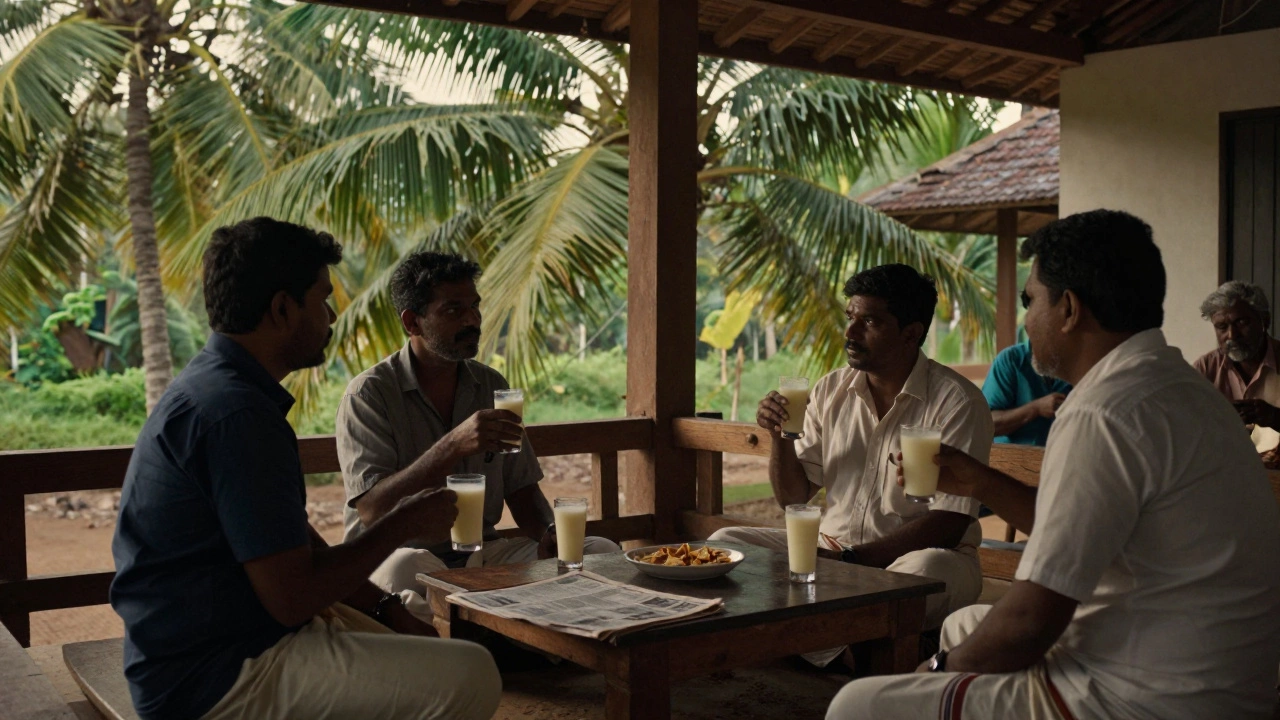
Toddy: Toddy is the sap tapped from palm trees (palmyra, coconut, or date palms). It is collected fresh in the morning and ferments naturally throughout the day. Fresh toddy is sweet and milky white; by evening, it becomes sour and alcoholic. In Tamil Nadu and Kerala, toddy shops are cultural institutions where men gather to chat, read newspapers, and enjoy snacks. Drinking fresh toddy is a sensory experience-cool, slightly effervescent, and mildly intoxicating.
Handia: In Northeast India, particularly among the Dimasa and Kuki communities, Handia is a rice beer. It is brewed by fermenting rice with a starter culture. It is cloudy, sweet-sour, and has a low alcohol content (around 3-5%). It is central to community bonding and religious ceremonies. You won’t find this in a bottle in a supermarket; you have to visit a village or a specialized ethnic restaurant to try it.
Navigating Alcohol Laws in India
Before you raise your glass, you need to know the rules. Alcohol laws in India are strict and vary wildly. Ignorance is not an excuse, and penalties can include heavy fines or imprisonment.
- Dry States: Gujarat, Bihar, Nagaland, and parts of Manipur enforce total prohibition. No alcohol is sold or consumed publicly. Travelers should check their itinerary carefully. In Gujarat, some hotels may serve alcohol to foreigners with valid licenses, but this is rare and strictly regulated.
- Drinking Hours: Most states have specific windows for purchasing alcohol. For example, in Delhi, you can buy liquor between 10 AM and 10 PM, but Sundays are often dry days for retail sales. In Karnataka, there are bans on alcohol sales during election periods and certain religious holidays.
- Public Drinking: Consuming alcohol in public places (streets, parks, beaches) is illegal in most states. You must consume it within licensed premises (hotels, bars, private homes).
- Age Limit: The legal drinking age varies by state. It is typically 21 years old in most states, but in Goa, Pondicherry, and Himachal Pradesh, it is 18. Always carry ID proof.
- Licenses: To bring alcohol into India or transport it between states, you may need permits. Carrying large quantities across state borders without documentation can lead to confiscation.
How to Order Like a Local
To blend in and enjoy the experience fully, follow these tips:
- Ask for Recommendations: If you are in a regional area, ask the bartender or server for the local specialty. In Goa, order Feni. In Kerala, try a local rum or toddy. In Punjab, ask for a good whiskey or a craft beer.
- Pair with Food: Indians rarely drink on an empty stomach. Pair your drink with spicy food. Chutneys, pickles, and fried snacks (like pakoras or bhajiyas) complement strong spirits perfectly. The spice cuts through the alcohol burn.
- Respect Dry Days: Be mindful of religious festivals and election days. Bars and shops will be closed, and attempting to procure alcohol illegally is risky and disrespectful.
- Try Mocktails: India has a vibrant mocktail culture. Non-alcoholic drinks like mango lassi, rose sharbat, and fresh fruit juices are delicious and refreshing, especially in the heat.
Conclusion: Embrace the Diversity
There is no single "Indian drink." The beauty of India’s alcohol culture lies in its variety. From the industrial-scale beer and whiskey that fuel urban nightlife to the artisanal, flower-based spirits of tribal villages, each sip tells a story of geography, climate, and tradition. Whether you are a seasoned traveler or a curious foodie, exploring these beverages offers a deeper connection to the land and its people. Just remember to drink responsibly, respect local laws, and keep an open mind to new flavors.
What is the most popular alcoholic drink in India?
Beer is the most widely consumed alcoholic beverage in India, with Kingfisher being the most recognized brand. However, whiskey and rum are also extremely popular, especially in rural areas and among older demographics. Old Monk rum is arguably the most iconic Indian spirit.
Is alcohol banned in India?
No, alcohol is not banned nationwide. However, several states like Gujarat and Bihar enforce prohibition. Other states have strict regulations on sale times and public consumption. Laws vary significantly by region.
What is Feni?
Feni is a traditional spirit from Goa, made by double-distilling the sap of cashew apples or coconuts. It has a strong, pungent flavor and high alcohol content (40-50%). It is a protected geographical indication product.
Can foreigners drink alcohol in India?
Yes, foreigners can drink alcohol in India in states where it is legal. The legal drinking age is usually 21, but 18 in some states like Goa. Foreigners must adhere to local laws regarding purchase and consumption.
What is Toddy?
Toddy is the fermented sap of palm trees, commonly found in South India. It is consumed fresh and has a mild alcohol content. It is a cultural staple in states like Tamil Nadu and Kerala, often enjoyed in dedicated toddy shops.