Indian Meal Health Optimizer
Select the components of your meal to see the health impact and get professional nutritional swaps.
1. Select Your Meal Components
Health Balance Score
Nutritionist's Recommendations
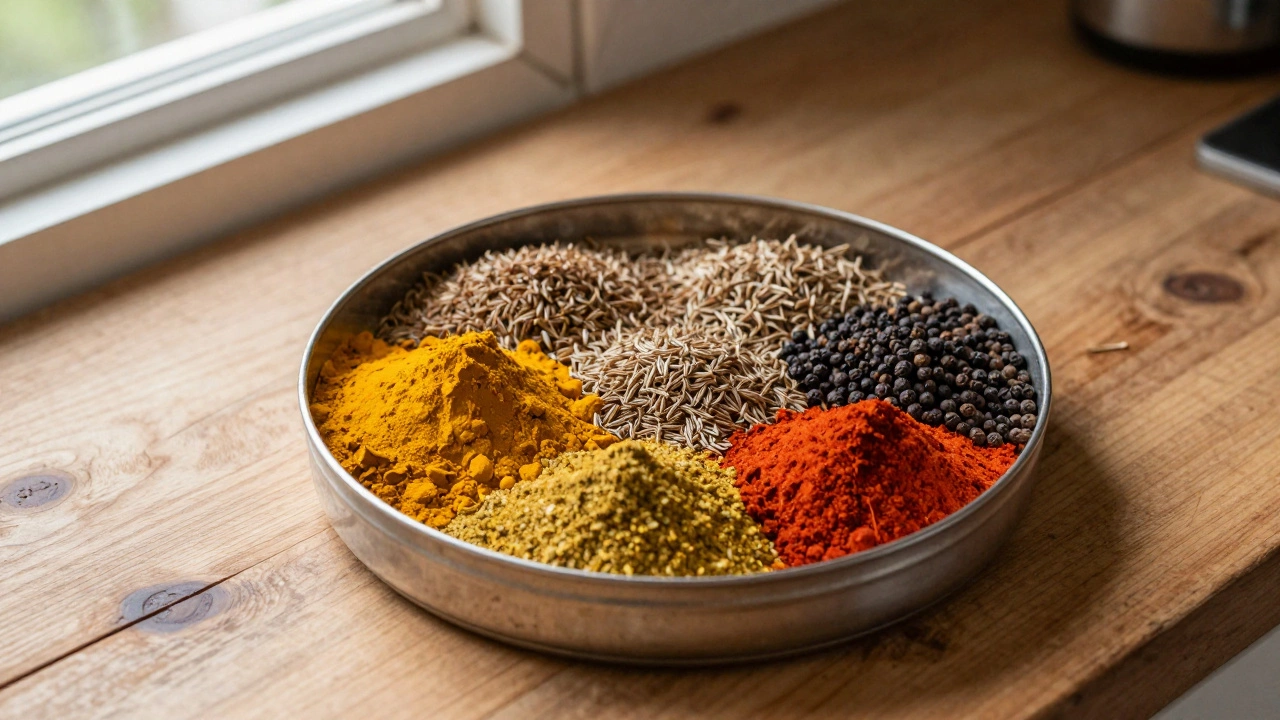
The Power of the Spice Box
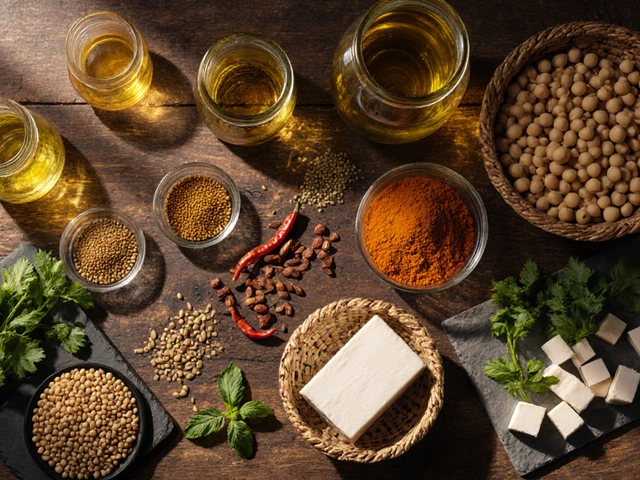
If you want to understand why this food is praised by nutritionists, look at the masala box. Indian cooking doesn't just use spices for flavor; it uses them for function.Take Turmeric, for example. It contains Curcumin, a compound that studies from institutions like the National Center for Complementary and Integrative Health have shown to be a powerful anti-inflammatory. When you see a golden-yellow curry, you're looking at a natural tool for reducing joint pain and improving heart health.
Then there is Cumin. It’s not just for that earthy smell; it stimulates digestive enzymes, which is why it's often the first thing hit in hot oil during a process called 'tempering'. Garlic and ginger, almost always present, act as natural antibiotics and help lower blood pressure. When these are combined with healthy fats, the nutrients become more bioavailable, meaning your body actually absorbs the good stuff.
The Protein Game: Legumes and Grains
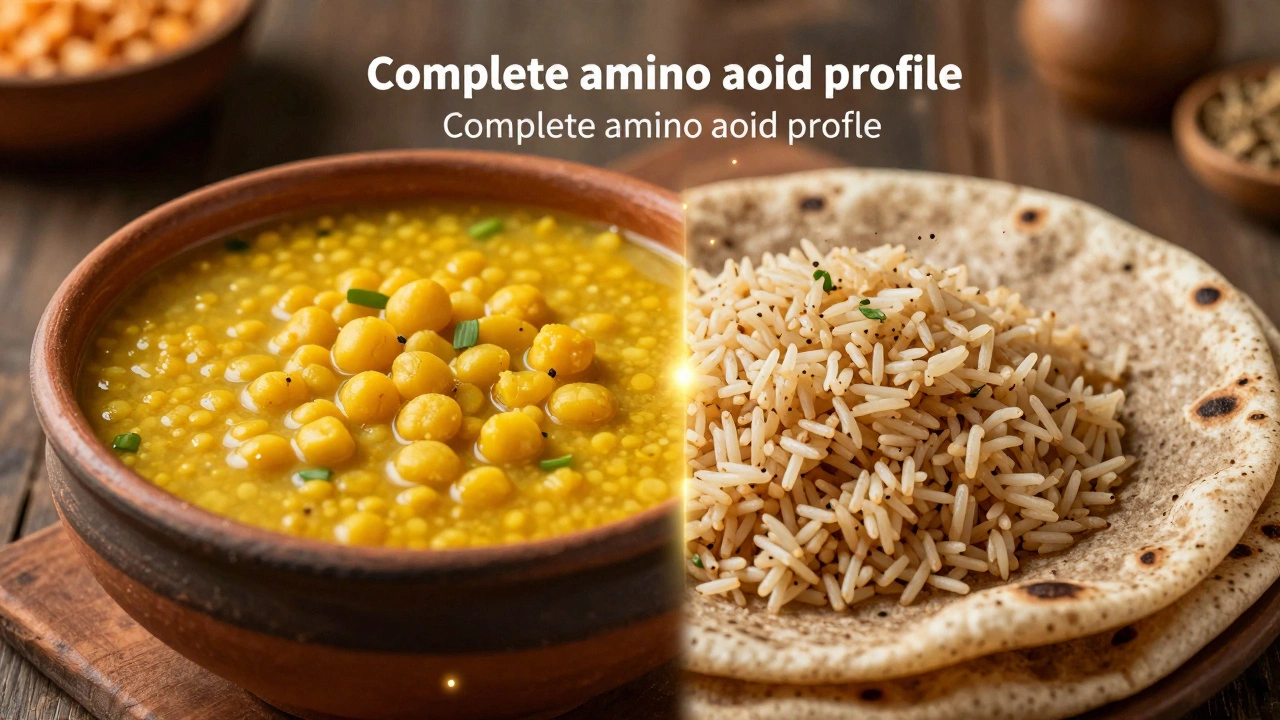
One of the biggest wins for the Indian diet is how it handles protein, especially for those avoiding meat. The heavy reliance on Dal (lentils) is a masterclass in nutrition. Lentils provide a massive hit of plant-based protein and soluble fiber, which keeps your blood sugar stable and your gut happy.But lentils alone aren't a complete protein. This is where the traditional pairing of rice and dal or roti and sabzi comes in. By combining a grain with a legume, you create a complete amino acid profile. It's a biological loophole that allows people to get all the essential proteins they need without eating a steak every night.
| Ingredient | Primary Benefit | Key Nutrient | Health Impact |
|---|---|---|---|
| Chana (Chickpeas) | Blood Sugar Control | Fiber & Protein | Low Glycemic Index |
| Palak (Spinach) | Blood Health | Iron & Vitamin K | High Antioxidant |
| Ghee (Clarified Butter) | Gut Health | Butyrate | Supports Digestion |
| Basmati Rice | Energy | Complex Carbs | Easier to digest than short-grain |
Where It Goes Wrong: The Modern Pitfalls
We have to be honest: not everything on an Indian menu is a health food. The shift from home-cooked meals to restaurant-style dining has introduced three main culprits: refined seed oils, excessive salt, and heavy cream.In a traditional home, you might use a small amount of Ghee, which has a high smoke point and contains butyrate for gut health. In a commercial kitchen, that's often replaced by cheap vegetable oils that are high in omega-6 fatty acids, which can trigger inflammation if consumed in excess.
Then there's the "cream" factor. Traditional recipes used yogurt or ground cashew paste to thicken sauces. Modern versions often dump in heavy cream and butter to make the dish more palatable to global tastes. This turns a nutritious vegetable curry into a calorie-dense meal that can leave you feeling sluggish. And don't get me started on the refined flour (maida) used in naan bread; it's essentially a sugar spike in bread form.
Making the Switch to a Healthier Plate
If you love the flavors but want to avoid the "food coma," you can easily tweak how you eat. The goal is to maintain the Indian food nutrition benefits while cutting the fluff.- Swap the Grain: Instead of white rice or maida naan, try brown rice, quinoa, or homemade whole-wheat rotis. This adds fiber and slows down glucose absorption.
- Manage the Fat: Use a tablespoon of olive oil or a small amount of ghee instead of deep-frying. If you're making a curry, sauté your onions and spices until they are brown rather than swimming in oil.
- Load Up on Veggies: Make the "sabzi" (vegetable dish) the star of the show. Instead of a small side of cauliflower, make a giant bowl of Aloo Gobi and use a small portion of rice as the accompaniment.
- The Yogurt Trick: Use plain, Greek, or homemade curd instead of cream. It adds a tangy flavor and a boost of probiotics without the saturated fat overload.
The Role of Fermentation
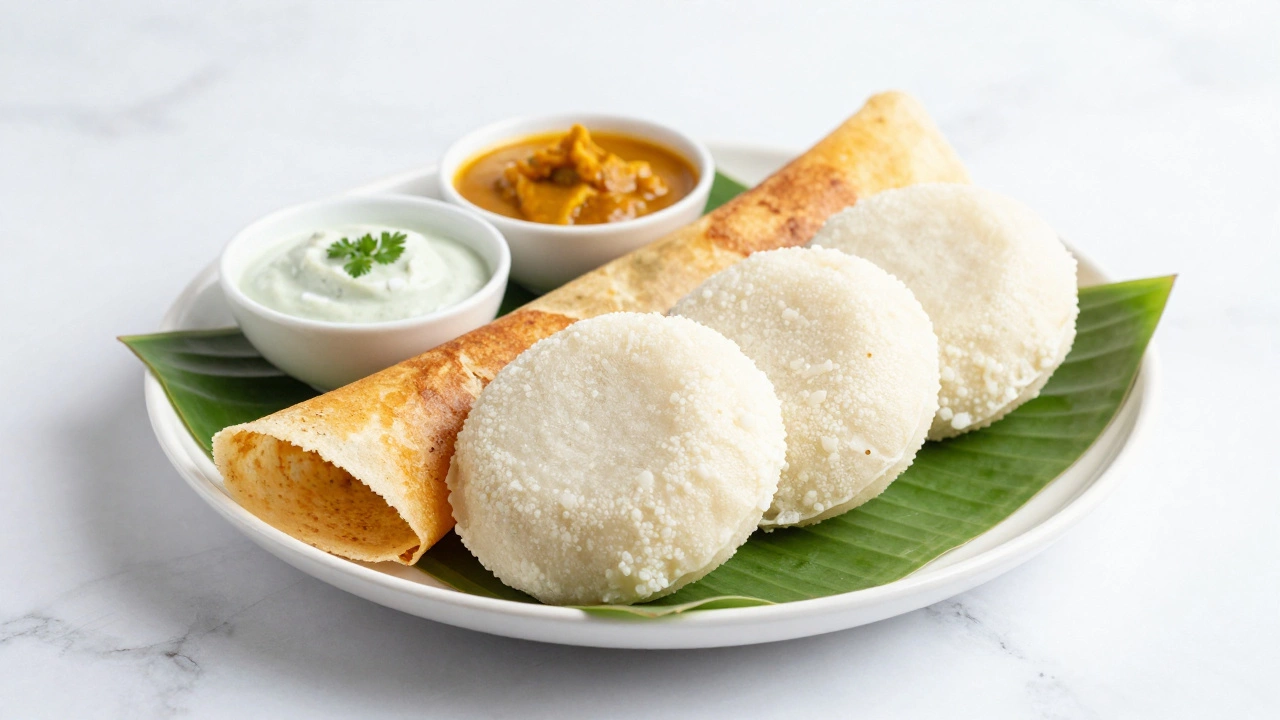
We can't talk about Indian health without mentioning fermented foods. Items like Dosa and Idli are more than just tasty breakfasts. They are made from a fermented batter of rice and black lentils.Fermentation breaks down the starches and antinutrients in the grains, making the minerals easier for your body to absorb. It also creates natural probiotics that support your microbiome. This is why these dishes are often considered "light" on the stomach and are frequently recommended for people recovering from illness.
Verdict: Is it Healthy?
If you're eating a balanced diet of home-cooked dals, seasonal vegetables, whole grains, and probiotic-rich ferments, Indian food is incredibly healthy. It provides a wide array of vitamins, minerals, and anti-inflammatory compounds that are hard to find in a standard Western diet.However, if your diet consists of restaurant-made creamy curries and deep-fried appetizers, you're missing out on the actual benefits and adding unnecessary stress to your cardiovascular system. The secret is in the ingredients, not the cuisine itself. Stick to the whole foods, keep the spices high, and the refined fats low, and you've got a world-class health plan on your plate.
Are Indian curries too salty?
Restaurant curries often are, as salt is used to enhance flavor and preserve food. However, home-cooked curries allow you to control the salt. To reduce sodium without losing taste, use more acidic ingredients like lemon juice or tamarind, which trick the tongue into perceiving a more seasoned dish.
Is white rice in Indian food bad for diabetes?
White Basmati rice has a lower glycemic index than many other white rices, but it's still a refined carb. For those with diabetes, switching to brown rice, red rice, or millet (like ragi or bajra) is a much safer bet as they provide more fiber and prevent blood sugar spikes.
Can I eat Indian food if I'm lactose intolerant?
Absolutely. Many Indian dishes are naturally vegan (like Chana Masala or Aloo Gobi). Ghee is clarified butter, meaning most of the lactose and casein are removed, making it easier for some people to tolerate, but coconut milk is a fantastic creamy alternative found in many South Indian recipes.
Are samosas healthy?
Traditionally, no. Because they are deep-fried in oil and made with refined flour, they are high in calories and saturated fats. However, you can make a healthier version by air-frying them or baking them with a whole-wheat crust.
Why is turmeric always paired with black pepper?
Curcumin, the active part of turmeric, is poorly absorbed by the bloodstream on its own. Piperine, a compound in black pepper, increases the absorption of curcumin by up to 2,000%. Many Indian spice blends automatically include both for this reason.