Roti Softness & Technique Checker
Select the options that describe your current method. We will calculate a 'Softness Score' based on traditional culinary science.
Ready to Analyze
Select your options and click check.
Diagnosis:
Waiting for input...
Pro Tip:
- Select your cooking habits above to see personalized advice.
You stand at the counter, flour dusted on your hands, ready to roll out dinner. You glance at the pantry and spot a tin of baking powder. A nagging thought creeps in: "Should I add it? Will it make my roti softer?" It is a common question that plagues home cooks everywhere. We want that pillowy texture we see in restaurant videos, but we also want authentic taste. The short answer is no. Traditional roti does not need baking powder.
Adding chemical leaveners changes the fundamental nature of the bread. It turns a simple unleavened flatbread into something closer to a pancake or a soda bread. While this might work for specific fusion recipes, it ruins the classic charred, nutty flavor of a proper roti. If your rotis are turning out hard or tough, the problem isn't the lack of baking powder. It is likely your technique, your dough hydration, or your resting time. Let us break down why you should skip the tin and how to get that perfect softness naturally.
The Science Behind Unleavened Bread
To understand why baking powder belongs in the cupboard, not the bowl, we need to look at what makes roti unique. Roti, also known as chapati or phulka depending on the region, is an unleavened bread. This means it relies on steam, not gas bubbles from yeast or chemicals, to puff up.
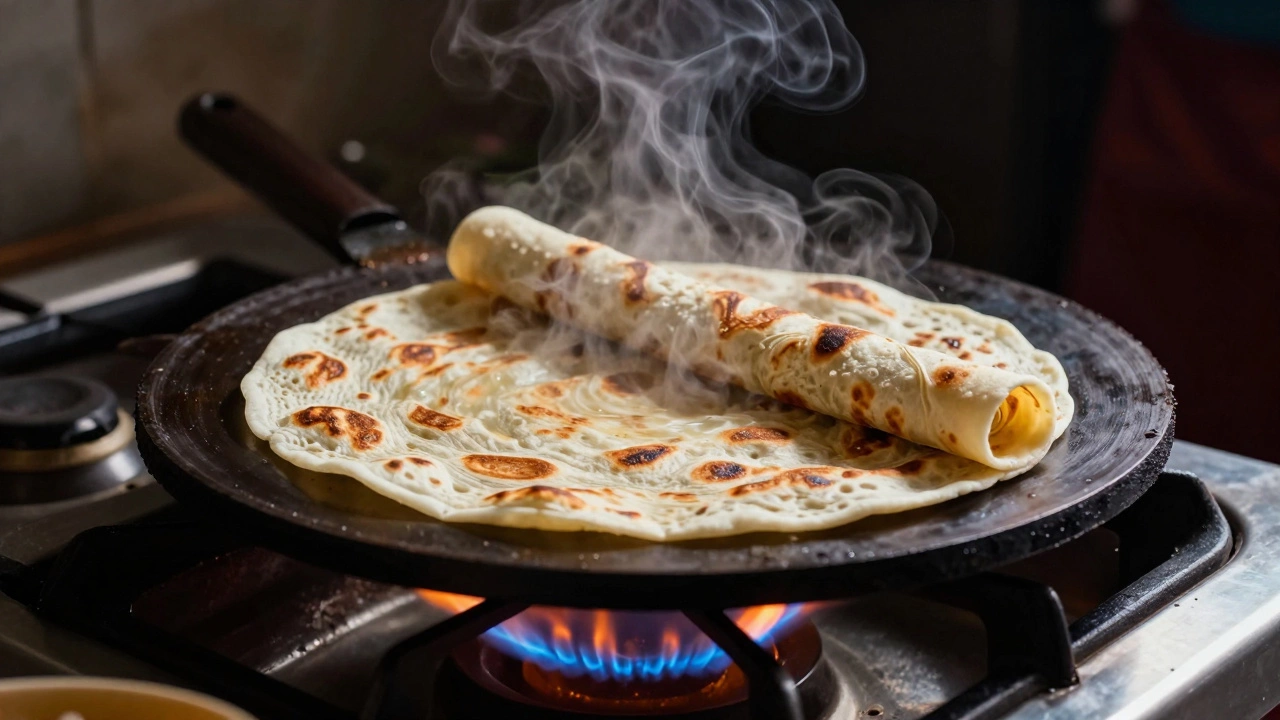
Whole wheat flour, often called atta in South Asia, contains gluten proteins. When you knead the dough, these proteins form a network. This network traps air and steam. When you place the rolled-out disc onto a hot tawa (griddle), the moisture inside the dough turns to steam rapidly. This steam expands the gluten pockets, causing the roti to balloon. If you introduce baking powder, you create large, irregular air pockets chemically before cooking even starts. This weakens the gluten structure. The result is a bread that tears easily, lacks elasticity, and tastes slightly metallic or bitter.
Think about the difference between a tortilla and a biscuit. One is unleavened and flexible; the other uses baking powder and is crumbly. Roti aims for the former. You want flexibility so you can wrap it around curry without it shattering. Chemical leaveners fight against this structural integrity.
Why Your Roti Might Feel Hard
If you are reaching for baking powder, it is probably because your current rotis are tough. There is nothing worse than biting into a piece of bread that feels like cardboard. Before you alter the ingredients, check these three critical factors that usually cause hardness.
- Dough Hydration: Is your dough too dry? Many recipes say "add water until smooth," which is vague. The ideal consistency is like an earlobe-soft, pliable, and slightly sticky but not messy. If the dough is stiff, the roti will be hard. Add water one tablespoon at a time until it reaches this texture.
- Resting Time: Did you start rolling immediately after kneading? Freshly kneaded gluten is tight and elastic. It fights back when you try to roll it thin. Letting the dough rest for at least 15 to 30 minutes allows the gluten strands to relax. This makes rolling easier and results in a softer final product.
- Heat Management: Is your tawa hot enough? If the pan is lukewarm, the roti dries out before it puffs. You need high heat to trigger rapid steam expansion. However, if it is too hot, the outside burns while the inside remains raw. Aim for medium-high heat.
These mechanical issues are far more common culprits than missing ingredients. Fixing them requires patience, not chemicals.
Natural Ways to Achieve Softness
You do not need artificial additives to get restaurant-quality softness. In fact, many traditional households use natural fats and techniques to enhance tenderness. Here are the most effective methods used by experienced cooks.
Oil or Ghee in the Dough: Adding one tablespoon of oil or melted ghee per cup of flour coats the gluten strands. This lubrication prevents the strands from bonding too tightly, resulting in a tender crumb. It also adds richness and helps the roti stay soft even after cooling. This is a standard practice in many Indian kitchens.
Yogurt or Curd: For an extra boost of softness, some cooks replace a small amount of water with yogurt. The lactic acid in yogurt breaks down gluten slightly, making the dough more tender. It also adds a subtle tang that complements spicy curries. Use plain, unsweetened yogurt for best results.
Proper Rolling Technique: Roll from the center outward. Keep rotating the disc so it remains circular. Uneven thickness leads to uneven cooking. Thin spots burn; thick spots remain hard. Aim for a uniform thickness of about 2-3 millimeters. Lightly dust with dry flour only if necessary to prevent sticking. Too much excess flour creates dry patches that turn into hard bits during cooking.
When Baking Powder Actually Makes Sense
Is there ever a case where baking powder is appropriate? Yes, but you are likely not making traditional roti. If you are making Puri or poori, the situation is different. Puri is deep-fried rather than cooked on a griddle. Deep frying requires the bread to expand dramatically in hot oil. Many puri recipes include a pinch of baking soda or baking powder to ensure maximum puffiness. Even then, skilled cooks often rely solely on thorough kneading and resting.
Another exception is fusion recipes. If you are making savory flatbread pizzas or stuffed naan-style breads using whole wheat flour, a small amount of baking powder can mimic the airy texture of commercial naan. Naan traditionally uses yogurt and sometimes yeast, but baking powder serves as a quick shortcut for home cooks who don't have time for fermentation. However, calling this "roti" is misleading. It is a hybrid bread. Stick to the name "flatbread" or "quick naan" to manage expectations.
| Bread Type | Leavening Agent | Cooking Method | Texture Goal |
|---|---|---|---|
| Traditional Roti | None (Steam) | Tawa/Griddle | Soft, pliable, slight char |
| Puri/Poori | Optional Baking Soda | Deep Fried | Puffy, crisp exterior, hollow interior |
| Quick Naan | Baking Powder/Yeast | Oven/Tandoor | Airy, chewy, blistered |
| Soda Bread | Baking Powder/Soda | Oven | Dense, crumbly, moist |
Step-by-Step Guide to Perfect Roti Without Baking Powder
Ready to ditch the chemicals? Follow this proven method to achieve soft, fluffy rotis every single time. This process focuses on maximizing natural steam and gluten relaxation.
- Mix the Dry Ingredients: Combine two cups of fine whole wheat flour (atta) with a pinch of salt. Ensure the flour is sifted if possible to remove any coarse particles.
- Add Fat: Stir in one tablespoon of neutral oil or melted ghee. This step is non-negotiable for softness.
- Incorporate Water Gradually: Add warm water, approximately half a cup, gradually. Mix with your fingers until a shaggy dough forms. Warm water helps hydrate the gluten faster.
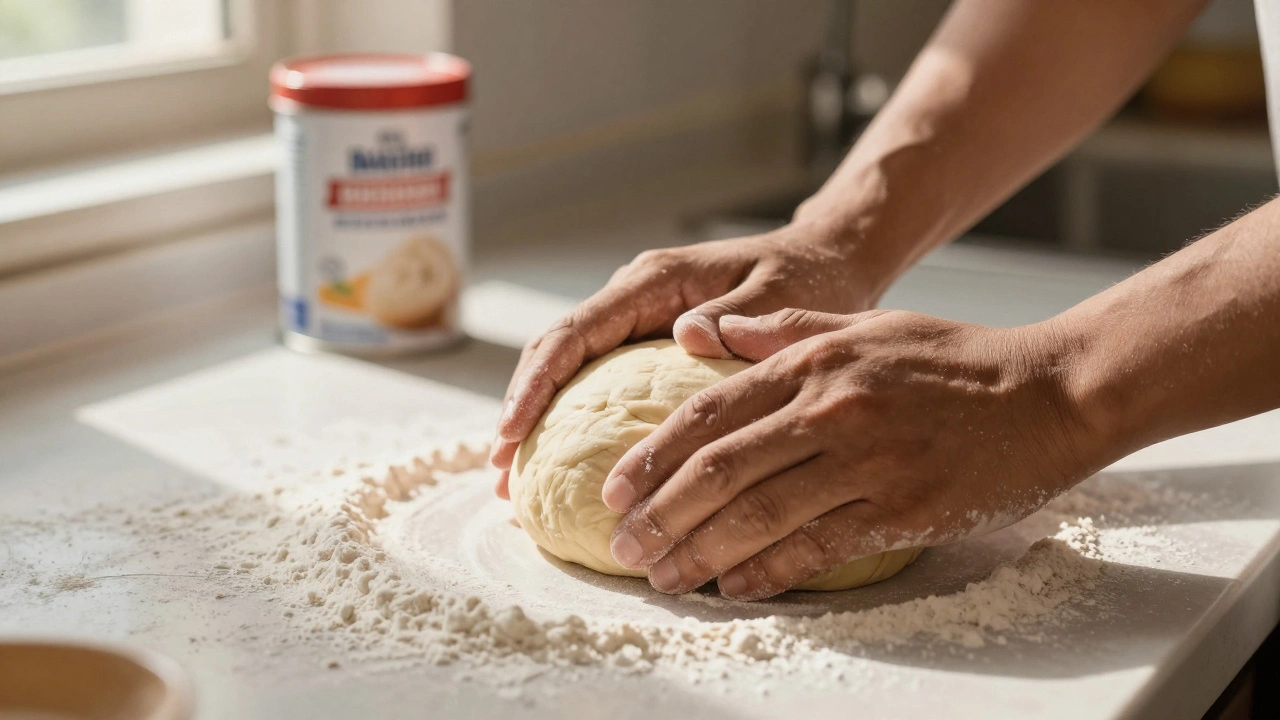
- Knead Thoroughly: Knead for at least 8-10 minutes. This might feel tedious, but it is crucial. You want the dough to become smooth and elastic. If it cracks when you press it, add a teaspoon more water. If it sticks excessively, add a sprinkle of flour.
- Rest the Dough: Cover the dough with a damp cloth or plastic wrap. Let it sit for 20-30 minutes. Do not skip this. The gluten needs to relax.
- Divide and Roll: Divide the dough into equal balls. Roll each ball into a thin circle. Keep the edges slightly thinner than the center to help with even puffing.
- Cook on High Heat: Heat your tawa on medium-high. Place the roti on the hot surface. Cook for 30 seconds until bubbles form. Flip and cook for another 30 seconds.
- The Direct Flame Trick: For the ultimate puff, transfer the roti directly onto the gas flame using tongs. Press gently with the tongs. It will balloon instantly. Remove immediately once fully puffed.
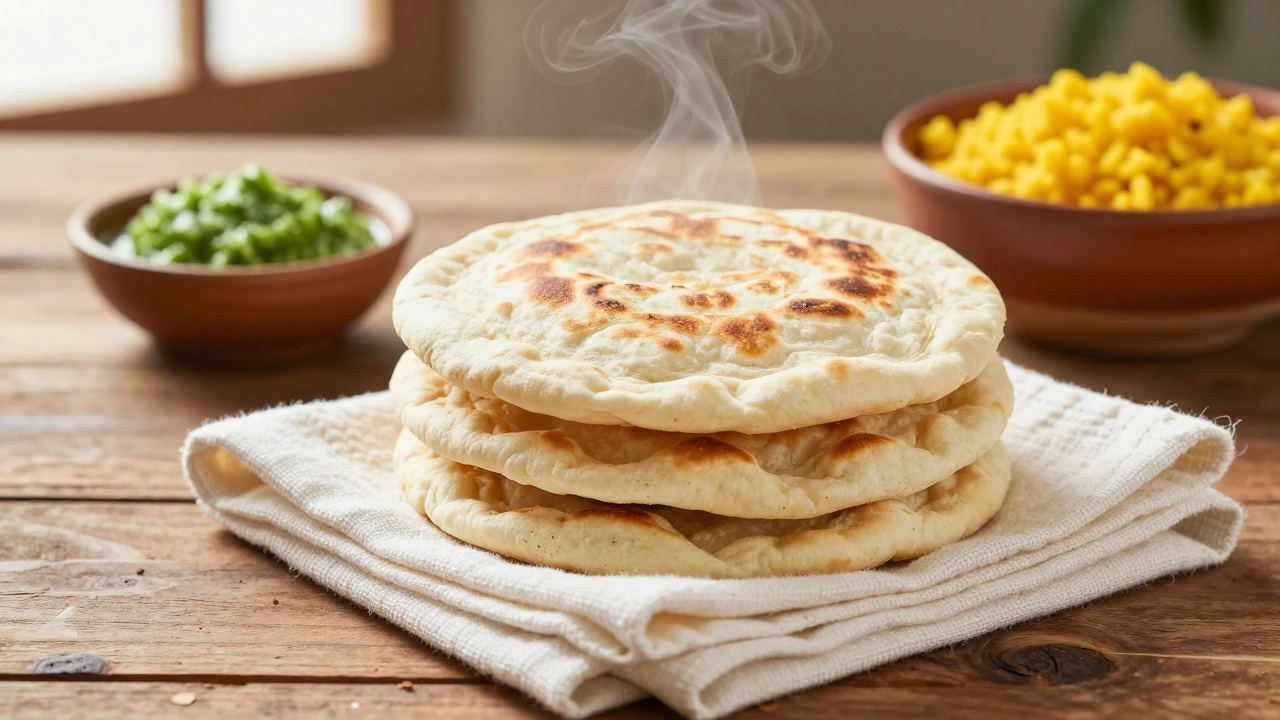
- Keep Warm: Stack the cooked rotis in a clean kitchen towel. The residual heat and trapped steam keep them soft.
Troubleshooting Common Issues
Even with the right method, things can go wrong. Here is how to diagnose and fix specific problems without resorting to baking powder.
Problem: Roti shrinks back when rolling.
Cause: Insufficient kneading or insufficient resting time. The gluten is too tight. Solution: Rest the dough longer, up to an hour. Knead more vigorously next time.
Problem: Roti stays flat and doesn't puff.
Cause: The dough is too thick, or the heat is too low. Steam cannot build pressure fast enough. Solution: Roll thinner. Increase the heat on your tawa. Ensure there are no holes in the rolled dough where steam escapes prematurely.
Problem: Roti becomes hard after cooling.
Cause: Lack of fat in the dough or exposure to air. Solution: Always add oil/ghee to the dough. Store cooled rotis in an airtight container or wrapped in foil. Reheat on a dry pan for 10 seconds to restore softness.
Problem: Raw spots in the center.
Cause: Uneven rolling or heat too high initially. Solution: Roll evenly. Start with medium heat, then increase. Cook longer on the second side.
The Cultural Context of Roti
Understanding the cultural background of roti helps appreciate why simplicity is key. In South Asian cuisine, roti is not a standalone item; it is a utensil. It is meant to scoop up dal, vegetables, and meats. Its texture should complement the food, not overpower it. The slight smokiness from the tawa or direct flame enhances the meal's aroma.
Adding baking powder introduces a foreign flavor profile that clashes with traditional spices. Cumin, coriander, turmeric, and chili powders pair beautifully with the nutty, earthy taste of whole wheat. They do not pair well with the chemical tang of baking soda residues. By sticking to the traditional method, you honor the balance of flavors that has been perfected over centuries.
Moreover, the ritual of making roti is therapeutic. The rhythm of kneading, the sound of the rolling pin, and the visual satisfaction of watching the bread puff up are integral parts of the cooking experience. Introducing shortcuts like baking powder disrupts this mindfulness. It turns a craft into a mere assembly line. Embrace the process, and the results will follow.
Can I use baking soda instead of baking powder in roti?
No, you should not use baking soda in traditional roti either. Baking soda (sodium bicarbonate) requires an acid to activate and produce carbon dioxide. Without an acidic ingredient like yogurt or lemon juice, baking soda will leave a strong, soapy, metallic taste. Even with acid, it alters the texture significantly, making it less chewy and more cake-like. Stick to water, flour, salt, and oil for authentic results.
Why do restaurant rotis seem softer than mine?
Restaurants often use higher quality, finer whole wheat flour (atta) that has been specially milled for rotis. They also maintain consistent high heat on their tawas and may use a combination of oil and ghee in the dough. Additionally, they serve the roti immediately while it is still hot and steaming, which preserves softness. Home cooks often let rotis cool slightly, causing them to firm up.
How long can I store leftover roti?
Leftover roti can be stored in the refrigerator for up to 3 days in an airtight container. To freeze, wrap individual rotis in parchment paper and place them in a freezer bag for up to 3 months. Reheat directly on a tawa or in a microwave wrapped in a damp paper towel for 20-30 seconds. Avoid reheating in a dry oven, as it will dry them out further.
What is the difference between roti, chapati, and phulka?
While often used interchangeably, there are subtle differences. Chapati is the general term for the unleavened flatbread made with whole wheat flour. Roti is a broader term that can refer to various regional variations, sometimes including multigrain flours. Phulka specifically refers to a very thin roti that is puffed over an open flame, resulting in a lighter, airier texture. All three typically exclude baking powder.
Can I make roti with all-purpose flour (maida)?
Yes, you can make flatbreads with all-purpose flour, but they are technically not traditional roti. Maida has a higher gluten content and lower fiber, resulting in a chewier, denser texture. These are often called parathas if layered with oil, or simply white flour flatbreads. They absorb more water and require less kneading time than whole wheat dough. However, for health benefits and authentic taste, whole wheat atta is preferred.