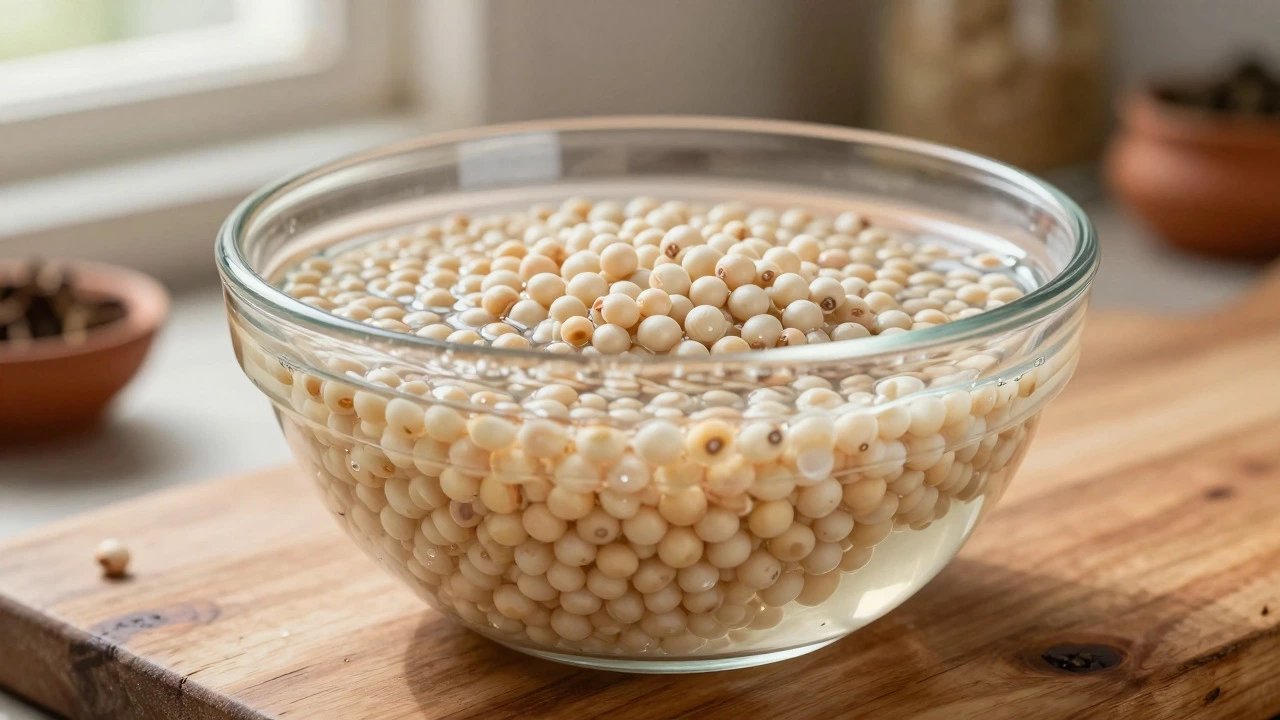
Urad Dal Soaking Time Calculator
Ever wonder why your dosa batter is dense and chewy instead of light and crisp? The culprit is usually the soaking step. Specifically, how long you let the urad dal sit in water before grinding. It’s not just about softening the beans; it’s about setting the stage for fermentation.
If you soak them too little, the grinder struggles, and the batter stays thick. If you soak them too much, they turn mushy and lose their ability to trap air during the rise. Getting this window right is the single most important variable in making a fluffy dosa or idli. Here is exactly what happens in those hours and how to nail it every time.
The Sweet Spot: 6 to 8 Hours
For most home cooks using standard room temperature (around 20°C to 25°C), the ideal soaking time for urad dal is between 6 and 8 hours. This applies to both white urad dal (for dosas) and black urad dal (for idlis). At this mark, the dals have absorbed enough water to become plump but still hold their shape when pinched. They should feel heavy and soft, yet distinct. You want them ready to blend into a smooth paste without forcing the motor.
Why this specific window? Urad dal has a hard outer skin that needs time to hydrate. Six hours allows the starches inside to gelatinize slightly, which helps create the creamy texture we crave. Eight hours ensures even the hardest grains are fully saturated. If you live in a cooler climate, like Cape Town in winter, lean toward the 8-hour mark. In hot climates, 6 hours might be sufficient because heat accelerates hydration.
How Temperature Changes the Game
Water temperature is the hidden accelerator. Most recipes say "soak overnight," but that’s vague. Let’s break down the physics of hydration:
- Cold Water (10°C - 15°C): Requires 8 to 10 hours. The molecules move slower, so water penetrates the dal more gradually. This is common in refrigerated storage or cool nights.
- Room Temperature (20°C - 25°C): The standard 6 to 8 hour range. This is where most Indian households operate during cooking prep.
- Warm Water (30°C - 40°C): Can reduce soaking time to 4 to 5 hours. However, be careful not to exceed 45°C, as higher temperatures can start pre-cooking the surface, leading to a gummy texture.
I often use warm water in summer if I’m short on time. Just ensure the water isn’t hot to the touch. A quick test: if you can comfortably keep your finger in the water for 10 seconds, it’s safe for faster soaking. This trick saves two hours without sacrificing quality.
White vs. Black Urad Dal: Does It Matter?
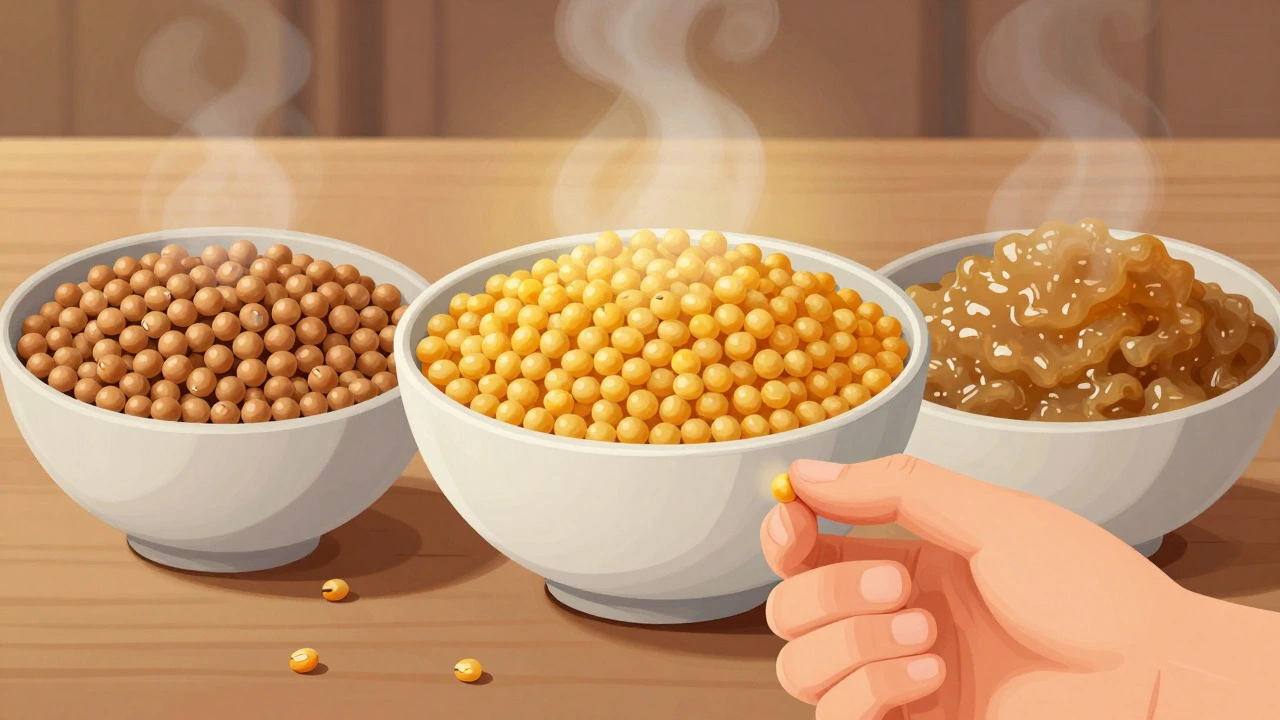
You might see recipes calling for different types of urad dal. White urad dal is typically hulled and split, while black urad dal retains its skin. Does the soaking time differ? White urad dal soaks slightly faster because the hull is removed, exposing the inner cotyledon directly to water. For dosas, white dal is preferred because it creates a lighter, fluffier batter. Expect it to reach peak readiness in 5 to 7 hours. Black urad dal, used primarily for idlis, has a tougher skin. It takes longer to hydrate fully. Aim for 7 to 9 hours. If you’re making idlis and rush the soaking, you’ll end up with dense, flat cakes. The skin acts as a barrier, slowing down water absorption significantly compared to its white counterpart.
| Dal Type | Cold Water (10-15°C) | Room Temp (20-25°C) | Warm Water (30-40°C) | Best For |
|---|---|---|---|---|
| White Urad Dal | 8-10 hours | 6-8 hours | 4-5 hours | Dosas, Crepes |
| Black Urad Dal | 9-12 hours | 7-9 hours | 5-6 hours | Idlis, Medu Vada |
| Rice (Parboiled) | 8-10 hours | 6-8 hours | 4-5 hours | Batter Base |
The Rice Factor: Don't Forget the Partner
You can’t talk about urad dal soaking without mentioning rice. Dosa batter is a duo: urad dal provides the protein and leavening, while rice provides the structure and crispness. Both need soaking. Parboiled rice (like idli rice or parbatta rice) follows a similar timeline to white urad dal. Soak it for 6 to 8 hours alongside the dal. If you use regular basmati or long-grain rice, it may require slightly less time (5-6 hours) because it’s less dense, but consistency matters more than precision here. Rinse both ingredients thoroughly until the water runs clear to remove excess starch, which can make the batter sticky rather than fluffy.
Signs Your Dal Is Ready (and Not Over-Soaked)
Timing is a guide, but physical cues are the truth. Stop relying solely on the clock and start checking the dals. Here’s how to tell if they’re ready:
- The Pinch Test: Pick up a grain. Squeeze it gently between your thumb and forefinger. It should crush easily into a soft pulp without any hard center. If it snaps cleanly, it needs more time. If it turns to mush instantly, it might be over-soaked.
- The Swell Check: Compare the size to dry dal. Properly soaked dal should be roughly double its original volume. If it hasn’t swelled significantly, keep soaking.
- The Texture: The water should look cloudy but not slimy. If the water feels slippery or the dal looks disintegrated, you’ve gone too far. Over-soaked dal loses its structural integrity, leading to a batter that doesn’t ferment well and results in soggy dosas.
Over-soaking is a common mistake. People think "more time equals better." In reality, beyond 12 hours at room temperature, the dals begin to break down. Enzymes start degrading the proteins, which weakens the gluten-like network needed to trap gas bubbles during fermentation. This is why some batters smell sour before they even start rising.
Soaking for Fermentation: Why It Matters
Soaking isn’t just about texture; it’s about biology. When you soak urad dal, you activate natural yeasts and lactic acid bacteria present on the bean surface. These microorganisms feed on the sugars released during soaking. If the dal is under-soaked, there aren’t enough accessible sugars, and fermentation starts slowly. If it’s over-soaked, the environment becomes too acidic too quickly, potentially killing off the beneficial cultures before they can do their work. The goal is a balanced pH that allows the batter to double in volume within 8 to 12 hours after grinding. Properly soaked dal ensures a robust microbial activity, giving you that signature airy crumb and tangy flavor.
Pro Tips for Consistent Results
Want to take your batter from good to great? Try these tweaks:
- Add a Spoonful of Curd: While soaking, add one tablespoon of plain yogurt per cup of dal. The probiotics jumpstart fermentation, reducing the total rising time after grinding.
- Use Filtered Water: Chlorine in tap water can inhibit yeast growth. Using filtered or boiled-and-cooled water creates a friendlier environment for the microbes.
- Grind Immediately: Once drained, grind the dal and rice immediately. Leaving soaked dal sitting out for more than an hour exposes it to airborne contaminants and oxidation, which can affect flavor.
- Adjust for Altitude: If you live at high altitudes, fermentation takes longer. Ensure your soaking is thorough to compensate for the slower rise.
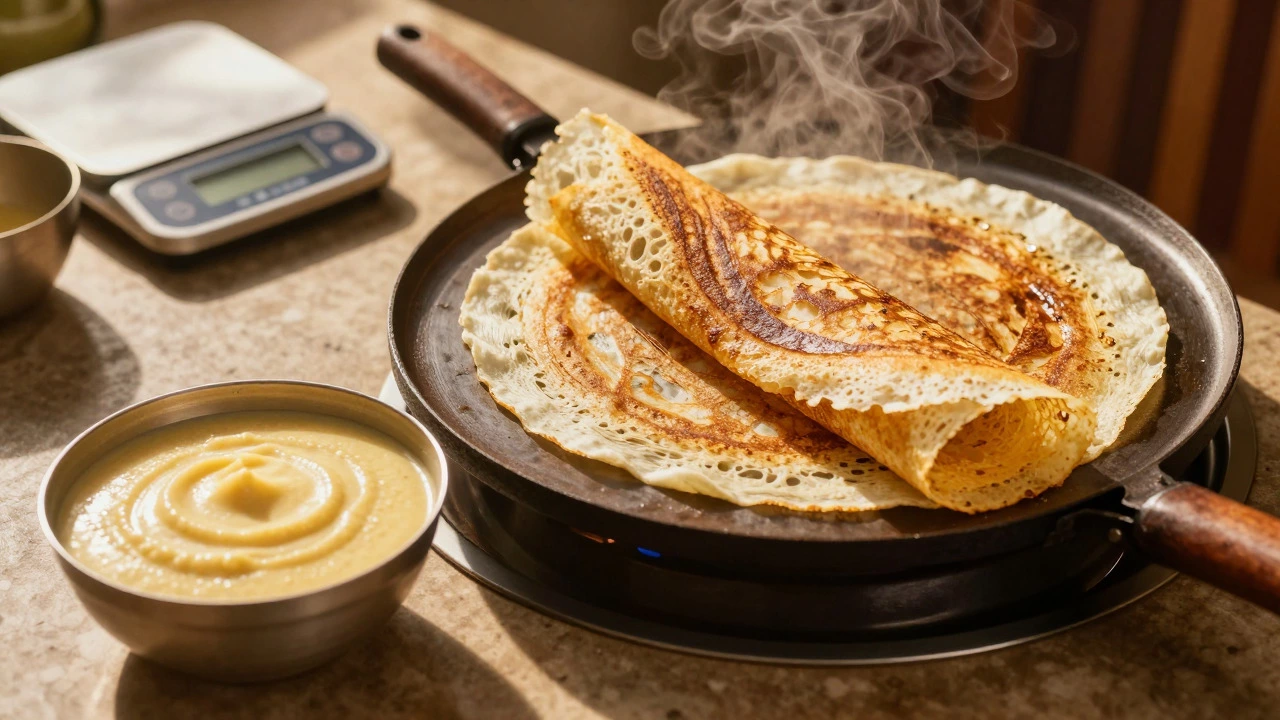
Remember, consistency is key. Weigh your ingredients rather than measuring by volume. A digital kitchen scale removes guesswork. Use a 1:1 ratio of urad dal to rice for dosas. This balance ensures the right mix of protein and starch for optimal texture.
Troubleshooting Common Soaking Issues
Even with the right timing, things can go wrong. Here’s how to fix common problems:
Problem: Batter is too thick and doesn’t spread. Solution: The dal was likely under-soaked. Next time, extend soaking by 2 hours. Alternatively, add a splash of water to the current batter, but this won’t fix the underlying density issue.
Problem: Dosas are spongy and don’t crisp up. Solution: The dal was over-soaked, leading to excessive moisture. Drain the batter well before gridding. Reduce soaking time by 1-2 hours next batch. Also, ensure your tawa (griddle) is hot enough.
Problem: Batter smells overly sour before cooking. Solution: Fermentation went too far due to over-soaking or warm ambient temperature. Add a pinch of salt and a teaspoon of sugar to balance the acidity, or simply discard and restart with shorter soaking times.
Frequently Asked Questions
Can I soak urad dal in the fridge?
Yes, but it takes longer. Refrigeration slows down hydration. Plan for 10 to 12 hours if soaking in the fridge. This method is useful if you want to prepare the day before without worrying about spoilage in warm weather.
Do I need to change the water while soaking?
No, changing the water is unnecessary and can actually wash away some of the natural sugars needed for fermentation. Keep the dals submerged in the same water throughout the process. Just ensure the container is covered to prevent dust or insects from getting in.
What if I forgot to soak the dal overnight?
Use warm water (around 35°C) to speed up the process. It will take 4 to 5 hours instead of 8. Check the texture frequently after the 3-hour mark. While not perfect, this emergency method works well for last-minute breakfast plans.
Does soaking time differ for idli vs dosa batter?
Slightly. Idli batter uses black urad dal, which has a thicker skin, so it benefits from 7 to 9 hours of soaking. Dosa batter uses white urad dal, which is softer and ready in 6 to 8 hours. The difference is minimal, but black dal requires a bit more patience to achieve the fluffiness needed for steamed idlis.
Is it better to soak whole or split urad dal?
Split urad dal (white) is generally better for dosas because it grinds smoother and ferments faster. Whole urad dal (black) is traditional for idlis. If you only have whole dal for dosas, expect a slightly denser result and increase soaking time by 1-2 hours to compensate for the harder skin.
- Poplular Tags
- urad dal soaking time
- dosa batter
- fermentation
- black gram
- rice ratio