Chutney Substitute Calculator
Best Match:
Base Ingredient
Flavor Profile
How to Adjust It:
You’ve got a jar of spicy, sweet chutney is a vibrant South Asian condiment made from fruits, herbs, spices, and vinegar sitting in your fridge. You’re trying to recreate that tangy kick for a sandwich or a cheese board, but you can’t find it at the local grocery store. Or maybe you’re hosting friends who have never tasted an Indian meal and you want to explain what this stuff actually is without sounding like a textbook.
The short answer? There isn’t one single "American equivalent" because chutney covers a wide spectrum of flavors. However, depending on the type of chutney you are missing, the closest American stand-ins are usually **fruit preserves**, **sweet relishes**, or **salsas**. Let’s break down exactly which jar to grab based on what you are cooking.
Why Chutney Is Hard to Replace Directly
To find the right substitute, you first need to understand what makes chutney unique. Unlike a standard jam, which is mostly fruit and sugar, chutney relies on a balance of four distinct elements: acid (vinegar or lemon juice), heat (chilies or ginger), sweetness (fruit or sugar), and aromatics (onions, garlic, or cilantro).
In India, the word "chutney" comes from the Hindi word *chatni*, meaning "to lick." It is designed to stimulate the palate. An American pickle jar might give you the crunch, and a jar of apricot jam might give you the sweetness, but neither gives you that complex interplay of spice and sourness that defines the original. When you swap ingredients, you are often losing a layer of flavor, so you have to choose your replacement carefully based on the dominant note you want to highlight.
The Best Substitutes by Chutney Type
Not all chutneys taste the same. If you are looking for a replacement, identifying the specific variety helps narrow down the search. Here is how the most common types translate to American pantry staples.
| Chutney Type | Primary Flavor Profile | Best American Substitute | How to Adjust It |
|---|---|---|---|
| Mango Chutney | Sweet, tart, slightly spicy | Apricot Preserves or Peach Jam | Add a dash of apple cider vinegar and a pinch of cayenne pepper. |
| Onion Chutney | Pungent, sharp, acidic | Red Onion Relish or Pickled Onions | Mix with a little sugar and lime juice to soften the bite. |
| Cilantro Mint Chutney | Herbal, fresh, green heat | Fresh Salsa Verde or Chimichurri | Blend cilantro, mint, jalapeño, and lime; omit cumin if possible. |
| Tamarind Chutney | Bitter-sweet, deep earthiness | Barbecue Sauce (Sweet & Sour) | Use sparingly; add tamarind paste if available, otherwise rely on molasses. |
Mango Chutney: The Crowd Favorite
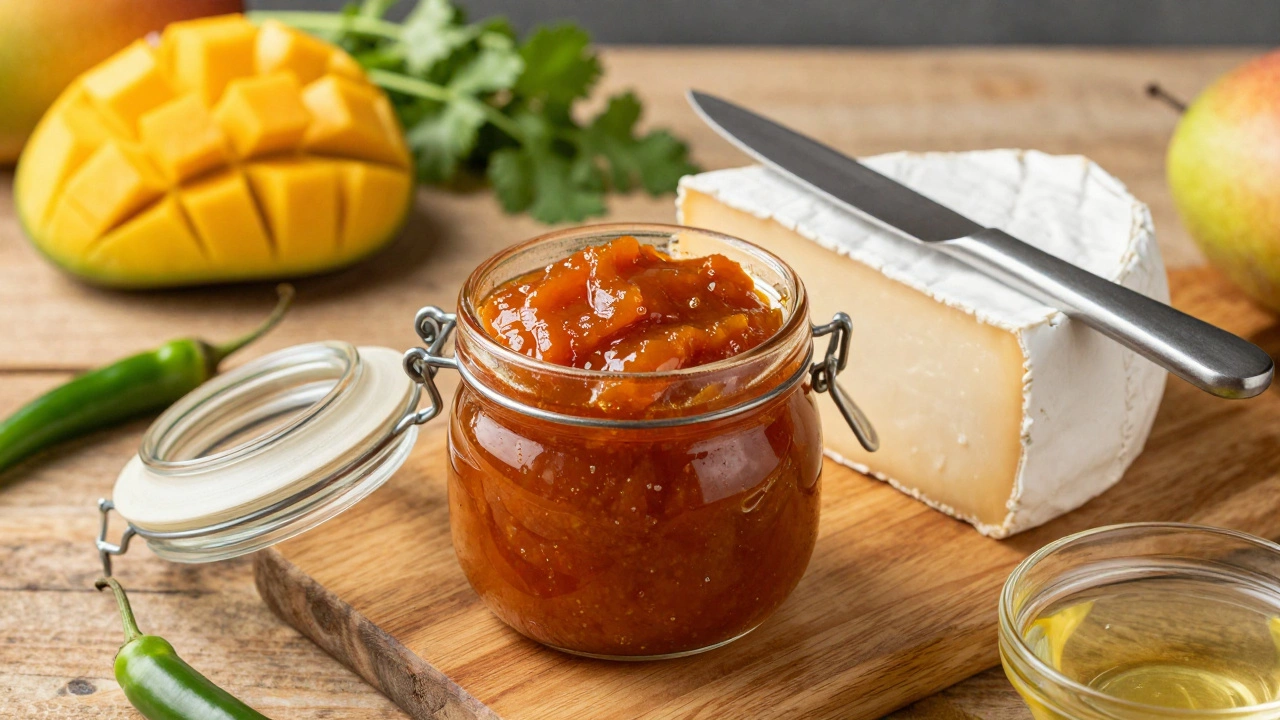
If someone asks for "chutney" in the US, they almost always mean Mango Chutney. This is the thick, dark orange-red spread served with chicken tikka masala or piled onto a block of cheddar cheese. It is sticky, sweet, and has a slow-building heat.
Your best bet here is **apricot preserves** or **peach jam**. These fruits share that same stone-fruit sweetness and texture as ripe mangoes. However, plain jam lacks the acidity and spice. To make it work, take two tablespoons of apricot preserves and stir in half a teaspoon of apple cider vinegar, a pinch of ground ginger, and a tiny sprinkle of red pepper flakes. Suddenly, that generic dessert topping transforms into something that mimics the savory-sweet punch of a proper mango chutney.
If you can find **mango salsa** in the produce aisle, that is even better. Just be aware that salsas are chunkier and wetter than traditional cooked chutneys. If you are using it as a dip, it works perfectly. If you are spreading it on a sandwich, you might want to mash it up a bit first.
Green Chutney: The Fresh Alternative
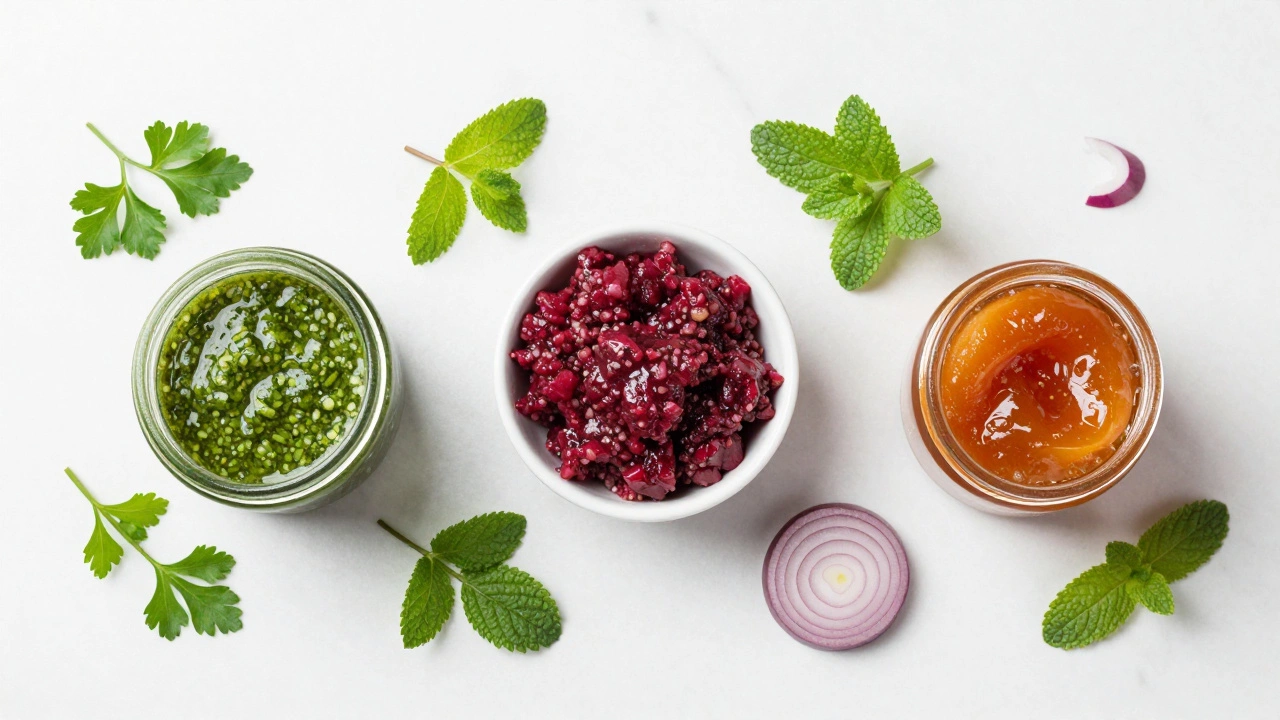
Green chutney is liquidy, bright green, and intensely herbal. It is made primarily from cilantro, mint, green chilies, and tamarind. It doesn't keep well in jars like mango chutney does; it is usually made fresh daily in Indian households.
There is no shelf-stable American jarred product that matches this exactly. Your closest match is **chimichurri** or a very fresh **cilantro-lime salsa**. Chimichurri, originally from Argentina, uses parsley and oregano instead of cilantro and mint, but the method of blending fresh herbs with oil, vinegar, and garlic is identical. If you can swap the parsley for cilantro and add a sprig of mint, you have essentially recreated green chutney.
Another option is **pesto**. While pesto is basil-heavy and oily, the concept of a raw herb paste is similar. A quick fix is to blend fresh cilantro, a clove of garlic, a squeeze of lemon, and a splash of olive oil. It won't have the fermented depth of tamarind, but it will provide that necessary herbal brightness to cut through rich foods like fried samosas or heavy curries.
Relish vs. Chutney: What's the Difference?
You might see bottles labeled "fruit relish" next to the pickles. Can you use them? Yes, but with caution. Relish is typically made from cucumbers, peppers, or onions that are finely chopped and preserved in vinegar. It is crunchy and tangy.
Chutney is softer, often cooked down until the fruit breaks down into a jam-like consistency. Relish provides texture; chutney provides body. If you are putting this on a hot dog or a burger, relish is fine. But if you are serving it with grilled fish or roasted vegetables, relish might feel too acidic and watery. Look for **cranberry relish** or **apple relish** rather than cucumber relish, as the fruit base aligns better with the flavor profile of most chutneys.
When to Use Salsa Instead
In many ways, Mexican cuisine offers the closest cultural parallel to Indian condiments in terms of versatility. **Salsa** is not just for tacos. A good, chunky **pico de gallo** or a smooth **roasted tomato salsa** can stand in for onion-tomato chutneys.
For example, if a recipe calls for a tomato-onion chutney (often used as a base for curries), you can use a mild salsa verde or a fresh tomato salsa. The key is to ensure the salsa isn't too salty. Indian chutneys rely on salt brought out by spices, whereas American salsas often rely on added salt for preservation. Taste it before adding more salt to your dish.
DIY Quick Chutney Hacks
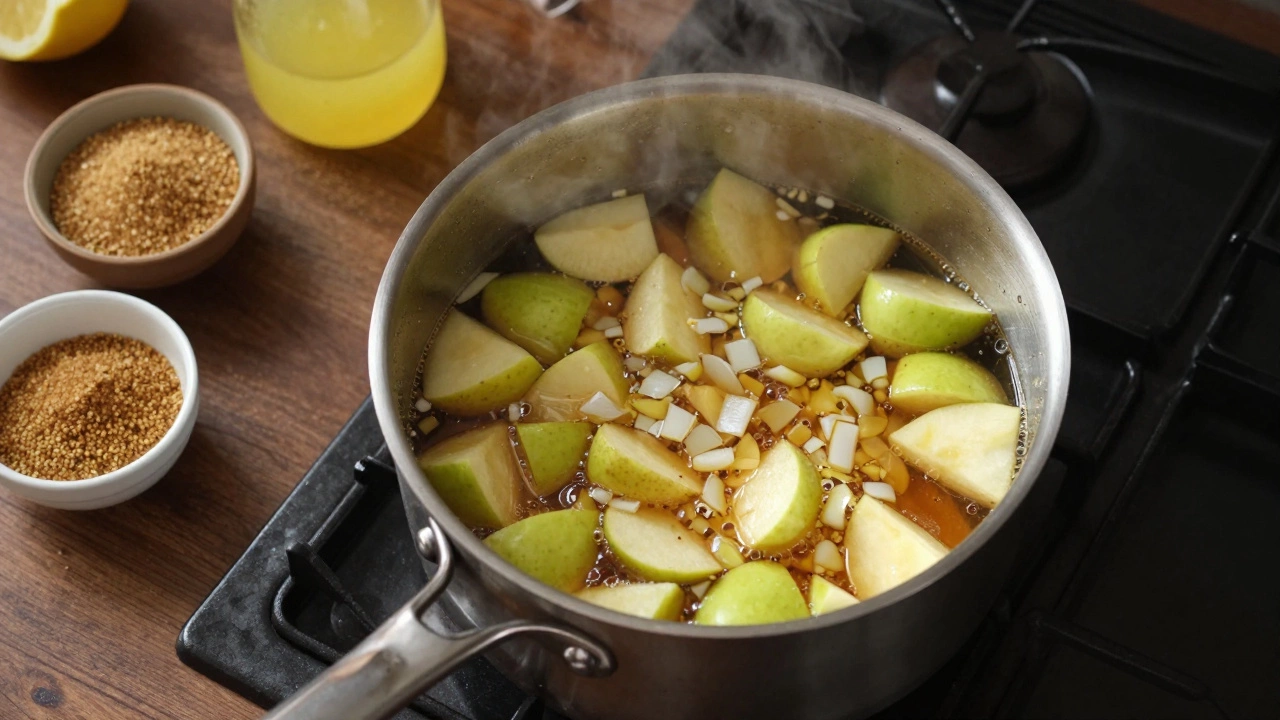
If you don't want to hunt for substitutes, making a basic chutney takes less time than driving to the specialty store. You don't need exotic ingredients. Here is a foolproof formula for a quick pantry chutney:
- Base Fruit: Diced apples, pears, or even grated carrots.
- Aromatics: Finely chopped onion and ginger.
- Acid: Apple cider vinegar or lemon juice.
- Sweetener: Brown sugar or honey.
- Spice: Mustard seeds, cumin, or black pepper.
Sauté the onions and ginger in a pan until soft. Add the diced fruit and cook until tender. Stir in the vinegar, sugar, and spices. Simmer for 10 minutes until it thickens. You now have a homemade chutney that tastes far superior to any jarred substitute. It keeps in the fridge for up to two weeks.
Cheese Pairing Tips
One of the most popular uses for chutney in the West is on cheese boards. If you are swapping chutney for another condiment, keep the cheese pairing in mind. Strong cheeses like aged cheddar, blue cheese, or goat cheese pair beautifully with sweet-and-sour condiments.
If you are using apricot preserves instead of mango chutney, try pairing it with a sharp white cheddar. If you are using a green herb sauce (like your chimichurri substitute), pair it with creamy mozzarella or feta. The goal is contrast: the fat of the cheese needs the acid and heat of the condiment to balance it out.
Common Mistakes to Avoid
When substituting chutney, people often reach for ketchup or BBQ sauce. While these are American staples, they are usually too smoky or tomato-heavy. Ketchup lacks the fruitiness, and BBQ sauce overwhelms delicate dishes with smoke flavor. Stick to fruit-based preserves or fresh herb mixes for the most accurate flavor translation.
Also, beware of "curry powder" flavored jams. Some brands sell "curry jam," which is a decent middle ground, but check the label. If it contains artificial flavors, it will taste chemical. Real chutney should smell like actual fruit and vinegar, not perfume.
Is there a direct brand name for American chutney?
No, there is no single "American brand" of chutney because chutney is inherently an Indian/South Asian product. However, major US brands like Heinz, Bertolli, and Stonewall Kitchen produce high-quality mango and fruit chutneys that are widely available in standard supermarkets. These are often sweeter and less spicy than authentic Indian versions.
Can I use pickle relish instead of chutney?
You can, but only for savory applications like burgers or sandwiches where texture matters more than flavor complexity. Pickle relish is much more acidic and watery than chutney. It will not work well as a dipping sauce for appetizers or as a glaze for meats unless you reduce it down with sugar and spices.
What is the difference between chutney and jam?
Jam is made solely from fruit and sugar, resulting in a sweet, spreadable consistency. Chutney includes vinegar, spices, and sometimes onions or chilies, creating a balance of sweet, sour, and spicy flavors. Chutney is generally thicker and more textured than jam.
Where can I buy authentic chutney in the US?
Authentic chutneys are widely available in the international aisle of large supermarkets like Walmart, Kroger, or Whole Foods. Brands like Mother's Recipe, MDH, and Priya are reliable options. For the freshest selection, visit local Indian or South Asian grocery stores, where you will find both bottled and freshly made varieties.
Does chutney expire quickly?
Commercially jarred chutneys have a long shelf life due to high vinegar and sugar content, often lasting 1-2 years unopened. Once opened, they should be refrigerated and consumed within 3-6 months. Homemade chutneys, lacking preservatives, should be eaten within 2-3 weeks when stored in the fridge.