Paneer Safety Checker
Step 1: Storage Details
Step 2: Visual & Smell Check
Check any indicators you observe:
Quick Safety Check
- Homemade (Unsalted): Usually lasts 3-5 days in the fridge.
- Homemade (Stored in water): May last 5-7 days if water is changed daily.
- Store-bought (Vacuum Packed): Follow the expiration date (often weeks).
- The Golden Rule: If it smells sour, feels slimy, or looks yellow, throw it out immediately.
The Science of Why Paneer Goes Bad
To understand why your 7-day-old cheese is risky, you have to look at what Paneer is a fresh, non-melting acid-set cheese common in South Asian cuisine. Unlike aged cheeses like Cheddar or Parmesan, paneer isn't fermented for months to remove moisture. It's basically a concentrated block of milk protein and fat.
Because it has a high moisture content and is neutral in pH, it is a playground for Bacteria. Specifically, lactic acid bacteria and spoilage organisms love the proteins in dairy. After a week, even in a cold fridge, these microbes can multiply to levels that produce toxins. While the fridge slows them down, it doesn't stop them entirely. If your fridge is set above 4°C (40°F), the risk of spoilage increases significantly.
Signs Your Paneer Has Turned
Your senses are your best defense. Don't just rely on the calendar; look for these specific red flags. If you see even one of these, do not taste the cheese to "check" it-just bin it.
The Texture Test
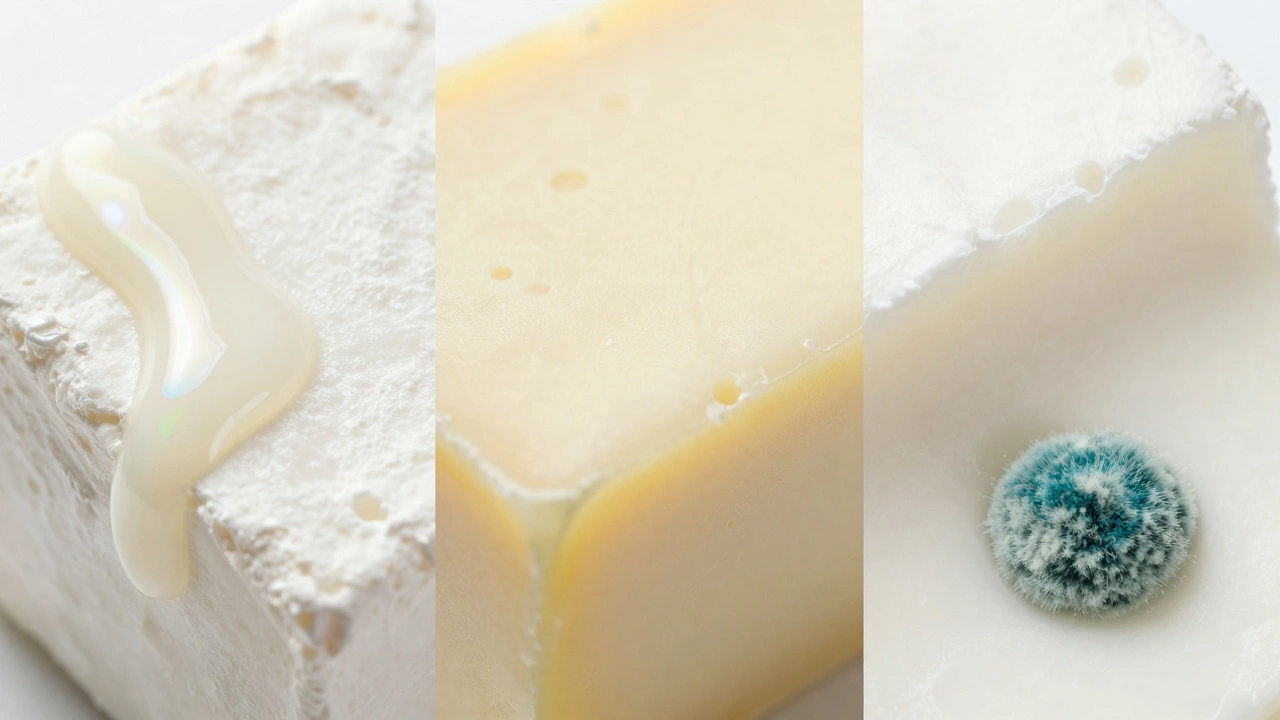
Fresh paneer should be firm and slightly springy. When it starts to spoil, it develops a "slimy" or "mucoid" film on the surface. This is a biofilm created by bacteria. If the block feels slippery or sticky even after rinsing, it's gone.
The Smell Test
Fresh paneer has a very mild, milky scent. Spoiled paneer smells sour, like old yogurt or, in worse cases, like ammonia. If you get a pungent "tang" as soon as you open the container, the fats are oxidizing and the proteins are breaking down.
The Visual Test
Look for discoloration. White or off-white is normal. Yellowish tints or small spots of green, blue, or pink mold are clear indicators of contamination. Note that mold on a soft cheese like paneer can penetrate deep into the center, so cutting the moldy part off isn't safe.
How to Actually Store Homemade Paneer
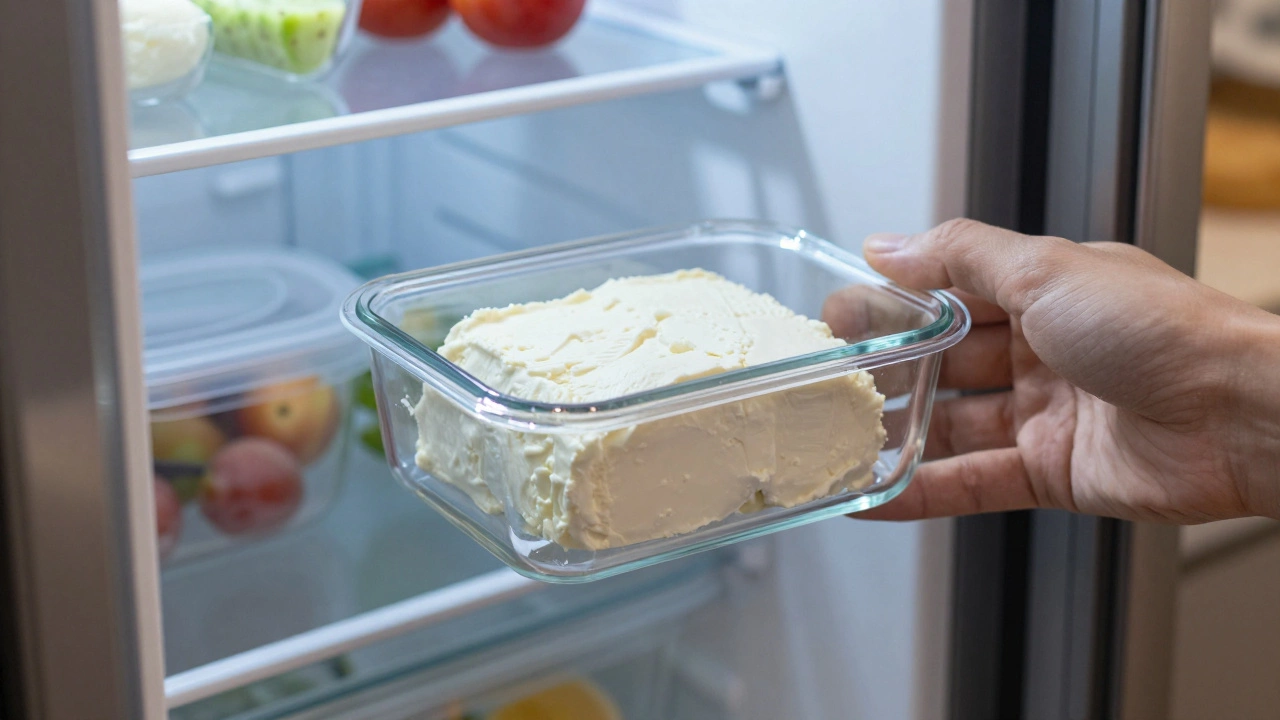
If you're making a big batch of Homemade Paneer and can't use it all in three days, your storage method determines whether you'll be throwing it away by day seven.
| Method | Expected Duration | Pro Tip |
|---|---|---|
| Dry container (Air-tight) | 3-4 Days | Wrap in parchment paper first to absorb excess moisture. |
| Submerged in Water | 5-7 Days | Change the water every 24 hours to remove lactic acid buildup. |
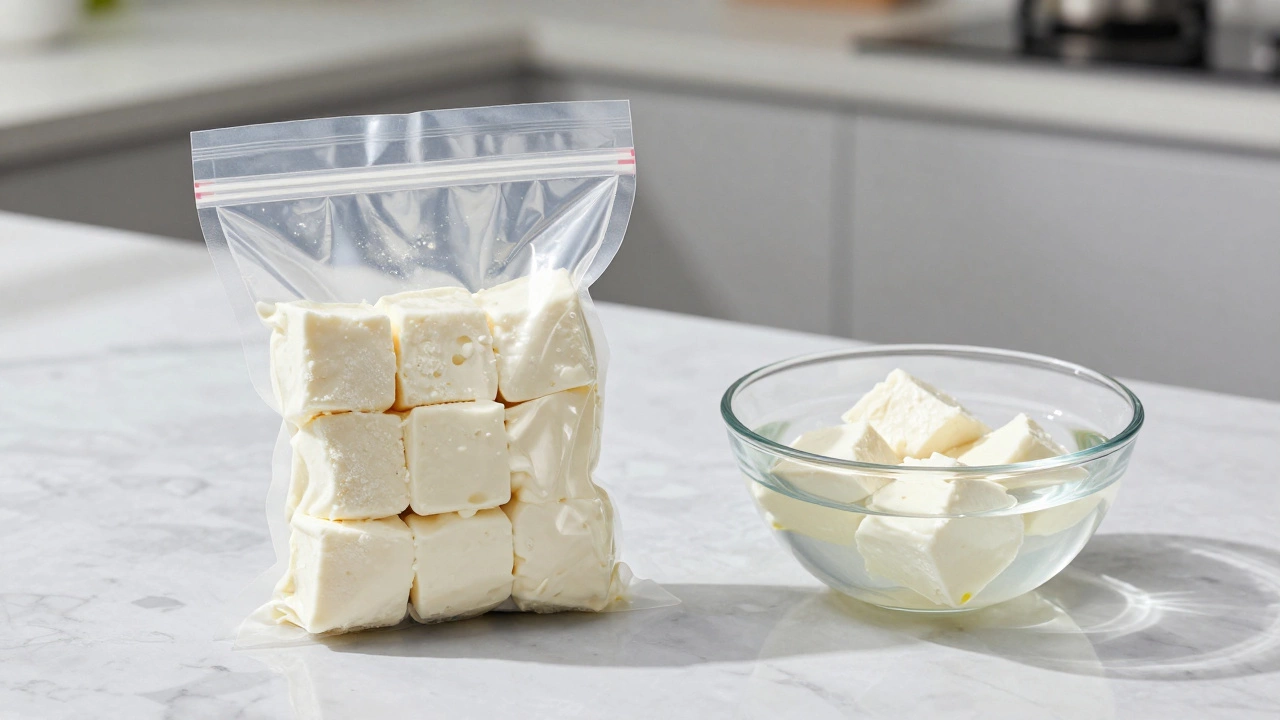
| Freezing (Airtight bag) | 3-6 Months | Thaw in the fridge overnight for the best texture. |
For those who want their cheese to last a full week in the fridge, the water-submersion method is the only viable option. By keeping the paneer in filtered water, you create a physical barrier against air and certain aerobic bacteria. However, the water itself becomes a breeding ground over time, which is why the daily change is non-negotiable.
Risks of Eating Old Dairy
Why not just cook it? Many people think that frying paneer at high heat in a pan will "kill the germs." While heat does kill active bacteria, it doesn't always destroy the heat-stable toxins they've already left behind. This is how you end up with Food Poisoning.
Common culprits in spoiled dairy include Listeria monocytogenes and Staphylococcus aureus. These can lead to nausea, stomach cramps, and vomiting. For healthy adults, it's a miserable few days; for children, the elderly, or pregnant women, it can be a serious medical emergency.
Better Alternatives to Save Your Batch
If you've just made a mountain of paneer and you're worried about the 7-day mark, stop trying to stretch the fridge limit and use these strategies instead.
- The Freezer Hack: Cut the paneer into the cubes you'll actually use for your recipes. Place them on a tray to freeze individually, then move them to a vacuum-seal bag. This prevents the cubes from sticking together and keeps them fresh for months.
- Quick-Pickling: If you're at day 4 and know you won't eat the rest by day 7, marinate the cubes in lemon juice, salt, and spices. The acidity of the lemon juice acts as a mild preservative and changes the flavor profile for a different type of dish.
- Cook and Freeze: Make a full batch of Palak Paneer or Matar Paneer. Cooked dishes often last slightly longer in the freezer than raw cheese blocks, and you've already performed the heat-treatment step.
Common Mistakes in Paneer Handling
A lot of people unknowingly shorten the life of their cheese. For example, using a wet spoon to scoop paneer out of a container introduces new bacteria every time you touch it. Always use a clean, dry utensil.
Another mistake is keeping paneer in the fridge door. The door is the warmest part of the refrigerator and experiences the most temperature swings every time you open it. For maximum longevity, store your cheese in the main body of the fridge, preferably toward the back where the temperature is most stable.
Can I eat 7-day-old paneer if I cook it thoroughly?
No, this is a dangerous assumption. While high heat kills bacteria, some bacteria produce toxins that are heat-stable. This means even if the bacteria are dead, the poison they left behind can still make you sick. If the paneer shows any signs of spoilage, cooking will not make it safe.
Is it safe if it doesn't smell bad but it's been 7 days?
Not necessarily. Some types of spoilage bacteria do not produce a strong odor or visible mold in the early stages. If you've stored it dry and it's been 7 days, the risk is high. If it's been in fresh water changed daily, it may be acceptable, but use caution.
How do I tell if homemade paneer is still good?
Check for three things: Smell (should be milky, not sour), Touch (should be firm, not slimy), and Sight (should be white, not yellow or spotted with mold). If it fails any of these, discard it.
Does adding salt to homemade paneer make it last longer?
Yes, salt acts as a preservative by reducing water activity, making it harder for bacteria to grow. While it won't turn paneer into a long-term aged cheese, salted paneer generally lasts a day or two longer than completely unsalted versions.
Can I freeze paneer and thaw it multiple times?
You should avoid this. Every time you thaw and refreeze dairy, you damage the protein structure, which makes the paneer rubbery or crumbly. More importantly, every thaw cycle brings the cheese into the "danger zone" temperature range, increasing the risk of bacterial growth.