Indian Breakfast Recommendation Tool
Not sure what to eat? Tell us your morning vibe and we'll suggest the best regional champion for you!
Our Recommendation:
But if we have to look at sheer volume and ubiquity across the country, the title of the "number one" breakfast often comes down to a clash between the South Indian Idli is a savory steamed cake made from a fermented batter of rice and black lentils and the North Indian Paratha is a flaky, pan-fried flatbread often stuffed with spiced potatoes or cauliflower. Both are nutritional powerhouses, but they serve completely different vibes and regional needs.
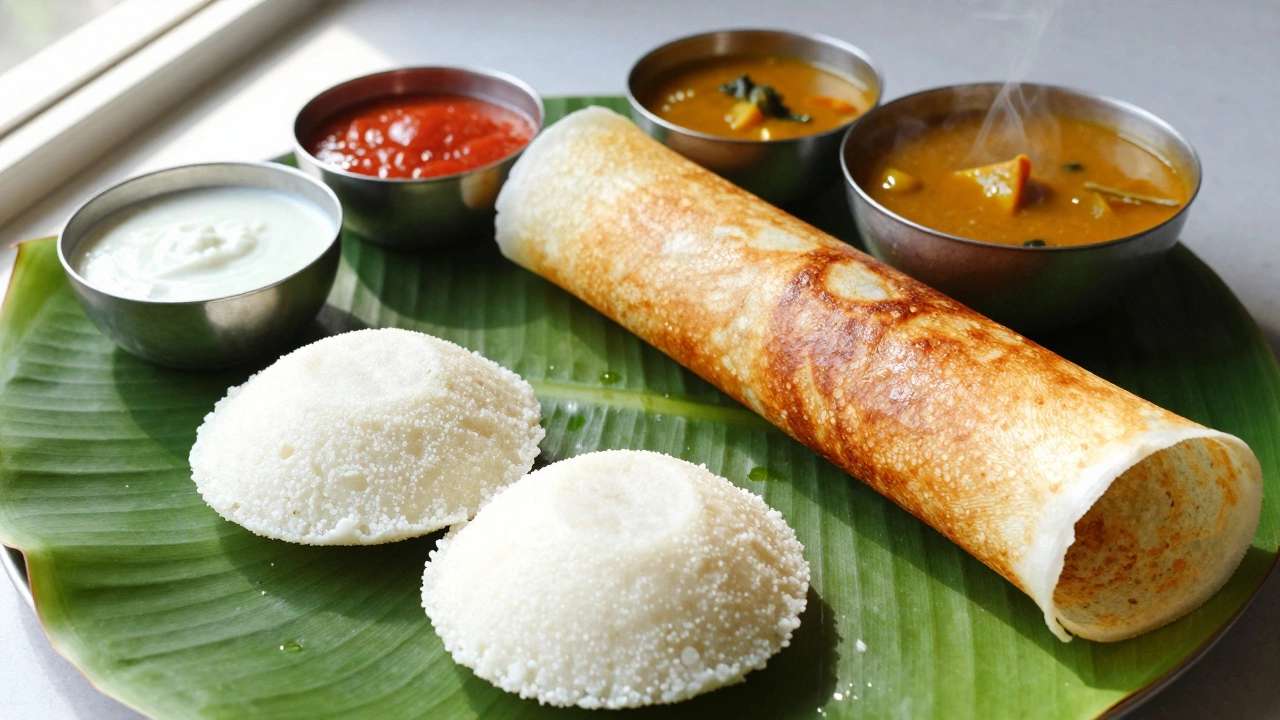
The South Indian Powerhouse: Idli and Dosa
In the southern states, breakfast is an art form centered around fermentation. You can't talk about Indian mornings without mentioning Idli. These soft, pillowy steamed cakes are the gold standard for health. Because they are steamed and not fried, they are easy on the stomach. Most families pair them with Sambar, a lentil-based vegetable stew, and a coconut-based chutney.
Then there is the Masala Dosa, which is essentially the "king" of the street-side breakfast. Imagine a thin, fermented rice crepe fried until it's golden and crispy, then stuffed with a spicy potato mash. It is the kind of meal that keeps you full until late afternoon. The magic lies in the fermentation process, which makes the rice and lentils easier to digest and adds a signature tang that you won't find in wheat-based breakfasts.
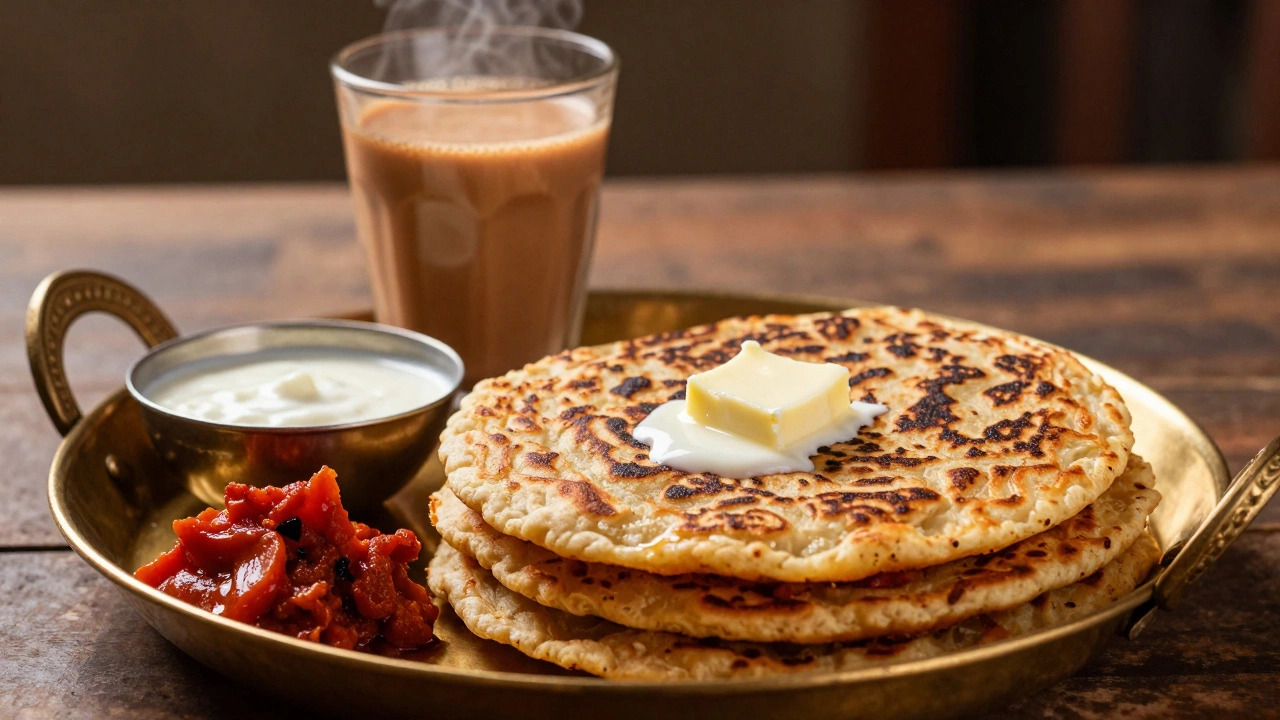
The North Indian Comfort: Paratha and Tea
Head north to Punjab or Delhi, and the scene shifts from rice to wheat. The Aloo Paratha (potato-stuffed flatbread) is the undisputed champion here. It is a heavy, calorie-dense meal designed for people who historically spent long hours working in fields. A real Punjabi breakfast isn't complete without a massive dollop of white butter (makhan) melting on top of a hot paratha, served with a side of thick yogurt and spicy mango pickle.
While the South focuses on lightness and fermentation, the North focuses on satiety and warmth. You will almost always see this paired with a strong, milky Masala Chai. The caffeine and sugar kick, combined with the heavy fats of the paratha, creates a fuel source that can power anyone through a chaotic morning commute in a city like New Delhi.
The West Coast Favorites: Poha and Misal Pav
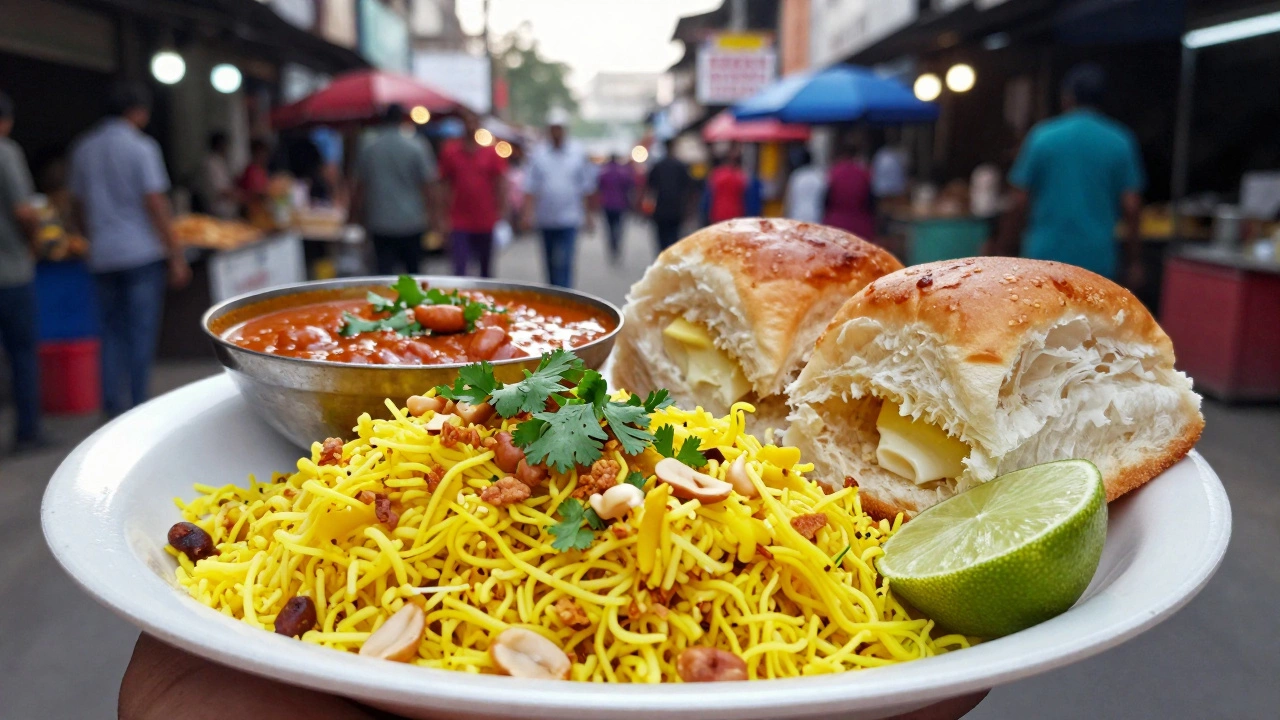
If you wander through the streets of Indore or Mumbai, you'll smell the distinct aroma of Poha. This is a quick breakfast india loves because it takes minutes to prepare. It uses flattened rice that is rinsed and then sautéed with mustard seeds, turmeric, onions, and peanuts. To make it a complete meal, locals often squeeze fresh lime over it and sprinkle some sev (crunchy chickpea noodles) on top for texture.
For those who want something with a real punch, Misal Pav is the go-to. This is a spicy sprout curry topped with farsan (savory mixture) and served with buttered bread rolls called Pav. It is a bold, fiery start to the day that is incredibly popular in Maharashtra. The combination of protein-rich sprouts and carbohydrates from the bread makes it a balanced, albeit very spicy, choice.
| Dish | Region | Main Ingredient | Preparation Style | Health Profile |
|---|---|---|---|---|
| Idli | South | Rice & Lentils | Steamed | High (Probiotic) |
| Paratha | North | Whole Wheat | Pan-fried | High Energy/Calorie |
| Poha | West | Flattened Rice | Sautéed | Light/Moderate |
| Masala Dosa | South | Rice & Lentils | Griddled | Moderate (Fried) |
The Secret Weapon: Chutneys and Sides
No Indian breakfast is a standalone dish. The identity of the meal is often defined by what accompanies it. In the South, the Coconut Chutney provides a cooling contrast to the spicy sambar. In the North, the thick, creamy curd (dahi) acts as a digestive aid and balances the heat of the stuffed potatoes.
These sides aren't just garnishes; they are essential. For example, a Poha without a squeeze of lemon or a sprinkle of raw onions feels unfinished. The contrast of textures-the crunch of sev on Poha, the softness of Idli, and the crispiness of a Dosa-is what makes Indian breakfasts so addictive. It is all about balancing the five tastes: sweet, sour, salty, bitter, and spicy.
Why Diversity Wins Over a Single "Number One"
Why is it so hard to pick just one? Because the diet is tied to the climate and geography. In the humid South, rice and coconut grow in abundance, leading to the dominance of Idli and Dosa. In the fertile plains of the North, wheat is the king, making Parathas the logical choice. In the West, the ease of using flattened rice (Poha) fits the fast-paced lifestyle of trading hubs like Mumbai.
Even within a single household, you might find a mix. It is not uncommon for a family in a metropolitan city to have Poha on a weekday for speed, and a lavish spread of Puri Bhaji on a Sunday morning. This flexibility is why Indian breakfast culture is so resilient-it evolves with the person's needs, whether they need a light probiotic start or a heavy-duty energy boost for a day of hard labor.
Practical Tips for Trying These at Home
If you are trying to recreate these flavors, don't be intimidated by the fermentation process. For Idlis and Dosas, the secret is the ratio of rice to urad dal (black gram). A typical ratio is 3:1. If you are in a rush, you can buy "instant" batter from most Indian grocery stores, which uses a bit of soda to mimic the fluffiness of a 12-hour ferment.
For Parathas, the key is not over-mixing the dough. Use whole wheat flour and let the dough rest for at least 20 minutes before rolling. This ensures the bread stays soft even after it's been fried. If you find the traditional butter too heavy, a small amount of olive oil or ghee works just as well to get that golden-brown crust without the heavy grease.
Is Poha healthy for weight loss?
Yes, Poha is generally considered a healthy option because it is light and gluten-free. Since it is steamed and sautéed with minimal oil and lots of vegetables, it's low in calories compared to deep-fried options. However, avoid adding too much sev or fried peanuts if you are strictly counting calories.
Can I make Idli without fermenting the batter?
You can use "Instant Idli" recipes that use Rava (semolina) and yogurt or a pinch of baking soda. While they taste similar, you miss out on the probiotic benefits that come from traditional fermentation. For the authentic tangy taste, fermentation is a must.
What is the difference between a Paratha and a Roti?
A Roti is a simple, unleavened flatbread cooked on a tawa without oil, usually served as a staple for lunch or dinner. A Paratha is typically layered or stuffed and is shallow-fried with oil or ghee, making it richer and more filling, which is why it's a breakfast favorite.
Which Indian breakfast is best for diabetics?
Idlis are often recommended because they are steamed and the fermentation process lowers the glycemic index of the rice. However, pairing them with a vegetable-heavy sambar is key to managing blood sugar. Avoid the honey-soaked sweets or highly processed white bread often served on the side.
Why is Masala Chai always served with breakfast?
The strong flavors of ginger, cardamom, and cloves in Masala Chai cut through the richness of fried foods like Parathas or Vada. It acts as a palate cleanser and provides a necessary energy spike to start the day.