Dosa Texture Predictor & Ratio Calculator
Adjust the sliders to match your ingredients:
Analysis:
Pro Tip:
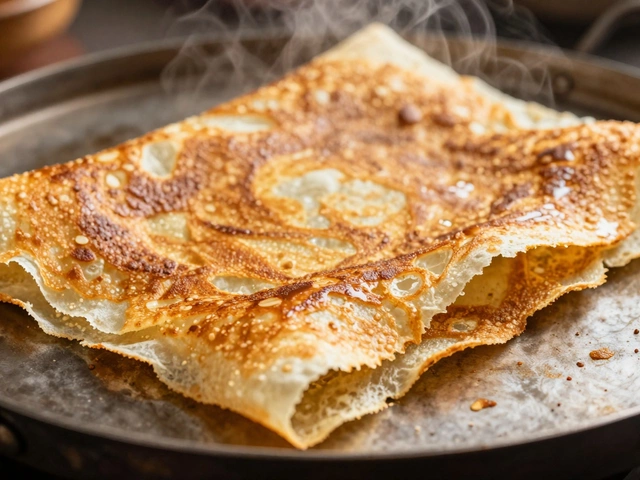
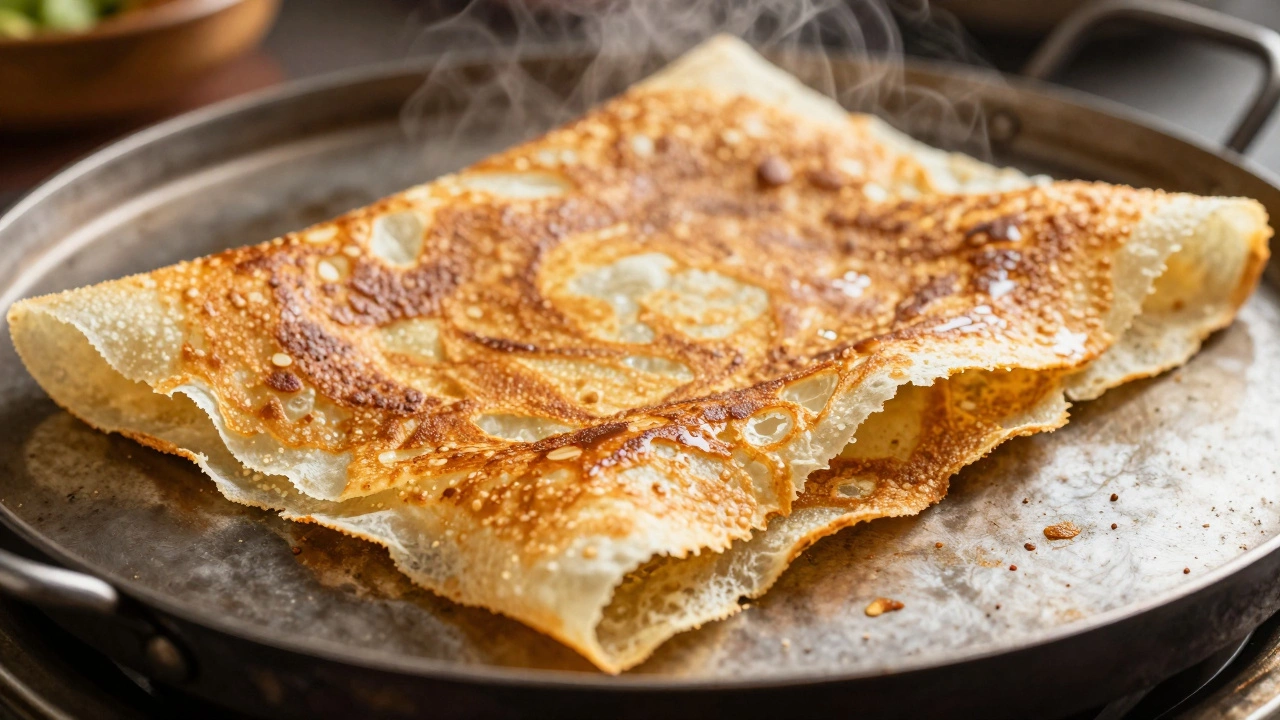
You pour the batter onto the hot tawa, spread it thin with confidence, and wait for that satisfying sizzle. But when you lift the edge, the dosa doesn't crackle. It bends. Worse yet, it tears into a dense, chewy mess that sticks stubbornly to the pan. You've tasted it, and it feels less like a delicate crepe and more like a piece of rubber band. It’s frustrating, especially when you’ve followed the recipe to the letter.
So, why is dosa batter turning out rubbery instead of crisp? The culprit is rarely just one thing. Usually, it’s a combination of ingredient ratios, fermentation mishaps, or cooking techniques gone wrong. Let’s break down exactly what causes this texture failure and how to fix it so your next batch comes out light, lacy, and shatteringly crisp.
The Rice-to-Urad Dal Ratio: The Foundation of Texture
The most common reason for a rubbery dosa is an incorrect balance between rice and urad dal (black gram). This isn’t just about taste; it’s about chemistry. Urad dal provides the protein structure and the air pockets needed for fluffiness, while rice provides the starch that creates the crisp crust.
| Dosa Type | Rice to Urad Dal Ratio | Expected Texture |
|---|---|---|
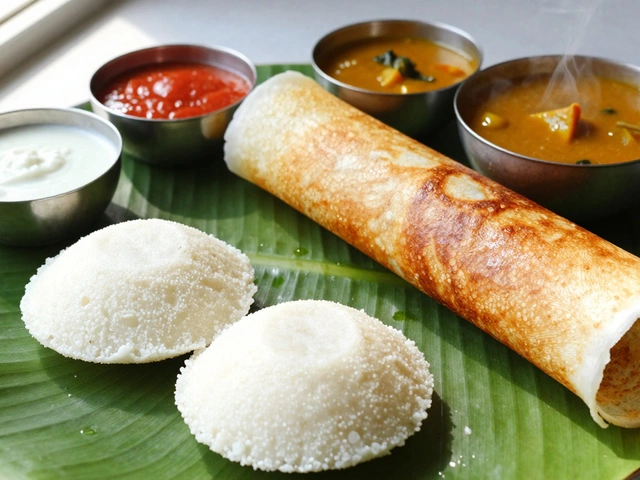
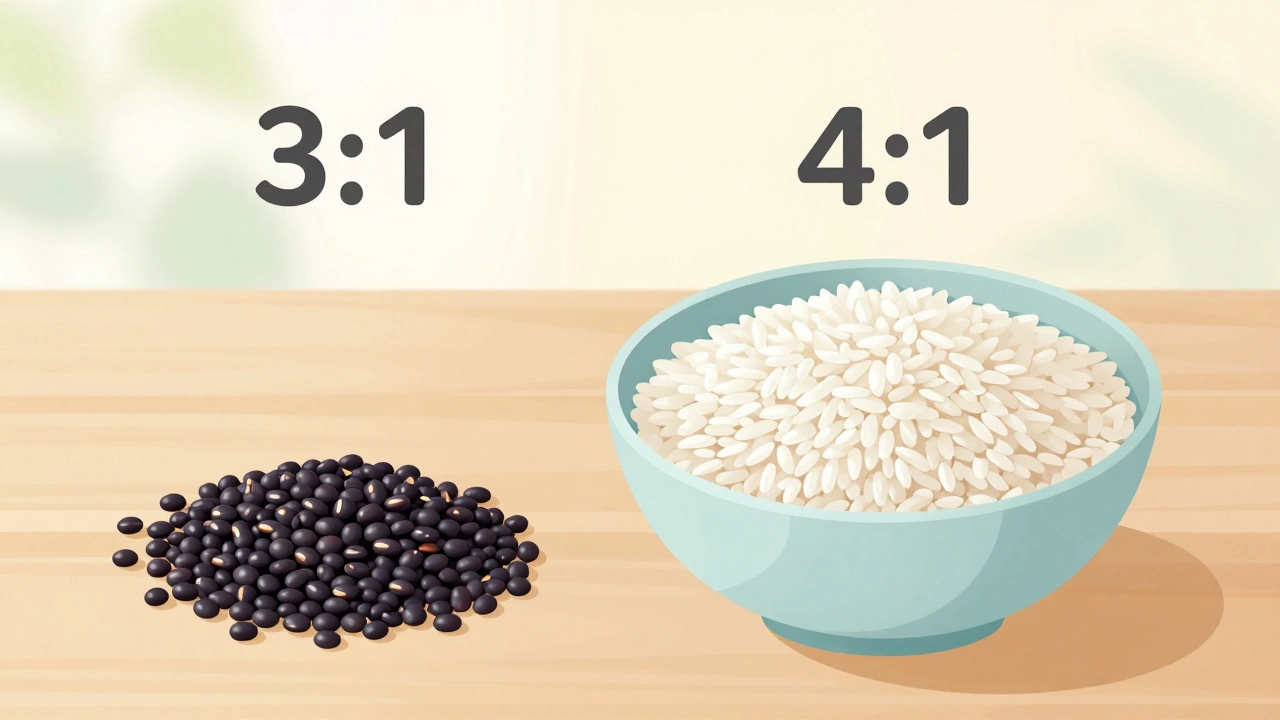
| Classic Thin & Crispy | 3:1 or 4:1 | Lacy, brittle, non-chewy |
| Thick & Soft (Meyyan Dosa) | 2:1 | Puffy, soft, slightly chewy but not rubbery |
| Rubbery Failure Zone | Less than 2:1 (Too much dal) | Dense, elastic, dough-like |
If your ratio leans too heavily toward urad dal-say, 1:1 or even 2:1 for a thin dosa-the batter becomes overly rich in gluten-forming proteins. When cooked, these proteins tighten up rather than setting into a crisp lattice. For a standard crispy dosa, stick to a 3:1 or 4:1 ratio of rice to dal. If you love the thicker, softer style, ensure you are cooking them on lower heat for longer, but even then, a 1:1 ratio often leads to that undesirable rubbery snap.
Fermentation: The Missing Air
Fermentation is where magic happens, but it’s also where things go silent. A properly fermented batter will have risen, smell slightly sour, and look airy when stirred. If your batter is flat and dense, the resulting dosa will be heavy and rubbery because there are no gas bubbles to create steam and lift the structure during cooking.
Several factors can kill fermentation:
- Cold Weather: Yeast and bacteria slow down significantly below 20°C (68°F). In cooler months, leave the batter near the oven light or in a warm cupboard overnight.
- Chlorinated Water: Tap water with high chlorine levels can inhibit bacterial growth. Use filtered or boiled (and cooled) water for soaking and grinding.
- Under-fermentation: If you rush the process, the batter hasn’t developed the necessary acidity and volume. Wait until the batter has visibly doubled in size before cooking.
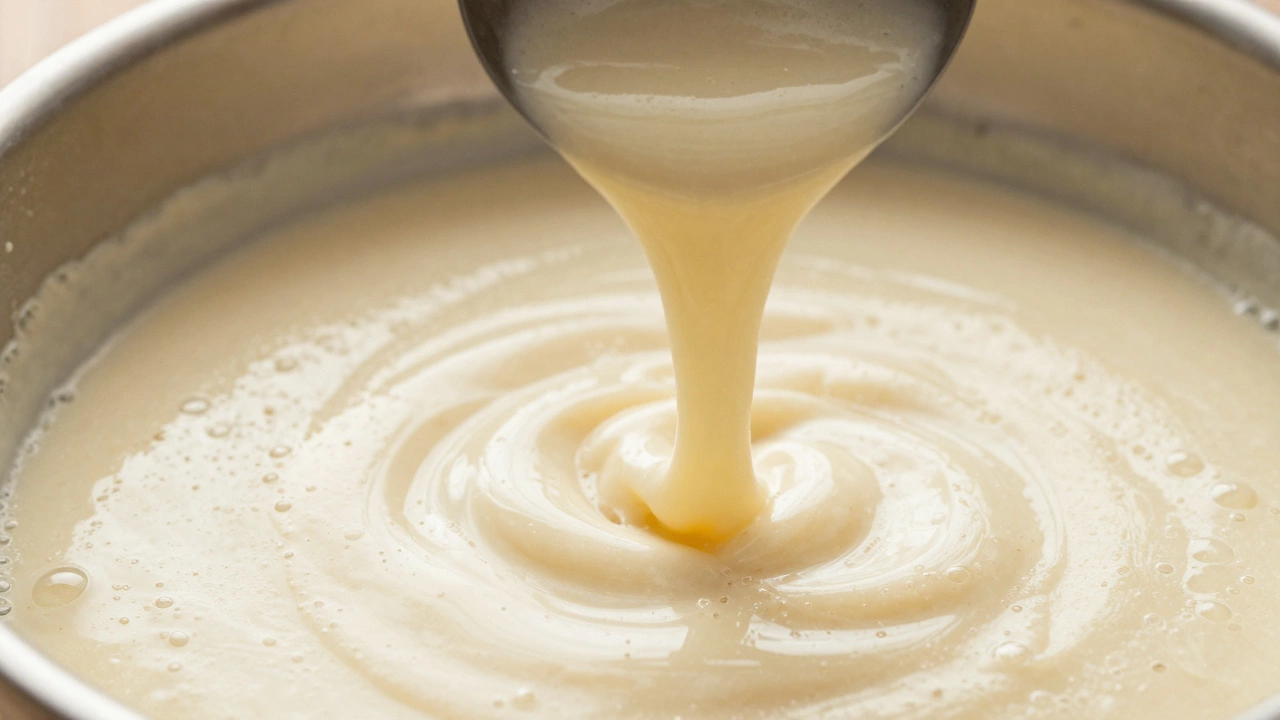
A quick test: stir the batter vigorously. If it flows smoothly off the ladle and leaves tiny air bubbles on the surface, it’s ready. If it looks glossy and thick without bubbles, give it another few hours in a warm spot.
Grinding Technique: Too Smooth or Too Wet?
How you grind the batter affects its texture more than you might think. Many home cooks make the mistake of adding too much water during grinding. While a wet batter spreads easily, it lacks the structural integrity to crisp up. Instead, it steams, creating a soggy, rubbery interior.
Aim for a batter consistency similar to pancake batter-not runny like milk, but not stiff like dough. When you lift the whisk, it should drip in a continuous stream, not drop in heavy globs. Also, avoid over-grinding the urad dal. If you blend it into a completely smooth, silky paste, you lose the coarse particles that help create texture. A slight graininess in the dal component contributes to a better crunch.
Here’s a pro tip: grind the urad dal separately from the rice. Urad dal requires less water and benefits from being aerated during grinding. Add ice-cold water while grinding the dal to keep it cool; heat generated by the motor can spoil the fermentation potential before it even starts.
The Tawa Temperature Game
Even perfect batter can fail if the cooking surface is wrong. A rubbery dosa often results from cooking on a pan that is either too cold or unevenly heated.
If the tawa is too cool, the batter spreads but doesn’t set quickly. The moisture remains trapped inside, leading to a gummy texture. If the tawa is too hot, the outside burns before the inside cooks, leaving a raw, chewy center. You need medium-high heat. To test it, sprinkle a few drops of water on the pan. They should dance and evaporate instantly. That’s your sweet spot.
Also, consider the type of pan. Cast iron retains heat well but takes time to heat evenly. Non-stick pans heat up fast but can warp under high heat, causing hot spots. A seasoned steel tawa is often the gold standard for dosas because it holds heat consistently and allows for proper caramelization of the starches.
Oil vs. Ghee: The Crisp Factor
While oil helps spread the batter, ghee (clarified butter) adds flavor and aids in crisping. However, using too much oil can actually make the dosa greasy and soft rather than crisp. The key is moderation.
Brush the edges lightly with oil or ghee after spreading the batter. Don’t drown the center. The goal is to fry the edges until they turn golden brown and brittle. If you use vegetable oil, ensure it has a high smoke point. Coconut oil works beautifully for traditional South Indian dosas, adding a distinct aroma and helping the batter release cleanly from the pan.
Common Mistakes to Avoid
Beyond ratios and temperature, small habits can ruin your dosa game. Here are a few pitfalls to watch out for:
- Mixing the Batter Vigorously Right Before Cooking: Once fermented, handle the batter gently. Over-mixing collapses the air bubbles you worked hard to create, leading to denser, tougher dosas.
- Using Old Rice: Fresh, short-grain rice ferments better and yields a lighter texture. Old rice absorbs more water and can result in a heavier batter.
- Salt Timing: Add salt only after fermentation is complete. Salt inhibits yeast activity. If you add it before fermenting, you might end up with flat, rubbery batter.
Another subtle issue is the variety of rice used. Parboiled rice (like Ponni or Samba) is ideal because it has been treated to retain nutrients and has a firmer structure, which translates to a crispier dosa. Basmati or long-grain rice tends to produce softer, sometimes mushy dosas unless balanced correctly with dal.
Troubleshooting Your Next Batch
If your last batch was rubbery, don’t toss the batter. You can salvage it. Mix in a tablespoon of semolina (suji) or besan (gram flour). These ingredients act as binders and crisping agents, cutting through the elasticity of the excess protein. Alternatively, add a pinch of baking soda to introduce immediate leavening, though this changes the flavor profile slightly.
For future batches, keep a log. Note the rice variety, the exact ratio, the ambient temperature, and the fermentation time. Small adjustments-like increasing the rice by half a cup or extending fermentation by two hours-can transform your results dramatically.
Remember, making perfect dosa batter is part science, part art. It requires patience and observation. But once you understand why the batter behaves the way it does, you’ll stop fighting it and start mastering it. Your next dosa shouldn’t just feed you; it should sing with every bite.
Can I use instant rice for dosa batter?
Yes, you can use instant rice, but the texture will differ. Instant rice is pre-cooked and parboiled, so it ferments faster and produces a softer, less crispy dosa. For a crispier result, mix instant rice with regular raw rice in a 1:1 ratio.
Why does my dosa batter smell bad?
A strong, unpleasant odor usually indicates over-fermentation or contamination. If the batter smells rotten or alcoholic, discard it. Proper fermentation should smell mildly sour and yeasty. Ensure your grinder and storage containers are clean to prevent bacterial issues.
How do I make dosa batter rise in winter?
In cold weather, place the batter in a large bowl and cover it with a damp cloth. Put the bowl in an oven with only the light turned on, or wrap it in towels and place it near a heater. You can also add a pinch of sugar or idli yeast to boost fermentation speed.
Is it okay to refrigerate dosa batter?
Refrigerating stops fermentation, so it’s not recommended for active rising. However, you can store fully fermented batter in the fridge for up to 3 days. Bring it to room temperature before cooking, and adjust consistency with water if it thickens.
What is the best rice variety for crispy dosa?
Parboiled short-grain rice varieties like Ponni, Samba, or Matta rice are best. They absorb water well, ferment efficiently, and provide the right starch content for a crisp, lacy texture. Avoid basmati or very long-grain rices for traditional crispy dosas.
- Poplular Tags
- dosa batter
- rubbery dosa
- fermentation tips
- crispy dosa
- rice to urdal ratio