Paneer Vinegar Calculator
How Much Vinegar For Your Paneer?
Calculate the precise amount of white distilled vinegar needed for your paneer recipe based on milk quantity.
When you make paneer at home, the acid you use to curdle the milk makes all the difference. It’s not just about getting the right texture-it affects flavor, color, and even how well your paneer holds up in curries. So, which vinegar works best? The short answer: white distilled vinegar. It’s clean, reliable, and doesn’t overpower the milk. But let’s dig deeper, because not all vinegars are created equal when it comes to paneer.
Why Acid Matters in Paneer Making
Paneer isn’t made with rennet like most cheeses. Instead, it’s curdled with acid. That acid breaks down the milk proteins, separating the solid curds from the liquid whey. The type of acid you pick changes how fast this happens, how firm the curds become, and even how much tang stays in the final product.
If you use something too strong, like lemon juice in large amounts, your paneer can turn grainy or bitter. Too weak, and the curds won’t form properly. That’s why most home cooks in India stick to one reliable option: white vinegar.
White Distilled Vinegar: The Gold Standard
White distilled vinegar is 5% acetic acid, diluted with water. It’s clear, odorless once cooked, and leaves no aftertaste. When you add it to hot milk, the curds form quickly and evenly. The result? A smooth, firm paneer that slices cleanly and holds its shape in koftas or grilled dishes.
Most Indian households use this because it’s cheap, easy to find, and doesn’t vary in strength. You don’t need to measure it precisely-just add it slowly while stirring, and stop as soon as the milk fully separates. Usually, 2 to 3 tablespoons per liter of milk is enough.
What About Lemon Juice?
Lemon juice is the second most common choice. It works, no doubt. But here’s the catch: it adds a slight citrus flavor. That’s fine if you’re making paneer for a dessert or a sweet dish, but for savory recipes like palak paneer or paneer tikka, it can clash. Also, lemon juice is less predictable. One lemon might be sourer than another, depending on season and ripeness.
If you use lemon juice, you’ll need more of it-sometimes up to 1/4 cup per liter of milk. And if you add it too fast, the curds can become too fine and crumbly. White vinegar gives you more control.
Other Vinegars? Skip Them.
You might wonder: what about apple cider vinegar? Or rice vinegar? Or balsamic? The answer is simple: don’t use them.
- Apple cider vinegar has a strong fruity smell and dark color. It can tint your paneer slightly brown and leave a cider aftertaste.
- Rice vinegar is too mild. It won’t curdle the milk effectively, and you’ll end up with weak, watery curds.
- Balsamic vinegar? Absolutely not. It’s sweet, thick, and expensive. It’ll ruin the flavor and make your paneer sticky.
These vinegars are great for salads or marinades. But for paneer, they’re a mistake.
Temperature Matters Too
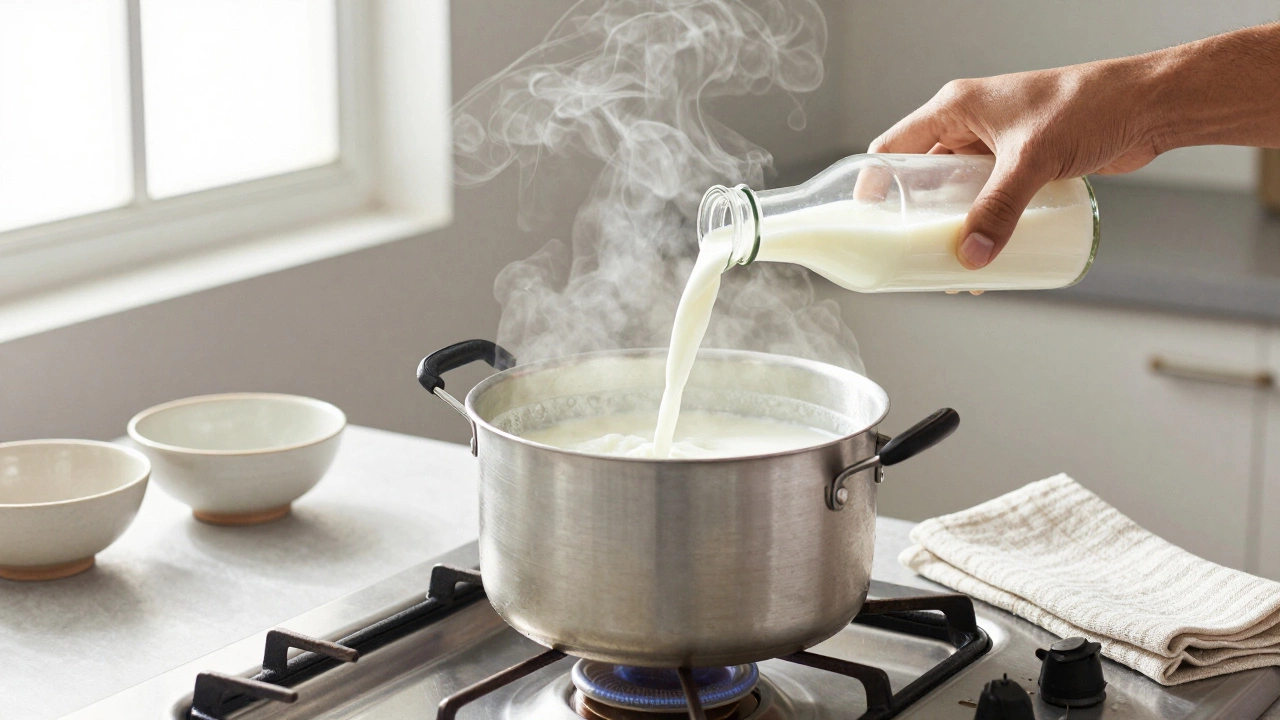
Even the best vinegar won’t work if your milk isn’t hot enough. You need to bring the milk to a full, rolling boil-around 90°C (195°F). Cold or lukewarm milk won’t curdle properly, no matter how much acid you add.
Here’s a simple trick: heat the milk slowly over medium heat, stirring gently to avoid scorching. Once it’s bubbling and steaming, turn off the heat. Then, slowly drizzle in the vinegar while stirring. Watch for the curds to separate from the whey. That’s your cue to stop.
How Much Vinegar to Use
You don’t need to guess. Use this rule of thumb:
- 1 liter of whole milk → 2 to 3 tablespoons white distilled vinegar
- 500 ml of milk → 1 to 1.5 tablespoons
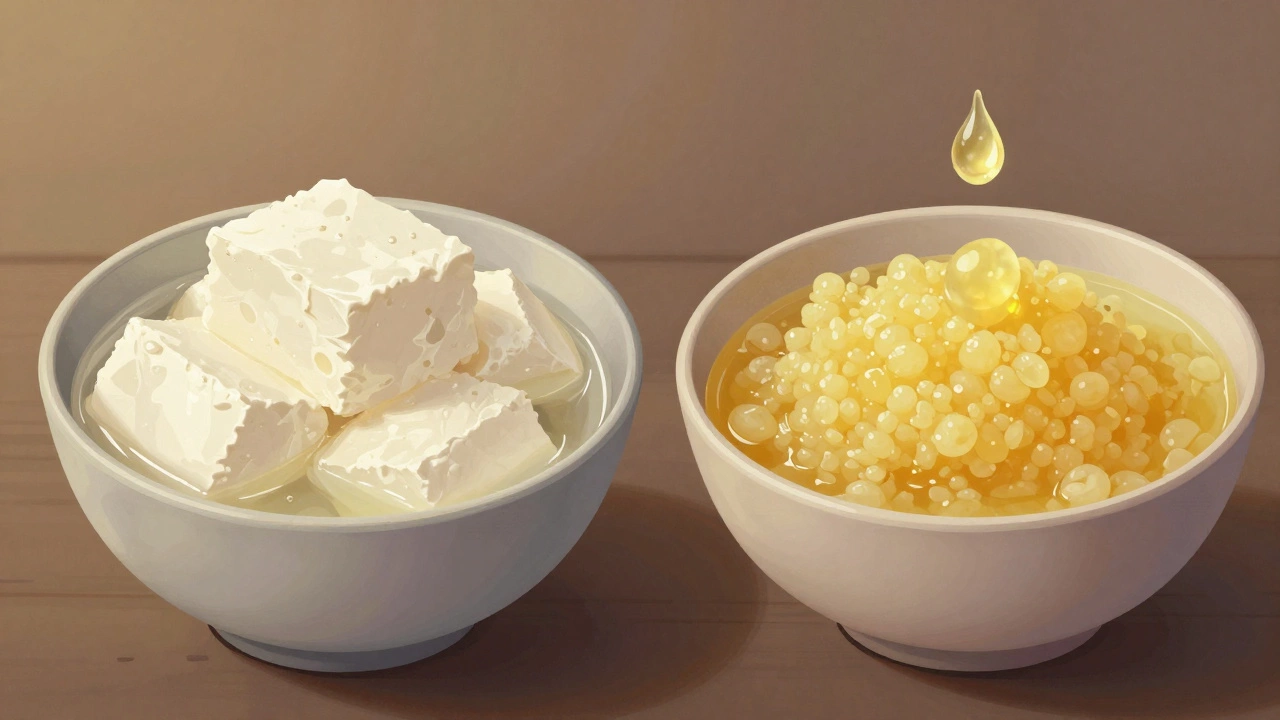
Add it slowly, a teaspoon at a time, and stir gently. Stop as soon as you see the milk turn into clear curds and yellowish whey. If you add too much, the paneer can get sour. If you add too little, it won’t set.
Why Not Yogurt or Buttermilk?
Sometimes people suggest using yogurt or buttermilk to make paneer. They’re acidic, right? Technically, yes-but they’re not strong enough. Yogurt has lactic acid, which is milder than acetic acid. You’d need to use a whole cup, and even then, the curds might not firm up properly. Plus, the flavor becomes too tangy. Stick with vinegar for clean, neutral results.
Pro Tips for Perfect Paneer Every Time
- Use full-fat milk. Low-fat or skim milk won’t give you enough fat to make firm, creamy paneer.
- Don’t boil the milk after adding vinegar. The heat is already there-just let it sit for 10 minutes.
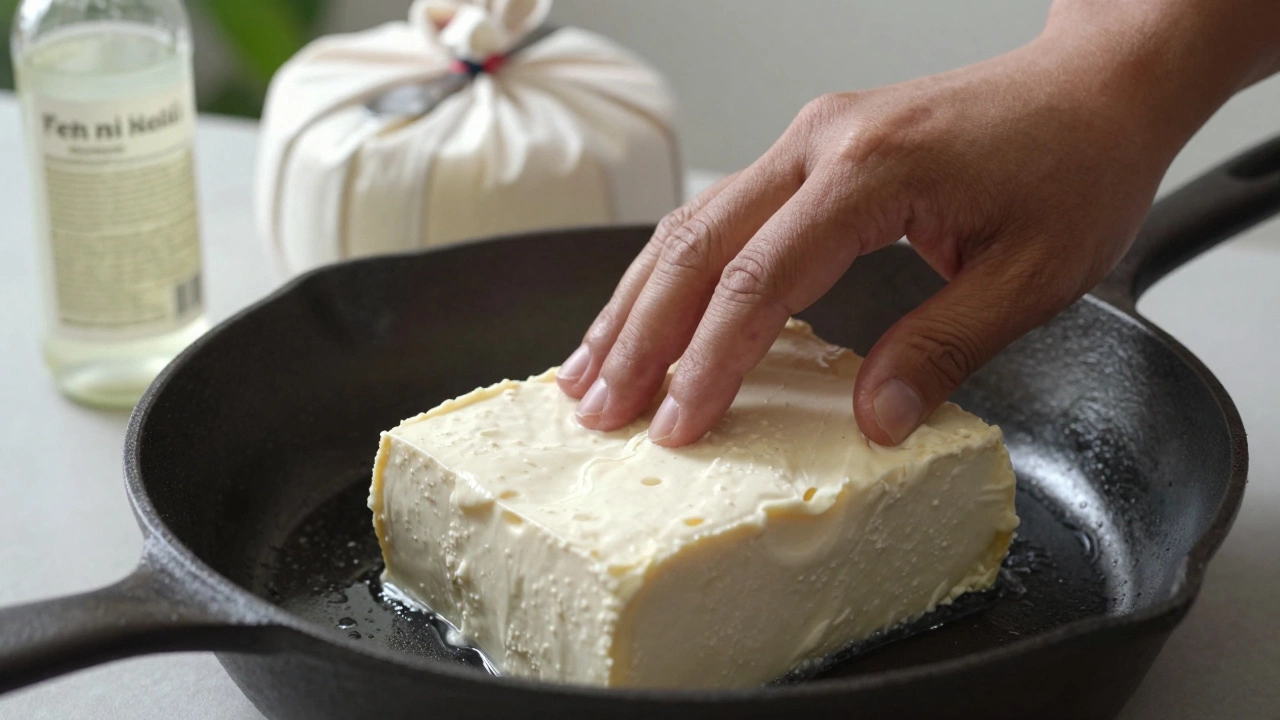
- Drain the curds in a muslin cloth, then hang it for 15-20 minutes to remove excess water.
- Press the paneer under a heavy weight (like a cast iron pan) for 30 minutes to get a solid block.
- Soak the finished paneer in cold water for 10 minutes to remove any lingering sourness.
What If My Paneer Turns Out Rubbery?
If your paneer is too chewy or rubbery, you probably pressed it too hard or too long. Or you used milk that wasn’t fresh. Fresh milk curdles better. Old milk can be too acidic already, which ruins the balance.
Also, over-stirring after adding vinegar breaks the curds into tiny pieces. That leads to a crumbly texture. Stir just enough to distribute the acid, then let it sit.
Final Answer: White Distilled Vinegar
For consistent, soft, flavorful paneer that works in every recipe-from spicy curries to sweet desserts-white distilled vinegar is the only choice you need. It’s the ingredient Indian grandmothers have used for generations, and for good reason. It doesn’t fool around. It just works.
Keep a bottle on your shelf. It’s cheaper than buying paneer at the store, and you’ll never have to worry about it going bad. Vinegar lasts forever. And once you make paneer this way, you won’t go back to the packaged kind.
Can I use apple cider vinegar to make paneer?
No, apple cider vinegar isn’t suitable for paneer. It has a strong flavor and dark color that can tint the paneer brown and leave an unpleasant aftertaste. Stick to white distilled vinegar for clean, neutral results.
How much vinegar do I need for 1 liter of milk?
Use 2 to 3 tablespoons of white distilled vinegar for 1 liter of whole milk. Add it slowly while stirring, and stop as soon as the curds separate from the whey. Too much vinegar can make the paneer sour.
Why is my paneer crumbly instead of firm?
Crumbly paneer usually means you added too much vinegar too quickly, or the milk wasn’t hot enough when you added it. Make sure the milk is at a full boil, and stir gently after adding the acid. Also, press the paneer under weight for at least 30 minutes to firm it up.
Can I use lemon juice instead of vinegar?
Yes, lemon juice can work, but it adds a slight citrus flavor that may not suit savory dishes. Use about 1/4 cup per liter of milk, and be aware that results vary based on lemon ripeness. White vinegar gives more consistent, neutral results.
Does the type of milk matter?
Yes. Always use full-fat, pasteurized milk. Low-fat or skim milk won’t produce enough fat to form a firm paneer. Raw milk can work, but it must be fresh-old milk is already slightly acidic and won’t curdle cleanly.