Dal Type Selector & Recipe Generator
Masoor Dal
Red Lentils
15-20 minToor Dal
Pigeon Peas
30-40 minMoong Dal
Mung Beans
15-25 minChana Dal
Split Chickpeas
40-50 minUrad Dal
Black Gram
45-60 minRecipe
Ingredients
Instructions
You have probably seen it on menus everywhere, from high-end restaurants in New York to small takeaways in London. It’s usually served with rice or naan bread, often topped with a sizzle of garlic and butter. But if you ask someone who hasn’t grown up with South Asian cuisine, "What is dal?" they might look at you blankly. The short answer is that dal is simply lentils. However, calling it just "lentils" misses half the story. In India, Pakistan, Bangladesh, and Nepal, dal is not just an ingredient; it is a staple dish, a daily ritual, and a cultural anchor.
If you are trying to cook this at home or understand what your friend ordered, you need to know more than just the translation. You need to understand the types of beans used, how they transform when cooked, and why the "English version" isn't just about swapping words-it's about understanding the texture and flavor profile that makes this dish so comforting. Let’s break down exactly what dal is, which specific lentils create different versions of the dish, and how you can make a simple, authentic bowl in your own kitchen without needing exotic spices.
The Literal Translation: Dal Means Lentils
When we talk about the "English version" of dal, we are dealing with a direct linguistic translation. The word "dal" (or "daal") comes from Sanskrit and literally means "split." In the culinary context of the Indian subcontinent, it refers specifically to dried pulses that have been split and skinned. So, when you see "dal" on a menu, the chef is serving you a preparation of lentils.
However, there is a nuance here. In English, "lentil" usually refers to the raw ingredient sitting in a jar at the grocery store. In Hindi, Urdu, and many other regional languages, "dal" can refer to both the raw ingredient and the finished dish. If an Indian grandmother says she is making dal, she means she is cooking a stew-like curry made from these lentils. If you buy "dal" in an Indian supermarket, you are buying the dry legumes. Context matters.
| Indian Name | English Equivalent | Color/Type | Cooking Time |
|---|---|---|---|
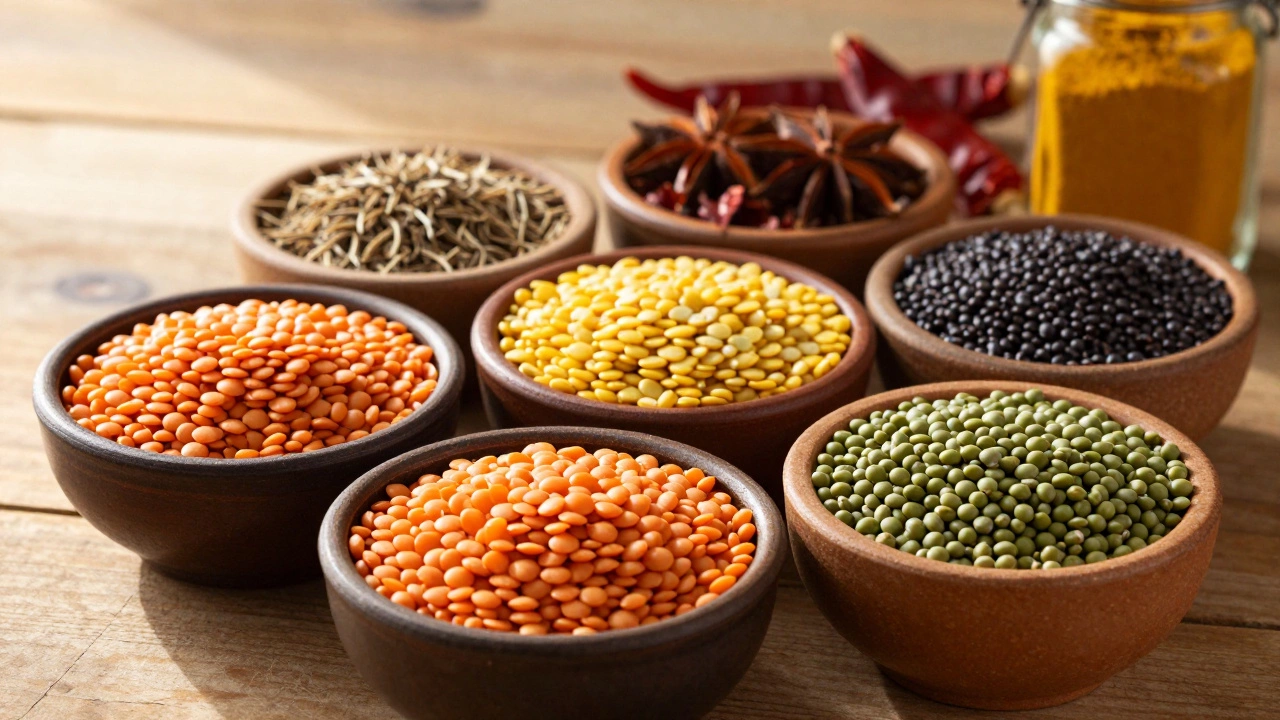
| Masoor Dal | Red Lentils | Orange-Red, Split | 15-20 minutes |
| Toor Dal (Arhar) | Pigeon Peas / Yellow Split Peas | Yellow, Split | 30-40 minutes |
| Moong Dal | Green/Yellow Mung Beans | Green (whole) or Yellow (split) | 15-25 minutes |
| Chana Dal | Bengal Gram / Split Chickpeas | Yellow, Split | 40-50 minutes |
| Urad Dal | Black Gram / Black Lentils | Black (skin on) or White (skinned) | 45-60 minutes |
Understanding this table is key to replicating dishes. When a restaurant serves "Dal Tadka," they are likely using Toor Dal (yellow split peas). When they serve "Dal Makhani," they are using Urad Dal (black lentils) and whole kidney beans. The "English version" depends entirely on which bean was chosen.
Why Texture Matters More Than Name
If you try to substitute red lentils for black lentils in a traditional recipe, the result will be disappointing. This is where the concept of the "English version" gets tricky. In Western cooking, lentils are often treated as uniform ingredients. You boil them, season them, and eat them. They hold their shape relatively well, especially green or brown varieties.
In South Asian cooking, the goal is often the opposite. Many dals are cooked until they disintegrate into a creamy, porridge-like consistency. Red lentils (Masoor Dal) are famous for this. They dissolve almost completely when simmered, creating a smooth base that absorbs spices effortlessly. On the other hand, Chana Dal (split chickpeas) holds its shape better and provides a chewier texture. The choice of lentil dictates the mouthfeel of the final dish.
Think of it like pasta. You wouldn’t use spaghetti to make a thick soup, and you wouldn’t use orzo to make a delicate salad. Similarly, you choose the dal based on the desired outcome. For a quick, comforting weeknight meal that feels like a hug in a bowl, red lentils are your best friend. For a richer, creamier dish that can stand up to heavy cream and butter, black lentils are the standard.
The Secret Ingredient: Tadka (Tempering)
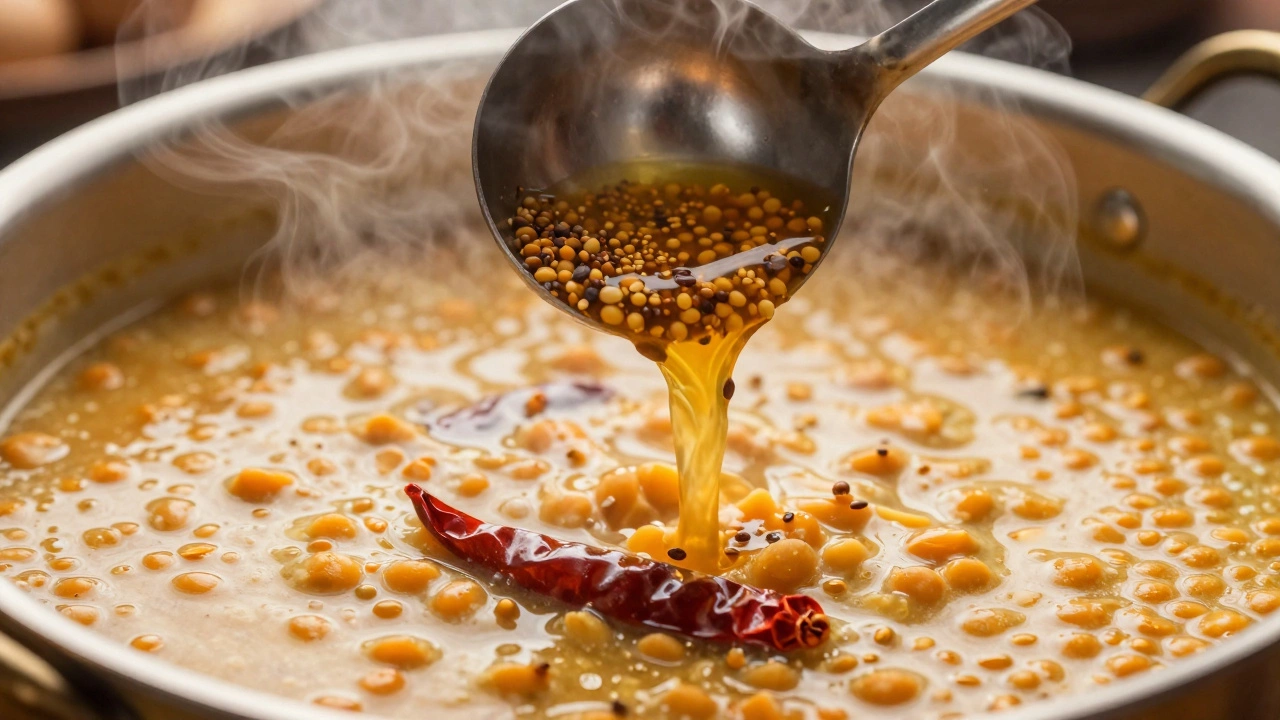
Here is the biggest misconception people have when trying to make dal at home. They think the flavor comes solely from the lentils. It doesn’t. The magic happens in the last five minutes of cooking, through a technique called "tadka" or "chaunk." This is the process of frying whole spices in hot oil or ghee and pouring it over the cooked lentils.
Without tadka, dal is just boiled beans. With tadka, it becomes a complex, aromatic dish. The heat releases the essential oils in spices like cumin seeds, mustard seeds, asafoetida (hing), and dried red chilies. These flavors infuse into the fat, which then coats every grain of lentil. This is why restaurant dal tastes so much better than homemade attempts that skip this step.
You don’t need expensive equipment for this. All you need is a small pan, some oil or clarified butter (ghee), and a handful of basic spices. Asafoetida might sound obscure, but it is widely available in Indian grocery stores and online. It has a pungent smell when raw but adds a savory, umami depth similar to garlic when cooked. If you cannot find it, extra garlic works as a decent substitute, though the flavor profile will shift slightly.
A Simple Recipe for Everyday Dal
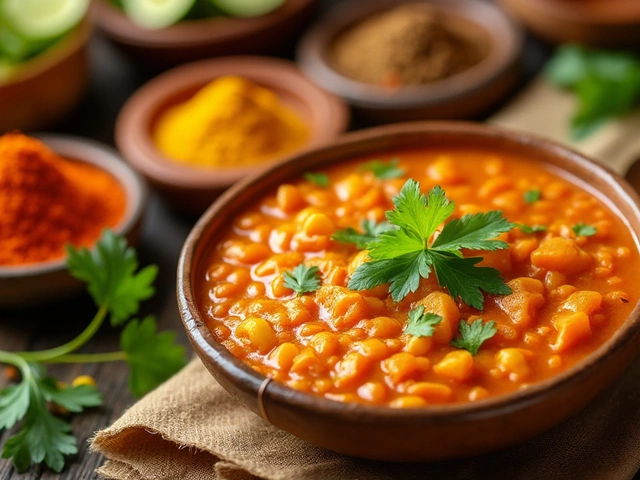
Let’s put this into practice. Here is a straightforward method for making Masoor Dal (Red Lentil Curry), which is arguably the most popular and beginner-friendly version. This recipe yields about four servings and takes less than 30 minutes from start to finish.
- Clean the Lentils: Take one cup of red lentils. Rinse them thoroughly under cold water until the water runs clear. This removes dust and excess starch. You do not need to soak red lentils; they cook very quickly.
- Boil: In a pot, combine the rinsed lentils with three cups of water, half a teaspoon of salt, and one-inch piece of ginger (grated or crushed). Bring to a boil, then reduce heat to low. Cover and simmer for 15-20 minutes. Stir occasionally to prevent sticking. The lentils should become mushy and creamy. Add more water if it looks too thick.
- Season the Base: Once the lentils are soft, add one teaspoon of turmeric powder and one teaspoon of red chili powder (adjust to taste). Simmer for another two minutes to let the spices meld. Mash the mixture lightly with a spoon if you want it smoother.
- Prepare the Tadka: While the dal simmers, heat one tablespoon of ghee or oil in a small skillet over medium heat. Add one teaspoon of cumin seeds. Wait for them to splutter. Add three to four chopped dried red chilies and a pinch of asafoetida. Fry for 30 seconds until fragrant.
- Combine: Pour the hot spice mixture directly into the pot of dal. It will sizzle loudly-this is good! Stir well. Garnish with fresh cilantro leaves.
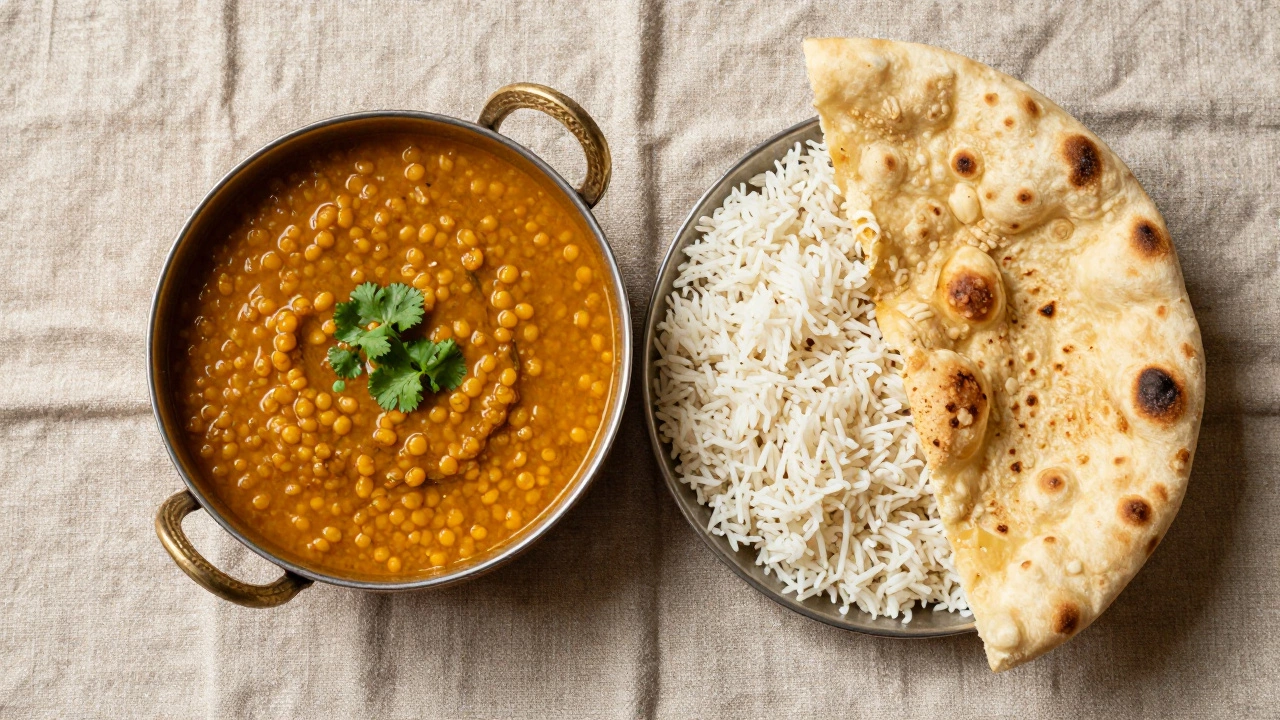
Serve this hot with steamed basmati rice or warm roti. The contrast between the soft, spiced lentils and the neutral starch is what makes this meal satisfying. It is light enough for lunch but hearty enough for dinner.
Nutritional Benefits and Why We Eat It
Dal is not just tasty; it is incredibly nutritious. Lentils are a powerhouse of plant-based protein, fiber, iron, and folate. For vegetarians and vegans, dal is a primary source of protein in many South Asian households. A single cup of cooked lentils contains about 18 grams of protein, which is significant for a non-meat food.
The high fiber content helps regulate blood sugar levels and aids digestion. Unlike meat, which can sit heavy in the stomach, dal is generally easy to digest, especially moong dal, which is often recommended for sick people or those recovering from illness. In Ayurveda, the traditional system of medicine in India, different dals are prescribed for different body types and seasons. For example, lighter lentils like moong are preferred in summer, while heavier ones like urad are eaten in winter.
From a sustainability perspective, lentils are also excellent for the planet. They require very little water to grow compared to animal proteins, and they actually fix nitrogen in the soil, improving its health for future crops. Eating dal is a way to support sustainable agriculture without sacrificing flavor or nutrition.
Common Mistakes to Avoid
Even with a simple recipe, things can go wrong. Here are the most common pitfalls when making dal:
- Under-salting: Lentils absorb salt as they cook. If you wait until the end to salt them, the flavor will sit on top rather than permeating the grains. Always add salt at the beginning of the boiling process.
- Burning the Tadka: Spices burn quickly in hot oil. Keep the heat moderate when frying cumin and chilies. If the oil starts smoking, remove it from the heat immediately. Burnt spices will make the entire dish bitter.
- Using Too Little Water: Dal continues to thicken as it cools. If you make it too thick in the pot, it will become a paste by the time you serve it. Aim for a gravy-like consistency that flows easily.
- Skiping the Resting Time: After adding the tadka, let the dal sit covered for five minutes before serving. This allows the flavors to settle and the aroma to develop fully.
Variations Across Regions
While red lentil dal is universal, regional variations add excitement. In North India, you might find Dal Makhani, a rich, slow-cooked dish made with black lentils and kidney beans, simmered overnight with butter and cream. In South India, dal is often prepared as Sambar, a tangy stew made with tamarind and a special spice blend called sambar powder, usually served with rice and papadum.
In East India, particularly Bengal, dal is sometimes made with fish or vegetables added directly into the lentil broth, creating a one-pot meal. Each region has its own twist, but the core principle remains the same: simple lentils, elevated by spices and technique.
So, when someone asks for the English version of dal, tell them it’s lentils. But then show them how to cook it. Because once you experience the warmth of a properly tempered dal, you’ll never look at a bag of dry lentils the same way again.
Is dal the same as lentil soup?
Not exactly. While both use lentils, dal is typically thicker and more porridge-like than Western lentil soups. Dal also relies heavily on "tadka" (tempered spices) for flavor, whereas lentil soups often use herbs, vegetables, and broth as the primary flavor sources. Dal is usually served as a side dish with rice or bread, while lentil soup is often a standalone meal.
Which dal is easiest for beginners to cook?
Masoor Dal (red lentils) is the easiest. They do not require soaking, cook in under 20 minutes, and naturally break down into a creamy consistency without much effort. They are also very forgiving if you accidentally overcook them, as they just become softer rather than mushy in a bad way.
Can I make dal in an Instant Pot or pressure cooker?
Yes, absolutely. Pressure cooking is the traditional method in many Indian homes. For red lentils, cook on high pressure for 3-4 minutes with natural release. For harder lentils like chana dal or urad dal, cook for 10-15 minutes. Just ensure you use enough liquid to prevent burning at the bottom of the pot.
What is the difference between Toor Dal and Arhar Dal?
They are essentially the same thing. Toor Dal is the name used in North India, while Arhar Dal is the term used in South India. Both refer to yellow split pigeon peas. They have the same cooking time and texture, so you can use them interchangeably in any recipe.
Do I need ghee to make authentic dal?
Ghee (clarified butter) adds a distinct richness and aroma that oil cannot replicate, especially in dishes like Dal Tadka or Dal Makhani. However, you can use vegetable oil, coconut oil, or even olive oil for a vegan version. The dish will still be delicious, though the flavor profile will be slightly lighter and less nutty.