Chutney Health Risk Analyzer
1. Select Your Chutney
2. Check Your Conditions
Click to toggle any conditions that apply to you.
Analysis Result
No Risks SelectedChutney is the unsung hero of the Indian kitchen. You probably have a jar of Mango Chutney is a sweet and tangy condiment made from unripe or ripe mangoes, spices, and sugar sitting in your pantry right now, or perhaps a fresh batch of green coriander chutney on your counter. We love it for its ability to transform a plain dosa into a feast or cut through the richness of a heavy curry. But like any powerful flavor enhancer, chutney isn't without its downsides. While generally healthy, eating chutney in excess or choosing the wrong type can lead to digestive distress, blood sugar spikes, and even tooth decay.
If you’ve ever felt a burning sensation in your stomach after a big meal loaded with spicy dips, you aren’t alone. The question isn’t whether chutney is "bad"-it’s about understanding how specific ingredients interact with your body. Let’s break down the real disadvantages of chutney so you can enjoy it without the aftermath.
The Acid Trap: Heartburn and GERD Triggers
The most common complaint regarding chutney consumption is acidity. Many popular chutneys rely heavily on citrus fruits like tamarind, lemon, or raw mango. These ingredients are naturally high in citric acid and malic acid. For people with sensitive stomachs or those suffering from Gastroesophageal Reflux Disease (GERD), these acids can trigger heartburn almost immediately.
When you eat a large amount of acidic chutney, especially on an empty stomach, the acid can irritate the lining of your esophagus. This doesn’t just cause temporary discomfort; chronic irritation can lead to inflammation known as esophagitis. If you notice a sour taste in your mouth or a burning feeling rising from your chest after eating samosas with tamarind chutney, your body is signaling that the acidity level is too high for your tolerance.
To mitigate this, avoid consuming highly acidic chutneys first thing in the morning. Pair them with alkaline foods like yogurt or milk-based curries to neutralize the pH balance in your stomach.
Sugar Spikes: The Hidden Danger in Sweet Chutneys
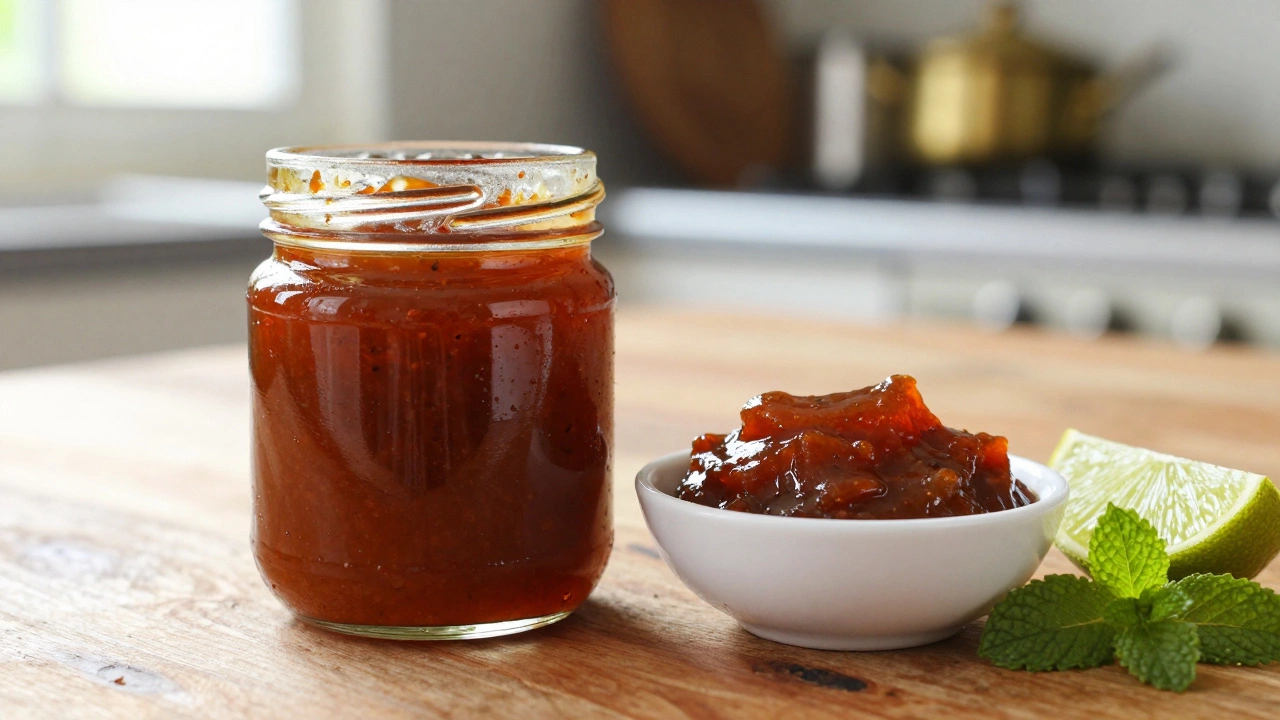
Not all chutneys are created equal when it comes to sugar content. Traditional recipes for Aam Pachi Chutney is a Bengali-style chutney made from raw mangoes, often containing significant amounts of sugar and salt or date chutney often require substantial amounts of white sugar or jaggery to balance the tartness of the fruit. A single tablespoon of these sweetened chutneys can contain 5-8 grams of added sugar.
For individuals managing diabetes or insulin resistance, this hidden sugar load is a major disadvantage. Unlike whole fruits, where fiber slows down sugar absorption, chutneys are processed into a paste. This processing breaks down the fiber structure, causing the sugar to hit your bloodstream rapidly. Regular consumption of sugary chutneys can contribute to weight gain, increased triglyceride levels, and unstable blood glucose readings.
If you have a sweet tooth but want to avoid these risks, opt for herb-based chutneys like mint or coriander, which require little to no added sugar. Alternatively, use natural sweeteners like stevia or monk fruit if you must make a sweet version at home.
Spice Sensitivity and Gut Irritation
Green chilies are the backbone of many savory chutneys. They provide heat, color, and depth. However, the capsaicin found in chili peppers is a double-edged sword. While capsaicin has anti-inflammatory properties in small doses, excessive intake can irritate the gastrointestinal tract.
For people with Irritable Bowel Syndrome (IBS) or ulcers, spicy chutneys can exacerbate symptoms such as bloating, cramping, and diarrhea. The capsaicin binds to pain receptors in the gut, sending signals that can be mistaken for severe pain. Additionally, some commercial chutney brands add extra preservatives and artificial colors to extend shelf life, which can further aggravate sensitive guts.
If you experience gut issues, try removing the seeds from green chilies before blending them. The seeds contain much of the capsaicin. You can also dilute the heat by adding more coconut or cucumber to the mix, creating a milder, creamier texture that is easier on the stomach.
Dental Erosion: What Chutney Does to Your Teeth
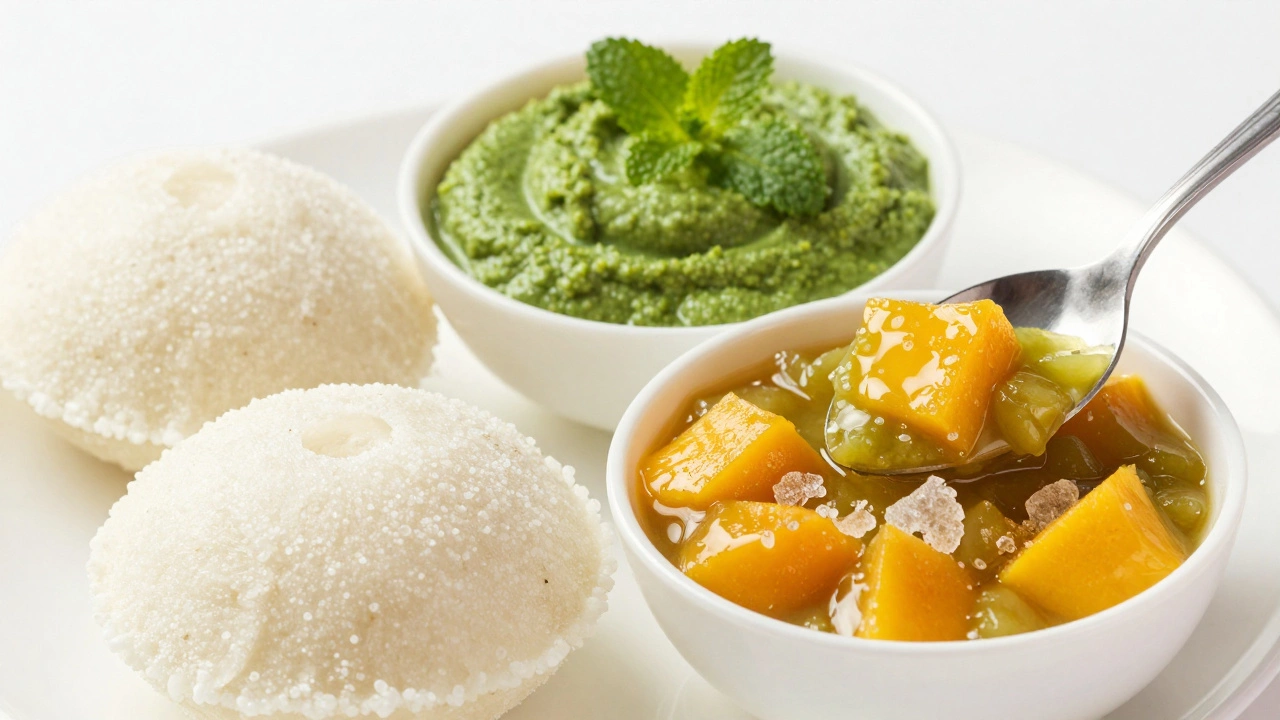
We often focus on the internal effects of food, but chutney poses a significant risk to your dental health. The combination of high acidity (from tamarind, lemon, or vinegar) and high sugar (in sweet varieties) creates a perfect storm for enamel erosion.
Acid softens the outer layer of your teeth, making them vulnerable to wear. When you follow this with sugar, bacteria in your mouth feed on the residue and produce more acid, leading to cavities. Frequent snacking on chutney throughout the day keeps your teeth in a constant state of demineralization. Over time, this can lead to sensitivity, discoloration, and increased risk of gum disease.
To protect your teeth, rinse your mouth with water after eating chutney. Avoid brushing your teeth immediately after consumption, as the softened enamel can brush away. Wait at least 30 minutes to allow your saliva to remineralize the surface.
Sodium Overload and Blood Pressure Concerns
Salt is essential for preservation in traditional chutney-making. Without enough sodium, fermented or stored chutneys can spoil quickly due to bacterial growth. As a result, many homemade and store-bought chutneys are significantly higher in sodium than you might expect.
A standard serving of onion-tomato chutney can contain 300-500mg of sodium. If you’re using multiple chutneys with one meal-for example, both coconut and tomato chutney with your idli-you could easily exceed half of your daily recommended sodium intake in a single sitting. High sodium consumption is linked to hypertension, kidney strain, and increased risk of cardiovascular disease.
If you are monitoring your blood pressure, consider making low-sodium versions at home. Use potassium chloride substitutes or enhance flavor with herbs like fenugreek leaves (methi) and curry leaves, which provide depth without the sodium spike.

Allergies and Cross-Contamination Risks
While less common, allergies to specific chutney ingredients can be serious. Coconut chutney is a staple in South Indian cuisine, but coconut is a tree nut. Individuals with tree nut allergies must strictly avoid coconut-based preparations. Similarly, peanut chutney is popular in North India but poses a severe risk for those with legume allergies.
Cross-contamination is another concern in shared kitchens or restaurants. If a blender was used for peanut chutney and then rinsed briefly before making a coconut chutney, trace amounts of allergens can remain. Always verify ingredients if you have known allergies, and be cautious when ordering chutneys from street vendors who may not label their products clearly.
| Chutney Type | Primary Risk Factor | Best For | Avoid If |
|---|---|---|---|
| Tamarind Chutney | High Acidity | Healthy digestion (moderate) | GERD, Acid Reflux |
| Mango Chutney (Sweet) | Added Sugar | Energy boost | Diabetes, Weight Loss |
| Green Chili Chutney | Capsaicin Heat | Metabolism boost | IBS, Ulcers |
| Coconut Chutney | Caloric Density | Healthy fats | Nut Allergies, Calorie Restriction |
| Tomato-Onion Chutney | Sodium Content | Lycopene intake | Hypertension |
How to Enjoy Chutney Safely: Practical Tips
You don’t need to give up chutney entirely to avoid these disadvantages. The key is moderation and mindful selection. Here are some practical strategies to integrate chutney into your diet safely:
- Portion Control: Limit your intake to 1-2 tablespoons per meal. Use chutney as a garnish rather than a main component.
- Balance Your Plate: Pair acidic chutneys with alkaline foods like banana, cucumber, or yogurt. This helps neutralize stomach acid.
- Read Labels: When buying store-bought chutney, check the nutrition facts for added sugars and sodium. Choose brands with minimal ingredients.
- Make It Fresh: Homemade chutneys allow you to control the amount of salt, sugar, and spice. Blend smaller batches and consume them within 24 hours for maximum freshness and minimum preservative needs.
- Listen to Your Body: If you experience heartburn, bloating, or tooth sensitivity, reduce the frequency of chutney consumption or switch to milder varieties.
Understanding the disadvantages of chutney empowers you to make better choices. Whether you’re craving the tang of tamarind or the heat of green chilies, knowing how these ingredients affect your body allows you to enjoy them without compromising your health. By adjusting portions, balancing flavors, and being aware of your personal sensitivities, you can keep chutney as a delightful part of your culinary routine.
Can chutney cause weight gain?
Yes, certain types of chutney can contribute to weight gain. Sweet chutneys like mango or date chutney often contain high amounts of added sugar, which increases calorie intake. Coconut chutney is also calorie-dense due to its fat content. However, herb-based chutneys like mint or coriander are low in calories and unlikely to cause weight gain when consumed in moderation.
Is chutney bad for people with diabetes?
It depends on the type. Sweet chutneys made with sugar or jaggery can cause rapid spikes in blood glucose levels, making them unsuitable for diabetics. Savory chutneys based on vegetables, herbs, or nuts (like peanuts or almonds) have a lower glycemic impact and can be consumed in controlled portions. Always check ingredient lists for hidden sugars.
Why does chutney make my stomach hurt?
Stomach pain after eating chutney is usually caused by high acidity or spiciness. Tamarind and lemon chutneys are highly acidic and can trigger heartburn or gastritis. Green chili chutneys contain capsaicin, which can irritate the stomach lining, especially in people with IBS or ulcers. Eating chutney with bland foods like rice or yogurt can help soothe the irritation.
How long does homemade chutney last?
Freshly blended chutney without preservatives typically lasts 2-3 days in the refrigerator. Fermented or pickled chutneys with high salt or oil content can last several weeks to months. To extend shelf life, store chutney in an airtight glass container and ensure utensils used to scoop it are clean and dry to prevent bacterial contamination.
Are there low-sodium alternatives to traditional chutney?
Yes, you can make low-sodium chutney at home by reducing salt and using flavor enhancers like lemon juice, vinegar, garlic, ginger, and fresh herbs such as cilantro, mint, and curry leaves. You can also use potassium chloride salt substitutes, though they may have a slightly metallic taste. Blending vegetables like cucumber or zucchini adds volume without increasing sodium.