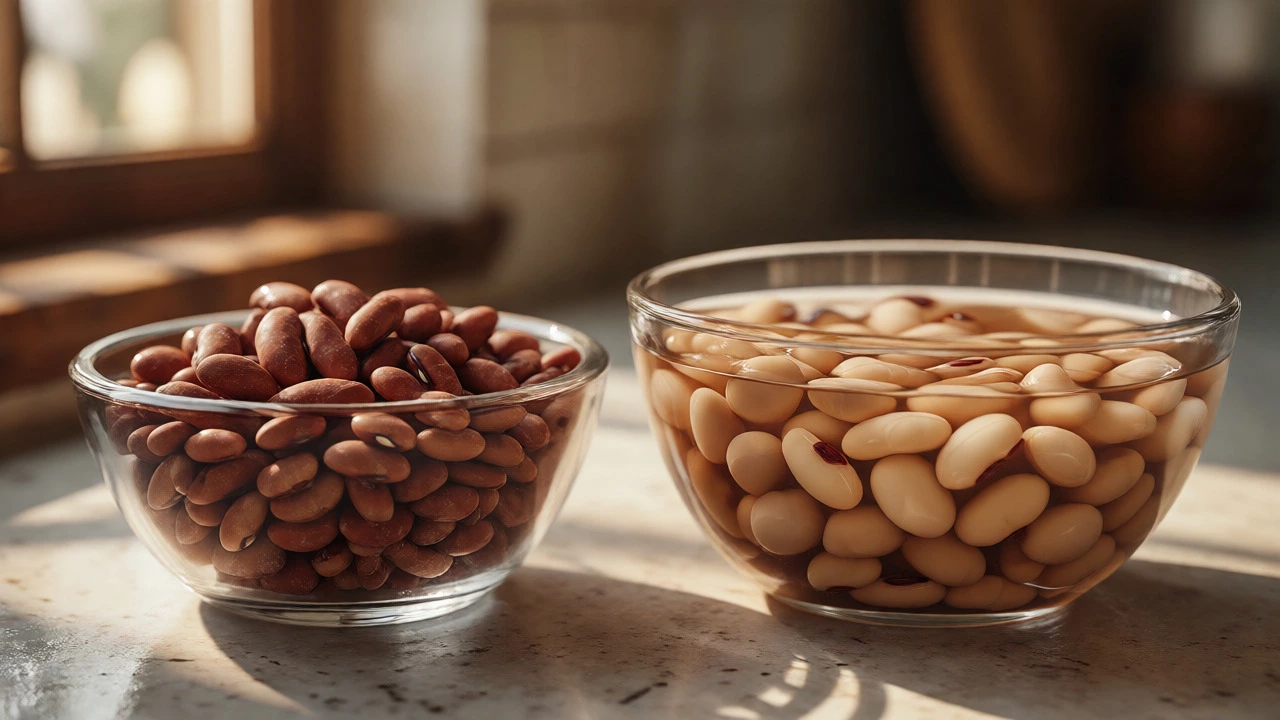
Pulse Soaking Decision & Impact Calculator
Select a type of pulse below to see if it requires soaking, estimated cook times, and the health benefits of proper preparation.
Red Lentils
Masoor Dal
Split Mung
Moong Dal
Toor Dal
Pigeon Pea
Chickpeas
Chana
Kidney Beans
Rajma
Black Beans
Urad Whole
Selected Pulse Info
Soak StatusCooking Time Estimate
- Unsoaked: --
- Soaked (8+ hrs): --
Digestion & Nutrition
Why This Matters
Select a pulse to see detailed scientific reasoning regarding texture, oligosaccharides, and phytic acid.
You’re standing in the kitchen, staring at a bag of chana dal or split chickpeas, and you realize you forgot to soak them. It happens to the best of us. Maybe you were rushing, maybe you didn’t plan ahead, or maybe you just think soaking is an unnecessary step that slows down dinner. But here’s the thing: skipping this simple prep work changes everything about your final dish, from how it cooks to how your body handles it.
Soaking pulses isn’t just a ritual passed down by grandmothers; it’s a functional step that impacts texture, digestion, and nutrient absorption. When you skip it, you aren’t just saving twenty minutes-you’re risking undercooked centers, gas-inducing compounds, and a loss of vital minerals. Let’s break down exactly what goes wrong when you throw dry lentils straight into the pot, and why those few hours of soaking are worth their weight in gold (or ghee).
The Texture Trap: Why Unsoaked Pulses Stay Hard
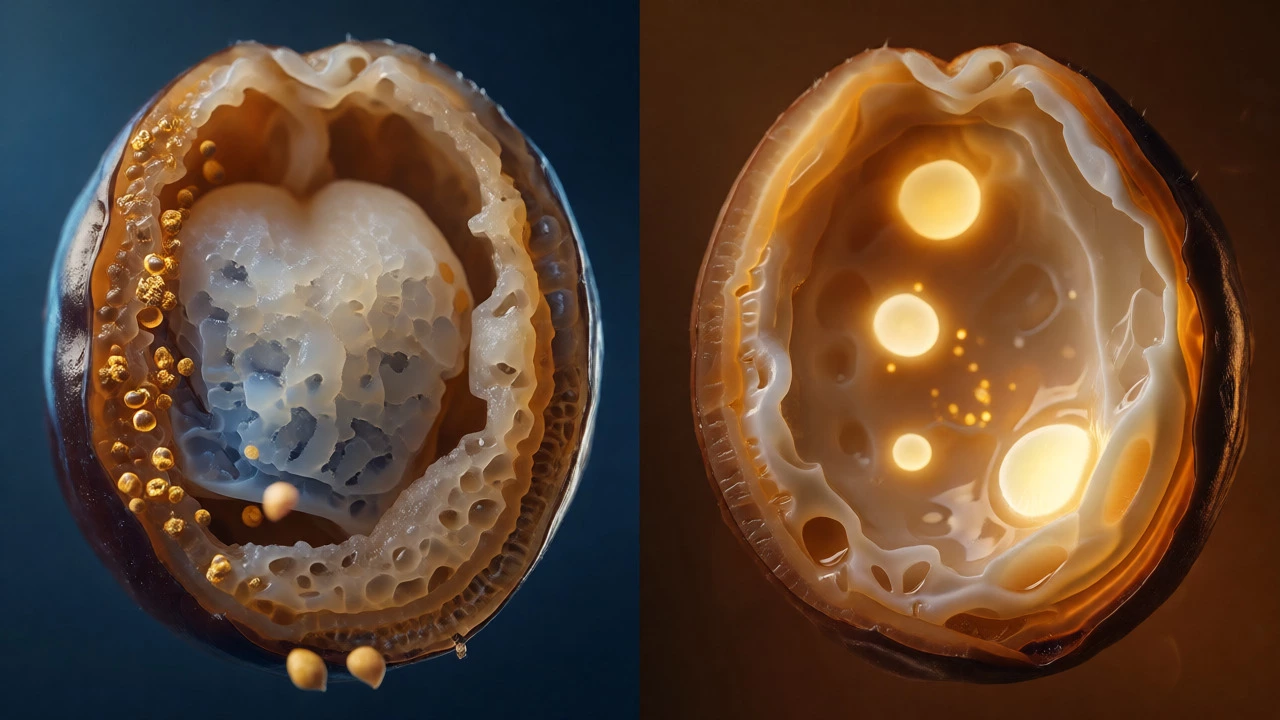
Think about the structure of a dried pulse. It’s essentially a dehydrated seed with a hard outer shell called the seed coat. This coat is designed to protect the embryo inside until conditions are right for growth. In your pot, that protection becomes a barrier. Without soaking, water struggles to penetrate this dense layer quickly enough to soften the interior starches and proteins evenly.
If you try to cook unsoaked rajma (kidney beans) directly, you’ll likely end up with a frustrating inconsistency. The outside might turn mushy while the center remains chalky and raw. This happens because the heat breaks down the exterior before the core has absorbed enough moisture to gelatinize its starches. You might find yourself boiling the pot for two extra hours, only to discover that some beans are still crunchy. That gritty, sandy mouthfeel is a dead giveaway that the seeds never fully hydrated.
Contrast this with soaked pulses. When they sit in water, they absorb moisture through osmosis, swelling up and softening the cell walls. This pre-softening means the heat can penetrate uniformly during cooking. The result? A creamy, cohesive texture where every bite feels consistent. For dishes like dal tadka or thick soups, this difference is non-negotiable. Nobody wants a soup with hard lumps floating in it.
Digestion Woes: The Gas Problem Is Real
Let’s talk about the elephant in the room-or rather, the wind in the gut. Many people avoid eating legumes because they cause bloating and flatulence. While genetics play a role, improper preparation is a major culprit. Legumes contain complex sugars called oligosaccharides, specifically raffinose and stachyose. Humans lack the enzyme alpha-galactosidase needed to break these down in the small intestine.
When these sugars travel undigested to the large intestine, gut bacteria ferment them, producing gas as a byproduct. Soaking helps mitigate this significantly. During the soaking process, these water-soluble sugars leach out into the soaking water. By draining and rinsing the pulses after soaking, you physically remove a portion of these gas-causing agents. Studies suggest that soaking can reduce oligosaccharide content by up to 50%, depending on the duration and temperature.
If you skip soaking, those sugars remain trapped inside the bean. They make it all the way to your colon intact, leading to more fermentation and more discomfort. If you’ve ever felt uncomfortably full or gassy after a heavy dal meal, try soaking your next batch for eight hours and see if the difference in comfort level surprises you. It often does.
Nutrient Absorption: The Phytic Acid Factor
Here is where things get scientifically interesting. Pulses are packed with nutrients like iron, zinc, and calcium. However, they also contain anti-nutrients, most notably phytic acid. Phytic acid binds to minerals in the digestive tract, forming insoluble complexes that your body cannot absorb. Essentially, it steals your iron and zinc, passing them through your system without letting you benefit from them.
Soaking activates an enzyme called phytase, which naturally occurs in the seed. This enzyme begins breaking down phytic acid. While soaking alone doesn’t eliminate all phytic acid, it starts the degradation process. Longer soaks, especially if you change the water once or twice, enhance this effect. Some traditional methods even involve sprouting, which reduces phytic acid further, but even a standard overnight soak makes a measurable difference.
| Property | Unsoaked Pulses | Soaked Pulses (8+ Hours) |
|---|---|---|
| Cooking Time | 45-90 minutes | 15-30 minutes |
| Texture Consistency | Risk of uneven cooking | Uniformly creamy |
| Oligosaccharides | High retention | Reduced by ~30-50% |
| Phytic Acid Levels | High | Moderately Reduced |
| Mineral Bioavailability | Lower | Improved |
By ignoring soaking, you’re essentially eating fewer usable nutrients than the nutritional label promises. If you rely on plant-based diets for iron intake, this reduction in bioavailability matters. You might be consuming plenty of spinach and lentils but still feeling fatigued because your body isn’t accessing the minerals efficiently.
Cooking Efficiency and Energy Costs
Beyond health and taste, there’s a practical angle: time and energy. Dry pulses take significantly longer to cook. A pot of unsoaked toor dal might need 40 minutes of simmering, whereas soaked toor dal could be ready in 15. For larger legumes like kidney beans or black-eyed peas, the difference can be over an hour.
This isn’t just about waiting around. It’s about fuel. Keeping a pot on high heat for an extra hour consumes more gas or electricity. In many households, especially those using pressure cookers, soaking reduces the number of whistles required. Instead of needing five or six whistles, you might get away with two or three. Over weeks and months, this adds up to noticeable savings on utility bills.
Furthermore, unsoaked pulses are prone to splitting prematurely if you try to rush the process with high heat. The sudden thermal shock can crack the skins, releasing starch too early and making the broth cloudy and thin. Soaked pulses hold their shape better initially, allowing you to control the consistency of your gravy or curry more precisely.
Which Pulses Actually Need Soaking?
Not all pulses behave the same way. You don’t need to treat a delicate red lentil the same as a stubborn chickpea. Understanding the categories helps you decide when you can cut corners and when you absolutely shouldn’t.
- Must Soak: Whole beans like kidney beans (rajma), black beans, pinto beans, and chickpeas (chana). These have thick skins and dense interiors. Skipping soaking here usually results in poor texture and high gas production.
- Benefit from Soaking: Split mung beans (moong dal) and split urad dal. While they cook faster than whole beans, soaking improves creaminess and reduces cooking time by half.
- Optional/No Soak Needed: Red lentils (masoor dal) and yellow split peas (chana dal sometimes). These have had their husks removed and are already split, exposing the inner starch. They hydrate quickly in hot water. You can toss them straight into the pot, though a quick 15-minute rinse-and-soak still helps with cleanliness and slight texture improvement.
If you’re making a quick weeknight meal with red lentils, feel free to skip the long soak. But if you’re planning a hearty rajma chawal or a thick chickpea curry, respect the soak.
How to Soak Properly (And What to Do With the Water)
Soaking isn’t complicated, but doing it wrong can negate the benefits. Here is the standard method that works for almost all pulses:
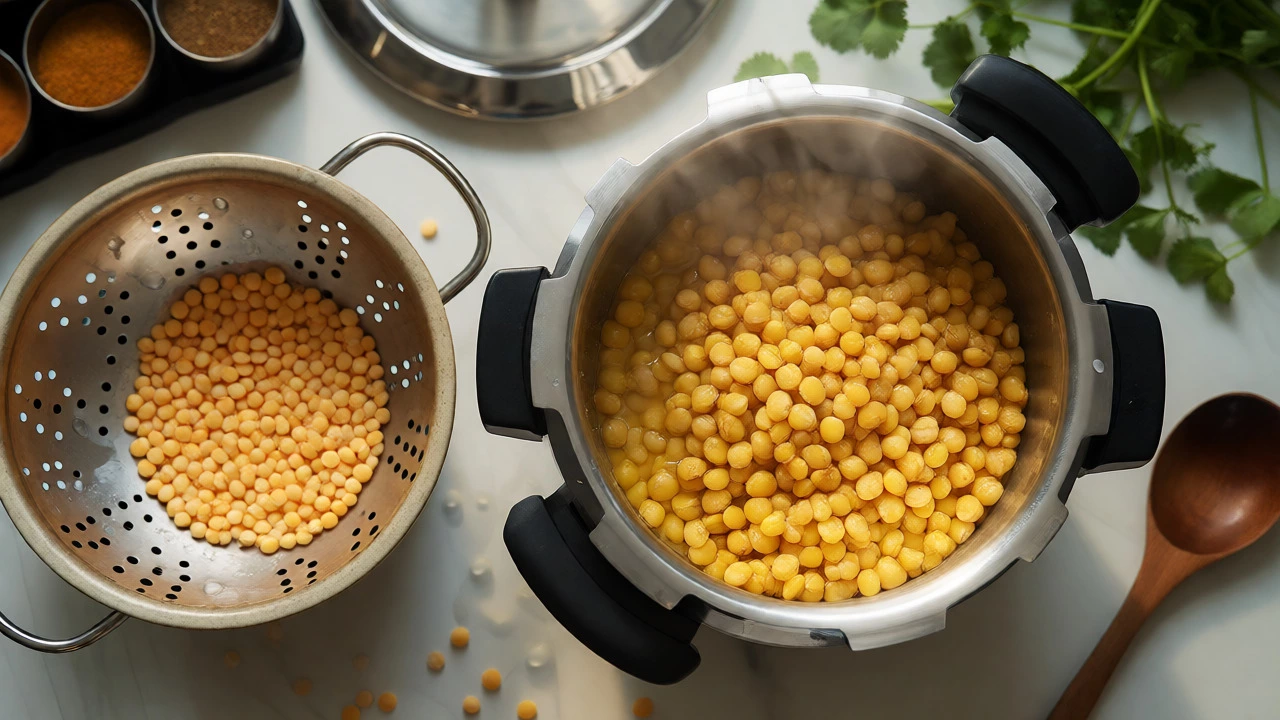
- Rinse First: Always wash the dry pulses thoroughly in a colander until the water runs clear. This removes dust, dirt, and any residual processing agents.
- Add Water: Place the pulses in a bowl and cover them with at least three inches of water. They will expand significantly, so give them space.
- Wait: Cover the bowl and let them sit. Eight hours is ideal for most beans. Four hours is acceptable for smaller lentils. Overnight is perfect.
- Discard Water: Drain the pulses and discard the soaking water. Do not cook in this water. This is crucial because the soaking water contains the leached-out oligosaccharides and phytic acid. Cooking in it puts the gas-causing agents right back into your pot.
- Rinse Again: Give the drained pulses a quick fresh rinse before adding them to your cooking pot with clean water.
In hot climates, like here in Cape Town during summer, bacterial growth can become an issue if you leave pulses out for too long. If you’re soaking for more than four hours, consider keeping the bowl in the refrigerator. This keeps the environment cool and prevents fermentation smells or spoilage.
What If You Forgot? Emergency Hacks
We all forget sometimes. If you realize at 5 PM that you want dal for dinner but didn’t soak anything, don’t panic. There are ways to salvage the situation.
The Quick Soak Method is your best friend. Put your rinsed pulses in a pot, cover with water, and bring to a boil. Boil for two minutes, then remove from heat, cover the pot tightly, and let it stand for one hour. This rapid heating forces water into the cells faster than cold soaking. After the hour, drain, rinse, and proceed with normal cooking. It cuts the total prep time from 8 hours to about 1.5 hours.
Another trick is using a pinch of baking soda. Adding a quarter teaspoon of baking soda to the cooking water can help soften the seed coats chemically. Be careful, though-too much baking soda can destroy thiamine (Vitamin B1) and give the dal a soapy taste. Use it sparingly and only for tough beans like kidney beans.
Frequently Asked Questions
Can I eat unsoaked pulses if I use a pressure cooker?
Yes, you can, but it comes with trade-offs. A pressure cooker generates higher temperatures and steam pressure, which forces water into the beans faster than open-pot boiling. This solves the texture problem largely. However, it does not remove the oligosaccharides responsible for gas, nor does it significantly reduce phytic acid. You will still likely experience more bloating compared to soaked pulses.
Does soaking remove protein from pulses?
Minimal amounts. While some water-soluble vitamins and minerals may leach into the soaking water, the bulk of the protein remains locked inside the seed structure. The benefits of improved digestibility and mineral availability far outweigh the negligible loss of surface nutrients. Always discard the soaking water to remove anti-nutrients.
How long should I soak different types of dal?
Small lentils like masoor (red) and moong (yellow/green) need only 15-30 minutes or can be cooked immediately. Medium dals like toor (pigeon pea) benefit from 2-4 hours. Large beans like rajma (kidney), chana (chickpea), and black beans require 8-12 hours, ideally overnight.
Why do my soaked pulses smell bad?
If soaked pulses develop a sour or fermented smell, it’s likely due to bacterial activity, especially in warm environments. This is common if they sat out for more than 8-10 hours in hot weather. If they smell slightly tangy but not rotten, rinse them well and cook immediately. If they smell foul or slimy, discard them and start over.
Is soaking necessary for canned pulses?
No. Canned pulses are already cooked and processed. However, they often contain excess sodium and preservatives in the liquid. Rinsing canned beans thoroughly before use is recommended to improve flavor and reduce salt intake, but no soaking is needed since the texture is already set.
- Poplular Tags
- soaking pulses
- dal recipe
- cooking lentils
- phytic acid
- pulse nutrition