Healthy Indian Snack Swapper
Craving something? Select your current urge below to find a satisfying, nutrient-dense Indian alternative that keeps you full longer.
You’re sitting at your desk, it’s 4 PM, and suddenly the urge for a salty, crunchy chip or a sugary chocolate bar hits you hard. It’s not just hunger; it’s a craving driven by stress, boredom, or a blood sugar dip. But here is the good news: you don’t have to white-knuckle it until dinner. You can swap that bag of processed chips for something that tastes indulgent but actually fuels your body. The secret isn’t deprivation-it’s substitution with healthy Indian snacks that are rich in protein, fiber, and healthy fats.
Most people think "healthy" means bland boiled vegetables. That’s a myth. Indian cuisine is packed with spices, textures, and flavors that satisfy the brain’s reward centers without the crash. When you crave salt, you need sodium and crunch. When you crave sweet, you need natural sugars and texture. Let’s break down exactly what to eat based on what your body is screaming for.
Understanding Why You Crave Junk
Before you reach for the pantry, pause for ten seconds. Ask yourself: what am I actually missing? Cravings are often signals of nutritional gaps or emotional triggers. If you’re stressed, your cortisol levels rise, making you crave high-calorie comfort foods. If you skipped breakfast, your blood sugar might be low, leading to a desperate need for quick energy (sugar).
The problem with standard junk food-like potato chips or candy-is that they offer empty calories. They spike your insulin, give you a brief high, and then leave you hungrier than before. Healthy alternatives work because they provide satiety. They keep you full longer, preventing the next wave of cravings an hour later. This isn’t about willpower; it’s about biology.
Craving Salt and Crunch? Go Savory
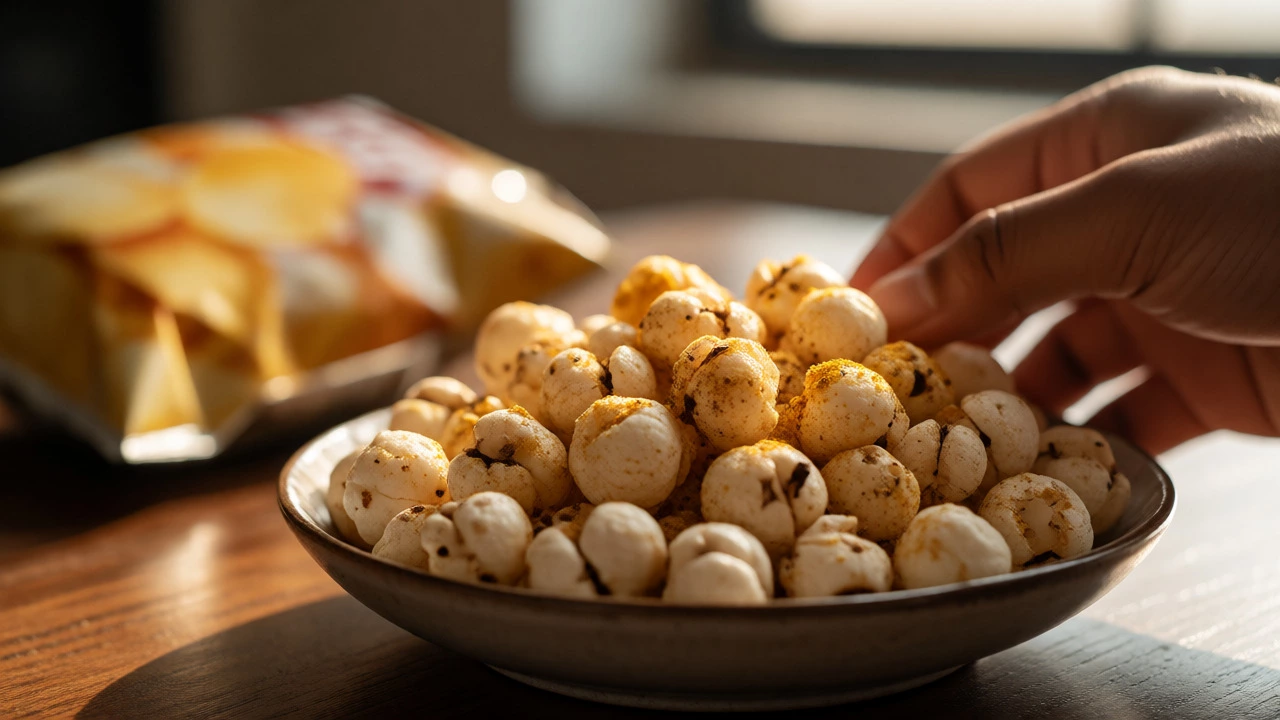
If you want something salty and crispy, skip the fried namkeen. Instead, look for roasted options. Traditional Indian snacks like Makhana (fox nuts) are perfect here. Roasted in ghee or olive oil with turmeric, black pepper, and rock salt, makhana offers a light, airy crunch similar to popcorn but with significantly more protein and fewer carbs. A handful provides calcium, iron, and magnesium, which helps calm the nervous system-a double win if stress triggered the craving.
Another top-tier option is Roasted Chana (chickpeas). These are dense, nutty, and incredibly filling. Unlike peanuts, which are calorie-dense and easy to overeat, roasted chana is high in fiber. One study published in the Journal of Human Nutrition and Dietetics suggests that chickpea consumption improves satiety scores compared to wheat-based snacks. Keep a jar of plain roasted chana at your desk. If you miss the spice mix, toss them with chaat masala. You get the tangy kick of street food without the refined flour base.
For those who love the taste of pakoras but hate the grease, try air-fried vegetable sticks. Carrot, beetroot, and radish slices coated in a thin layer of besan (gram flour) batter and air-fried until crisp mimic the experience of eating fritters. You still get the savory, spiced flavor profile, but you avoid the trans fats found in deep-fried street snacks.
Craving Sweetness? Choose Natural Sugars
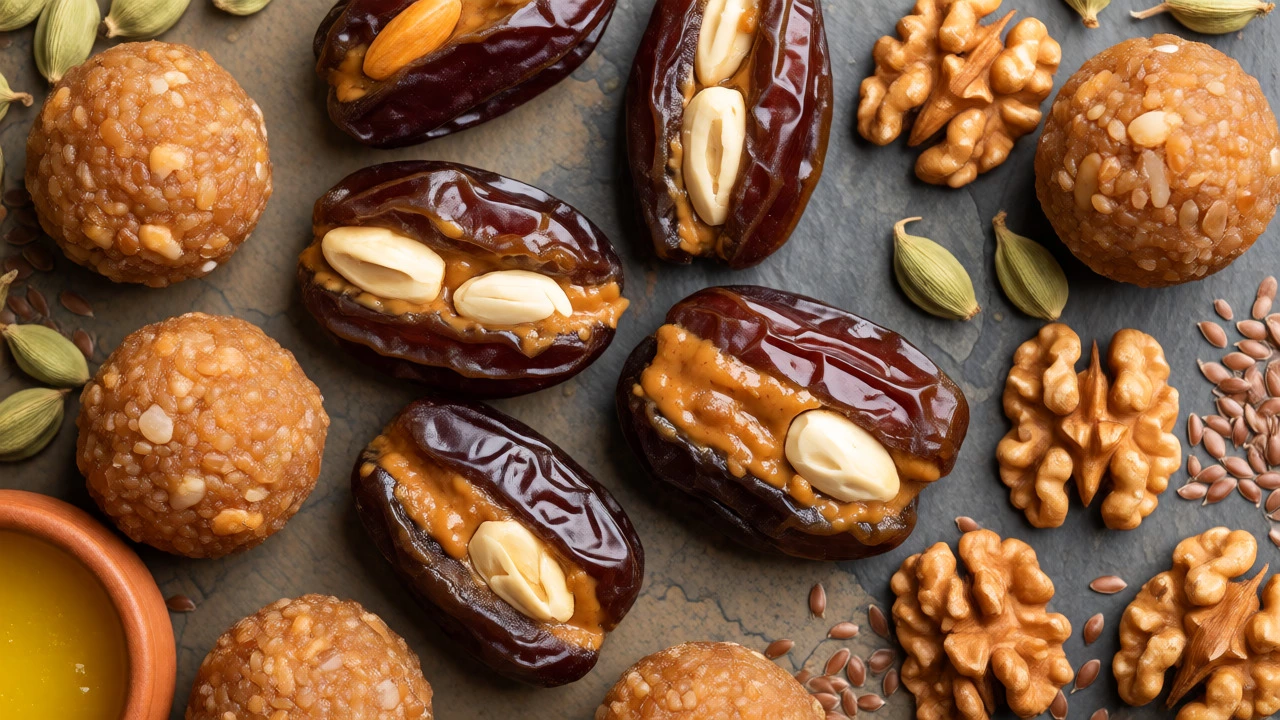
Sweet cravings are tricky because they often stem from habit rather than physiology. However, denying them completely usually leads to bingeing later. The solution is to choose sweets made from whole ingredients. Dates are nature’s candy. Stuffed with almond butter or walnuts, two Medjool dates provide a caramel-like sweetness and a dose of potassium. This combination stabilizes blood sugar better than a slice of cake.
Ragi Laddu (finger millet balls) is another powerhouse. Ragi is gluten-free, high in calcium, and has a low glycemic index. When bound with jaggery and ghee, it creates a melt-in-the-mouth treat that feels luxurious. Unlike white sugar, jaggery retains trace minerals like iron and zinc. You satisfy the sweet tooth while supporting bone health. Look for versions with less added sugar and more nuts for extra texture.
If you prefer something creamy, blend frozen bananas with a spoonful of cocoa powder and a pinch of cardamom. This makes a "nice cream" that rivals ice cream. Adding a sprinkle of flaxseeds boosts the omega-3 content. It’s cold, sweet, and refreshing, effectively killing the desire for dairy-heavy desserts.
The Power of Protein-Rich Bites
Protein is the most satiating macronutrient. If you find yourself snacking constantly, you likely aren’t getting enough protein in your main meals. Incorporating protein into your snacks keeps you satisfied for hours. Boiled eggs are the classic go-to, but if you want an Indian twist, try Egg Bhurji bites cooled in silicone molds. They are portable, spicy, and packed with essential amino acids.
Paneer cubes are another excellent option. Raw paneer with a sprinkle of black salt and lemon juice is surprisingly refreshing. Paneer is casein-rich, meaning it digests slowly, providing a steady release of energy. For vegetarians, this is one of the best ways to combat afternoon slump without caffeine. Just ensure you’re buying fresh paneer without preservatives.
| Snack Type | Primary Benefit | Calorie Density | Satiety Level |
|---|---|---|---|
| Potato Chips | Taste/Crunch | High | Low |
| Roasted Makhana | Light Crunch/Minerals | Medium | Medium |
| Boiled Eggs | High Protein | Low | High |
| Dates with Nuts | Natural Sweet/Energy | Medium-High | Medium |
| Raw Veggies + Hummus | Fiber/Hydration | Low | High |
Hydration Hacks for False Hunger
Did you know that thirst often masquerades as hunger? Your brain confuses the signals. Before you eat, drink a large glass of water or a cup of herbal tea. Try Jeera Water (cumin-infused water). Cumin aids digestion and reduces bloating, which is common after heavy meals. Sometimes, all you need is hydration to reset your appetite signals.
Green tea or matcha can also help. The catechins in green tea may boost metabolism slightly and reduce oxidative stress. Plus, the ritual of brewing tea slows you down, giving your brain time to register whether you’re truly hungry or just bored. Add a squeeze of lemon for vitamin C absorption.
Preparation is Key: The Weekend Prep Strategy
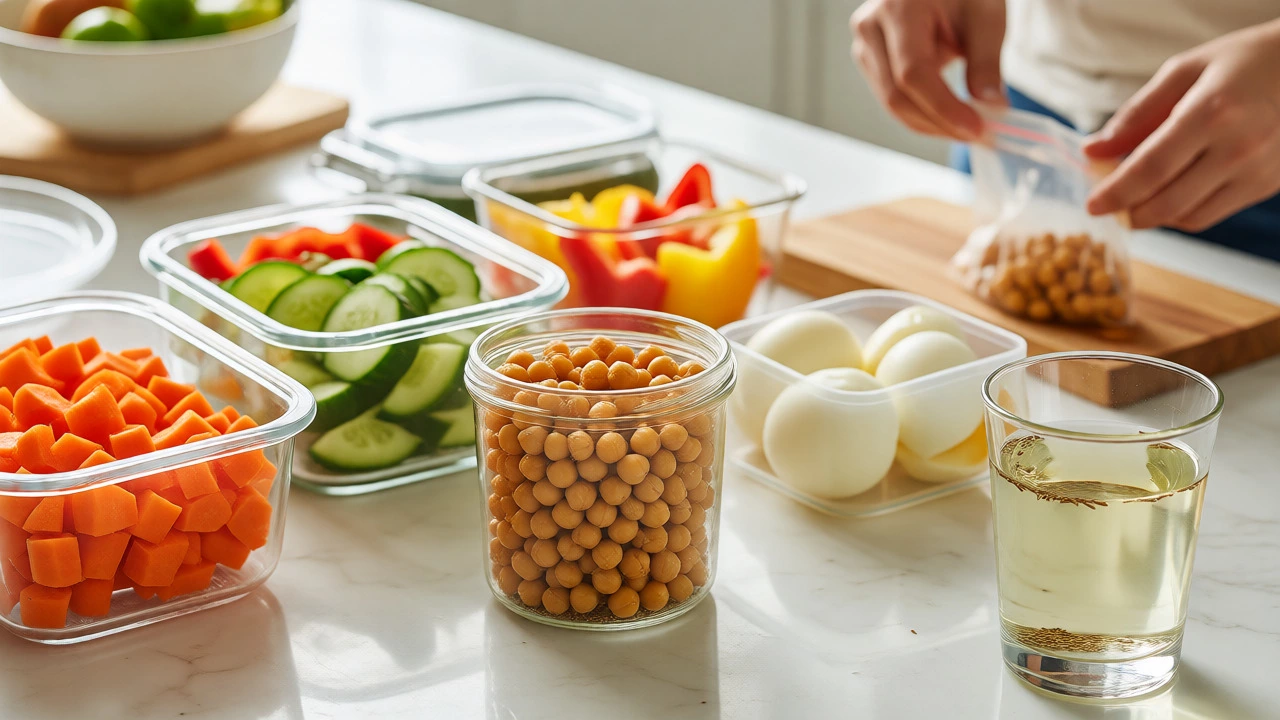
Willpower fails when we are tired. Decision fatigue sets in around 5 PM. To beat this, prep your snacks on Sunday. Wash and chop carrots, cucumbers, and bell peppers. Store them in clear containers so they are visible. Portion out roasted chana and makhana into small ziplock bags. Make a batch of date-nut balls and store them in the fridge.
When the craving hits, you shouldn’t have to cook. You should only have to grab. If you have to spend 10 minutes preparing a healthy snack, you’ll likely opt for the instant junk. Convenience wins every time. Keep a bowl of fruit on your kitchen counter, not hidden in the crisper drawer. Visual cues drive behavior.
What About Traditional Sweets?
You don’t have to ban Gulab Jamun or Jalebi forever. Moderation is sustainable; restriction is not. If you attend a wedding or festival, enjoy the traditional mithai. Balance it out by skipping dessert the next day or increasing physical activity. The goal is a flexible relationship with food, not a rigid diet. Label foods as "everyday" vs. "occasional." Makhana is everyday. Jalebi is occasional. This mental categorization prevents guilt and binge cycles.
Also, consider the source. Homemade sweets allow you to control the sugar-to-fat ratio. Store-bought versions often use palm oil and excessive syrup. If you make your own Kheer using low-fat milk and minimal sugar, it becomes a nutrient-dense meal rather than a calorie bomb.
Listen to Your Body
Finally, practice mindful eating. Eat your snack away from screens. Chew slowly. Notice the texture and flavor. Often, we consume 300 calories of chips while scrolling through Instagram and never actually taste them. By paying attention, you might find that half the portion satisfies you. This simple shift can cut your snack intake by 50% without feeling deprived.
Switching to healthy Indian snacks doesn’t mean losing out on joy. It means upgrading your fuel. You’ll notice clearer skin, more stable energy levels, and fewer mood swings. Start with one swap today. Replace your afternoon cookie with a handful of almonds and a date. See how you feel three hours later. That data point is worth more than any diet plan.
Are roasted snacks healthier than fried ones?
Yes, generally. Roasting uses dry heat or minimal oil, preserving nutrients and avoiding the harmful compounds formed during deep frying, such as acrylamides. Fried snacks absorb significant amounts of oil, drastically increasing their calorie density without adding nutritional value.
Can I eat fruits if I am diabetic?
Yes, but choose low-glycemic index fruits like berries, apples, and pears. Pair them with protein or fat (like nuts or yogurt) to slow down sugar absorption. Avoid high-sugar fruits like mangoes or grapes in large quantities unless portion-controlled.
Why do I crave salty foods specifically?
Salt cravings can indicate dehydration, electrolyte imbalance, or chronic stress. Adrenal glands regulate sodium, and stress can deplete these reserves. Ensure you are drinking enough water and consuming mineral-rich foods like sea salt, coconut water, or leafy greens.
Is peanut butter a healthy snack?
Natural peanut butter is healthy in moderation. It provides healthy monounsaturated fats and protein. However, many commercial brands add hydrogenated oils and sugar. Always check the label for ingredients like 'peanuts' and 'salt' only. Limit serving size to one tablespoon due to high calorie count.
How much should I eat when snacking?
Aim for 150-200 calories per snack. This is enough to curb hunger without impacting your daily caloric intake significantly. Use smaller plates or bowls to visually trick your brain into thinking you are eating more.