Indian Dessert Age Estimator
Select the primary ingredients of a dessert to discover its approximate historical origins and whether it predates or postdates the widespread use of refined sugar.
Historical Analysis
Ingredient Timeline Reference
You might think gulab jamun or jalebi are the stars of the Indian sweet scene. They are delicious, sure. But they are relative newcomers to the stage. If you dig into the archaeological and textual records of the subcontinent, one treat stands out as the true patriarch of Indian confectionery: Payasam (or Kheer). It’s a rice pudding, yes, but its roots go back over 4,000 years, woven into the fabric of Vedic rituals long before sugar became common.
Why does this matter? Because knowing what came first changes how you view every plate of sweets at a wedding or festival today. It shifts the narrative from "sugar overload" to "spiritual offering." This isn't just about eating; it's about understanding a civilization that valued sweetness as a form of devotion and medicine. Let’s unpack the history, the ingredients, and why this humble bowl of milk and rice holds the title for the oldest dessert in India.
The Ancient Roots of Payasam
To find the oldest dessert, we have to look at what people actually had access to. Today, we take refined white sugar for granted. In ancient India, however, crystallized sugar was a rare luxury. The primary source of sweetness was honey and, more importantly, dates or fruit extracts. But the real game-changer was milk.
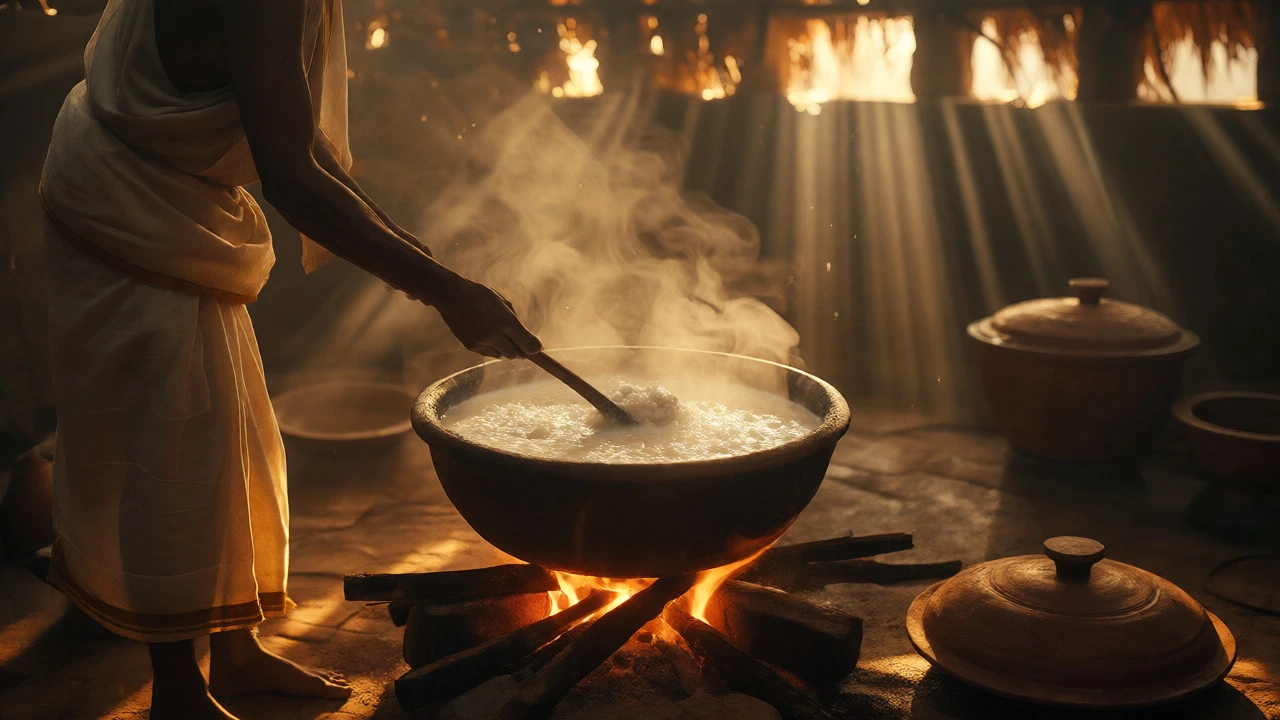
Kheer (the North Indian name) and Payasam (the South Indian name) rely on a technique called reduction. You boil milk until it thickens and concentrates its natural sugars (lactose). Then you add rice or vermicelli and let it cook down into a creamy porridge. This method appears in early Ayurvedic texts and Vedic scriptures. The Atharvaveda, composed around 1200 BCE, mentions preparations involving milk and grains used for healing and ritual purity. While it doesn’t give us a modern recipe card, it confirms that this combination was already sacred.
Think about it. No oven required. No complex machinery. Just fire, milk, and grain. This simplicity is why it survived millennia. While other dishes faded because ingredients became scarce or tastes changed, Payasam remained because it was always available and always meaningful.
Why Not Sugar-Based Sweets?
Many people guess that Ladoo or Barfi are older. After all, they feel timeless. But here is the catch: most solid Indian sweets rely heavily on khoya (dried milk solids) and significant amounts of added sugar. The process of making khoya is labor-intensive and requires large quantities of milk. More critically, the widespread use of sucrose-based sugar only took off after the Gupta Empire period (around 300-600 CE), when sugarcane cultivation expanded significantly.
Before that, sweetness was subtle. Honey was known, but it was expensive and often reserved for medicinal uses or high-status individuals. Dates were sweet, but they weren't typically cooked into elaborate desserts in the same way. Rice and milk, however, were staples. Farmers grew rice. Cows were revered. Combining them created a dish that was both nutritious and celebratory without needing rare imports.
| Ingredient | Approximate Introduction | Impact on Desserts |
|---|---|---|
| Milk & Rice | > 1500 BCE | Basis for Kheer/Payasam; earliest recorded sweet preparations. |
| Honey | > 2000 BCE | Used in medicines and minor offerings; not a primary dessert base due to cost. |
| Sugarcane | ~ 500 BCE - 300 CE | Led to the development of jaggery and later refined sugar. |
| Refined Sugar | ~ 600 CE onwards | Enabled solid sweets like Barfi, Gulab Jamun, and Jalebi. |
Regional Variations: Same Dish, Different Names
If you travel across India, you’ll see the same concept morphing to fit local tastes. This adaptability is proof of its age. Older things tend to spread and change. Newer trends stay localized longer.
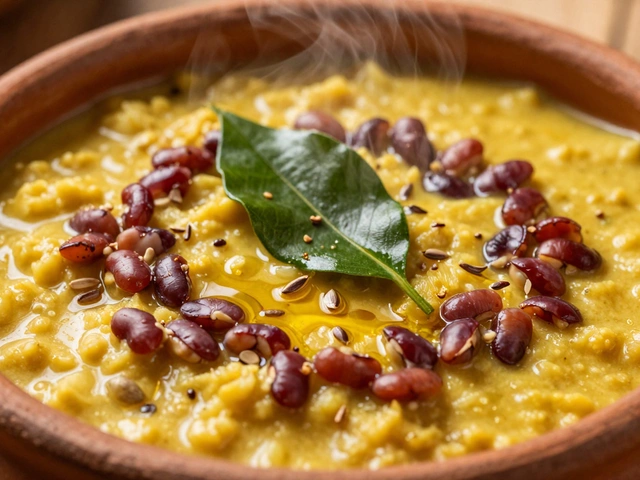
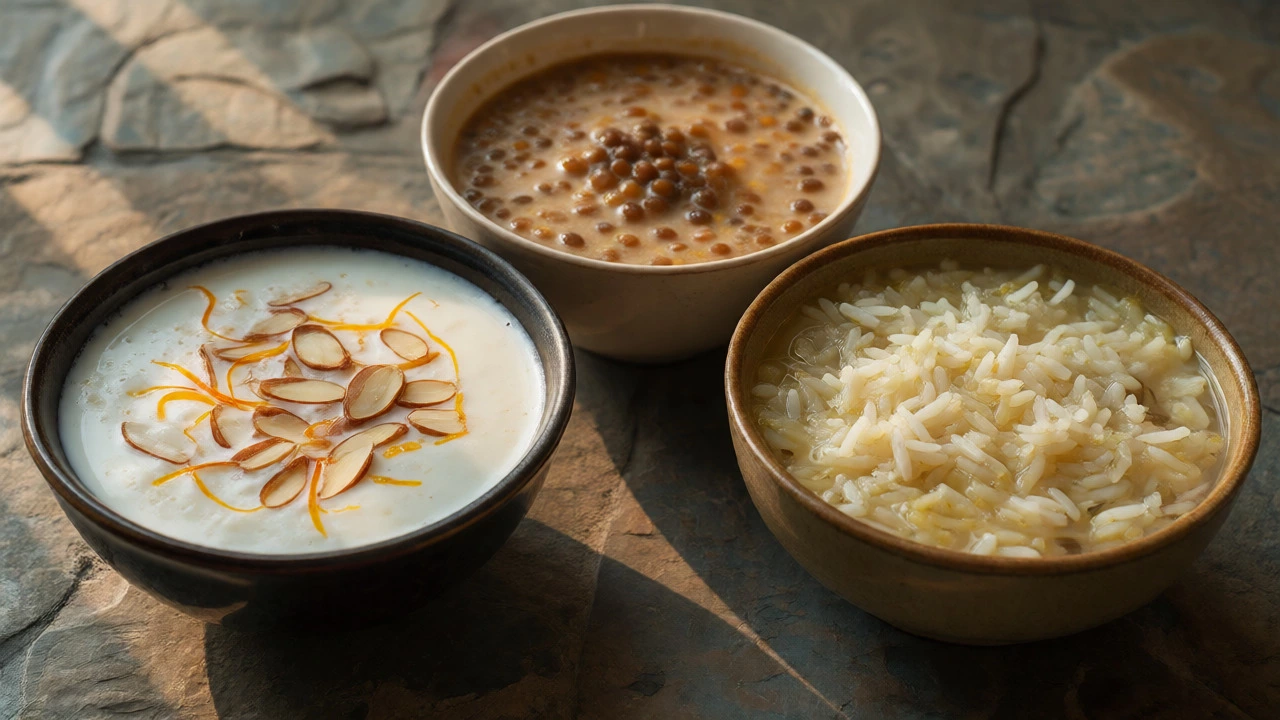
In the South, particularly in Tamil Nadu and Kerala, Paruppu Payasam uses lentils instead of rice. It’s thinner, often flavored with coconut milk and jaggery. In the North, Rice Kheer is thicker, rich with full-fat cow’s milk, and garnished with almonds and saffron. In Bengal, Payesh is often made with gobindobhog rice, a fragrant short-grain variety specific to the region.
Each variation tells a story about local agriculture. The South has coconuts and lentils. The North has dairy farms and saffron fields. The East has aromatic rice. Yet, the core identity remains: a slow-cooked, creamy, sweetened grain dish served warm or cold. This consistency across diverse geographies suggests a shared ancestral origin rather than independent invention.
The Role of Religion and Ritual
You can’t separate Indian food from faith. Payasam isn’t just dessert; it’s prasad. In Hindu temples, it is offered to the deity before being distributed to devotees. This ritualistic role cemented its place in history. People didn’t just eat it for pleasure; they ate it for blessings.
Consider the Anna Prasadam tradition. During festivals like Diwali or Pongal, families prepare massive pots of kheer. The act of cooking itself is considered meditative. Stirring the milk slowly prevents burning, requiring patience and attention. This mirrors spiritual practices of mindfulness.
Furthermore, Ayurveda classified milk-rice combinations as cooling and nourishing. For centuries, it was prescribed for health, not just hunger. If a child was sick, they got kheer. If an elder needed strength, they got kheer. Its dual role as food and medicine ensured it never fell out of favor, unlike trendy snacks that come and go.
How to Make Authentic Ancient-Style Payasam
You don’t need a temple kitchen to make this. You just need time and good milk. Modern shortcuts using condensed milk skip the flavor development that comes from slow reduction. Here’s how to do it right, keeping close to the historical method.
- Ingredients: Full-fat whole milk (1 liter), basmati or short-grain rice (1/4 cup), cardamom pods (crushed), saffron strands (optional), nuts (cashews/almonds), and sweetener.
- The Sweetener Choice: Historically, you wouldn’t use white sugar. Try jaggery or date syrup for a more authentic taste profile. Jaggery adds an earthy depth that white sugar lacks.
- The Process: Boil the milk in a heavy-bottomed pot. Reduce it by half. This takes 30-45 minutes. Don’t rush it. Add washed rice and cook until soft. Stir frequently to prevent sticking. Add cardamom and sweetener near the end.
- Garnish: Fry cashews in ghee until golden. Sprinkle over the top. The ghee adds richness and aroma, linking back to the Vedic reverence for clarified butter.
Taste test as you go. The goal is creaminess, not soupiness. If it’s too thin, keep simmering. If it’s too thick, add a splash of hot milk. It should coat the back of a spoon smoothly.
Other Contenders for the Title
While Payasam takes the crown, two other candidates deserve mention. First, Sandesh from Bengal. Made from fresh paneer (cheese) and sugar, it’s simple and pure. Some argue cheese-making is ancient. However, the addition of refined sugar makes Sandesh younger than milk-rice puddings. Paneer existed, but sweetened paneer treats likely evolved later.
Second, Modak. This steamed dumpling filled with coconut and jaggery is iconic during Ganesh Chaturthi. Coconut and jaggery are old ingredients. But the specific cultural association with Lord Ganesha places its popularity firmly in the medieval period, post-Gupta era. It’s ancient, but not the oldest.
These comparisons help clarify why Payasam wins. It predates the sugar boom. It predates the complex dairy processing needed for khoya. It relies on the most basic, abundant resources: grain and milk. That’s why it’s everywhere, all the time, in every part of India.
Why This History Matters Today
We live in an age of fusion desserts-chocolate gulab jamun, mango cheesecake. Fun, but fleeting. Knowing the origins of our food grounds us. When you eat a bowl of kheer, you’re participating in a 4,000-year-old tradition. You’re connecting with ancestors who stood over fires, stirring pots, hoping for a blessing.
It also challenges the notion that Indian sweets are overly sugary. Traditional Payasam, made with jaggery or dates, is moderately sweet. The sweetness comes from concentration, not addition. As health-conscious consumers return to whole foods, this ancient dessert fits perfectly. It’s gluten-free (if made with rice), protein-rich (from milk), and digestible.
So next time someone asks you what the oldest dessert in India is, don’t hesitate. Tell them it’s the humble bowl of milk and rice. It’s not flashy. It doesn’t have a fancy French name. But it has survived empires, invasions, and industrialization. That kind of longevity speaks volumes.
Is Kheer and Payasam the same thing?
Yes, they are essentially the same dish with regional variations. Kheer is the Hindi/North Indian term, while Payasam is the Tamil/South Indian term. The main differences lie in the type of rice used, the thickness, and whether coconut milk is included. Both share the same core concept of slow-cooked milk and grain.
Did ancient Indians use sugar in their desserts?
Not initially. Refined white sugar became common much later, around the Gupta Empire period (300-600 CE). Earlier desserts relied on natural sweeteners like honey, dates, figs, and later, jaggery (unrefined cane sugar). The oldest desserts like Payasam originally used minimal or no added sweetener, relying on the natural lactose in reduced milk.
Why is Payasam considered a religious offering?
In Hindu tradition, food offered to deities becomes 'prasad' (blessed food). Payasam is easy to prepare in large quantities and is considered auspicious and pure. Its ingredients-milk and rice-are seen as sattvic (pure/harmonious) in Ayurveda, making them ideal for worship. Serving it symbolizes sharing divine grace with the community.
Can I make Payasam vegan?
Traditional Payasam is not vegan because it uses dairy milk. However, modern versions use coconut milk or almond milk. While these are delicious, they deviate from the original historical recipe which relied on cow’s milk. Coconut milk payasam is popular in Kerala and offers a distinct, richer flavor profile.
What is the difference between Khoya and Milk Powder?
Khoya is milk solids obtained by evaporating water from milk through prolonged heating. It has a caramelized, nutty flavor. Milk powder is dehydrated milk spray-dried at lower temperatures. While milk powder can mimic texture, it lacks the depth of flavor that traditional khoya provides in solid sweets like Barfi. Payasam usually uses liquid milk, not khoya.