Chutney Pairing Finder
Select your main dish below to discover the ideal chutney companion, serving method, and why it works.
Common Chutney Profiles
Coconut
Cooling & Creamy
Best for: Idli, DosaTamarind
Sweet & Tangy
Best for: Samosas, PakorasMint-Coriander
Zesty & Fresh
Best for: Fried Snacks, KebabsTomato-Onion
Savory & Warm
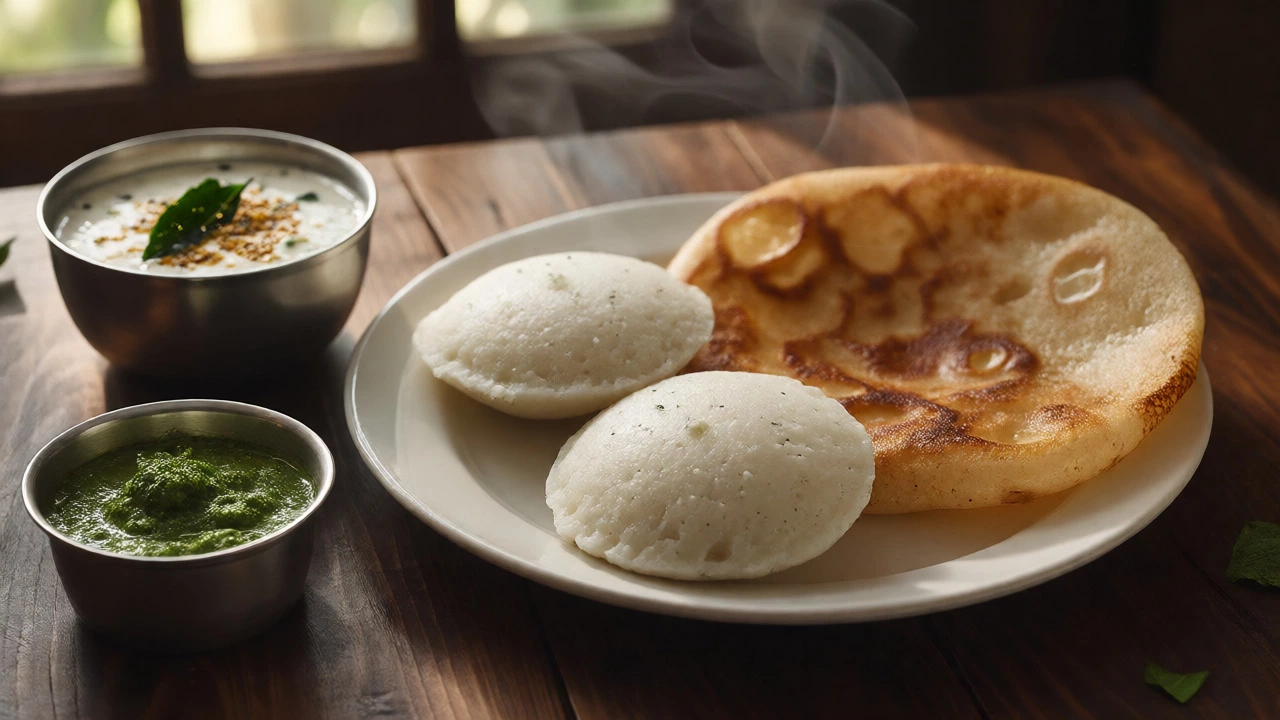
Best for: Biryani, ParathasYou’ve just ordered a plate of steaming idlis or perhaps some crispy samosas. There’s a small bowl of green paste next to them. Do you dip? Do you spoon it over the top? Or do you mix it into your rice? If you’re new to Indian chutney, a condiment made from fruits, vegetables, herbs, or spices that adds flavor, texture, and heat to meals, you might feel unsure about the proper way to consume it. It’s not just a side dish; it’s an integral part of the meal’s balance.
Unlike Western ketchup or mustard, which are often applied liberally, Indian chutneys are designed to be used with intention. They range from mild coconut blends to fiery tamarind sauces. Knowing how to eat them correctly can transform a bland bite into a complex culinary experience. This guide breaks down the basics, helping you navigate the world of these vibrant accompaniments without feeling out of place at a dinner table in Mumbai or Chennai.
The Core Purpose of Chutney in Indian Cuisine
To understand how to eat chutney, you first need to understand why it exists. In many Western cuisines, sauces are added to mask flavors or add moisture. In India, chutney is about contrast. It provides the missing element in a dish. If your main food is dry and fried, like a vada, you need a wet, cooling chutney. If your food is soft and mild, like idli, you need something sharp and tangy to wake up your palate.
There are three primary profiles you’ll encounter: sweet, sour, and spicy. The goal is rarely to make the chutney the star of the show. Instead, it acts as a bridge between different flavors on your plate. For example, when eating dosa, a fermented crepe that has a slight sourness, pairing it with a sweet coconut chutney creates a harmonious balance. Eating it alone might taste flat, but combined, they create a complete flavor profile.
Common Types and Their Best Uses
Not all chutneys are created equal. Using the wrong one can ruin a dish. Here is a quick breakdown of the most common varieties and what they pair best with.
| Chutney Type | Primary Ingredients | Flavor Profile | Best Paired With |
|---|---|---|---|
| Coconut Chutney | Fresh coconut, green chili, tempering (mustard seeds) | Cooling, creamy, mild heat | Idli, Dosa, Uttapam |
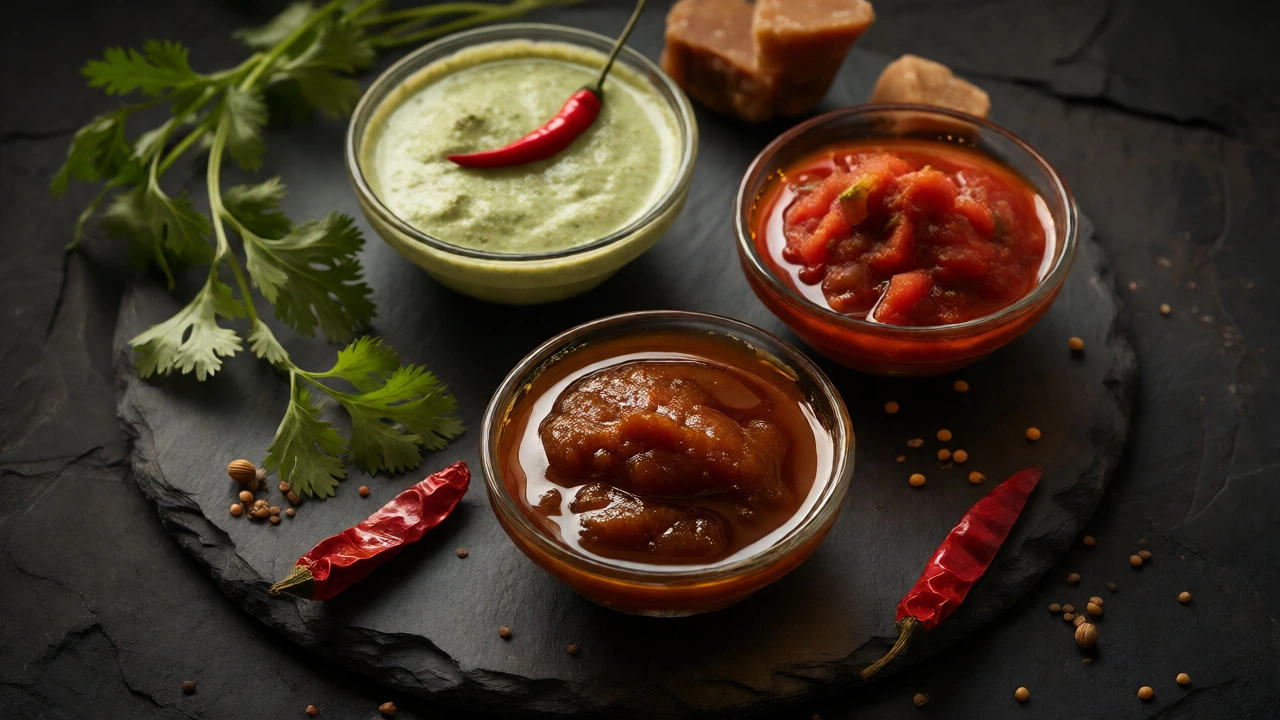
| Tamarind Chutney | Tamarind pulp, jaggery, dates | Sweet, tangy, thick | Samosas, Pakoras, Chaat |
| Mint-Coriander Chutney | Mint, coriander, lemon, garlic | Bright, zesty, refreshing | Sambar Rice, Fried Snacks, Kebabs |
| Tomato-Onion Chutney | Tomatoes, onions, red chili powder | Savory, slightly spicy, warm | Rice, Biryani, Parathas |
The Art of Pairing: Matching Texture and Taste
The golden rule is simplicity. Don’t overload your plate. Start with one type of chutney per meal. If you are having a South Indian breakfast, stick to the traditional duo: coconut chutney and sambar (a lentil-based vegetable stew). Adding tamarind chutney here would clash because both are heavy and sweet/sour, overwhelming the delicate taste of the idli.
Consider the temperature. Hot foods often benefit from cool chutneys. Mint-coriander chutney is typically served cold or at room temperature. When you dip a hot pakora into this cool sauce, the temperature contrast enhances the crunch and soothes the spice. Conversely, tomato-onion chutney is often cooked and served warm, making it a better match for warm breads like roti or paratha rather than cold salads.
Think about intensity. If your main dish is already heavily spiced, choose a milder chutney. Coconut chutney is perfect here because its fat content (from coconut) helps neutralize capsaicin, the compound that makes chilies hot. If your dish is bland, such as plain boiled potatoes or steamed rice, go for a punchier option like a raw mango chutney or a fiery ginger pickle.
Eating Etiquette: Dip, Drizzle, or Mix?
This is where cultural context matters. In formal dining settings, especially in South India, you generally don’t pour chutney directly onto your entire serving of idlis. Instead, you break off a small piece of idli, dip it lightly into the chutney, and then eat it. This allows you to control the ratio of food to condiment. Pouring chutney over everything turns the idli soggy too quickly, ruining the texture.
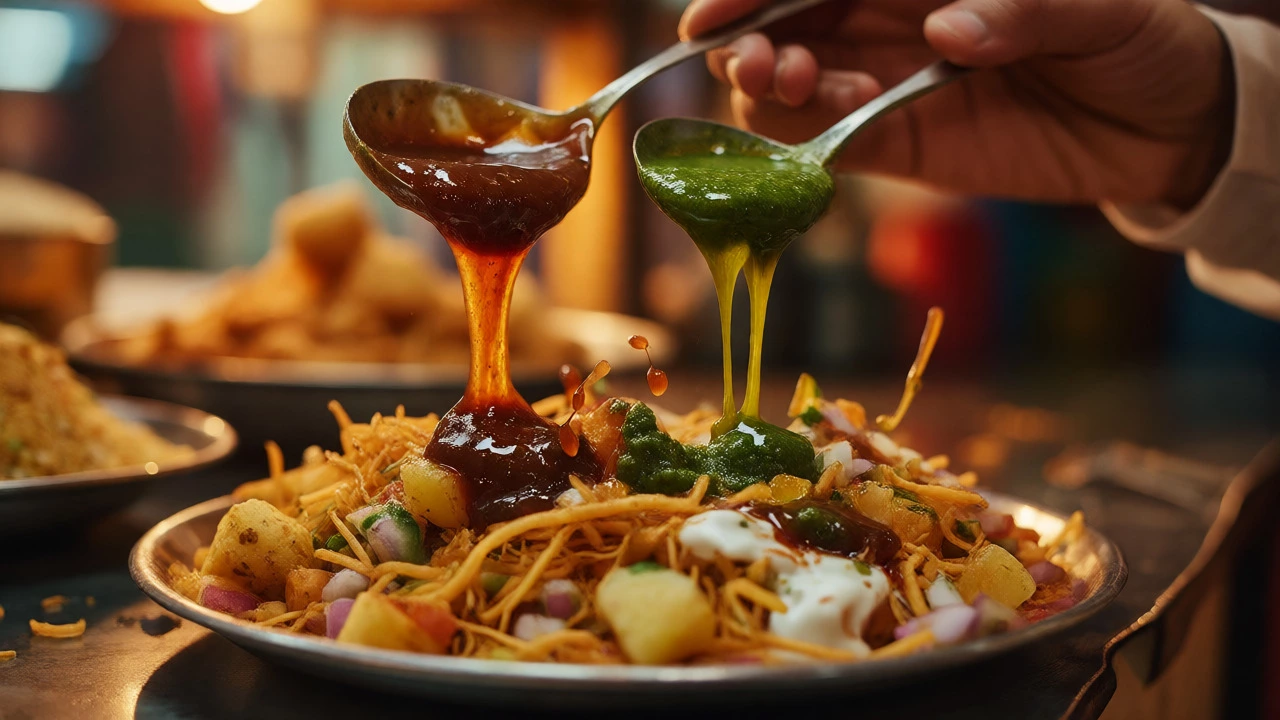
For street food like chaat, the rules change. Here, you drizzle generous amounts of both tamarind and mint chutney over the dish before mixing it thoroughly. The goal is to coat every ingredient so that each bite delivers a mix of crunchy sev, soft potato, and tangy sauce. Mixing ensures that no single bite is too sweet or too spicy.
When eating with hands, which is common in many parts of India, use your fingers to scoop a small amount of chutney onto the edge of your banana leaf or plate. Then, tear a piece of dosa or roll a ball of rice and dip it. Avoid using large spoons to ladle chutney if you are trying to mimic local habits, though using a spoon is perfectly acceptable for beginners.
Regional Variations You Should Know
India is vast, and "chutney" means different things in different regions. Understanding this prevents confusion.
- South India: Focuses on fresh, uncooked, or lightly tempered chutneys. Coconut, curry leaves, and mustard seeds are staples. These are meant to accompany rice and fermented batters.
- North India: Often uses dried fruits, nuts, and sugar. Imli (tamarind) and pudina (mint) are king here. These are frequently paired with fried snacks and kebabs.
- East India: Incorporates fish and shrimp pastes in some areas, along with mustard oil bases. These are pungent and strong, usually eaten with rice and lentils.
- West India: Known for sweet-sour combinations using kokum fruit or date palm syrup. These are often served with bhaji (vegetable fritters).
If you are traveling or eating at a regional restaurant, ask the server for recommendations. They can tell you which chutney complements the specific regional spice blend of your main course.
Health Benefits and Storage Tips
Most homemade chutneys are healthy. They are low in calories and high in antioxidants. Mint aids digestion, while turmeric in some chutneys fights inflammation. However, store-bought versions can be high in sugar and preservatives. Always check labels if you are watching your sugar intake.
Fresh chutneys spoil quickly. Coconut chutney lasts only 2-3 days in the refrigerator. To extend its life, you can freeze it in ice cube trays. When ready to eat, thaw a cube and re-temper it with fresh mustard seeds and curry leaves to revive the aroma. Never leave chutney out at room temperature for more than two hours, especially in warm climates.
Common Mistakes to Avoid
One major mistake is treating chutney as a salad dressing. It’s too concentrated. Another error is mixing incompatible flavors. Don’t put mint chutney on a dessert-like sweet dish unless you specifically enjoy savory-sweet contrasts. Also, avoid using metal spoons for long-term storage in glass jars, as acidic chutneys like tamarind can react with certain metals, altering the taste.
Finally, don’t be afraid to experiment. While tradition dictates certain pairings, your palate is unique. Some people love adding a dash of lime juice to their coconut chutney for extra zing. Others prefer adding yogurt to thin out a thick chutney. There is no single "correct" way to eat it, only ways that enhance your enjoyment.
Can I eat chutney by itself?
Yes, but it is intense. Most chutneys are concentrated condiments, not standalone dishes. Eating a whole bowl of spicy mint chutney might upset your stomach due to the high acidity and spice levels. It is best enjoyed in small quantities alongside bland or starchy foods like rice, bread, or vegetables.
What is the difference between chutney and pickle?
Chutney is typically fresh, smooth, and consumed within a few days. Pickles (achar) are preserved for months or years using oil, salt, and vinegar or lemon juice. Chutneys are softer and fresher, while pickles are harder, oilier, and have a longer shelf life.
Is Indian chutney always spicy?
No. Many chutneys are sweet or mild. Tamarind chutney is primarily sweet and sour. Coconut chutney can be very mild if made without green chilies. Spiciness varies by region and recipe, so always taste a small amount before assuming it will burn your tongue.
How do I store leftover chutney?
Store fresh chutneys in an airtight glass container in the refrigerator. Use a clean, dry spoon every time to prevent bacterial growth. Coconut-based chutneys last 2-3 days, while tamarind or tomato chutneys may last up to a week. Freezing is an option for longer storage, though texture may change slightly upon thawing.
Which chutney goes with samosas?
The classic pairing is a combination of sweet tamarind chutney and spicy mint-coriander chutney. The sweetness cuts through the oily pastry, while the mint cleanses the palate. In some regions, a simple onion-chili chutney is also popular.