Indian Cuisine Terminology Guide
"Indian"
The standard, widely accepted adjective for people and cuisine from India.
Use when: Referring generally to the country's culture or food (e.g., "Indian sweets", "Indian grocery").
"South Asian"
A broader descriptor including India, Pakistan, Bangladesh, Sri Lanka, Nepal, Bhutan, and Maldives.
Use when: Discussing communities or festivals that span multiple countries in the region.
Regional Specificity
Using names like Bengali, Punjabi, Goan, or Kerala.
Use when: You know the origin of a dish. It honors the chef's heritage and educates the eater.
"Curry"
Often used as a catch-all, but many find it reductive. Curry is a sauce, not a cuisine.
Better alternative: Name the specific dish (e.g., "Chana Masala" instead of "chickpea curry").
"Exotic" / "Mysterious"
These words "otherize" the culture, implying it is strange or unknown.
Better alternative: Use descriptive words like "aromatic," "rich," or "traditional."
"Oriental" / "Hindu"
"Oriental" is outdated/colonial. "Hindu" refers to religion, not nationality or food style.
Better alternative: Use "Indian" or specific regional identifiers.
Have you ever paused before ordering at a restaurant or writing a blog post because you weren't sure if the word "Indian" was appropriate? It’s a common hesitation. We want to be polite, but we also don’t want to sound stiff or overly formal. The truth is, Indian is the standard, respectful, and widely accepted term for people from India and their cuisine. However, context matters immensely. Using the right terminology shows respect for a diverse culture that spans dozens of languages, religions, and regional traditions.
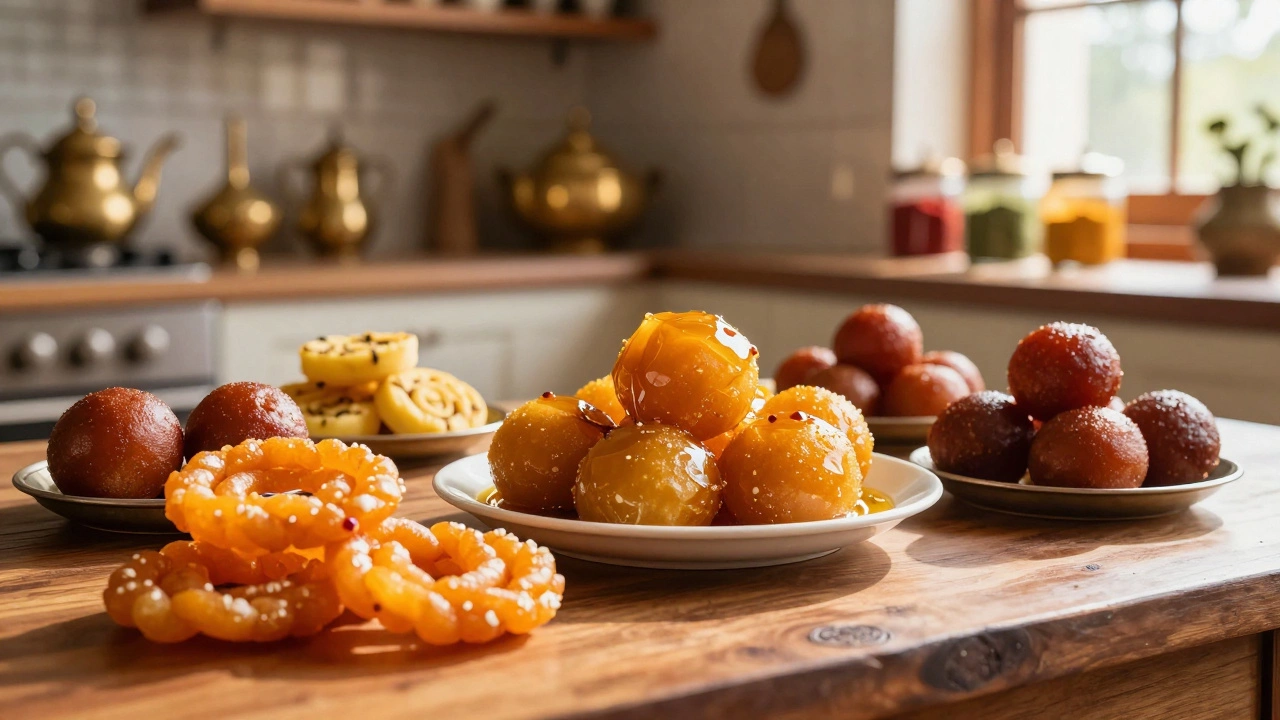
When it comes to food-especially something as beloved as Indian sweets-the language we use can either bridge gaps or create distance. This guide explores why "Indian" works, when to use more specific terms like "South Asian," and how to honor the diversity within Indian culinary traditions without overcomplicating your vocabulary.
Why "Indian" Is Usually the Right Choice
Let’s start with the basics. "Indian" is an adjective derived from India, the country. It is not offensive, nor is it outdated. In fact, using it is often seen as a sign of familiarity and acceptance. When you say "Indian food," "Indian sweets," or "Indian culture," you are using the same term that most people from the subcontinent use to describe themselves internationally.
Consider this: If you visit a shop in Cape Town or New York labeled "Indian Grocery," no one will think twice about it. It’s clear, concise, and universally understood. The confusion usually arises when people worry that "Indian" might sound too broad or generic. But being broad isn’t bad-it’s just accurate. India is a massive country with incredible variety, yet it shares a national identity that unifies its people under the term "Indian."
Think of it like saying "Italian" or "Mexican." These terms cover vast regions and distinct local cuisines, yet they remain the primary identifiers. You wouldn’t call pasta "Neapolitan" unless you were specifically discussing Naples. Similarly, calling a dish "Indian" is perfectly fine unless you have specific knowledge about its regional origin.
When to Use "South Asian" Instead
Sometimes, "Indian" feels too narrow. That’s where the term South Asian is a broader geographical and cultural descriptor that includes India, Pakistan, Bangladesh, Sri Lanka, Nepal, Bhutan, and the Maldives comes in handy. If you’re talking about a community that includes people from multiple countries in the region, "South Asian" is more inclusive and accurate.
For example, if you’re organizing a festival featuring dishes from India, Pakistan, and Bangladesh, calling it an "Indian Food Festival" would exclude half the participants. In that case, "South Asian Cuisine" is the respectful and correct choice. It acknowledges the shared history, spices, and cooking techniques across the border while respecting national identities.
However, if you’re strictly talking about recipes from India-like Gulab Jamun is a popular deep-fried milk-solid dumpling soaked in rose-flavored sugar syrup, originating from the Indian subcontinent-then stick with "Indian." Switching to "South Asian" when referring specifically to India can sometimes feel evasive or politically motivated rather than genuinely inclusive.
The Power of Regional Specificity
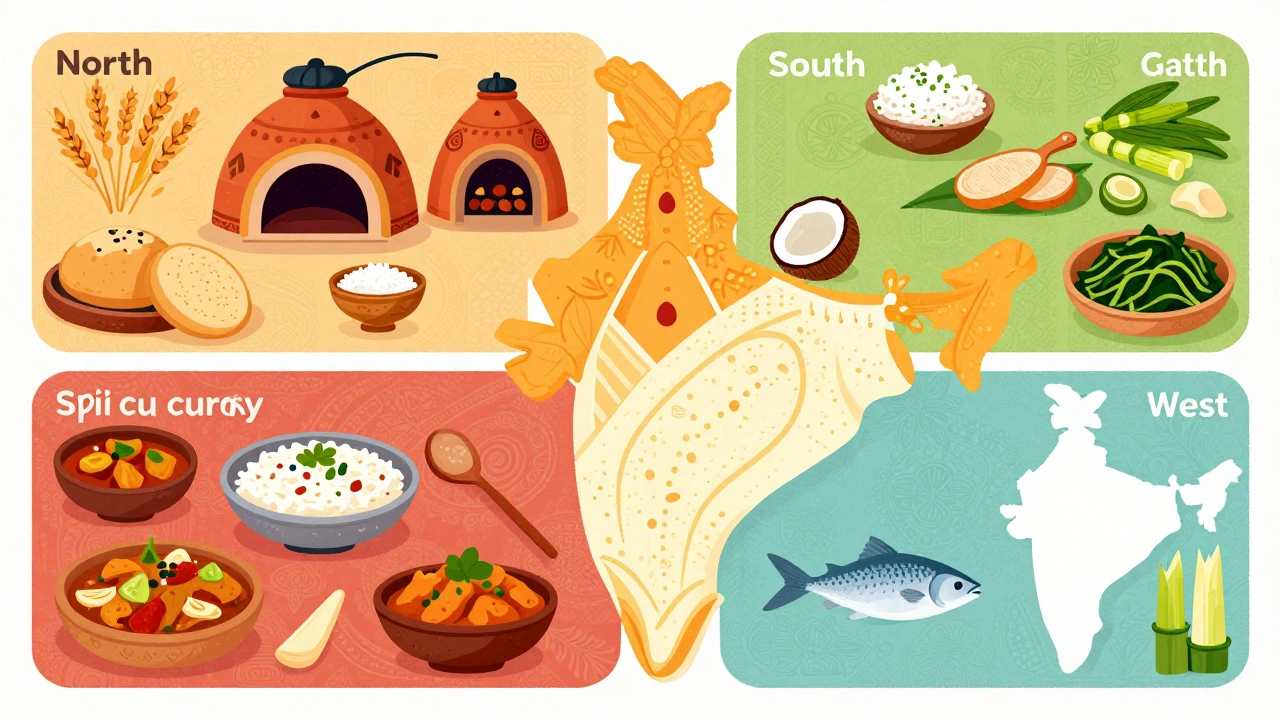
If you want to show deeper respect and knowledge, go beyond "Indian" and name the region. India has six major culinary zones: North, South, East, West, Central, and Northeast. Each has distinct flavors, ingredients, and cooking methods.
- North Indian: Known for rich gravies, tandoori meats, and wheat-based breads like naan. Think butter chicken and biryani.
- South Indian: Features rice, lentils, coconut, and tamarind. Dishes include dosa, idli, and sambar.
- East Indian: Famous for mustard oil, fish, and sweet-savory combinations. Bengali cuisine is a prime example.
- West Indian: Includes Gujarati (vegetarian-heavy), Rajasthani (dry, spicy), and Goan (Portuguese-influenced seafood).
- Northeast Indian: Uses bamboo shoots, fermented soy, and minimal spices. Often overlooked but incredibly unique.
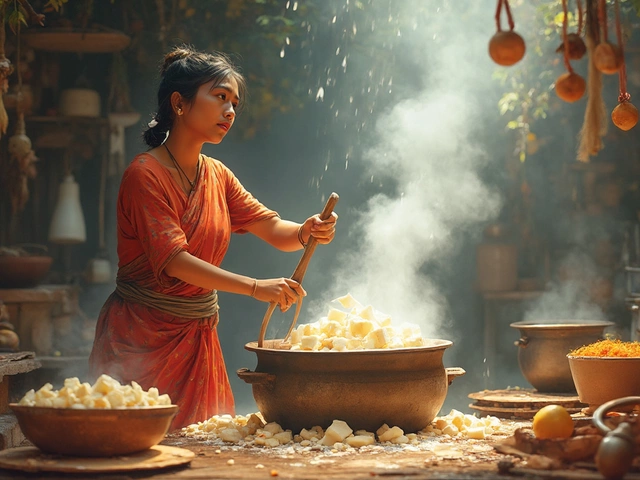
Calling a dish "Bengali" instead of "Indian" tells the reader you understand its roots. It honors the chef’s heritage and educates the eater. For instance, if you’re making Rasgulla is a spongy, soft cheese ball soaked in light sugar syrup, traditionally associated with West Bengal and Odisha in Eastern India, specifying "Bengali Rasgulla" adds authenticity and respect.
Avoiding Problematic Terms
While "Indian" is safe, some older or colloquial terms should be avoided. Words like "Hindu" (which refers to religion, not nationality) or "Oriental" (which is outdated and often associated with Asia broadly, not specifically India) can come across as ignorant or offensive. Even "Indic" is rarely used in everyday conversation and sounds academic.
Also, be cautious with slang. Terms like "curry" are often used as a catch-all for Indian food, but many Indians find it reductive. Curry is a sauce, not a cuisine. Saying "I love curry" is like saying "I love soup"-it’s vague and misses the nuance. Instead, try naming the dish: "I love chana masala" or "I enjoy paneer tikka." This small shift shows appreciation for the complexity of the food.
Respectful Language in Recipe Writing
As someone who writes about food, I’ve learned that language shapes perception. When describing Indian sweets, avoid phrases like "exotic" or "mysterious." These words otherize the culture and imply it’s strange or unknown. Instead, use descriptive, positive language: "aromatic," "rich," "traditional," or "celebratory."
For example, instead of writing, "This exotic Indian sweet will surprise your taste buds," try, "This traditional Indian sweet, made with ghee and cardamom, brings warmth to any celebration." The second version respects the dish’s role in Indian households and invites the reader in rather than treating it as a novelty.
Also, credit origins when possible. If a recipe comes from a specific family or region, mention it. "My grandmother’s recipe for jalebi" or "A classic Kerala-style payasam" adds personal touch and historical weight. It transforms a simple instruction into a story.
Understanding Cultural Sensitivity Beyond Words
Language is only part of respect. How you prepare, serve, and discuss Indian food matters too. Many Indian dishes have religious or ceremonial significance. For example, Laddu is a round, sweet confection made from flour, semolina, or chickpeas, often offered in Hindu temples and served during festivals like Diwali is not just a snack; it’s a symbol of prosperity and devotion. Treating it as mere dessert ignores its cultural weight.
Similarly, some ingredients are sacred. Ghee (clarified butter) is considered pure in Hindu tradition. Using low-quality substitutes without explanation can feel dismissive. Be transparent about your choices. If you’re making a vegan version, say so clearly: "Vegan Gulab Jamun using plant-based milk." This honesty builds trust with readers who care about authenticity.
Practical Tips for Everyday Conversation
Here’s a quick checklist to keep your language respectful and accurate:
- Use "Indian" confidently. It’s the standard term and is widely accepted.
- Specify regions when known. "Punjabi," "Tamil," or "Goan" adds depth and respect.
- Use "South Asian" for multi-country contexts. Great for festivals or diaspora communities.
- Avoid "curry" as a blanket term. Name the dish instead.
- Drop "exotic" and "oriental." They carry colonial baggage and lack precision.
- Credit sources. Mention families, regions, or chefs when sharing recipes.
These small adjustments make a big difference. They show that you see Indian culture as complex, living, and worthy of detailed attention-not just a monolith of spices and street food.
Conclusion: Respect Is in the Details
So, what is a respectful word for Indian? The answer is simple: "Indian." But the real question is how you use it. Are you reducing a rich culture to stereotypes? Or are you celebrating its diversity through precise, thoughtful language? By choosing words carefully, you honor the people behind the food. And in the end, that’s what cooking-and eating-is all about: connection, respect, and shared joy.
Is it okay to call Indian food "curry"?
It’s common, but not ideal. "Curry" is a vague term that originated in British colonial times. Many Indians prefer specific names like "chicken tikka masala" or "dal makhani" because they reflect the actual dish. Using precise names shows greater respect and understanding.
What’s the difference between "Indian" and "South Asian"?
"Indian" refers specifically to people and culture from India. "South Asian" is a broader term that includes India, Pakistan, Bangladesh, Sri Lanka, Nepal, Bhutan, and the Maldives. Use "South Asian" when discussing topics that span multiple countries in the region.
Are there any offensive words to avoid when talking about Indian culture?
Yes. Avoid terms like "Oriental" (outdated and imprecise), "Hindu" (unless referring specifically to religion), and "exotic" (which implies strangeness). Also, steer clear of slang that reduces complex cuisines to single words like "curry" without context.
How can I show respect when writing about Indian recipes?
Use specific regional names (e.g., "Bengali" instead of "Indian"), credit original sources, avoid stereotypical language, and explain the cultural significance of dishes. Transparency about adaptations (like vegan versions) also builds trust.
Why is regional specificity important in Indian cuisine?
India has immense culinary diversity. North Indian food uses dairy and wheat, while South Indian relies on rice and coconut. Specifying regions honors these differences and provides a more accurate picture of the cuisine, avoiding the misconception that all Indian food tastes the same.