Mild Indian Curry Selector
Select a dish below to see why it's perfect for your palate.
Mutter Paneer
Tomato & Pea GravyChicken Korma
Yogurt & Nut SauceMalai Kofta
Creamy Veg DumplingsPalak Paneer
Spinach Puree BaseDal Tadka
Tempered LentilsDish Name
Subtitle goes here
Why It's Mild:
Description...
Pro Tip for Beginners:
Tip content...
Best Served With:
- • Pairing Item
Key Ingredients:
Ingredients list...
You’ve been to the restaurant, you’ve ordered the "mild" option, and somehow your tongue still felt like it was on fire. It’s frustrating. You love the complex flavors of Indian cuisine-the earthy cumin, the bright coriander, the rich coconut-but you don’t want to spend the next hour drinking milk to cool down. The good news is that mild Indian food isn’t just a compromise; it’s a whole different branch of cooking that relies on technique, not heat.
When we talk about a very mild Indian curry, we aren’t talking about bland food. We’re talking about dishes where the spices provide aroma and depth without the capsaicin burn. These curries are perfect for beginners, kids, or anyone with a sensitive stomach. They are also incredibly versatile. In Cape Town, where I live, we often blend local ingredients like fresh herbs and dairy with these traditional methods to create something uniquely gentle yet flavorful.
The Secret to Flavor Without Heat
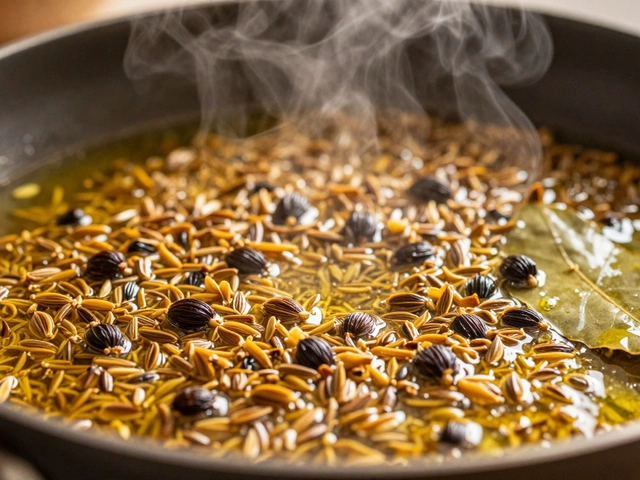
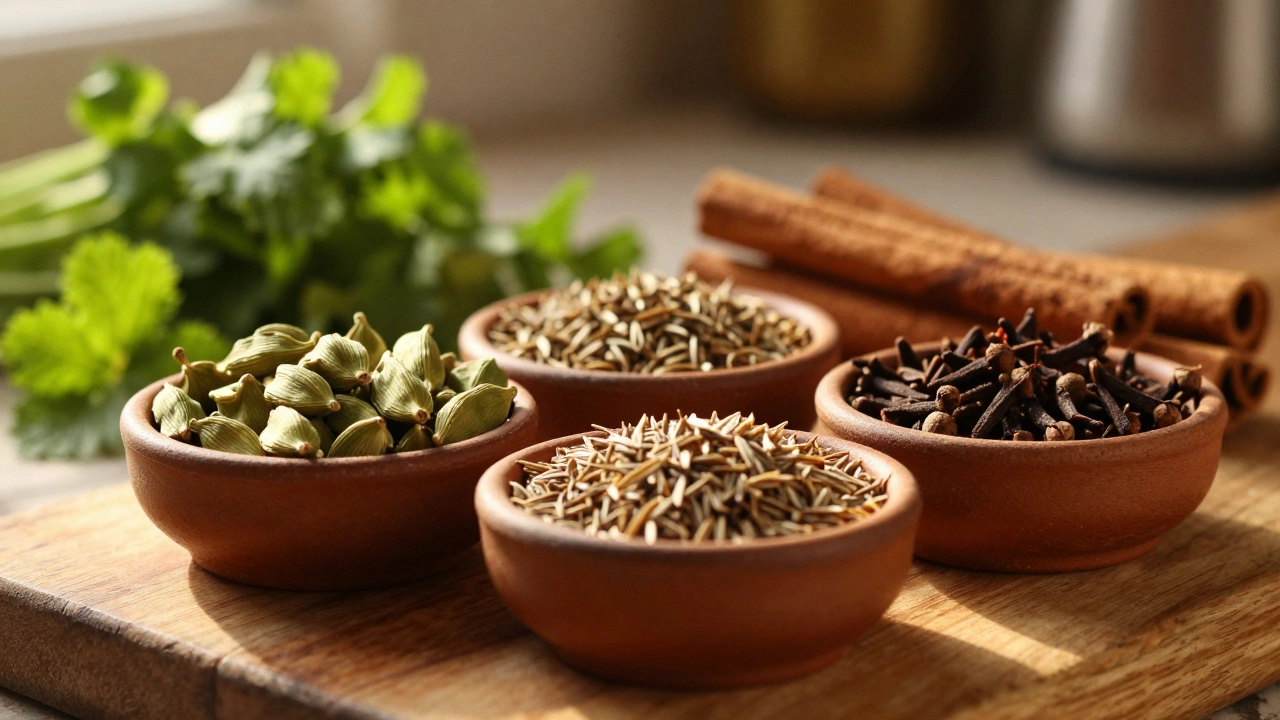
The biggest myth about Indian cooking is that you need chili peppers to make it taste good. In reality, chili is just one tool in a massive toolbox. A truly skilled cook builds flavor using whole spices seeds and bark used to infuse oil with aromatic compounds before grinding or adding liquids. Think cardamom pods, bay leaves, cinnamon sticks, and cloves. These ingredients add warmth and complexity but zero heat.
To keep a curry mild, you focus on three things:
- Aromatics: Onions, garlic, and ginger form the base. When caramelized slowly, they add sweetness and body.
- Fresh Herbs: Cilantro (coriander leaves) and mint add freshness that cuts through richness without burning.
- Creaminess: Yogurt, cream, coconut milk, or ground nuts (like cashews) act as buffers. They coat the palate and soften any residual spice kick.
If you buy pre-made paste, check the label. Many commercial pastes load up on red chilies because they preserve well and add color. For a homemade mild curry, start from scratch. It takes five extra minutes, but you control exactly what goes in.
Top 5 Very Mild Indian Curries to Try at Home
Here are five classic dishes that are naturally low in heat. These are staples in North Indian households and are widely loved across the subcontinent because they appeal to everyone, regardless of spice tolerance.
| Dish Name | Main Protein/Veg | Key Base Ingredient | Heat Level | Best Paired With |
|---|---|---|---|---|
| Mutter Paneer | Paneer & Peas | Tomato-Onion Gravy | Very Low | Naan or Basmati Rice |
| Korma | Chicken or Vegetables | Yogurt & Ground Nuts | None | Biryani or Paratha |
| Malai Kofta | Vegetable Dumplings | Cream & Cashew Paste | None | Steamed Rice |
| Palak Paneer | Spinach & Paneer | Blended Spinach Puree | Low | Roti or Chapati |
| Dal Tadka | Lentils | Tempered Spices in Ghee | Low-Medium | Rice or Bread |
1. Mutter Paneer: The Creamy Classic
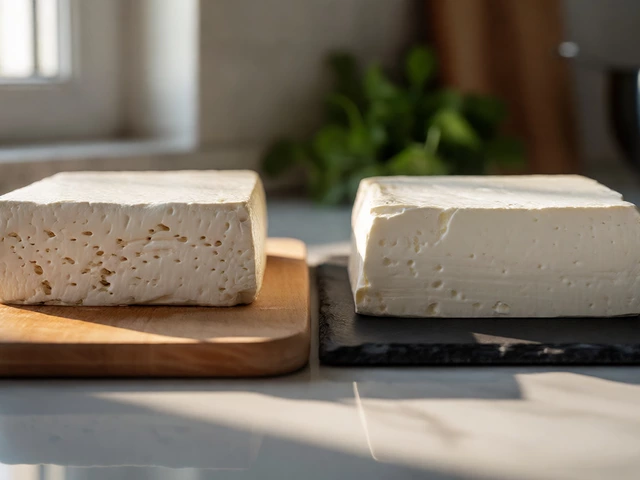
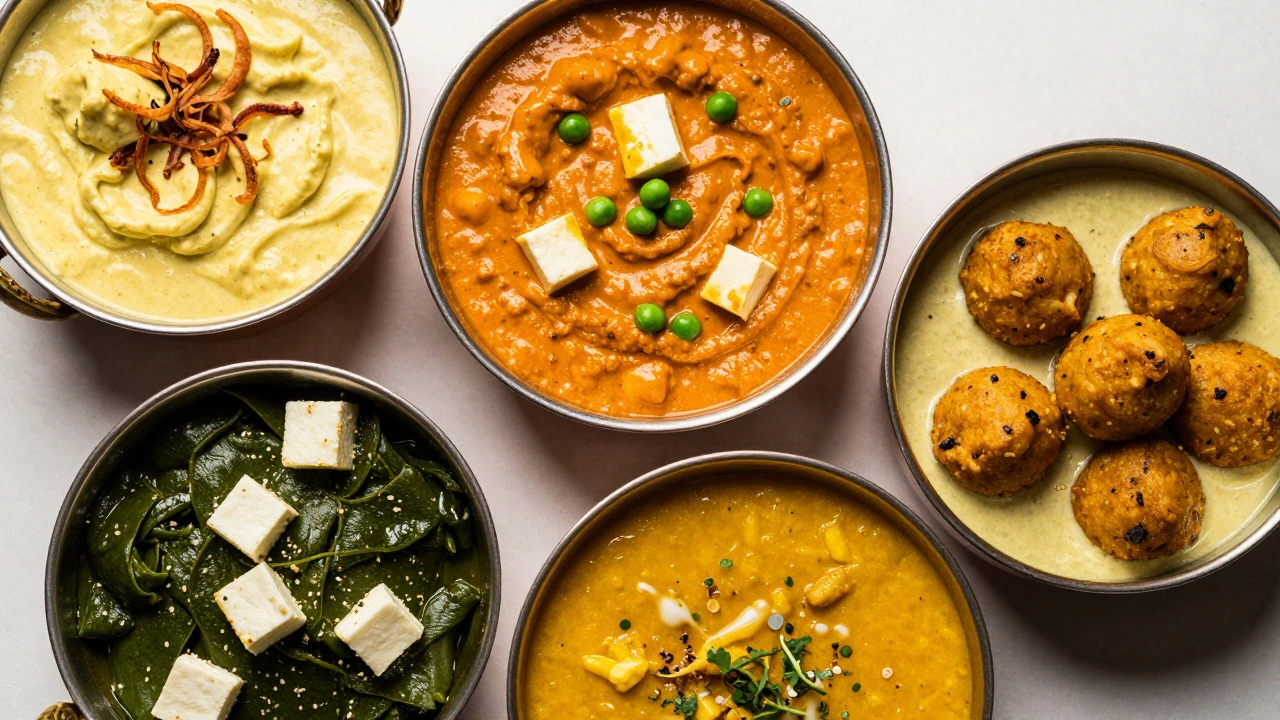
Mutter Paneer A popular North Indian dish made with cubed paneer cheese and green peas in a tomato-based gravy is arguably the most famous mild curry. Paneer is a fresh, non-melting cheese that absorbs the sauce beautifully. The green peas add a natural sweetness that balances the acidity of the tomatoes. To keep it mild, skip the red chili powder entirely. Use only turmeric for color and garam masala for aroma. The result is a comforting, orange-hued dish that feels luxurious but is simple to make.
2. Chicken Korma: Rich and Nutty
If you want meat, go for Korma A mild, creamy curry originating from Mughlai cuisine, characterized by yogurt, cream, and ground nuts. This dish has royal roots and was designed to be elegant, not fiery. The sauce is thickened with ground almonds or cashews and enriched with yogurt. There are no chilies here. The flavor comes from fried onions (birista), fennel seeds, and cardamom. It’s slightly sweet, deeply savory, and incredibly smooth. It’s perfect for dinner parties because almost everyone can eat it.
3. Malai Kofta: Dessert-Like Savory Balls
Don’t let the name fool you-this isn’t sweet, but it tastes indulgent. Malai Kofta Deep-fried vegetable and paneer dumplings served in a rich, creamy tomato-cashew sauce features soft dumplings made from mashed potatoes, paneer, and grated vegetables. They are simmered in a sauce that is literally called "malai," which means cream. The sauce is made by blending cashews, poppy seeds, and cream. It is velvety, pale orange, and completely free of heat. It’s a bit more work to prepare because you have to fry the koftas, but the payoff is worth it.
4. Palak Paneer: Green and Healthy
Palak Paneer A spinach-based curry with cubes of paneer, known for its vibrant green color and iron-rich profile is a favorite for those watching their calorie intake. The base is pureed spinach, which provides a mild, grassy flavor. While some recipes add a green chili for brightness, you can easily omit it. Instead, boost the flavor with roasted cumin powder and a pinch of asafoetida (hing). The paneer adds protein and texture, making it a complete meal on its own.
5. Dal Tadka: The Comfort Food Staple
Dal Tadka Yellow lentils tempered with ghee, cumin, garlic, and mild spices, serving as a staple comfort food in India might seem simple, but it’s the backbone of Indian home cooking. Lentils are boiled until soft, then topped with "tadka"-spices fried in hot ghee. For a mild version, use cumin seeds, mustard seeds, garlic, and a tiny bit of turmeric. Avoid green chilies in the tadka if you’re sensitive. The result is a warm, golden bowl of goodness that pairs perfectly with plain rice or roti.
How to Make Any Curry Mild: Practical Tips
Even if you’re following a recipe that calls for chilies, you can tame it. Here is how to adjust any Indian dish to suit your palate:
- Toast Your Spices: Whole spices like cumin seeds, coriander seeds, and fennel release their essential oils when heated in oil or ghee. This creates a deep flavor foundation that doesn’t rely on heat.
- Use Fresh Ginger, Not Powder: Ginger adds zing without burn. Grate it fresh into your onion-tomato base. It lifts the flavor profile significantly.
- Add Acid at the End: A squeeze of lemon juice or a dash of tamarind paste right before serving brightens the dish. It tricks your brain into thinking the food is more complex, even if there’s no spice.
- Finish with Cream or Yogurt: If you accidentally added too much chili, stir in a spoonful of heavy cream or plain yogurt. The fat binds with the capsaicin and neutralizes the heat instantly.
- Skip the Red Chili Powder: Most Indian recipes call for Kashmiri red chili powder, which adds color and mild heat. For a very mild curry, replace it with paprika or just use extra turmeric for color.
Common Mistakes to Avoid
One mistake many beginners make is confusing "mild" with "unseasoned." Just because you aren’t using chilies doesn’t mean you should skimp on salt or other spices. Salt enhances flavor perception. If your curry tastes flat, it probably needs more salt, not more heat. Another error is overcooking the aromatics. Burning the onions or garlic will give you a bitter taste that no amount of cream can fix. Cook them slowly over medium-low heat until they are golden brown and soft.
Also, be careful with store-bought curry powders. Many blends include cayenne pepper or black pepper in high quantities. For the mildest results, buy individual spices-cumin, coriander, turmeric, and garam masala-and mix them yourself. You’ll find that homemade spice blends are fresher and more aromatic than anything from a jar.
Serving Suggestions for Mild Curries
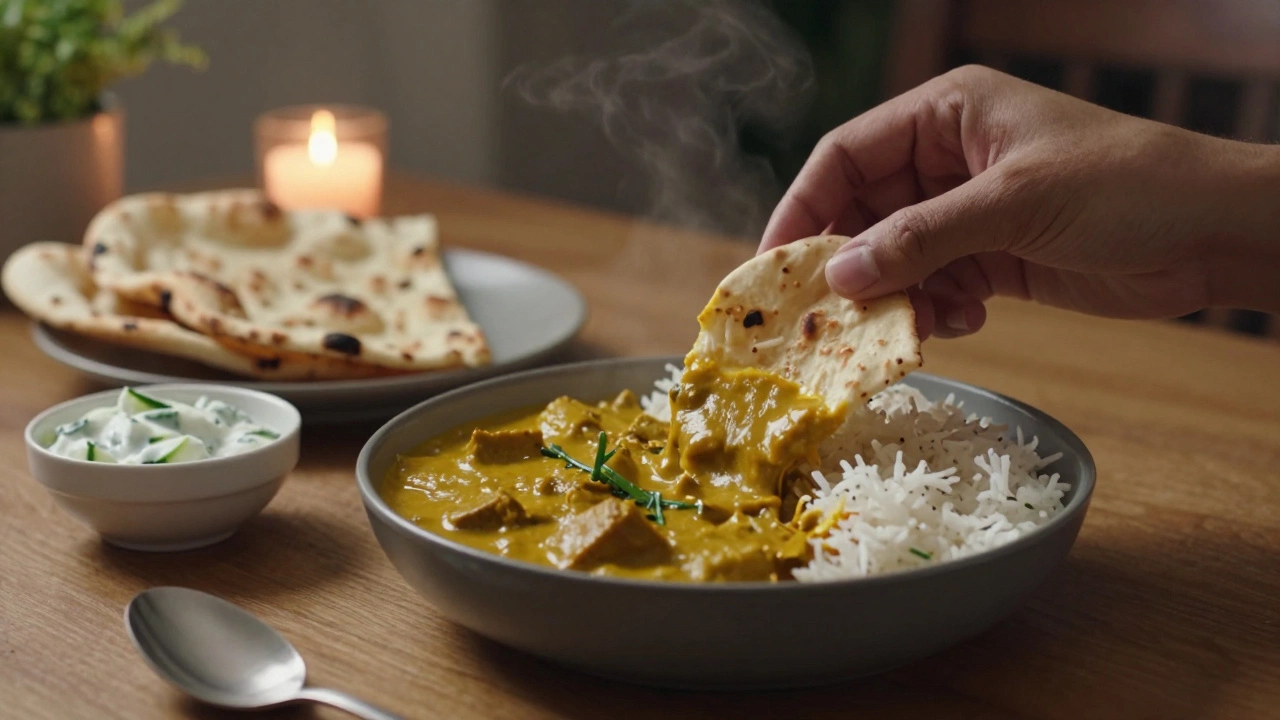
Since mild curries are often richer and creamier, they pair best with foods that can soak up the sauce. Basmati Rice A long-grain aromatic rice variety from the Himalayan foothills, known for its fluffy texture and distinct fragrance is the standard side. Its lightness balances the heaviness of dishes like Korma or Malai Kofta. If you prefer bread, go for Naan A leavened flatbread traditionally baked in a tandoor oven, commonly used to scoop up curries or Roti An unleavened whole wheat flatbread cooked on a hot griddle, offering a rustic and healthy alternative to naan. Roti is healthier and has a nuttier flavor that complements dal and palak paneer nicely.
For a refreshing contrast, serve a side of cucumber raita (yogurt with chopped cucumber and cumin) or a simple salad of sliced onions and lemon wedges. The coolness of the yogurt helps balance the richness of the curry, while the crisp vegetables add a necessary textural crunch.
Is butter chicken really mild?
Yes, authentic butter chicken (Murgh Makhani) is generally mild. It uses a tomato-cream base with garam masala and fenugreek leaves. However, some restaurants add extra chili for color. Always ask for "no chili" or "extra mild" when ordering out, or make it at home where you control the ingredients.
Can I make mild curry with leftover chicken?
Absolutely. Shredded or diced leftover chicken works great in Korma or a simple onion-tomato gravy. Since the chicken is already cooked, you just need to simmer it in the sauce for 10-15 minutes to absorb the flavors. Be careful not to overcook it, or it may become dry.
What is the difference between mild and medium Indian curry?
Mild curry typically contains no chili peppers or only a tiny amount of green chili for aroma. Medium curry includes red chili powder or several green chilies, providing a noticeable heat that builds as you eat. Mild focuses on herbal and nutty notes, while medium emphasizes spice and pungency.
Are mild Indian curries healthy?
They can be. Dishes like Dal Tadka and Palak Paneer are packed with protein, fiber, and iron. Cream-heavy dishes like Korma are higher in calories due to nuts and dairy, but they provide healthy fats. To keep them healthy, use less oil, opt for skimmed yogurt, and increase the vegetable content.
Why does my mild curry taste bland?
If it lacks heat, it might lack depth. Ensure you are using enough salt, as salt enhances all other flavors. Also, toast your whole spices properly before grinding them. Adding a splash of lemon juice or vinegar at the end can brighten the dish and make it taste more complex without adding spice.