Dal Flavor & Texture Calculator
Discover which dal matches your preferences based on cooking time, texture, and flavor intensity.
Analysis Result
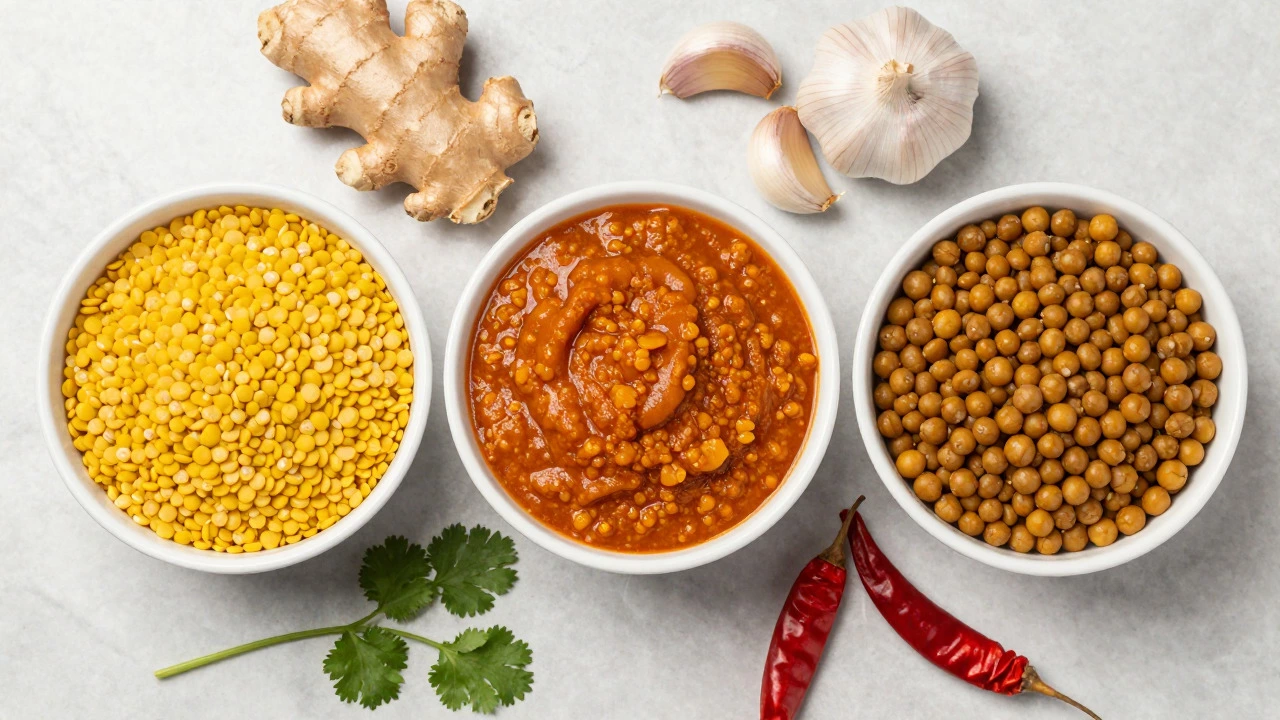
There is a fierce debate in every Indian household about which tastiest dal reigns supreme. Is it the creamy comfort of yellow moong? The earthy depth of red masoor? Or perhaps the rich, buttery indulgence of chana dal? The truth is, "taste" is subjective, but there is one type that consistently wins over crowds for its versatility, speed, and comforting flavor profile. That winner is usually a well-made Yellow Moong Dal, specifically prepared as Dal Tadka.
While personal preference plays a huge role, the chemistry of cooking reveals why certain dals taste better than others. It comes down to texture, how they absorb spices, and their natural sweetness. Let’s break down the contenders so you can decide which one deserves your next dinner slot.
The Crown Jewel: Why Yellow Moong Dal Wins
If you ask most home cooks in South Asia, or even here in Cape Town where I’ve experimented with local spices, Moong Dal is split yellow mung beans known for being easy to digest and quick to cook takes the top spot. There are two main reasons for this popularity.
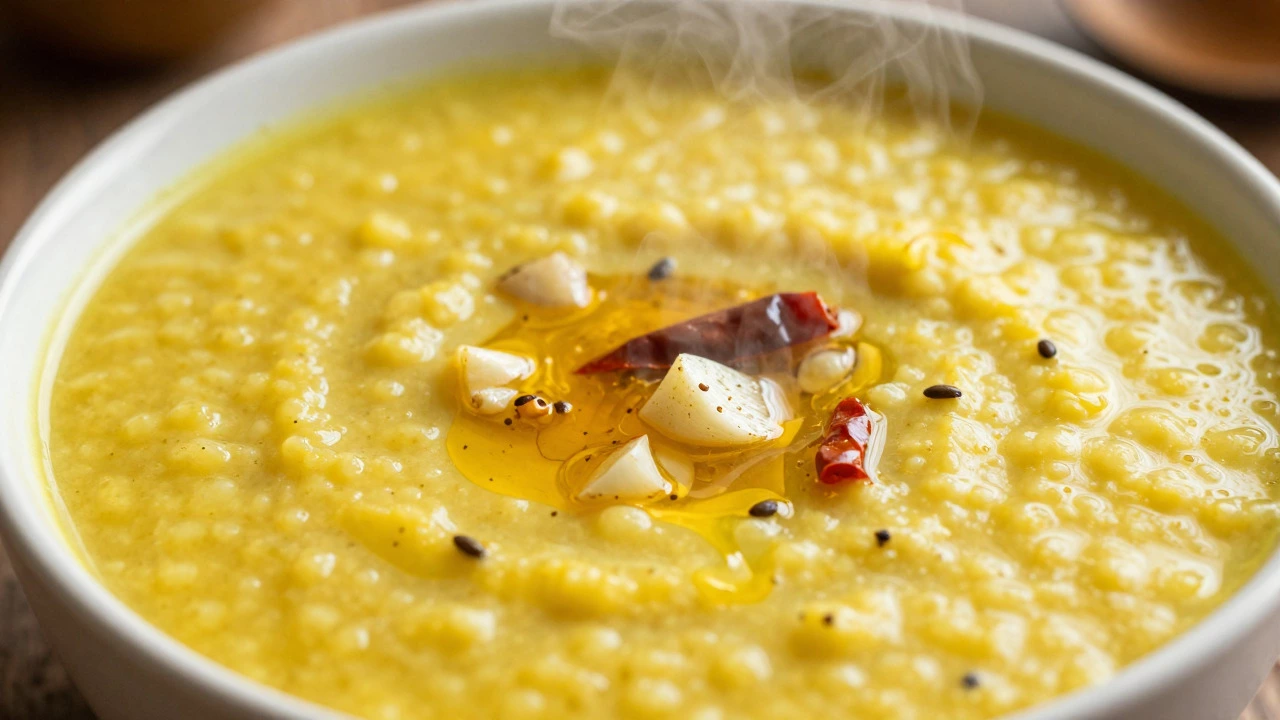
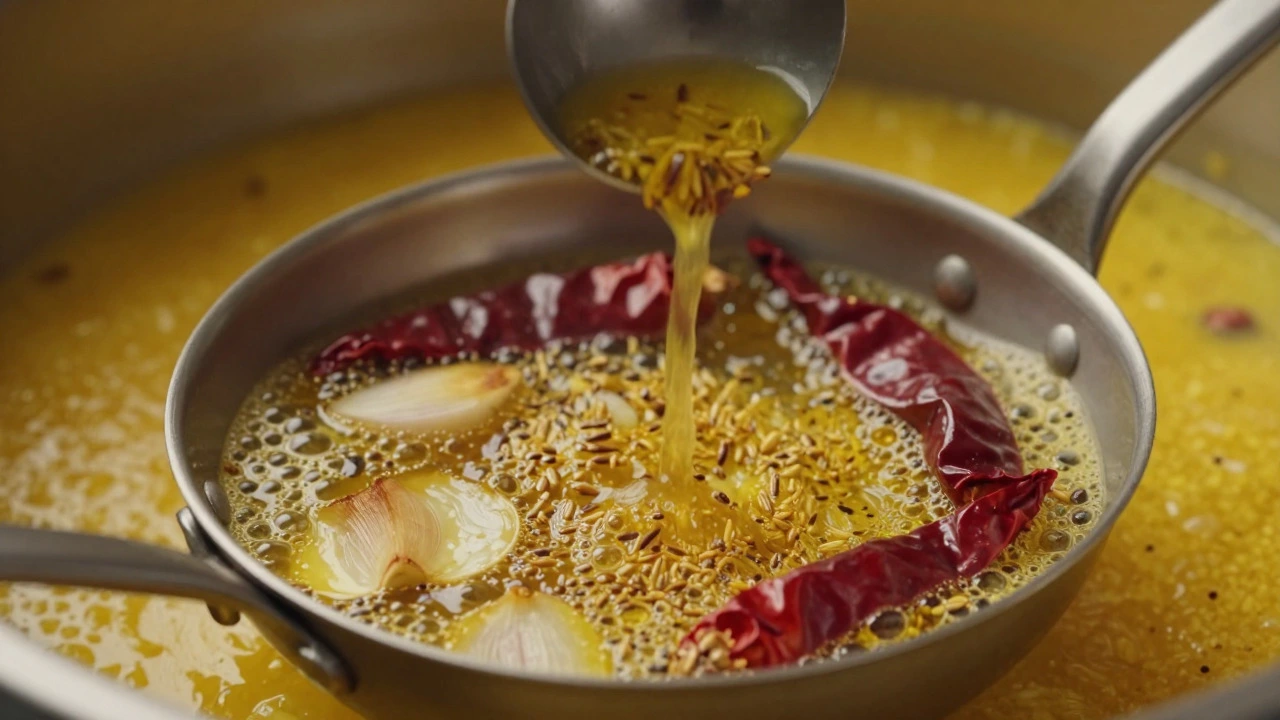
First, it cooks incredibly fast. Unlike whole beans that require hours of soaking and simmering, split yellow moong dissolves into a creamy consistency in under 30 minutes. This makes it perfect for weeknight dinners when you want something hearty without the fuss. Second, it has a mild, slightly sweet flavor that acts as a blank canvas. It doesn’t fight against the spices; it embraces them. When you add a tempering of cumin seeds, garlic, ginger, and dried red chilies in hot ghee (a process called tadka), the dal becomes aromatic and deeply satisfying.
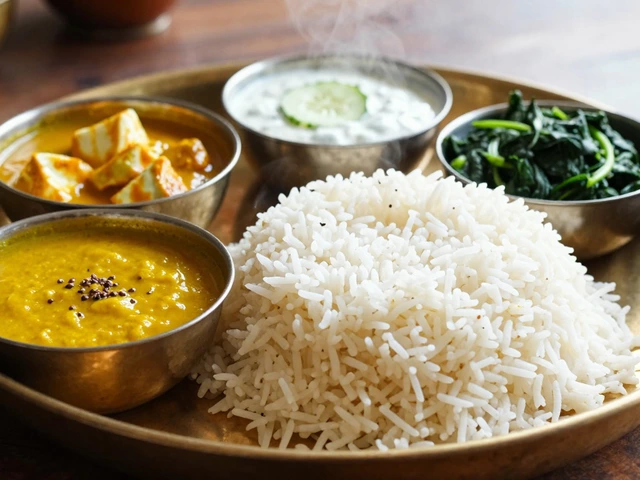
The texture is also key. A properly cooked moong dal should be smooth and porridge-like, not watery or grainy. This creaminess coats the palate, providing a sense of comfort that heavier dals sometimes lack. It pairs perfectly with steamed basmati rice or warm roti, soaking up every bit of sauce.
The Runner-Up: Masoor Dal for Richness
Close behind is Masoor Dal is red lentils that turn orange-yellow when cooked and offer a distinct earthy flavor. If you prefer a dal with a bit more character and a vibrant color, masoor is your go-to. It has a naturally earthier taste compared to the subtle sweetness of moong.
Masoor dal breaks down completely during cooking, creating a thick, stew-like consistency. This makes it ideal for dishes like Dal Makhani-style preparations where you want a luxurious mouthfeel. Because it holds its shape less than other dals, it integrates seamlessly with tomatoes and onions, creating a unified sauce rather than distinct lentils in broth. Many people find this version more "filling" because of its dense texture.
The Bold Choice: Chana Dal for Texture Lovers
Not everyone wants a mushy lentil soup. For those who enjoy chewing, Chana Dal is split brown chickpeas that retain their shape and provide a nutty, robust flavor is the tastiest option. It has a firm bite and a distinctly nutty taste. It requires longer cooking times-often an hour or more-but the result is worth the wait.
Chana dal shines when roasted with spices before boiling. The Maillard reaction from roasting brings out deep, toasted notes that lighter dals can’t replicate. It’s often served with a side of yogurt or pickle to cut through its richness. If you love the texture of chickpeas in a curry, chana dal will likely be your favorite.
How to Make the Tastiest Dal at Home
You don’t need a fancy kitchen to make restaurant-quality dal. The secret isn’t the lentil itself, but how you treat it. Here is a simple framework to elevate any dal:
- Wash Thoroughly: Rinse your lentils until the water runs clear. This removes dust and starch, preventing cloudiness and off-flavors.
- Soak if Possible: Even though yellow moong cooks fast, a 15-minute soak reduces cooking time further and ensures even softening.
- Cook with Turmeric and Salt: Add these early. Turmeric aids digestion and adds color, while salt helps break down the lentil skins.
- The Tadka is Non-Negotiable: Never skip the tempering. Heat ghee or oil until it shimmers. Add cumin seeds-they should sizzle immediately. Then add chopped garlic, ginger, and dried red chilies. Pour this hot mixture over the cooked dal and stir vigorously. The aroma alone will convince you this is the tastiest meal on the table.
| Dal Type | Cook Time | Texture | Flavor Profile | Best For |
|---|---|---|---|---|
| Yellow Moong | 15-20 mins | Creamy, smooth | Mild, sweet | Quick meals, beginners |
| Red Masoor | 20-25 mins | Thick, stew-like | Earthy, robust | Comfort food, winter |
| Brown Chana | 45-60 mins | Firm, chewy | Nutty, toasted | Hearty lunches, texture lovers |
Common Mistakes That Ruin Dal
Even the best ingredients can fail if handled poorly. Avoid these pitfalls:
- Under-salting: Dal needs more salt than you think. Taste as you cook. A bland dal is never a tasty dal.
- Skip the Ghee: While oil works, ghee adds a nutty fragrance that enhances the overall taste. Use it sparingly if you’re watching calories, but don’t omit it entirely for the best flavor.
- Overcooking into Mush: Unless you’re making masoor, keep some structure. Check the lentils frequently after 15 minutes to prevent them from disintegrating completely.
Regional Variations You Should Try
Taste is also influenced by regional styles. In North India, dal is often tempered with heavy spices and served with naan. In South India, particularly in Kerala and Tamil Nadu, dal might be simpler, relying on coconut milk or fresh curry leaves for freshness. In my experience living in Cape Town, adding a pinch of smoked paprika to the tadka gives it a unique twist that bridges Indian and local flavors.
Experiment with herbs. Fresh cilantro added at the end brightens the dish. A squeeze of lemon juice cuts through the richness and balances the heaviness. These small adjustments transform a standard recipe into something memorable.
Why Yellow Moong Remains the Top Pick
Ultimately, the "tastiest" dal is the one that fits your lifestyle and palate. But yellow moong dal offers the best balance of ease, health benefits, and flavor potential. It’s gentle on the stomach, packed with protein, and adaptable to any spice level. Whether you’re cooking for a picky eater or a spice enthusiast, moong dal delivers satisfaction every time.
Next time you stand in the pantry staring at different lentils, reach for the yellow ones. Give them a proper tadka, serve with hot rice, and see why this humble ingredient has been a staple for centuries. Your taste buds will thank you.
Which dal is the easiest to digest?
Yellow Moong Dal is widely considered the easiest to digest. Its split nature means the outer hull is removed, reducing fiber content that can cause bloating. It is often recommended for sick days or for children.
Can I use pressure cooker for dal?
Yes, a pressure cooker significantly reduces cooking time. For yellow moong, 2 whistles are usually enough. For chana dal, you may need 4-5 whistles. Always ensure there is enough water to prevent burning.
What is the difference between Moong and Masoor?
Moong comes from mung beans and is yellow/green, offering a sweeter, milder taste. Masoor comes from red lentils and has an earthier, stronger flavor. Masoor breaks down more easily into a thick paste, while Moong retains a slightly smoother, porridge-like texture.
Is dal healthy for weight loss?
Yes, dal is high in protein and fiber, which keeps you full longer. However, watch the amount of ghee or oil used in the tadka. Opt for minimal fat and pair with plenty of vegetables for a balanced meal.
How do I store leftover dal?
Store cooled dal in an airtight container in the refrigerator for up to 3 days. Reheat gently with a splash of water to restore consistency. Avoid freezing if possible, as the texture can become grainy upon thawing.
- Poplular Tags
- tastiest dal
- yellow lentil recipe
- dal tadka
- masoor dal
- Indian lentil recipes