Biryani Flavor Balance Calculator
Adjust Your Ingredients
Slide to adjust the quantity/intensity of each component.
Neutral Profile
Adjust sliders to see your Biryani style.
Have you ever wondered why a plate of biryani is a fragrant, layered rice dish from the Indian subcontinent that combines marinated meat or vegetables with spiced rice hits different than just mixing fried chicken with plain rice? It isn’t magic. It’s chemistry, physics, and centuries of culinary engineering working together. The reason biryani tastes so incredible lies in its complex layering of flavors, the specific way it is cooked, and the precise balance of ingredients that create a harmony rather than a clash.
If you’ve tried making it at home and found it fell flat, you aren’t alone. Many home cooks struggle to replicate the restaurant version because they miss the subtle technical steps that build those deep, resonant flavors. Understanding what makes this dish sing will not only satisfy your curiosity but also transform how you approach cooking it yourself.
The Magic of Dum Cooking
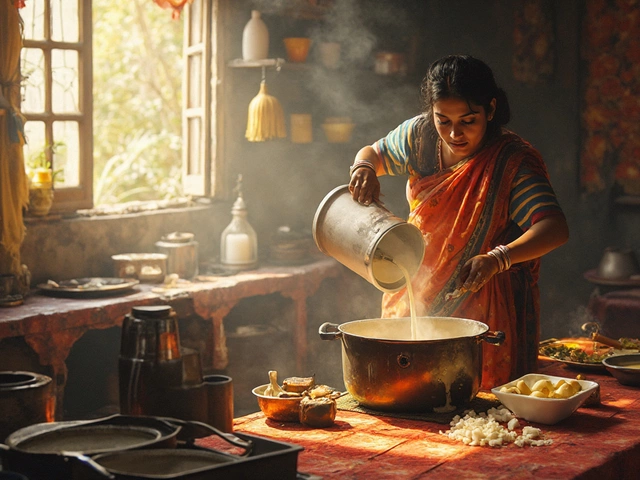
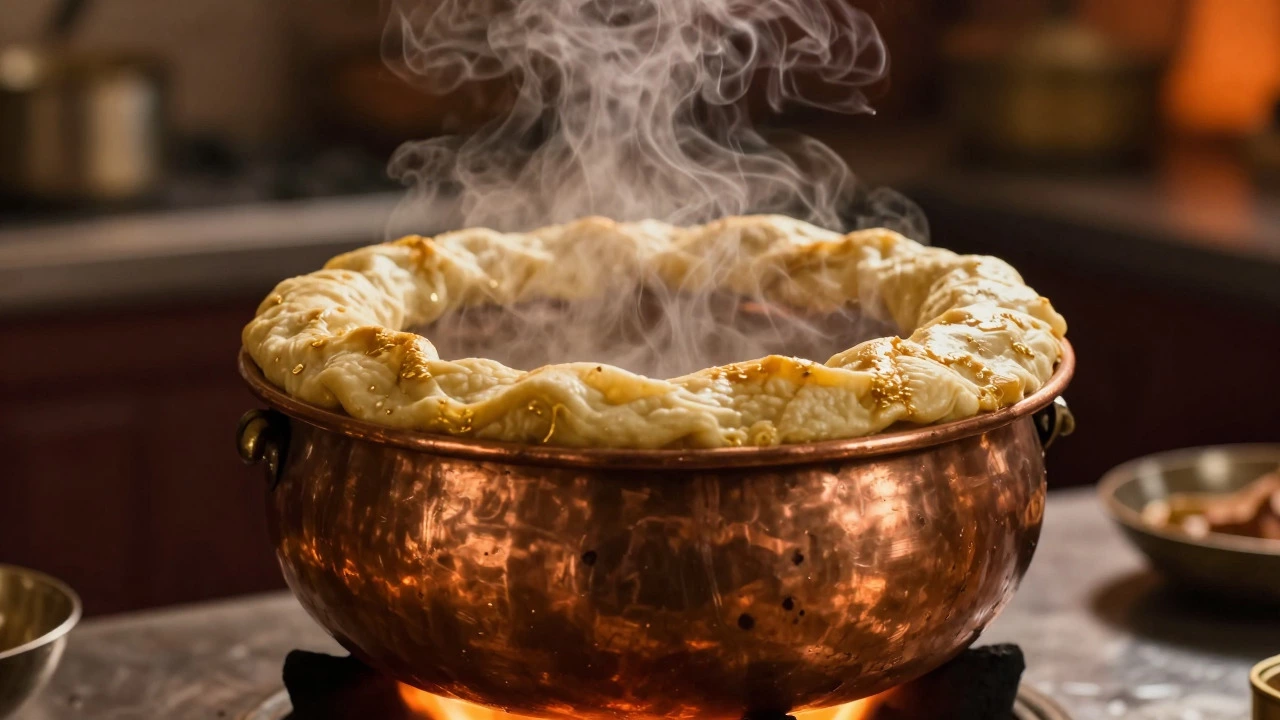
The heart of biryani’s flavor profile comes from a cooking method called dum pukht is a slow-cooking technique where food is sealed in a pot with dough to trap steam and cook gently over low heat. This isn't just boiling; it's a controlled environment where steam circulates continuously around the ingredients. When you seal the lid-traditionally with wheat dough-you create a pressure cooker effect without the high pressure of modern appliances. The steam carries aromatic compounds from the spices and meat into the rice grains, infusing every single kernel with flavor.
This process allows the rice to absorb the juices from the meat below it while retaining its own texture. If you were to boil the rice separately and then mix it, you’d lose that integration. The dum method ensures that the bottom layer of rice develops a slight crispiness known as khichdi is the slightly burnt or caramelized layer of rice at the bottom of the biryani pot, which many consider the best part of the meal. This contrast between fluffy, aromatic upper layers and crispy, savory lower layers provides textural complexity that keeps you eating bite after bite.
The Role of Basmati Rice
You can’t make authentic biryani with just any rice. The choice of grain is critical. Basmati rice is a long-grain aromatic rice variety native to the Indian subcontinent, known for its elongated grains and floral fragrance is non-negotiable for traditional recipes. Specifically, aged basmati rice works best. Freshly harvested rice contains more moisture and tends to break during cooking. Aged rice, stored for at least one year, has less moisture content, allowing it to expand up to three times its original length without becoming mushy.
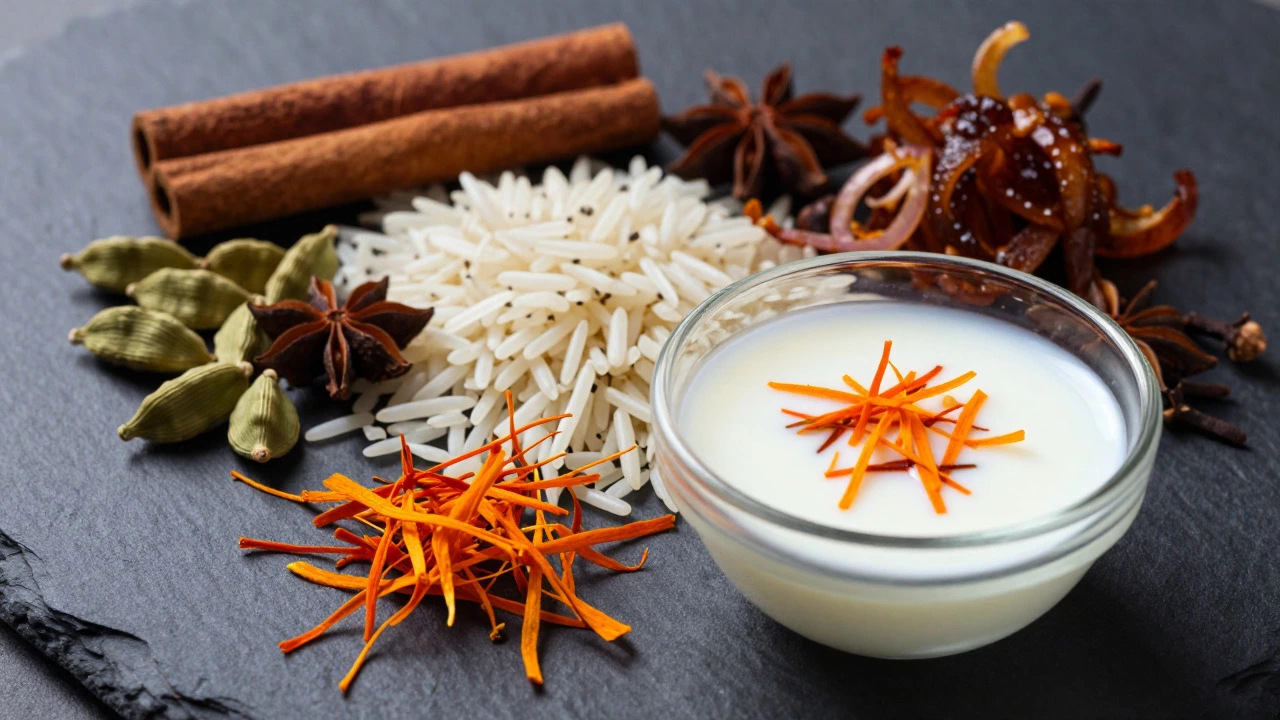
The aroma of basmati comes from a compound called 2-acetyl-1-pyrroline, which gives it that distinct popcorn-like scent. During the parboiling stage-a step often rushed by beginners-the rice is partially cooked in heavily salted water with whole spices like bay leaves, cardamom, and cloves. This pre-flavoring step ensures that even if the steam doesn’t reach every grain perfectly, each piece still carries a baseline level of seasoning. Skipping this step results in bland rice that fails to complement the rich marinade above it.
Spice Layering and Balance
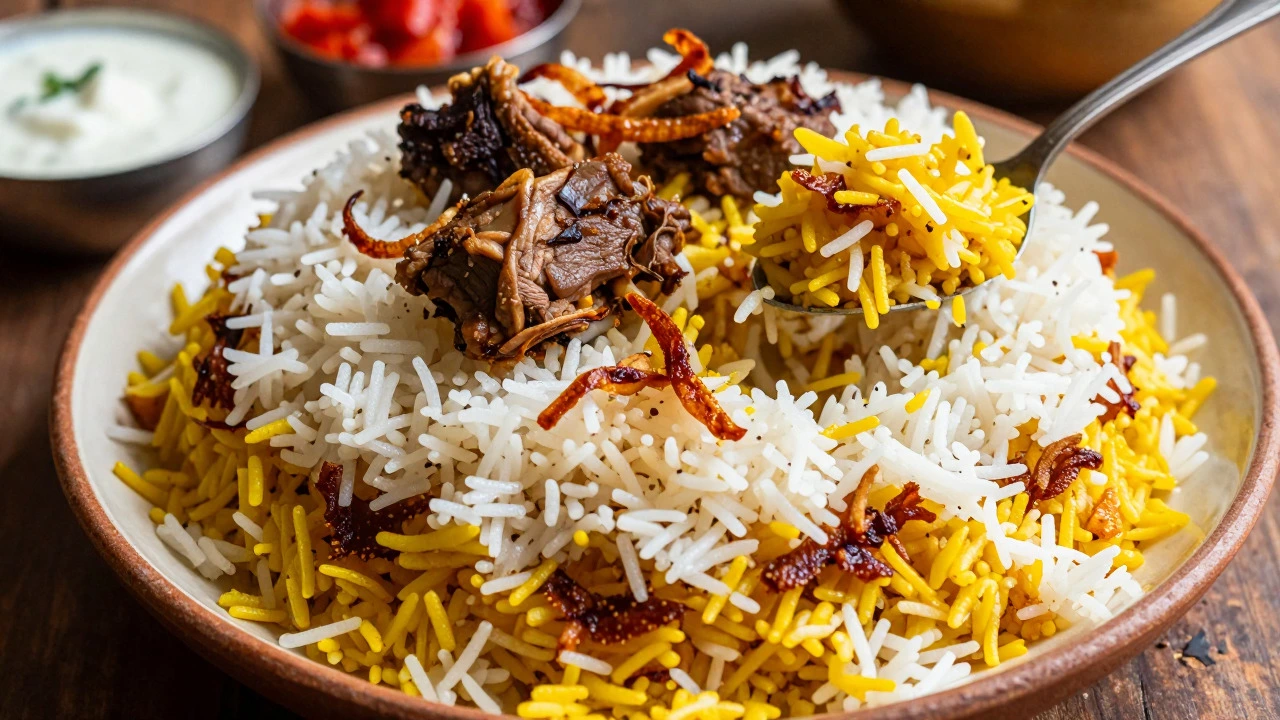
Biryani doesn’t rely on a single dominant spice. Instead, it uses a symphony of aromatics that work in layers. The foundation usually starts with onions are alliums used extensively in biryani, typically fried until golden brown to add sweetness and depth. In Hyderabad-style biryani, these onions are fried until they are dark brown, almost blackened. This Maillard reaction creates intense umami notes that counterbalance the heat from chilies. These fried onions, called birista is deep-fried sliced onions used as a garnish and flavor enhancer in biryani, are scattered throughout the layers, providing bursts of sweetness and crunch.
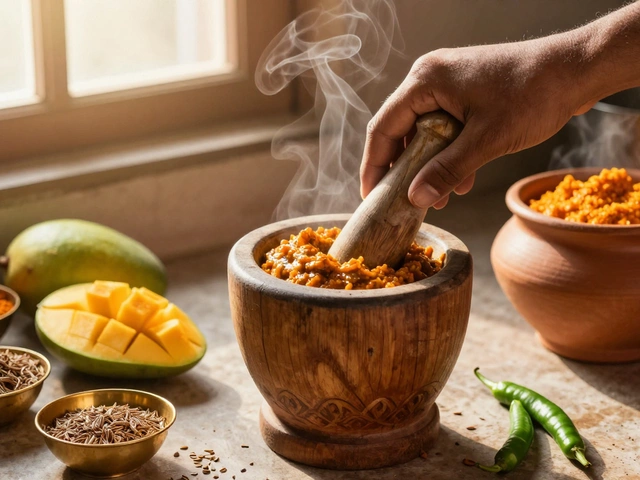
Then come the whole spices: green cardamom, black cardamom, cinnamon sticks, star anise, and mace. Each contributes a different volatile oil profile. Green cardamom offers citrusy freshness, while black cardamom adds smoky earthiness. Cinnamon brings warmth, and star anise provides a licorice hint that ties everything together. Ground spices like turmeric, red chili powder, and coriander powder form the paste base for the marinade. Turmeric adds color and anti-inflammatory properties, while chili powder provides heat without overwhelming the palate when balanced correctly.
| Spice | Flavor Profile | Function in Dish |
|---|---|---|
| Green Cardamom | Citrusy, Floral | Adds brightness and aroma |
| Black Cardamom | Smoky, Earthy | Provides depth and warmth |
| Cinnamon | Sweet, Woody | Balances heat with sweetness |
| Star Anise | Licorice, Sweet | Ties disparate flavors together |
| Fried Onions (Birista) | Umami, Sweet, Crunchy | Enhances savoriness and texture |
Marination: Building Depth
The meat-or vegetables-in biryani needs time to absorb flavors before cooking. Marination is not optional; it’s essential. A typical marinade includes yogurt, ginger-garlic paste, lemon juice, and a blend of ground spices. Yogurt plays a dual role here. First, its acidity tenderizes the meat by breaking down connective tissues. Second, the fats in full-fat yogurt carry fat-soluble flavor compounds from the spices deeper into the protein fibers.
Lemon juice adds another dimension of acidity that cuts through the richness of the ghee and meat. Ginger and garlic provide pungent, savory notes that awaken the senses. Without proper marination-which should last at least four hours, preferably overnight-the meat remains tough and under-seasoned, leading to a disjointed final dish where the rice and filling feel separate rather than unified.
Ghee and Saffron: The Finishing Touches
No discussion about biryani’s taste is complete without mentioning ghee is clarified butter commonly used in Indian cooking for its nutty aroma and high smoke point. Unlike regular butter, ghee has had all milk solids removed, giving it a higher smoke point and a cleaner, richer flavor. Drizzling warm ghee over the layered biryani before sealing the pot adds a luxurious mouthfeel and enhances the release of aromatic oils from the spices. It acts as a carrier, spreading flavor evenly across the surface.
Saffron threads soaked in warm milk or water are sprinkled over the top layer of rice. Saffron contains crocin, which gives it its vibrant orange-red color, and picrocrocin, responsible for its bitter yet sweet taste. This not only makes the dish visually stunning but also introduces a delicate floral note that elevates the entire experience. The combination of golden saffron-stained rice against white grains creates visual appeal that stimulates appetite before the first bite.
Common Mistakes That Ruin Flavor
Even experienced cooks can sabotage their biryani by ignoring key principles. One major error is overcrowding the pot. If you pack too much rice or meat, steam cannot circulate properly, resulting in unevenly cooked grains and soggy textures. Another mistake is using fresh, unaged basmati rice, which leads to broken, sticky grains instead of separate, fluffy ones.
Rushing the marination process is equally damaging. Throwing raw meat into the pot with minimal seasoning means the interior stays bland while only the exterior gets flavored. Finally, skipping the resting period after cooking prevents the flavors from melding together. Letting the biryani sit covered for ten to fifteen minutes after turning off the heat allows residual steam to finish cooking any stubborn spots and lets the aromas settle into equilibrium.
Regional Variations Add Complexity
Biryani isn’t monolithic. Different regions have developed unique versions that highlight local ingredients and preferences. Hyderabadi biryani is a spicy, robust style of biryani originating from Hyderabad, characterized by kachchi (raw) meat preparation and heavy use of fried onions is famous for its fiery kick and use of raw marinated meat cooked directly with rice. In contrast, Lucknowi biryani is a milder, refined style from Lucknow focusing on subtle flavors and perfectly cooked, separate rice grains emphasizes subtlety, using well-done meat and fewer chilies to let the natural flavors shine. Kolkata biryani incorporates potatoes and boiled eggs, reflecting British colonial influences, while Sindhi biryani features tomatoes and potatoes for a tangier profile.
Understanding these variations helps you appreciate why biryani tastes so diverse yet consistently delicious. Each region tweaks the ratio of spices, cooking methods, and accompaniments to suit local palates, proving that there’s no single “right” way-but there are definitely wrong ways.
How to Serve for Maximum Enjoyment
To fully enjoy biryani, serve it hot alongside raita (yogurt sauce), salan (gravy), and pickles. Raita cools down the heat from chilies and balances the richness with cool creaminess. Salan provides additional moisture and sauce for scooping, especially if your biryani leans toward dry. Pickles offer sharp acidity that cuts through the heaviness, refreshing your palate between bites. Eating biryani straight from the hand-warmed plate enhances the sensory experience, connecting you to tradition and maximizing enjoyment.
Why does my biryani taste bland?
Blandness usually stems from insufficient marination time, inadequate salting of the rice water, or lack of fried onions. Ensure your meat marinates for at least four hours, salt your parboiling water generously, and include plenty of birista (fried onions) for umami depth.
Can I use instant rice for biryani?
Technically yes, but you’ll sacrifice texture and aroma. Instant rice lacks the structural integrity and floral notes of aged basmati, resulting in a mushy, less flavorful outcome. For authentic results, stick with long-grain aged basmati.
What causes biryani rice to become sticky?
Sticky rice occurs when grains are overcooked, rinsed improperly, or crowded in the pot. Rinse basmati thoroughly until water runs clear, parboil only until 70% done, and ensure adequate space in the pot for steam circulation during dum cooking.
Is it necessary to seal the pot with dough?
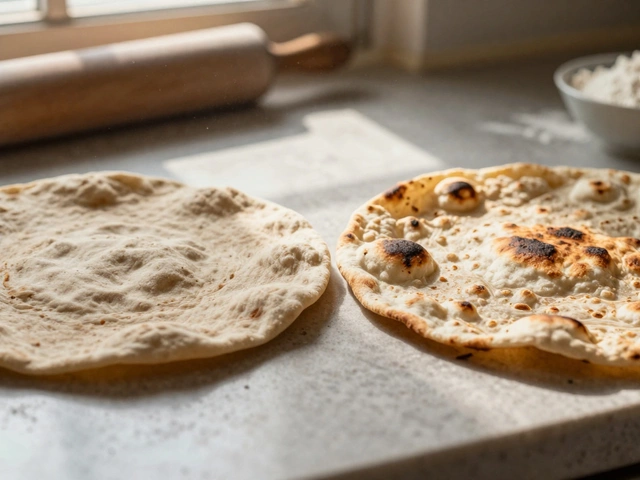
While traditional, sealing with dough isn’t strictly mandatory. You can achieve similar results by placing a heavy weight on the lid or using aluminum foil tightly wrapped around the rim. The goal is preventing steam escape, which drives flavor infusion.
How long should I rest biryani before serving?
Resting for 10-15 minutes after cooking allows flavors to meld and temperatures to equalize. Avoid stirring immediately; gently fluff with a fork right before plating to maintain grain separation and preserve the khichdi layer.
- Poplular Tags
- biryani taste
- biryani recipe
- dum cooking
- spices in biryani
- basmati rice