Instant Dosa Batter Calculator
Calculate the correct ratio of chemical leaveners and binders for unfermented dosa batter based on your serving size.
Recipe for Servings
Critical Instructions:
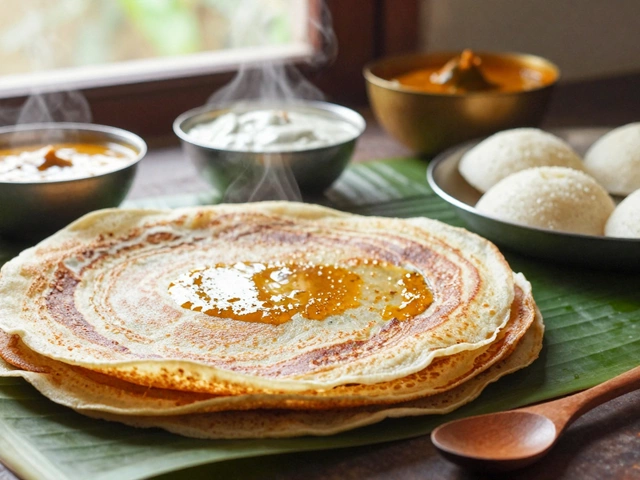
You wake up craving that crisp, lacy dosa, but you forgot to soak the rice and lentils yesterday. The clock is ticking, your stomach is growling, and the idea of waiting twelve hours for fermentation feels impossible. Does this mean you have to settle for a flatbread or toast instead? Absolutely not.
The short answer is yes, you can make dosa without traditional overnight fermentation. While the classic South Indian method relies on wild yeast and bacteria to break down starches and create bubbles, modern kitchens have found clever workarounds. You can achieve a remarkably similar texture and taste using chemical leaveners, specific rice varieties, or even store-bought mixes. Let’s break down exactly how to get that golden, crunchy result when time is against you.
Why Fermentation Matters in Traditional Dosa
To understand how to skip a step, you first need to know what that step does. Traditional dosa batter consists of soaked and ground rice and urad dal (black gram) left to ferment for 8-12 hours. This process isn't just about making the batter rise; it's a biochemical transformation.
During fermentation, naturally occurring bacteria convert complex carbohydrates into simpler sugars and carbon dioxide. This CO2 creates air pockets, giving the dosa its light, spongy interior. Simultaneously, the acids produced lower the pH, which tenderizes the gluten-like structures in the rice and makes the nutrients more bioavailable. That distinct tangy flavor you love? That’s lactic acid at work. When you skip fermentation, you lose these natural air bubbles and that sharp sour note. Your job as the cook is to manually replace these missing elements.
Method 1: The Chemical Leavener Approach (Instant Dosa)
If you want to grind fresh batter today and eat tonight, you need to introduce gas artificially. This is the most common "hack" used by home cooks who want fresh ingredients without the wait.
The Secret Ingredient: Eno fruit salt, baking soda, or baking powder.
Here is how you do it:
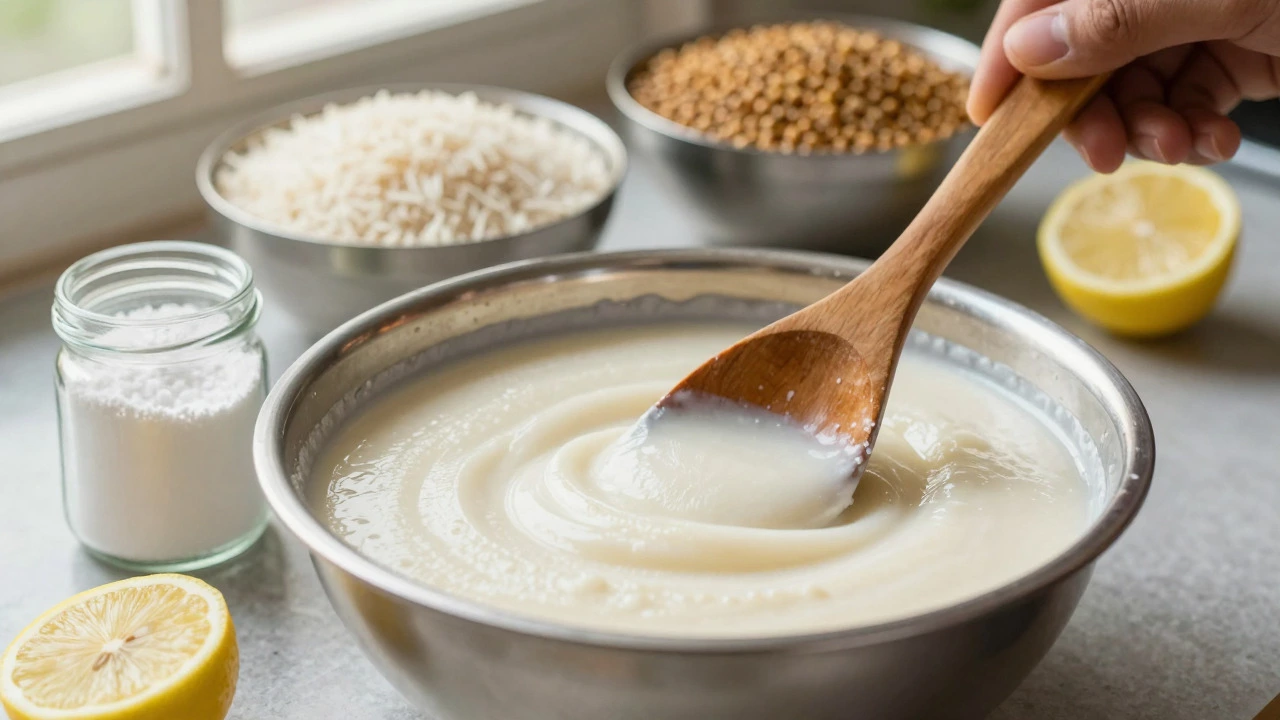
- Grind Freshly: Soak rice (preferably parboiled or idli rice) and urad dal for just 3-4 hours. Grind them separately until smooth. Combine with a pinch of salt and roasted cumin powder.
- Add the Leavener: Just before spreading the dosa, add half a teaspoon of baking soda or one tablespoon of Eno fruit salt per cup of batter. Mix vigorously.
- Act Fast: The reaction happens immediately. Pour the batter onto a hot tawa (griddle) right away. If you wait, the gas escapes, and you’ll end up with a dense pancake.
The Result: These dosas puff up beautifully and look very similar to fermented ones. However, they lack the depth of flavor. To compensate, add a squeeze of lemon juice or a dash of vinegar to mimic the acidity lost from fermentation. They are also slightly less crispy and more cake-like in texture.
Method 2: The Rice Flour Shortcut (No Grinding Required)
If you don’t even have time to soak whole grains, switch to flours. This method uses pre-milled ingredients that require zero fermentation time. It’s popular in urban households where space for grinding stones is limited.
Ingredients Needed:
- 1 cup rice flour (fine grade)
- 1/4 cup semolina (rava) or wheat flour for binding
- 1 tsp curd (yogurt) for tanginess
- 1/2 tsp baking powder
- Salt and water to consistency
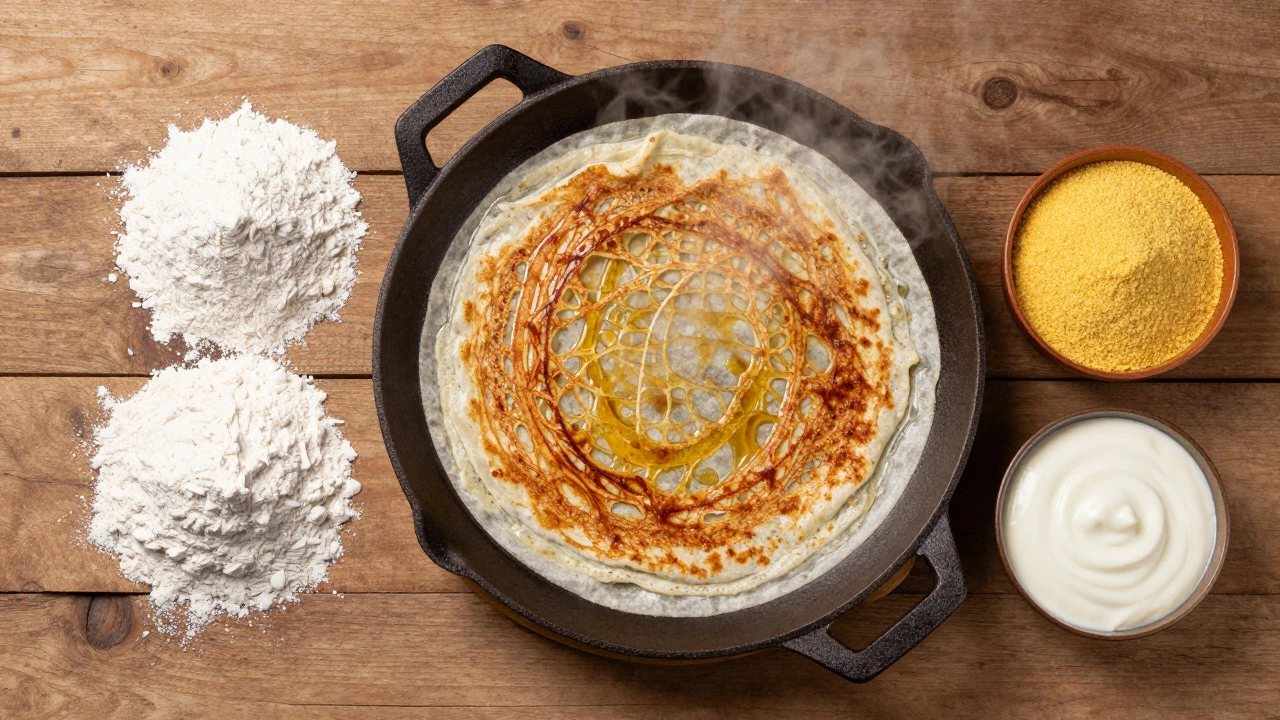
Mix the dry ingredients. Add curd and enough water to make a batter with the consistency of heavy cream. Let it sit for just 15 minutes while your tawa heats up. The curd provides the necessary acid, and the baking powder provides the lift. Spread thin, drizzle oil around the edges, and cook on medium-high heat. These dosas are thinner and crisper than their fermented counterparts, almost like a crepe.
Method 3: Instant Dosa Mixes
Commercial instant dosa mixes are engineered specifically for this problem. Brands like PRAN, Mother Dairy, or local regional brands use a blend of rice flour, semolina, and sometimes dehydrated vegetables or spices. They often contain stabilizers and leavening agents already mixed in.
Pros: Zero prep time. Just add water, stir, and cook. Consistent results every time. Great for beginners who struggle with grinding ratios.
Cons: Higher sodium content due to preservatives. Less control over ingredient quality. The flavor profile is standardized, meaning it lacks the unique character of homemade fermented batter.
When using these mixes, follow the package instructions for water ratio strictly. Too much water makes the dosa soggy; too little makes it crackle and burn before cooking through.
| Method | Prep Time | Texture | Flavor Profile | Best For |
|---|---|---|---|---|
| Chemical Leavener (Fresh Ground) | 4-5 hours (soaking + grinding) | Puffy, soft interior | Mild, needs added acid | Fresh ingredient lovers |
| Rice Flour & Semolina | 15 minutes | Thin, crispy | Tangy (from curd) | Quick weeknight dinners |
| Instant Mix | 5 minutes | Uniform, crisp | Standardized, salty | Beginners, travel |
| Traditional Fermented | 12+ hours | Lacy, airy, crisp | Complex, sour, nutty | Weekends, special occasions |
Critical Tips for Crispy Unfermented Dosas
Since unfermented batters lack the structural integrity provided by long-term protein breakdown, they can be tricky to handle. Follow these rules to ensure success:
- Heat Control is King: Use a cast-iron or non-stick tawa. It must be hot before you pour the batter. Test by sprinkling a few drops of water; if they sizzle and evaporate instantly, you’re ready. If the pan is too cool, the dosa will stick and turn grey. If too hot, it burns before cooking.
- Spread Thinly: Unfermented batter doesn’t spread as easily as fermented batter because it’s thicker and lacks the lubricating effect of broken-down starches. Use a ladle to pour in the center and quickly spiral outwards with the back of the spoon. Don’t press hard.
- Oil Generously: Because the batter is denser, it needs help separating from the pan. Drizzle sesame oil or ghee around the edges and lightly over the top. This promotes browning and crunchiness.
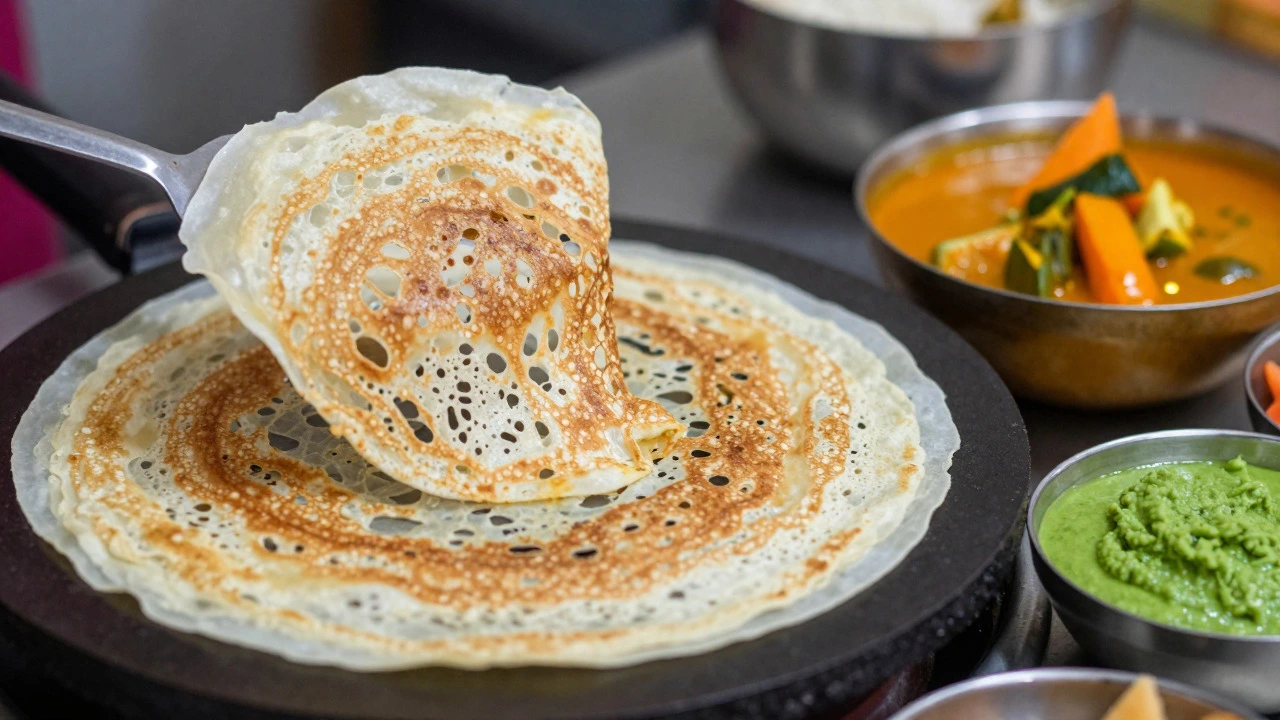
- Don’t Flip: Unlike pancakes, dosas are rarely flipped. Cook on one side only. Lift the edge with a spatula; if it lifts cleanly and looks golden brown, it’s done. If it sticks, let it cook for another 30 seconds.
Nutritional Differences: Is It Still Healthy?
A common concern is whether skipping fermentation makes dosa unhealthy. The truth is nuanced. Fermentation reduces anti-nutrients like phytates, which block mineral absorption. It also increases B-vitamin content. Unfermented dosas retain the calories and carbs of the original ingredients but miss out on these digestive benefits.
However, unfermented dosas made with rice flour and semolina are still a valid carbohydrate source. To boost nutrition, consider adding finely chopped onions, carrots, or spinach directly into the batter. You can also serve them with protein-rich sambar or coconut chutney to balance the meal. They are not "bad" food, just less optimized for digestion than their fermented cousins.
Troubleshooting Common Issues
Problem: The dosa is breaking apart.
Solution: Your batter is likely too thin or lacks binding. Add a tablespoon of chickpea flour (besan) or mashed potato to thicken it. Ensure your tawa is seasoned properly.
Problem: The dosa is pale and soft, not crispy.
Solution: Not enough heat or oil. Increase the flame slightly and add more oil. Also, check if your baking soda has expired; weak leaveners won’t create the necessary structure to hold crispness.
Problem: The dosa tastes metallic or bitter.
Solution: You used too much baking soda. Stick to the recommended amounts (1/2 tsp per cup). Excess alkali reacts with the rice proteins, creating off-flavors.
Can I make dosa with just rice flour and water?
Yes, but it will be very fragile and lack flavor. Pure rice flour needs a binder. Adding a small amount of semolina, chickpea flour, or yogurt helps it hold together and adds necessary texture. Plain rice flour and water will likely crack and fall apart on the tawa.
Does unfermented dosa cause acidity?
It can. Fermentation breaks down complex starches, making them easier to digest. Unfermented rice is heavier on the stomach. If you suffer from acid reflux, opt for the curd-based rice flour method rather than the baking soda method, as the acid in curd aids digestion. Serve with ginger chutney to soothe the stomach.
How long can I keep unfermented dosa batter?
Unfermented batter should be used within 2-4 hours. Since it contains chemical leaveners like baking soda or Eno, the gas-producing reaction starts as soon as liquid is added. If you leave it sitting, the batter will deflate and become dense. Prepare it only as much as you can cook immediately.
Is Eno safe for daily consumption in dosa?
In moderation, yes. Eno contains sodium bicarbonate and citric acid. While safe for occasional use, relying on it daily adds unnecessary sodium to your diet. For regular consumption, try to ferment your batter traditionally at least once a week, or use yogurt-based recipes which are more natural.
Can I use leftover cooked rice to make instant dosa?
Absolutely. This is a great way to reduce food waste. Blend leftover cooked rice with a little water, urad dal (if available), and spices. Add a pinch of baking soda. The pre-cooked rice blends easily into a smooth batter that cooks quickly and stays crispy.