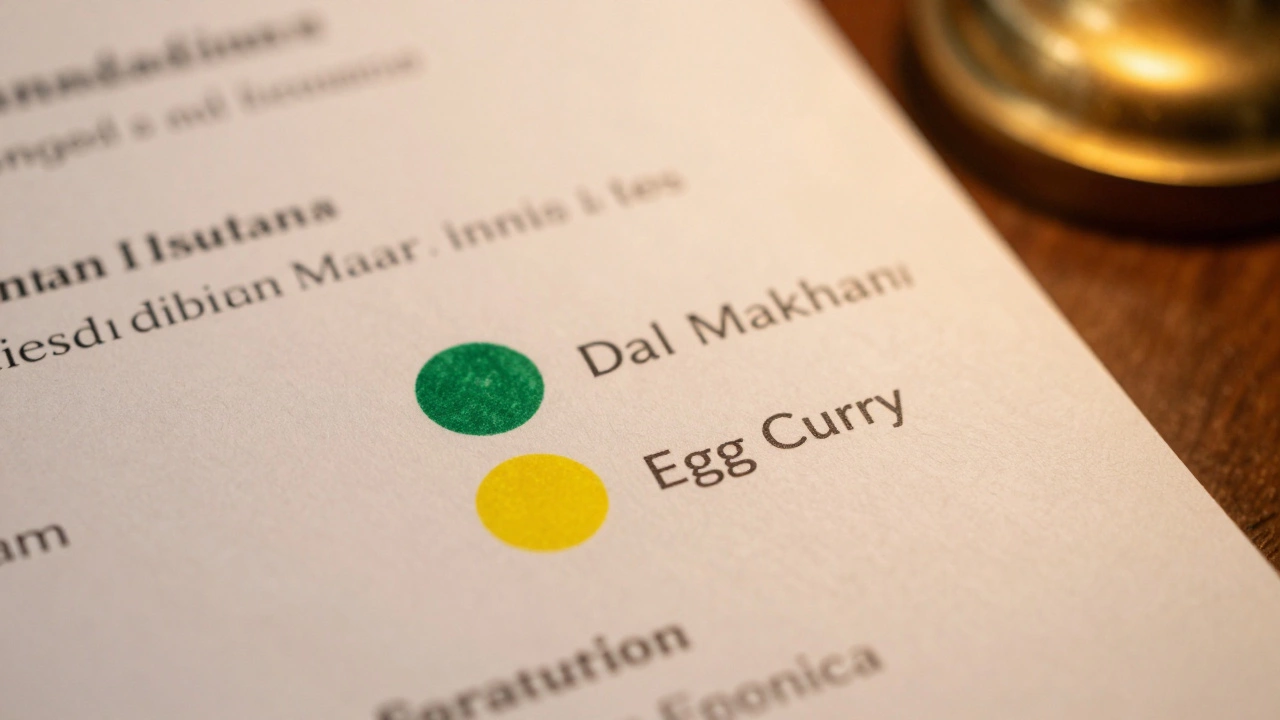
Indian Menu Decoder
-
Green Dot: Pure Vegetarian (Lacto). No eggs, no meat.
-
Yellow Dot: Egg-Vegetarian (Ovo). Contains eggs, no meat.
-
Red Dot: Non-Vegetarian. Contains meat or fish.
Which profile fits you?
Select your region or preference below to see which menu symbol is safe for you to eat.
Result Title
Safe Symbol
Description goes here.
What this means for your diet:
Details go here.
Walk into any restaurant in Mumbai or Delhi, and you’ll likely see two distinct symbols on the menu: a green dot for pure vegetarian food and a yellow dot for items that contain eggs. This visual cue highlights one of the most common questions people ask about Indian cuisine: do Indian vegetarians eat eggs? The short answer is yes, many do. But the reality is far more nuanced than a simple yes or no.
In India, "vegetarian" isn't a single, monolithic category. It’s a spectrum defined by religion, region, and personal choice. To understand who eats what, we have to look beyond the Western definition of vegetarianism-which usually includes eggs-and dive into the specific dietary classifications used across the subcontinent.
The Two Main Types of Indian Vegetarians
To make sense of Indian diets, you need to know two key terms: Lacto-vegetarian and Egg-vegetarian (often called Ovo-vegetarian). These are not just labels; they represent deeply held cultural and religious practices.
| Feature | Lacto-Vegetarian | Egg-Vegetarian |
|---|---|---|
| Dietary Inclusions | Milk, dairy products, plants | Eggs, plants, sometimes dairy |
| Dietary Exclusions | Eggs, meat, fish, poultry | Meat, fish, poultry |
| Primary Driver | Religious belief (Ahimsa) | Nutritional needs / Regional habit |
| Common Regions | Gujarat, Rajasthan, North India | Bengal, Kerala, Urban Centers |
| Symbol on Menu | Green Dot | Yellow Dot |
Lacto-vegetarians consume milk and dairy products but strictly avoid eggs. For them, an egg is considered equivalent to meat because it has the potential to become life. This view is rooted in the principle of Ahimsa, or non-violence, which is central to Hinduism, Jainism, and Buddhism. If you visit a traditional household in Gujarat or Rajasthan, you will rarely find eggs on the table. Even if the egg is unfertilized, the symbolic act of eating something that could be life is avoided.
On the other hand, Egg-vegetarians include eggs in their diet while still avoiding meat, fish, and poultry. This group is often younger, urban, or from regions where eggs are a staple protein source. They view unfertilized eggs as nutritionally similar to dairy-animal-derived but not involving the death of an animal. This distinction allows them to enjoy dishes like egg curry (Anda Curry) or omelets without compromising their vegetarian identity.
Why Do Some Indians Avoid Eggs?
The avoidance of eggs is primarily religious and philosophical. In traditional Hindu thought, food is classified into three gunas (qualities): Sattvic (pure), Rajasic (passionate), and Tamasic (dull). Meat and alcohol are Tamasic. Dairy and fresh fruits are Sattvic. Eggs fall into a gray area, often categorized as Rajasic because they are believed to increase energy and passion, which can disturb mental calmness required for spiritual practices.
Jains take this even further. Jains are among the strictest vegetarians in the world. They avoid not only eggs but also root vegetables like onions, garlic, and potatoes, because harvesting these plants kills the entire organism and may harm small insects living in the soil. For a Jain, eating an egg is unacceptable because it violates the core tenet of non-violence toward all living beings, including microscopic ones.
However, not all Hindus follow this strict interpretation. Many modern Hindus, especially those living in cities, prioritize nutritional balance over ritual purity. They might skip beef out of respect for the cow but happily eat eggs for breakfast. This flexibility shows how Indian food culture is evolving with time.
Regional Differences: Where Eggs Are Common
If you travel across India, your definition of "vegetarian" will change depending on where you are. Geography plays a huge role in dietary habits.
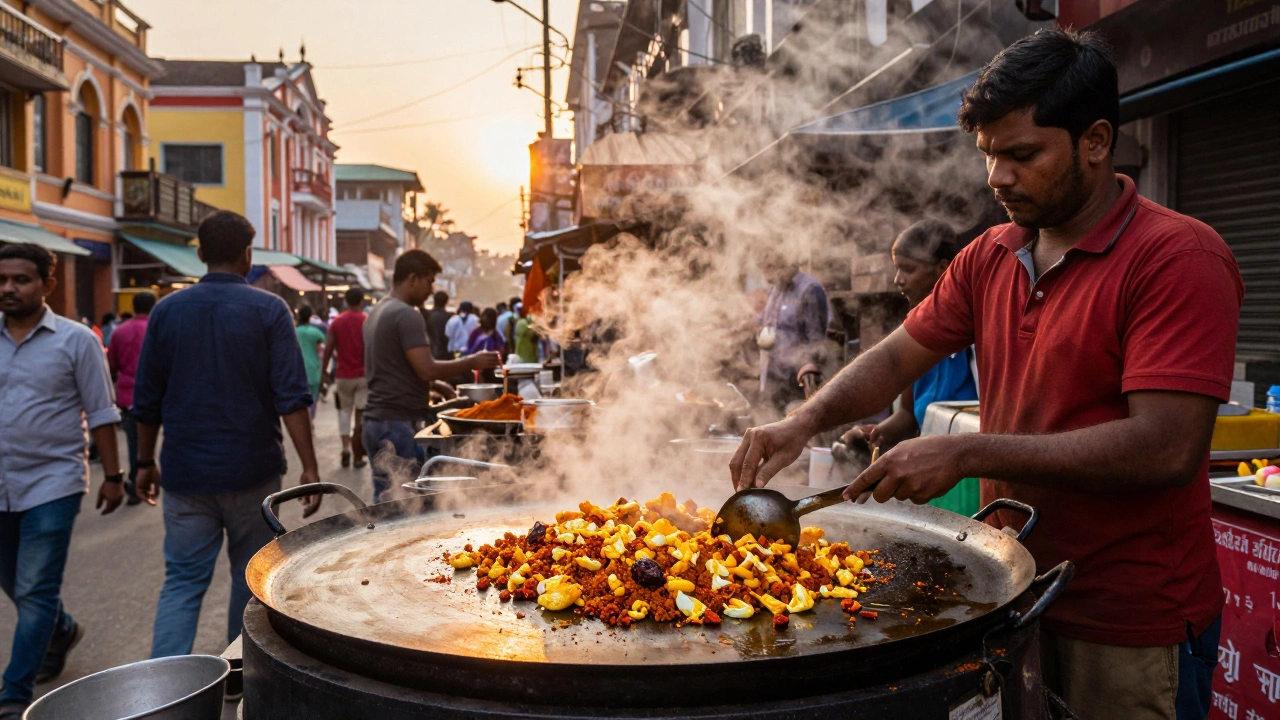
In West Bengal, eggs are a daily staple for both vegetarians and non-vegetarians. Bengali cuisine features elaborate egg dishes like Kosha Mangsho-style egg curry or egg bhurji. Here, being vegetarian doesn’t automatically mean giving up eggs. The cultural acceptance of eggs is so high that many self-identified vegetarians will order egg dishes without hesitation.
In Kerala, another southern state, eggs are widely consumed. Kerala has a significant Christian population, and Christianity does not prohibit egg consumption. As a result, egg-based snacks like egg rolls and egg fry are common street foods. Even some Hindu families in Kerala include eggs in their regular diet due to historical trade influences and local availability.
Contrast this with Gujarat or Rajasthan. In these western states, vegetarianism is deeply tied to community identity. A Gujarati thali (platter) will never include eggs. Instead, protein comes from lentils (dals), chickpeas, and paneer (cottage cheese). If you suggest adding eggs to a traditional Gujarati meal, it would be seen as culturally inappropriate.
The Rise of Egg-Vegetarianism Among Youth
India’s younger generation is redefining what it means to be vegetarian. According to recent surveys, a growing number of urban Indians identify as "flexitarians" or "egg-vegetarians." Why? Because protein.
Traditional plant-based proteins like lentils and beans can be hard to digest for some people, especially those with active lifestyles. Eggs offer a complete protein profile with essential amino acids, B12, and iron. For students and young professionals in cities like Bangalore, Pune, and Hyderabad, eggs are a convenient, affordable, and nutritious option that fits within a vegetarian framework.
This shift is also driven by globalization. Exposure to Western diets, where eggs are standard fare for vegetarians, has influenced Indian youth. Social media platforms showcase easy egg recipes, making them more appealing. Additionally, the rise of fitness culture in India has led many to seek high-protein vegetarian options, and eggs fit the bill perfectly.
Restaurants have adapted to this trend. Most mid-range and upscale restaurants now clearly mark dishes with yellow dots (egg-vegetarian) alongside green dots (pure vegetarian). This transparency helps customers make informed choices based on their personal comfort levels.
Navigating Indian Menus as a Visitor
If you’re visiting India and want to respect local customs while enjoying good food, here’s how to navigate the menu:
- Look for the Dots: Green means no eggs, no meat. Yellow means eggs are present, but no meat. Red means meat/fish is included.
- Ask Questions: Don’t assume. Ask the server, "Does this dish contain eggs?" or "Is this purely vegetarian?" Most staff are happy to explain.
- Know the Hidden Eggs: Some dishes might seem vegetarian but contain eggs. Examples include certain types of noodles, fried rice variants, and bakery items like breads or cakes. Always check.
- Respect Local Norms: In conservative areas or during religious festivals, stick to green-dot items. In cosmopolitan cities, you’ll have more freedom to choose yellow-dot dishes.
Understanding these nuances helps you connect better with locals. Ordering a pure vegetarian dish in a predominantly lacto-vegetarian area shows respect for their traditions. Conversely, trying an egg dish in Kolkata or Kochi opens doors to authentic regional flavors.

Nutritional Considerations
From a health perspective, both lacto-vegetarian and egg-vegetarian diets can be balanced. However, they require different planning strategies.
Lacto-vegetarians need to ensure they get enough Vitamin B12, iron, and zinc. Since they don’t eat eggs or meat, they rely heavily on dairy, fortified cereals, and legumes. Deficiencies in B12 are common among strict lacto-vegetarians, so supplementation is often recommended.
Egg-vegetarians have an easier time meeting their protein and B12 needs. Eggs are rich in choline, which supports brain health, and lutein, which benefits eye health. However, they still need to watch their saturated fat intake if they consume large amounts of whole eggs and dairy.
For athletes or individuals with higher protein requirements, egg-vegetarianism offers a practical advantage. One large egg provides about 6 grams of high-quality protein. Combining eggs with lentils or quinoa creates a complete amino acid profile, supporting muscle repair and growth.
Common Misconceptions About Indian Vegetarianism
There are several myths surrounding Indian vegetarian diets that need debunking:
- Myth: All Indians are vegetarian. Fact: Only about 20-40% of Indians are vegetarian, depending on the survey. The majority eat meat, though frequency varies.
- Myth: Vegetarian food in India is boring. Fact: Indian vegetarian cuisine is incredibly diverse, using hundreds of spices, herbs, and cooking techniques. From creamy kormas to spicy chutneys, there’s endless variety.
- Myth: Egg-eaters aren’t real vegetarians. Fact: In India, egg-vegetarians are widely recognized as a valid subset of vegetarians. The term "vegetarian" itself is flexible and context-dependent.
- Myth: You can’t get enough protein on a vegetarian diet. Fact: With proper planning, combining grains, legumes, dairy, and/or eggs provides ample protein. Many Indian athletes and bodybuilders follow vegetarian diets successfully.
These misconceptions often stem from applying Western definitions to Indian contexts. In the West, vegetarianism is often a lifestyle choice focused on ethics or health. In India, it’s intertwined with religion, caste, and regional identity. Recognizing this difference helps us appreciate the complexity of Indian food culture.
Conclusion: It Depends on Who You Ask
So, do Indian vegetarians eat eggs? Yes, many do. But not all. The answer depends on individual beliefs, regional traditions, and personal preferences. Whether someone follows a strict lacto-vegetarian path or embraces egg-vegetarianism, both approaches are valid and respected within Indian society.
As global interest in Indian cuisine grows, understanding these distinctions becomes increasingly important. It’s not just about what’s on the plate; it’s about respecting the stories, values, and histories behind each bite. Next time you’re at an Indian restaurant, take a moment to look at those colored dots. They tell a story of diversity, tradition, and adaptation-a true reflection of India itself.
Are eggs considered vegetarian in India?
Yes, for many Indians, especially in eastern and southern regions, eggs are considered vegetarian. However, strict lacto-vegetarians, particularly in western and northern India, avoid eggs due to religious beliefs about non-violence (Ahimsa).
What is the difference between a green dot and a yellow dot on Indian menus?
A green dot indicates a purely vegetarian dish containing no eggs, meat, or fish. A yellow dot signifies an egg-vegetarian dish, meaning it contains eggs but no meat or fish. This system helps diners quickly identify suitable options based on their dietary restrictions.
Why do some Hindus avoid eating eggs?
Some Hindus avoid eggs because they believe eggs have the potential to become life, and consuming them violates the principle of Ahimsa (non-violence). Additionally, eggs are sometimes classified as Rajasic (passionate) food, which may interfere with spiritual clarity.
Is egg curry popular in India?
Yes, egg curry (Anda Curry) is very popular, especially in Bengal, Kerala, and urban centers across India. It is a staple dish for egg-vegetarians and is enjoyed with rice, roti, or paratha.
Can I eat eggs if I am staying with a traditional Indian family?
It depends on the family. In conservative or religious households, especially in Gujarat or Rajasthan, eggs may not be served. In more liberal or urban families, eggs might be part of the diet. Always ask politely before assuming.