Indian Breakfast Nutrition Analyzer
Click a meal to load its nutritional profile.
Health Score
Analysis:
Select a meal or enter values to see how balanced your breakfast is according to the article's guidelines.
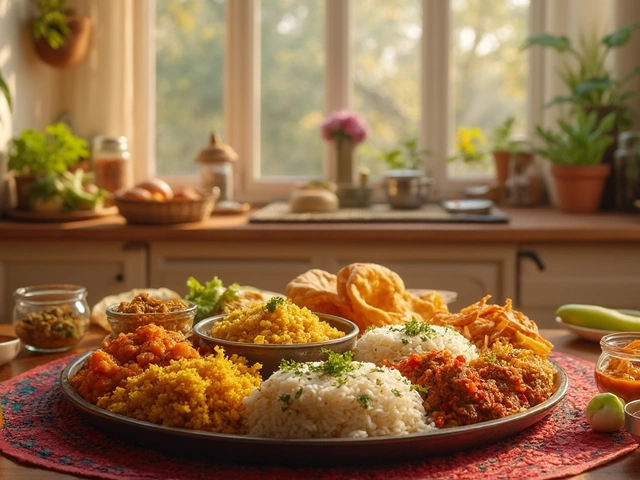
Most of us rush out the door in the morning, grabbing a sugary cereal or a plain slice of toast. But if you are looking for energy that lasts until lunch without the mid-morning crash, the answer lies in balancing your plate. The healthiest breakfast isn't just about cutting calories; it is about fueling your body with the right mix of protein, fiber, and healthy fats. In Indian cuisine, we have centuries of wisdom packed into our morning plates. From savory lentil pancakes to spiced egg dishes, there are plenty of options that keep you full and focused.
The Science Behind a Balanced Indian Breakfast
To understand what makes a breakfast "healthy," you need to look at three main components: protein, fiber, and complex carbohydrates. When you eat a meal high in simple sugars, like a sweet pastry or white bread, your blood sugar spikes quickly. This gives you a burst of energy, but it drops just as fast, leaving you hungry and tired within an hour. A balanced meal slows down this process.
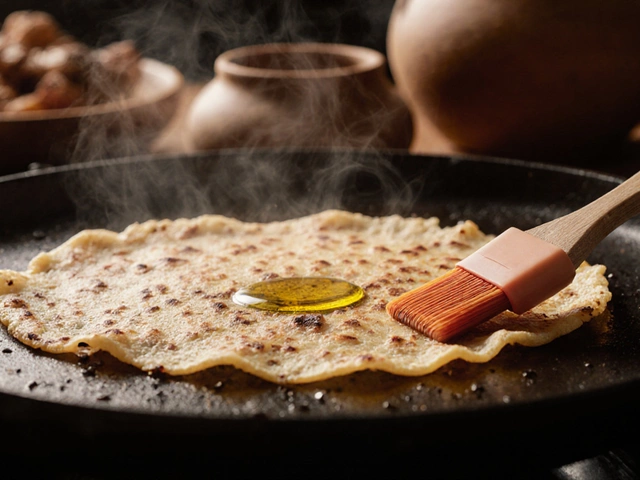
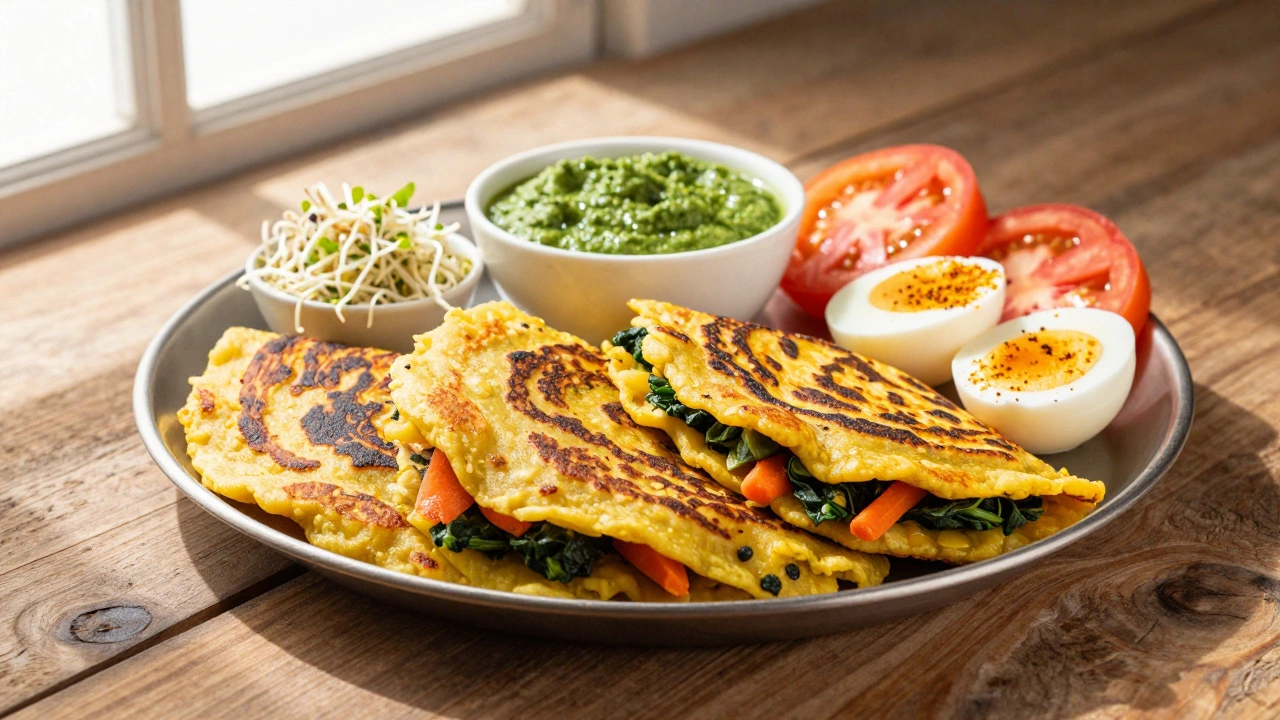
Protein helps build muscle and keeps you feeling full. Fiber aids digestion and stabilizes blood sugar levels. Complex carbs provide steady energy. In Indian cooking, these elements often come together naturally. For example, a Moong Dal Chilla is a savory pancake made from ground yellow lentils. It combines the protein from the lentils with the fiber from added vegetables like spinach or grated carrots. This combination ensures that your body gets nutrients without the sugar crash associated with traditional sweet breakfasts.
- Protein: Found in eggs, paneer (Indian cottage cheese), Greek yogurt, and lentils. Aim for at least 15-20 grams per meal.
- Fiber: Comes from whole grains like oats, millets, and vegetables. Look for foods with at least 5 grams of fiber.
- Healthy Fats: Avocado, nuts, seeds, and ghee help absorb vitamins and keep you satiated.
Top High-Protein Indian Breakfast Options
If your goal is to stay full and support muscle repair, prioritize protein. Here are some classic Indian breakfasts that deliver on this front.
Boiled Eggs with Spices: You don't need a complicated recipe to get a great start. Two boiled eggs seasoned with chaat masala and black pepper provide about 12 grams of protein. Pair this with a slice of whole-grain toast or a small bowl of sprouts. Sprouts are a powerhouse of nutrition, offering easy-to-digest protein and enzymes that aid digestion.
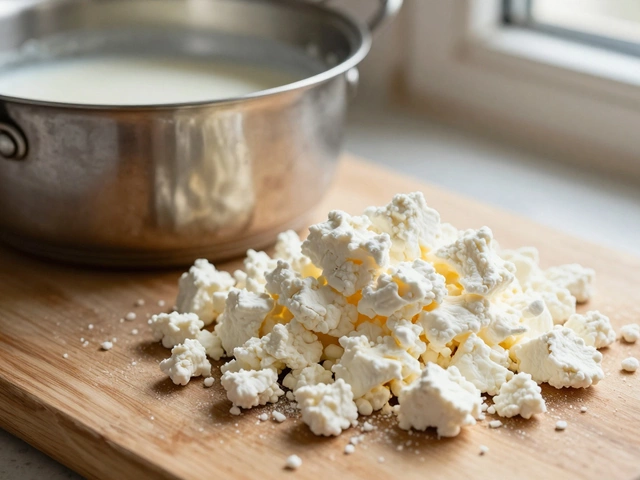
Paneer Bhurji: Think of this as an Indian scrambled egg dish, but made with crumbled paneer. Sauté onions, tomatoes, green chilies, and turmeric, then fold in the paneer. Serve it with multigrain toast or roti. Paneer is rich in calcium and protein, making it excellent for bone health. One cup of bhurji can contain up to 20 grams of protein, depending on the amount of paneer used.
Masala Omelette: A staple in many Indian households, the masala omelette uses two eggs whisked with chopped onions, tomatoes, cilantro, and spices. Cook it in a minimal amount of oil or ghee. Adding spinach or mushrooms boosts the nutrient profile further. This meal takes less than five minutes to prepare and offers a complete amino acid profile.
| Food Item | Protein (g) | Fiber (g) | Carbs (g) | Best For |
|---|---|---|---|---|
| 2 Boiled Eggs + Sprouts | 15 | 4 | 10 | Muscle Building |
| Paneer Bhurji (1 cup) | 20 | 3 | 8 | Bone Health |
| Moong Dal Chilla (2 medium) | 12 | 6 | 25 | Digestion & Energy |
| Oats Upma (1 bowl) | 8 | 7 | 40 | Heart Health |
Fiber-Rich Choices for Digestive Health
Fiber is often overlooked, but it is crucial for gut health and maintaining steady energy levels. Many traditional Indian breakfasts rely heavily on refined flour (maida) or rice, which lack fiber. Swapping these for whole grains makes a significant difference.
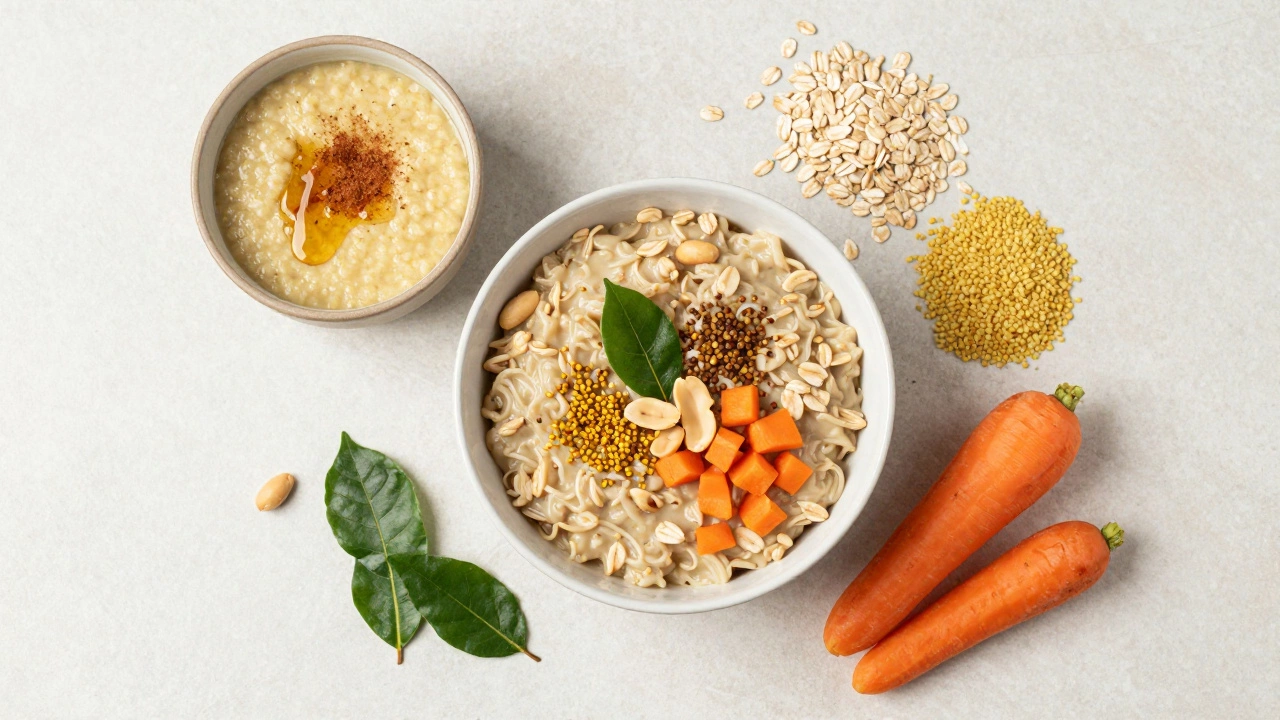
Oats Upma: Instead of using semolina (rava), try making upma with rolled oats. Sauté mustard seeds, curry leaves, peanuts, and diced vegetables like peas and carrots. Add water and cook until the oats are soft. Oats contain beta-glucan, a type of soluble fiber that helps lower cholesterol. This dish is quick, filling, and gentle on the stomach.
Millet Porridge: Millets like ragi (finger millet) or jowar (sorghum) are ancient grains gaining popularity again. Ragi malt mixed with warm milk or water creates a creamy porridge. Ragi is incredibly rich in calcium and iron. It is a great option for those who avoid gluten or want to reduce their wheat intake. You can add a pinch of cinnamon and a teaspoon of honey for flavor without overdoing the sugar.
Sabudana Khichdi Alternative: Traditional sabudana khichdi is made from tapioca pearls, which are high in starch and low in nutrients. To make it healthier, replace half the tapioca with poha (flattened rice) or quinoa. Add plenty of peanuts, potatoes, and green chilies. This adds crunch and protein, turning a carb-heavy snack into a more balanced meal.
Quick and Easy Meal Prep Ideas
Mornings can be chaotic. Having a plan saves time and prevents unhealthy choices. Here are some strategies to streamline your breakfast routine.
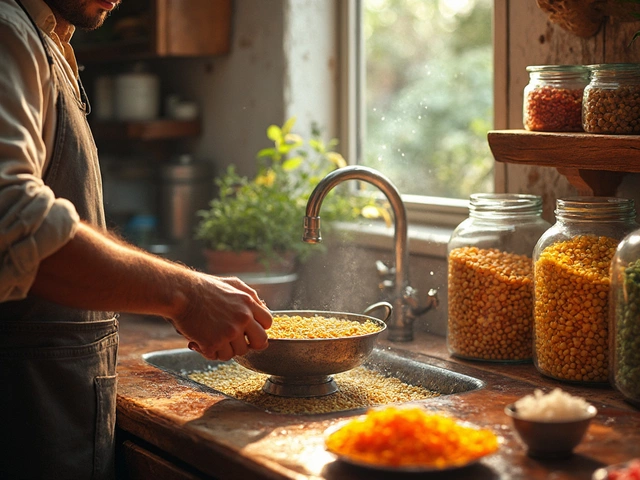
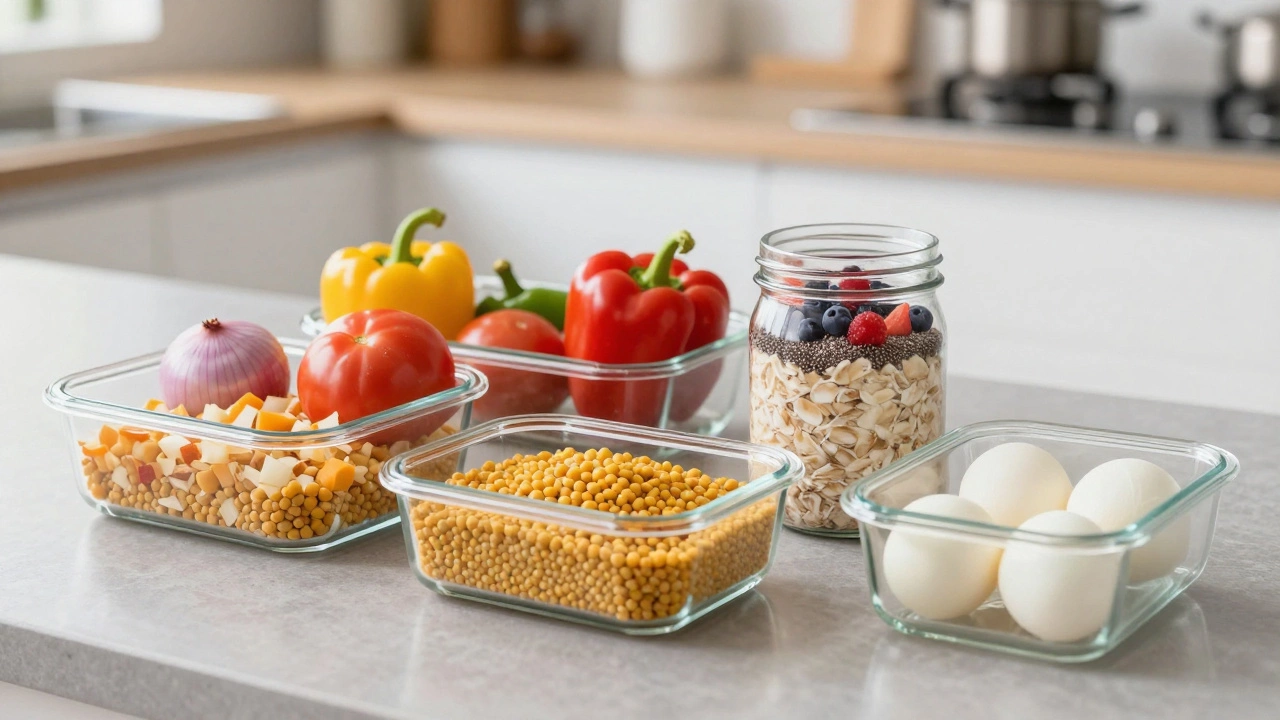
- Pre-soak Lentils: If you love chillas, soak moong dal the night before. In the morning, grind it into a batter with ginger and green chili. You can cook them in batches and reheat later.
- Chop Vegetables Ahead: Keep chopped onions, tomatoes, and bell peppers in airtight containers in the fridge. They are ready to toss into an omelette or bhurji.
- Overnight Oats: Mix rolled oats with chia seeds, almond milk, and berries. Let it sit in the fridge overnight. In the morning, you have a cold, ready-to-eat breakfast that requires no cooking.
- Hard-Boil a Batch: Boil six eggs at the start of the week. Store them in the fridge for a quick grab-and-go protein source.
Common Mistakes to Avoid
Even well-intentioned breakfast choices can fall short if you aren't careful. Here are some pitfalls to watch out for.
Too Much Sugar: Sweet laddoos, pastries, and sugary cereals might taste good, but they lead to energy crashes. Even natural sweeteners like jaggery should be used in moderation. Try to limit added sugars to under 25 grams per day.
Skipping Protein: A bowl of plain oatmeal or a single piece of toast lacks staying power. Always add a protein source, whether it's a handful of nuts, a spoonful of peanut butter, or a side of yogurt.
Ignoring Hydration: After sleeping for eight hours, your body is dehydrated. Start your day with a glass of warm water with lemon or plain water. This kickstarts your metabolism and aids digestion before you even eat.
Tailoring Your Breakfast to Your Lifestyle
Your ideal breakfast depends on your daily activities. If you have a sedentary job, you might need fewer calories but still require high protein to maintain muscle mass. If you are physically active, you may need more complex carbohydrates for energy.
For vegetarians, combining different plant proteins is key. Eating rice with dal provides all essential amino acids. For non-vegetarians, eggs and dairy offer complete proteins easily. If you have dietary restrictions, such as lactose intolerance, switch cow's milk to almond or soy milk in your recipes. Gluten-free diets can thrive on millets, rice, and corn-based dishes.
Is idli and sambar a healthy breakfast?
Yes, idli and sambar is one of the healthiest traditional Indian breakfasts. Idlis are steamed, meaning they contain no added fat. They are made from fermented rice and urad dal, which improves digestibility and increases B-vitamin content. Sambar, a lentil and vegetable stew, adds fiber and protein. Just ensure you use a moderate amount of ghee when serving.
Can I eat paratha for a healthy breakfast?
Parathas can be part of a healthy diet if made correctly. Use whole wheat flour instead of refined flour. Fill them with vegetables like spinach, paneer, or potato rather than just butter. Cook them with minimal oil using a non-stick pan. Pair the paratha with a bowl of curd (yogurt) to balance the carbs with probiotics and protein.
What is the best time to eat breakfast?
Ideally, eat breakfast within an hour of waking up. This helps regulate your circadian rhythm and metabolism. However, intermittent fasting is also popular. If you practice time-restricted eating, ensure your first meal is nutrient-dense to maximize the benefits of the fasting window. Listen to your body's hunger cues.
Are Indian sweets okay for breakfast?
Traditional Indian sweets like ladoos or barfi are very high in sugar and fat. They are not recommended for regular breakfast consumption due to the risk of blood sugar spikes. If you crave something sweet, opt for fruit, dates, or a small portion of homemade granola with minimal honey.
How much protein should I aim for in my breakfast?
Aim for 15 to 20 grams of protein per breakfast. This amount helps stabilize blood sugar and keeps you full for longer. Sources include two eggs (12g), a cup of Greek yogurt (15g), or a serving of paneer bhurji (20g). Combining smaller sources, like oats with nuts, can also reach this target.