Dal Texture Predictor
Select your ingredients and cooking method below to see if your dal will turn out creamy or crunchy.
Your Cooking Setup
Ready to Analyze
Click "Predict Texture" to see the likely outcome based on food science principles.
You’ve been there. You’re making dal, that comforting bowl of lentil stew central to Indian cuisine. You toss in some fresh tomatoes for tanginess, crank up the heat, and wait. But twenty minutes later, your lentils are still hard as pebbles. They refuse to soften. It’s frustrating, isn’t it? You might have heard the kitchen myth that "acid stops cooking." Is it true? Do tomatoes really sabotage your lentils?
The short answer is: yes, but not in the way you think. And no, you don’t have to banish tomatoes from your pantry. Understanding why this happens-and how to fix it-is the difference between a gritty, undercooked mess and a creamy, velvety dal. Let’s break down the science without getting bogged down in chemistry textbooks.
The Science Behind Hard Lentils
To understand the problem, we need to look at what a lentil actually is. A lentil is a seed. Inside that seed is starch and protein held together by cell walls made of pectin and hemicellulose. When you cook lentils, you are essentially trying to break down these tough cell walls so water can penetrate the interior, gelatinize the starch, and soften the structure.
This process requires two things: heat and time. But there’s a third factor that interferes: pH levels. Acidic environments strengthen the pectin bonds in plant cell walls. This means they hold onto their shape longer and resist breaking down. Tomatoes are acidic, with a pH around 4.0 to 4.5. If you add them too early, you create an acidic bath that locks the lentil skins tight.
Think of it like this: imagine the lentil skin is a zipper. Heat tries to unzip it so the inside can get soft. Acid acts like glue on the zipper teeth, keeping it shut. The heat still cooks the inside eventually, but the outside remains tough and chewy. You end up with lentils that feel grainy or chalky, even if they’ve been boiling for an hour.
Why Timing Matters More Than Ingredients
Many home cooks believe that once acid is added, the damage is done forever. That’s not entirely accurate. The key is when you introduce the acid. If you add tomatoes at the very beginning, alongside the dry lentils, you maximize the time the lentils spend in an acidic environment before they’ve had a chance to soften. This is the worst-case scenario.
However, if you let the lentils cook in plain water (or broth) until they are partially soft-say, 70% cooked-and then add the tomatoes, the result is different. By then, the cell walls have already started to break down due to prolonged exposure to neutral-pH hot water. Adding acid now slows down further breakdown, but it doesn’t reverse the progress you’ve already made. The lentils will finish cooking, albeit slightly slower, and the texture will be much better.
So, the rule of thumb is simple: cook the lentils first, season with acid later. This applies not just to tomatoes, but also to tamarind, lemon juice, vinegar, and wine. All these ingredients contain acids that interfere with the softening process.
Dal Recipe Strategy: The Two-Step Method
If you want foolproof dal every time, use the two-step method. It takes a little more planning but saves you from serving crunchy lentils. Here’s how to do it properly.
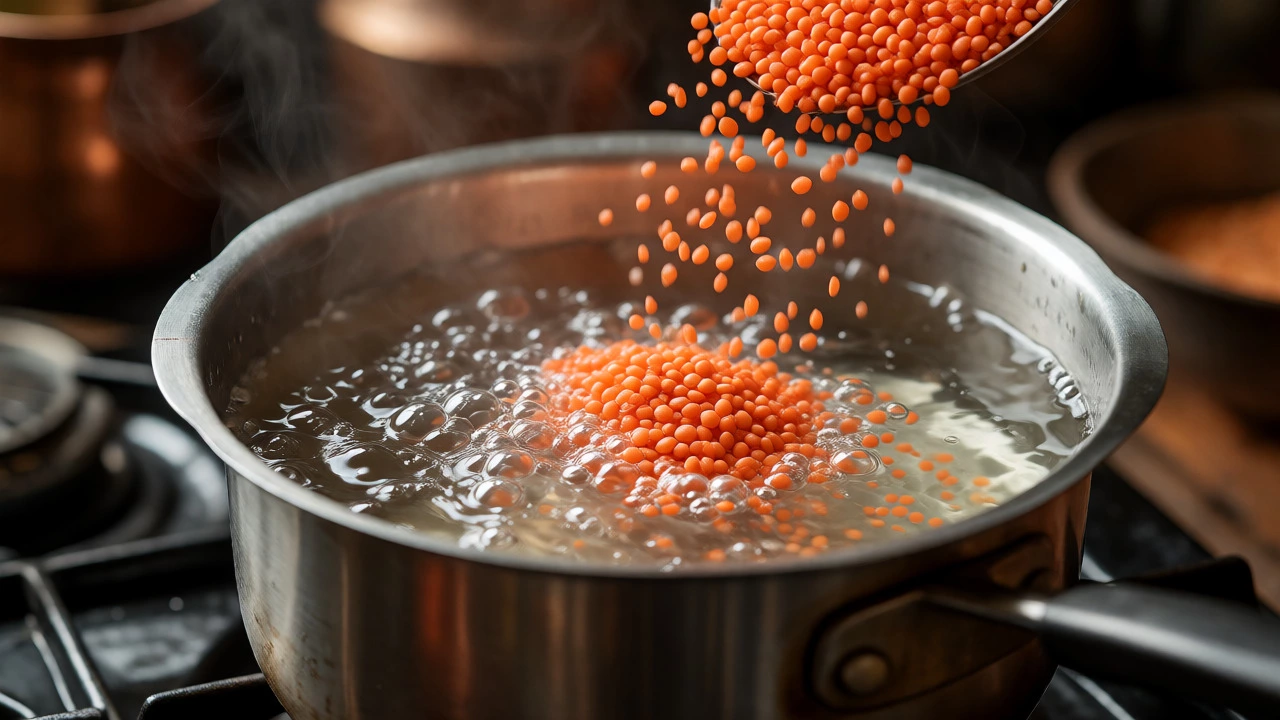
- Start with Neutral Water: Rinse your lentils thoroughly. Place them in a pot or pressure cooker with enough water to cover them by about two inches. Add aromatics that don’t affect pH significantly, such as ginger, garlic, turmeric, and salt. Yes, salt is fine here; while old myths said salt toughens beans, modern food science shows it helps flavor penetration without hardening the skins significantly if used moderately.
- Cook Until Partially Soft: Bring to a boil, then simmer. If using a stovetop, check after 15-20 minutes. If using a pressure cooker, one whistle usually does the trick for red lentils (masoor dal), while split chickpeas (chana dal) need more. You want the lentils to yield easily to a spoon but still hold their shape slightly.
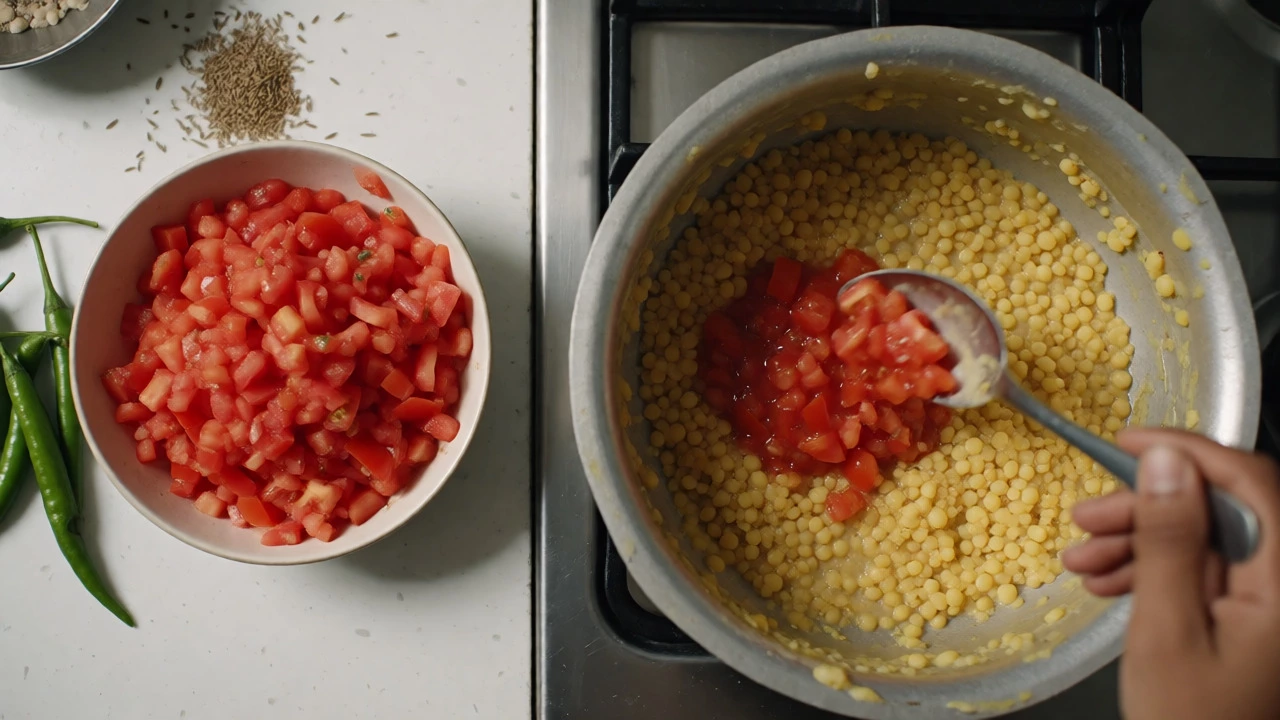
- Add the Acidic Elements: Now, prepare your tomato base separately. Sauté onions, green chilies, and spices in oil or ghee. Add chopped tomatoes and cook them down until they become a paste. This step concentrates the flavor and reduces the raw acidity slightly through caramelization.
- Combine and Finish: Pour the tomato masala into the partially cooked lentils. Stir well. Simmer together for another 5-10 minutes. This allows the flavors to meld and the lentils to absorb the tang without becoming rubbery.
This method ensures that the structural integrity of the lentils is compromised by neutral heat first, allowing them to soften properly before the acid kicks in.
What About Different Types of Lentils?
Not all lentils react the same way. Their size, skin thickness, and processing level matter. Here’s a quick guide to how common varieties handle acid.
| Lentil Type | Skin Thickness | Acid Sensitivity | Best Practice |
|---|---|---|---|
| Red/Yellow Masoor/Moong | Thin (often skinned) | Low | Can often tolerate earlier tomato addition; cook fast anyway. |
| Green/Brown Puy Lentils | Thick | High | Must cook in neutral water first. Add tomatoes only at the end. |
| Chana Dal (Split Chickpea) | Moderate | Medium-High | Soak overnight, cook in neutral water, add acid halfway. |
| Kabuli Chana (Whole Chickpea) | Very Thick | Very High | Requires long neutral cooking. Never add acid until fully soft. |
Notice that red and yellow lentils, which are commonly used in quick dals, are less problematic because they lack outer skins. The skin is where most of the pectin resides. Without the skin, the starch breaks down quickly regardless of pH. This is why restaurant-style masoor dal often looks perfectly smooth even with lots of tomatoes-they’re just easier to cook.
On the other hand, whole legumes like chickpeas or kidney beans (rajma) have thick skins. They are notorious for staying hard if you add tomatoes or tamarind too early. For these, patience is key. Cook them until they are completely soft in plain water before introducing any sour elements.
Other Culinary Myths Debunked
While we’re clearing up misconceptions, let’s address a few related issues that plague home cooks.
Does baking soda help? Yes, adding a pinch of baking soda (sodium bicarbonate) raises the pH, making the water alkaline. This speeds up the breakdown of pectin and softens lentils faster. However, use it sparingly. Too much baking soda destroys vitamin B1 (thiamine) and gives the dal a soapy, metallic taste. It’s a useful tool for stubborn old lentils, but not necessary for fresh ones.
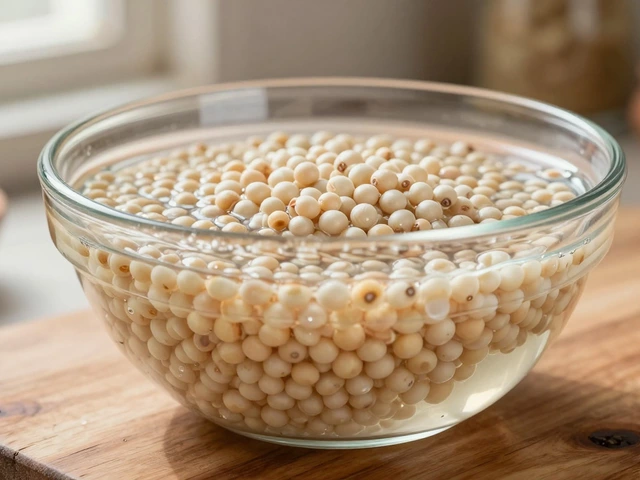
Does soaking change anything? Soaking lentils rehydrates them, reducing cooking time. It doesn’t necessarily prevent acid interference, but it does mean the lentils spend less total time in the pot, which might mitigate some textural issues. Always soak larger legumes like rajma or chana for at least 6-8 hours. Smaller lentils like masoor or moong don’t strictly require soaking, though it helps.
Is canned tomato worse than fresh? Canned tomatoes are often more acidic because they are packed in citric acid or tomato juice concentrate. Fresh tomatoes vary by variety and ripeness. Riper tomatoes are sweeter and less acidic. If you’re worried about hardness, use ripe fresh tomatoes or rinse canned tomatoes briefly to remove excess packing liquid.
Troubleshooting: What If Your Dal Is Already Hard?
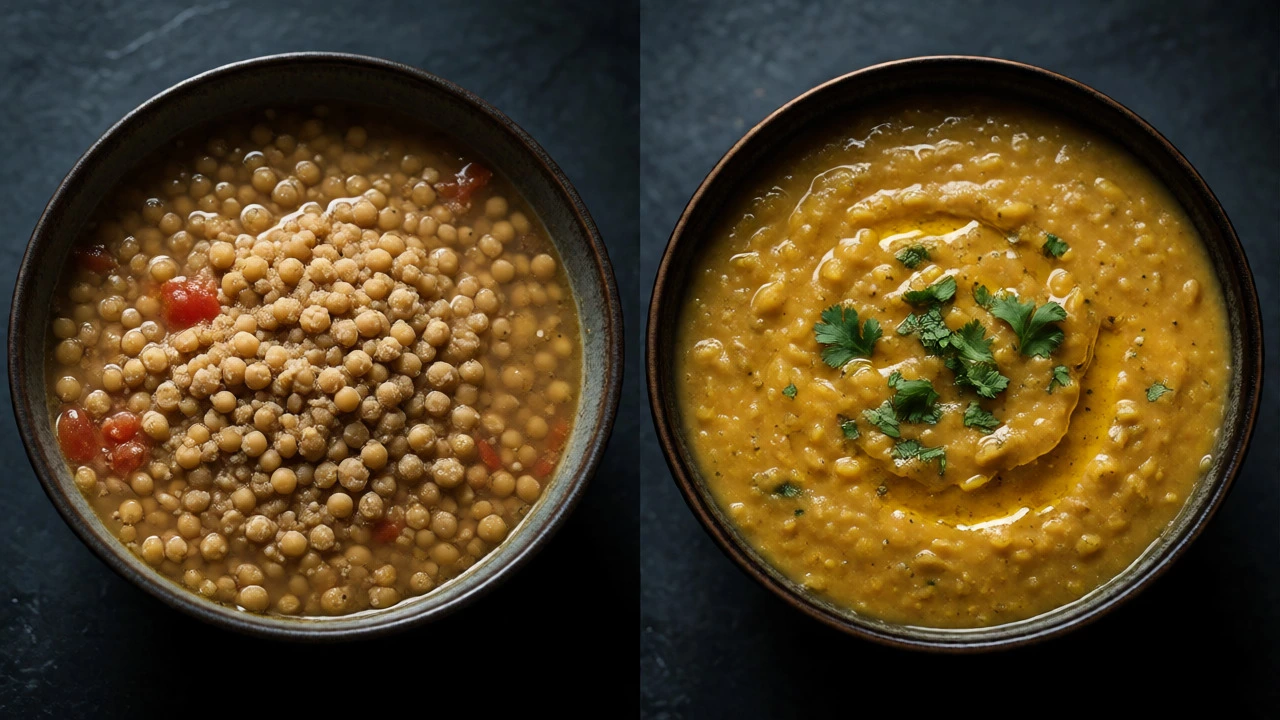
Suppose you ignored this advice and added tomatoes at the start. Your dal has been simmering for an hour, and the lentils are still crunching. Don’t throw it away. Here’s how to save it.
- Add Alkalinity: Sprinkle a tiny pinch of baking soda into the pot. This counteracts the acidity and helps break down the cell walls. Stir well and cook for another 10-15 minutes. Taste carefully to ensure no soapy flavor develops.
- Extend the Heat: Sometimes, it’s just a matter of time. Keep simmering on low heat. Ensure there is enough liquid; evaporation concentrates the acid, making the problem worse. Add hot water if needed.
- Blend It: If the texture is unacceptable, use an immersion blender to puree the dal. This breaks the physical structure mechanically rather than chemically. You’ll lose the distinct lentil shapes, but you’ll gain a creamy consistency that masks the grittiness.
Final Thoughts on Flavor Balance
Cooking is a balance of chemistry and art. While avoiding early acid ensures tender lentils, you also need to manage flavor. Tomatoes provide umami and brightness. If you add them late, they might taste too raw or sharp. To fix this, cook the tomato masala thoroughly before combining it with the lentils. Fry the tomatoes with spices until the oil separates from the mixture. This deepens the flavor and mellows the harsh acidity, giving you the best of both worlds: tender lentils and rich, complex taste.
Next time you make dal, remember: heat softens, acid hardens. Control the timing, and you control the texture. Your dinner guests won’t know the secret, but they’ll definitely notice the difference.
Why are my lentils still hard after cooking for an hour?
This is likely due to adding acidic ingredients like tomatoes, lemon juice, or vinegar too early in the cooking process. Acid strengthens the pectin in lentil skins, preventing them from softening. Try cooking the lentils in plain water until they are mostly soft, then add the acidic components.
Can I add tomatoes at the beginning when making dal?
You can, but it risks yielding tough, grainy lentils. For best results, especially with thick-skinned lentils like brown or green lentils, cook them in neutral water first. Add tomatoes only after the lentils have begun to soften. Red and yellow lentils are more forgiving due to their lack of skin.
Does baking soda help cook lentils faster?
Yes, baking soda creates an alkaline environment that breaks down pectin faster, speeding up softening. Use only a small pinch (1/8 teaspoon per cup of lentils) to avoid a soapy taste and nutrient loss. It is particularly useful for older, dried-out lentils.
Which lentils are hardest to cook?
Whole legumes with thick skins, such as Kabuli Chana (chickpeas), Rajma (kidney beans), and Black Gram (Urad Dal), take the longest. Split lentils like Masoor (red) and Moong (yellow) cook very quickly and are less affected by acid because they lack outer skins.
How do I fix dal if the lentils are already crunchy?
Add a pinch of baking soda to neutralize the acidity and continue simmering. If that fails, blend the dal with an immersion blender to create a creamy texture that hides the hard bits. Adding more hot water can also help dilute the acid concentration.