Rice Cake Blood Sugar Impact Simulator
Select your snack scenario to see how it affects your blood sugar curve.
Nutritional Snapshot
- Calories: --
- Carbs: --
- Fiber: --
- Protein: --
- Fat: --
You grab a plain rice cake because you want something light. It crunches satisfyingly, feels airy, and seems like the ultimate guilt-free snack. But here is the twist: that airy texture comes from extreme processing, and your blood sugar might spike faster than it would after eating a slice of white bread. If you have been relying on rice cakes as a daily health hack, you need to know what is actually happening inside your body.
The Reality Behind the Crunch
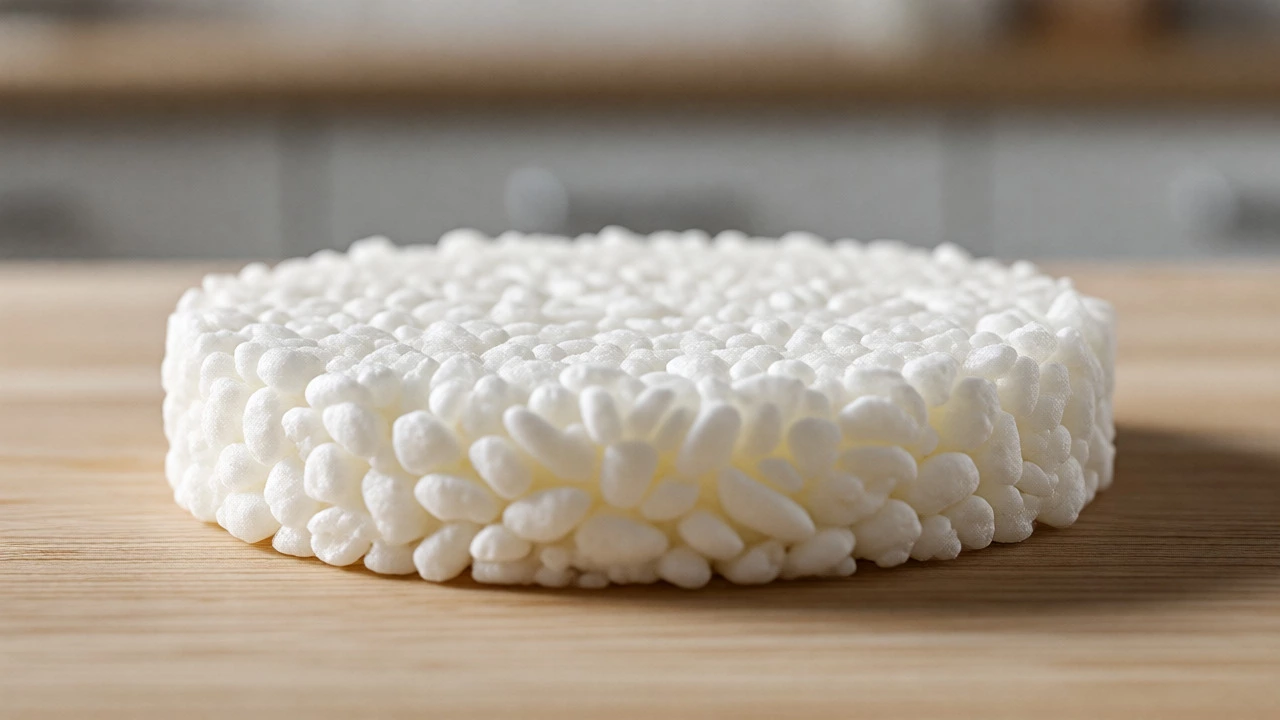
Rice cakes are puffed grains. That is it. You take brown or white rice, expose it to high heat and pressure, and watch it expand into those familiar discs. The process strips away most of the natural fiber and nutrients found in whole grain rice. While they are technically low in calories-usually around 35 to 50 per cake-they offer almost no protein, fat, or micronutrients. Think of them as edible air with a slight carbohydrate coating.
This lack of substance is why many dietitians hesitate to call them "healthy" in isolation. They fill your stomach temporarily but leave you hungry an hour later. If you eat three of them because one doesn't feel like enough, you have just consumed the same amount of carbs as two slices of toast, but without the satiety benefits of fiber or protein.
Glycemic Index and Blood Sugar Spikes
The biggest concern with rice cakes is their Glycemic Index (GI). The GI measures how quickly a food raises your blood glucose levels. Plain rice cakes score extremely high, often between 78 and 91. For context, pure glucose has a GI of 100, and table sugar sits around 65. A score above 70 is considered high.
Why does this matter? When you eat high-GI foods, your pancreas pumps out insulin rapidly to manage the sudden influx of sugar. This can lead to energy crashes, increased hunger, and over time, contributes to insulin resistance. If you are managing diabetes or pre-diabetes, eating plain rice cakes alone is risky. Your blood sugar rollercoaster will likely be steep and uncomfortable.
Nutritional Profile: What You Get vs. What You Miss
Let's look at the numbers. Most commercial rice cakes contain only rice, salt, and sometimes oil. There is no added sugar, which is good, but there is also very little else. Here is a typical breakdown for one plain brown rice cake:
| Nutrient | Plain Brown Rice Cake (1 unit) | Whole Wheat Cracker (2 units) |
|---|---|---|
| Calories | 35 kcal | 70 kcal |
| Carbohydrates | 7g | 12g |
| Fiber | 0.2g | 2g |
| Protein | 0.5g | 2g |
| Fat | 0g | 1g |
Notice the fiber gap. Whole wheat crackers provide ten times more fiber. Fiber slows down digestion, keeps you full longer, and supports gut health. Rice cakes fail this test completely. Even though they are made from brown rice, the puffing process destroys the structural integrity of the bran, making the fiber less effective at slowing absorption.

When Rice Cakes Actually Work for You
So, should you throw them away? Not necessarily. Rice cakes shine in specific scenarios. If you are trying to reduce calorie density drastically, they help. You can eat a larger volume of food for fewer calories compared to nuts or cheese. This psychological satisfaction matters when you are cutting back on portions.
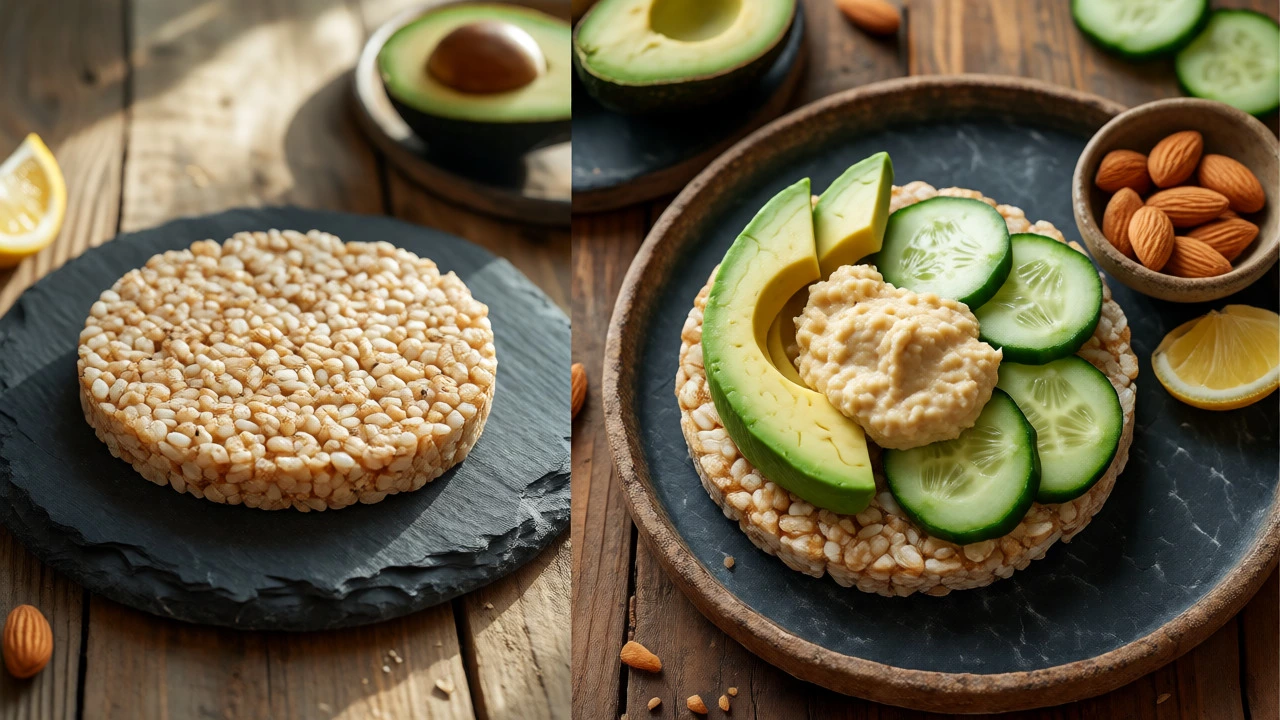
They also serve as excellent vehicles for toppings. Because they are neutral in flavor, they let other ingredients stand out. If you pair a rice cake with avocado, nut butter, or hummus, you change the metabolic response entirely. The fat and protein from the topping slow down the absorption of the rice carbohydrates, lowering the overall glycemic load of the meal.
Common Pitfalls to Avoid
Most people make mistakes when choosing rice cakes. First, they ignore sodium. Flavored varieties, like sea salt or caramel, can pack significant amounts of sodium and hidden sugars. One flavored cake might have 140mg of sodium, which adds up if you eat several. Always check the label for added sugars; some brands sneak in corn syrup or maltodextrin.
Second, people mistake "low calorie" for "nutritious." Eating five plain rice cakes equals roughly 200 calories. You could get the same calories from an apple and a handful of almonds, which would provide vitamins, antioxidants, and sustained energy. Rice cakes are empty calories unless you add value through toppings.
Healthier Alternatives to Consider
If you love the crunch but hate the nutritional void, consider swapping for options that offer more bang for your buck. Popcorn, when air-popped and lightly seasoned, offers similar volume with more fiber and polyphenols. It is a whole grain that retains its structure better than puffed rice.
Cucumber slices topped with tzatziki or labneh provide hydration and protein with virtually no carbs. For a savory fix, try seaweed snacks. They are low-calorie, rich in iodine, and satisfy the salty craving without the carb spike. If you must stick to grains, opt for seed crackers made from flax, chia, or pumpkin seeds. These bring healthy fats and protein to the party.
How to Eat Rice Cakes Smartly
If you keep rice cakes in your pantry, use them strategically. Never eat them naked. Always pair them with a source of protein or healthy fat. Try these combinations:
- Savory: Hummus, sliced cucumbers, and a sprinkle of paprika.
- Sweet: Almond butter, banana slices, and cinnamon.
- Protein-Packed: Smoked salmon, cream cheese, and dill.
- Indian Twist: Whisked yogurt mixed with chaat masala and fresh mint.
Eating them alongside a meal rather than as a standalone snack also helps blunt the blood sugar response. Your digestive system processes the mix of nutrients more efficiently when you consume multiple food types together.
Final Verdict: Are They Healthy?
Rice cakes are not inherently unhealthy, but they are not particularly healthy either. They are neutral tools. Their value depends entirely on how you use them. If you treat them as a base for nutrient-dense toppings, they can fit into a balanced diet. If you eat them plain by the handful, you are missing out on essential nutrients and risking blood sugar spikes.
For most people, especially those watching their weight or blood sugar, prioritizing whole foods like vegetables, nuts, and fruits will always yield better results. Use rice cakes sparingly, choose brown rice versions over white, and never skip the toppings.
Are rice cakes better than bread?
Not necessarily. While rice cakes have fewer calories per serving, whole grain bread provides significantly more fiber, protein, and nutrients. Bread also tends to be more satiating. Rice cakes may be preferable if you are strictly counting calories, but bread is generally the more nutritious choice.
Do rice cakes cause weight gain?
Rice cakes themselves are low in calories, so they do not directly cause weight gain. However, because they lack fiber and protein, they may leave you feeling unsatisfied, leading to overeating later. Additionally, high-glycemic foods can promote fat storage if insulin levels remain chronically elevated.
Which is healthier: white or brown rice cakes?
Brown rice cakes are slightly healthier because they retain some of the bran and germ, offering marginally more fiber and minerals. However, the difference is minimal due to the processing involved. Both types still have a high glycemic index, so the impact on blood sugar is similar.
Can diabetics eat rice cakes?
Diabetics should be cautious. Rice cakes have a high glycemic index, causing rapid blood sugar spikes. If you eat them, pair them with protein or fat to slow absorption. Monitoring your blood glucose response after eating them is recommended to see how your body reacts.
What is the best topping for rice cakes?
The best toppings add protein and healthy fats. Nut butters (peanut, almond), avocado, hummus, Greek yogurt, or cottage cheese are excellent choices. These additions improve satiety and lower the overall glycemic load of the snack.
- Poplular Tags
- rice cakes
- healthy snacks
- glycemic index
- weight loss
- nutrition facts