The King of Curries Matchmaker
Answer three quick questions to find out which legendary curry deserves a spot on your plate tonight.
Curry Name
Origin Info
Why this match?
Reasoning goes here.
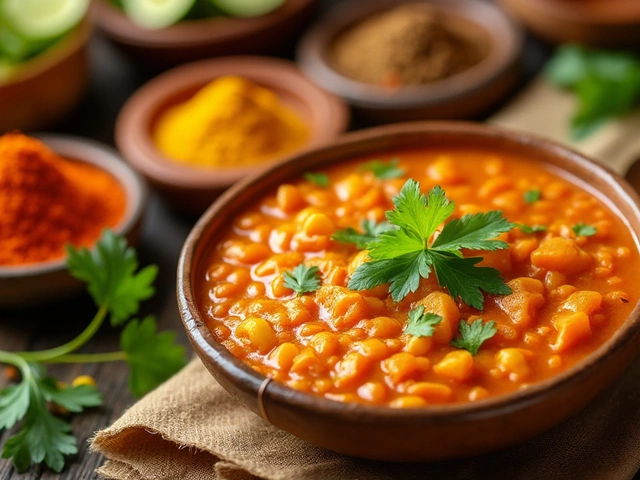
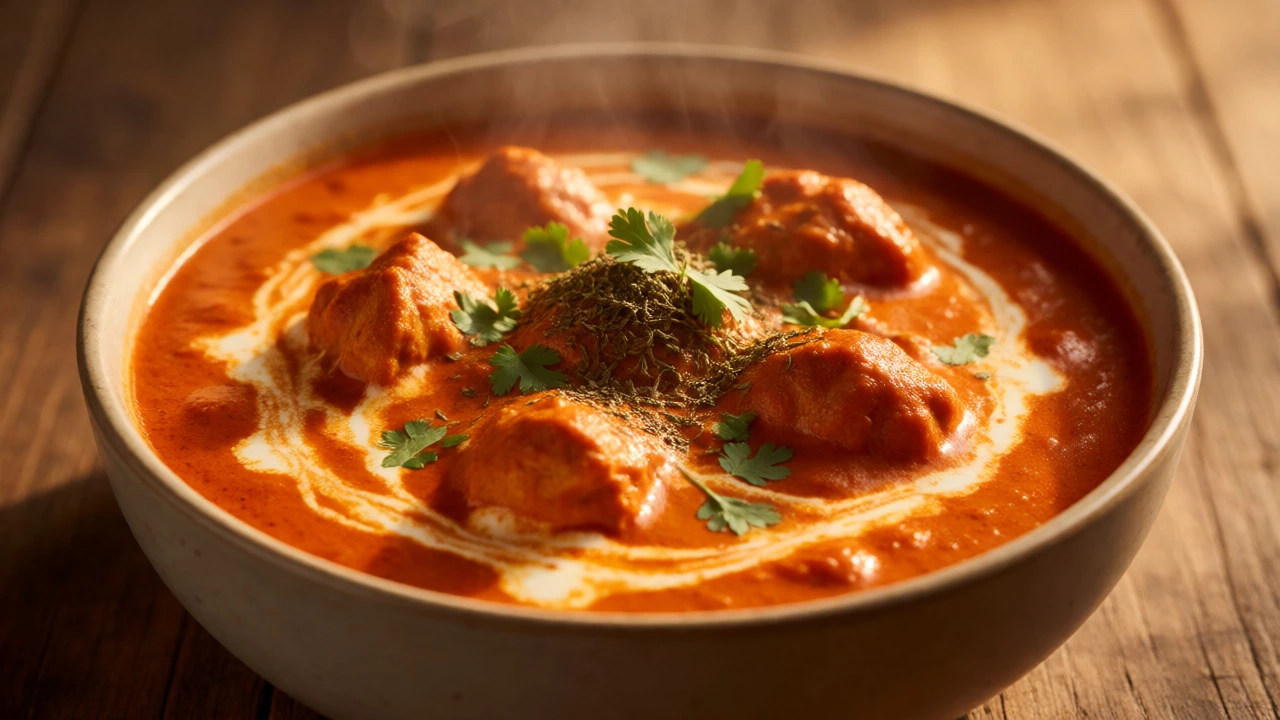
Ask ten people what the king of all curries is, and you’ll get ten different answers. For some, it’s the smoky, charred perfection of a Tandoori Tikka Masala. For others, it’s the velvety, tomato-rich embrace of Butter Chicken. But if we look at history, global popularity, and culinary impact, one dish consistently wears the crown: Butter Chicken, also known as Murgh Makhani. This isn’t just about taste; it’s about texture, balance, and that unmistakable orange-red hue that signals comfort food on a plate.
You might be wondering why this specific dish holds such a prestigious title while other classics like Rogan Josh or Vindaloo fight for attention. The answer lies in its versatility and its ability to bridge the gap between intense spice and mild sweetness. It appeals to the purist who loves complex spices and the beginner who fears heat. If you’re looking to master the dish that has conquered kitchens from Delhi to London, you need to understand more than just the ingredients. You need to understand the technique.
The Case for Butter Chicken as the Crown Jewel
Why does Butter Chicken deserve the throne? It comes down to three factors: accessibility, richness, and adaptability. Unlike dry curries that require precise timing to avoid toughness, or fiery dishes that can overwhelm delicate palates, Butter Chicken offers a forgiving canvas. It starts with marinated chicken cooked in a tandoor or oven, then simmered in a gravy made from tomatoes, butter, cream, and fenugreek leaves (kasuri methi).
The magic happens in the emulsification. When butter and cream are stirred into the spiced tomato base, they create a sauce that coats every piece of meat without being overly heavy. This balance is rare. Most curries lean heavily into either acidity (like Goan Vindaloo) or heat (like Andhra Chilli Chicken). Butter Chicken sits perfectly in the middle, making it the ultimate "gateway" curry that keeps people coming back for seconds.
Comparing the Contenders: Who Challenges the King?
To truly appreciate the king, you must look at his rivals. Several dishes have strong claims to the title, depending on your personal preferences. Let’s break down the top contenders against our reigning champion.
| Dish Name | Flavor Profile | Texture | Spice Level | Best For |
|---|---|---|---|---|
| Butter Chicken | Sweet, tangy, creamy | Velvety, thick gravy | Mild to Medium | Crowd-pleasing, beginners, pairing with naan |
| Tikka Masala | Smoky, spicy, tomato-based | Chunkier, slightly thinner | Medium to Hot | Those who want heat and smoke flavor |
| Korma | Nutty, aromatic, mild | Creamy, often uses yogurt/nuts | Mild | Festive occasions, delicate palates |
| Rogan Josh | Earthy, warm, Kashmiri chili | Thin, oily, robust | Medium | Lovers of whole spices and depth |
| Vindaloo | Vinegar-heavy, pungent, hot | Loose, wet consistency | Very Hot | Adventurous eaters, pairing with rice |
Notice how Tikka Masala differs from Butter Chicken? While often used interchangeably in Western restaurants, authentic Tikka Masala relies more on the char from the grill and less on the dairy finish. It’s sharper and brighter. Korma, on the other hand, leans into nuts and yogurt, offering a cooler, more subtle profile. But neither matches the universal appeal of the butter-infused tomato base that defines the king.
Secrets to Achieving Restaurant-Quality Gravy
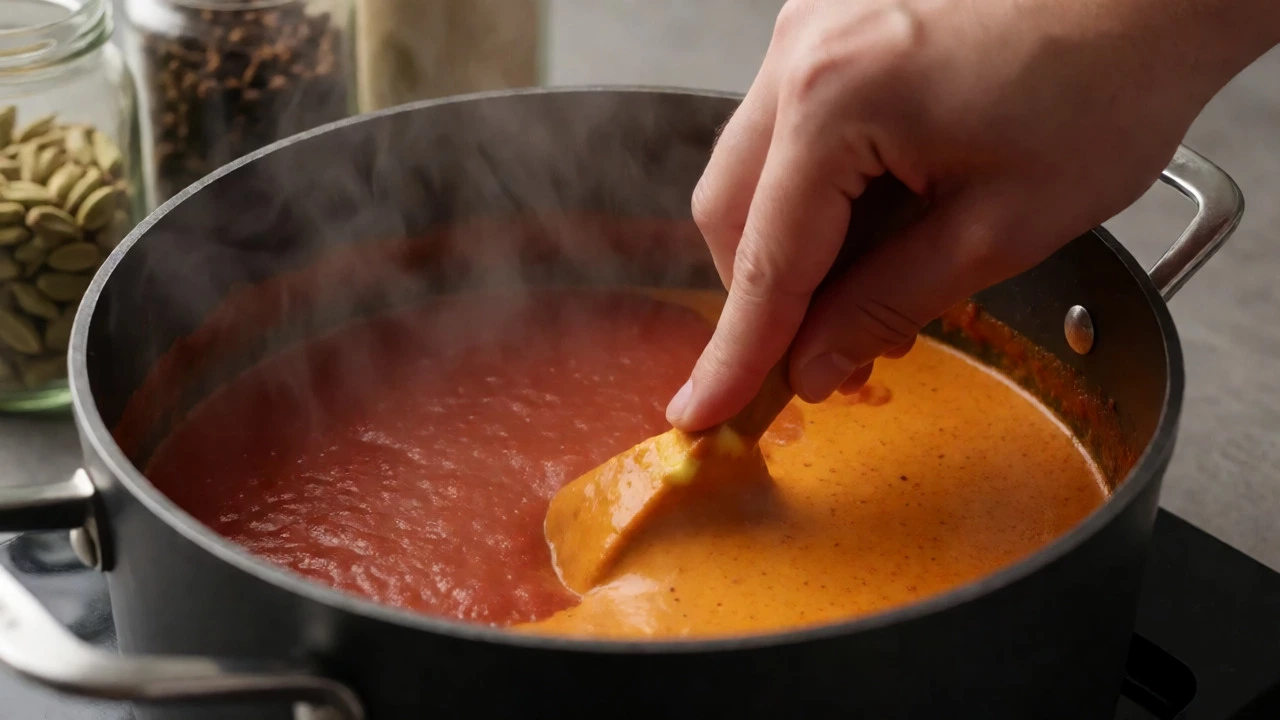
Home cooks often struggle to replicate that silky restaurant texture. They end up with watery sauces or grainy tomato pastes. Here is how you fix that. First, never skip the step of blanching your tomatoes. Boil them briefly, peel them, and blend them into a smooth puree. Raw tomatoes blended directly into oil can result in a metallic taste and uneven texture.
Second, control the heat when adding dairy. If you add cream to a boiling gravy, it will split. Lower the heat to a gentle simmer before stirring in the heavy cream and butter. This allows the fats to integrate slowly, creating an emulsion rather than a broken sauce. Third, use dried fenugreek leaves (Kasuri Methi). Crush them between your palms before adding them to the pot. This releases their essential oils, giving the curry that distinct, maple-like aroma associated with high-end Indian dining.
Common Mistakes That Dethrone Your Curry
Even the best recipes fail if you make these common errors. One major mistake is overcooking the chicken in the gravy. Since the chicken is usually pre-cooked (either grilled or pan-seared), it only needs a few minutes in the sauce to absorb flavors. Leaving it there too long makes it rubbery and dry. Remove the chicken once the gravy is ready, then stir it in gently just before serving.
Another pitfall is under-seasoning the marinade. Yogurt acts as a tenderizer, but it needs time to work. Marinate your chicken for at least four hours, preferably overnight. Without this step, the meat remains bland regardless of how flavorful your gravy is. Finally, don’t skimp on the final garnish. A swirl of fresh cream and a sprinkle of chopped cilantro aren’t just for looks; they cut through the richness and add freshness.
Serving Suggestions: Completing the Royal Feast
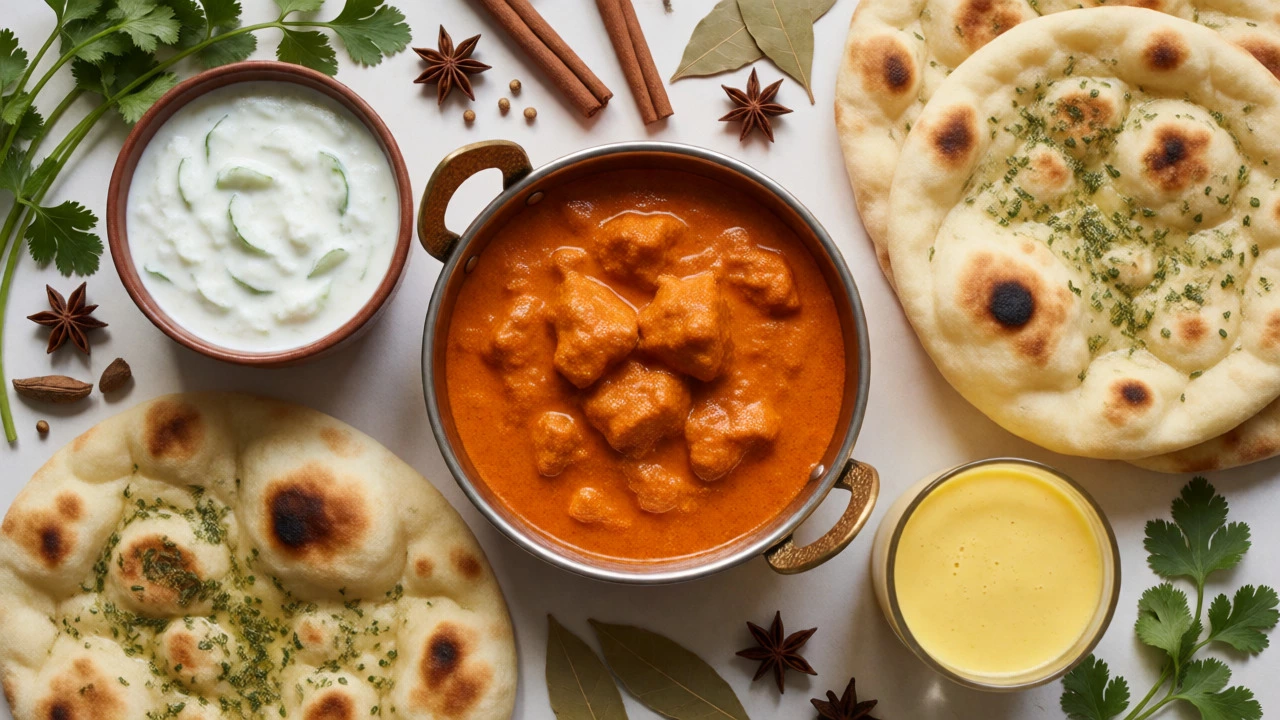
A king needs a court. Serving your Butter Chicken requires sides that complement its richness. Garlic Naan is the traditional choice because its chewy texture soaks up the thick gravy perfectly. If you prefer rice, go for Basmati rice prepared with whole spices like cardamom and cloves. Avoid plain white rice, which can feel too neutral against such a bold dish.
For beverages, pair with a mango lassi to cool the palate or a crisp lager to cleanse it. If you want to add variety to the meal, include a side of cucumber raita. Its cooling effect balances the warm spices and adds a textural contrast that elevates the entire dining experience.
Is Butter Chicken actually Indian?
Yes, Butter Chicken originated in Delhi, India, in the 1950s. It was created by Kundan Lal Gujral at Moti Mahal restaurant. He combined leftover tandoori chicken with a tomato-butter gravy to prevent the meat from drying out. While it has become incredibly popular globally, its roots are firmly planted in North Indian cuisine.
What is the difference between Butter Chicken and Chicken Tikka Masala?
The main difference lies in the gravy and origin. Butter Chicken uses a smoother, sweeter gravy based on tomato puree, butter, and cream. Chicken Tikka Masala typically has a chunkier, spicier gravy with more emphasis on the charred flavor of the grilled chicken pieces. Many experts believe Tikka Masala evolved from Butter Chicken after moving to the UK, adapting to local tastes.
Can I make the King of Curries vegan?
Absolutely. You can replace chicken with paneer, tofu, or cauliflower florets. For the dairy components, use plant-based butter and cashew cream or coconut milk instead of heavy cream. Cashew cream provides a similar richness and thickness to the gravy without using animal products. Ensure your spice blends do not contain hidden non-vegan additives.
Why is my curry bitter?
Bitterness usually comes from burning the garlic, ginger, or onions during the sautéing process. Alternatively, it can result from adding too much fenugreek powder or cooking the tomato paste for too long at high heat. To fix it, add a teaspoon of sugar or honey to balance the bitterness, and ensure you cook aromatics on low-medium heat until golden, not brown.
How long does Butter Chicken last in the fridge?
Properly stored in an airtight container, Butter Chicken lasts for 3 to 4 days in the refrigerator. It often tastes even better the next day as the flavors meld together. Reheat gently on the stove or in the microwave, adding a splash of water or cream if the gravy has thickened too much.