Dietary Identity Finder: India vs. Global
Select the items you include in your diet to find your classification according to the cultural standards discussed in the article.
Your Classification
The core of the logic: Life and Potential
Why the hard line at eggs? It comes down to how life is perceived. In many Indian households, an egg is viewed as a potential life. Even if the egg is unfertilized, the act of consuming it is seen as consuming an embryo. This connects deeply to the concept of Ahimsa, which is the ancient Indian principle of non-violence toward all living beings. If the goal is to avoid causing harm to a sentient being, eating an egg feels like a violation of that peace. You'll often hear people argue that while a cow provides milk freely without losing its life, an egg represents the beginning of a bird. For a strict vegetarian, the line isn't about whether the animal died to produce the food, but whether the food itself is a biological precursor to an animal.Religious roots and the influence of Dharma
This isn't just a random preference; it's woven into the fabric of spirituality. Hinduism, Jainism, and Buddhism all play massive roles in shaping these habits. In Jainism, for instance, the practice of non-violence is taken to an extreme level to avoid harming even the smallest organisms. This leads many Jains to avoid not just eggs and meat, but even root vegetables like onions and garlic, because harvesting them kills the plant entirely. In Hinduism, the concept of Sattvic diet is crucial. A Sattvic diet focuses on foods that are pure, light, and promote a calm, meditative mind. Meat and eggs are considered 'Rajasic' (stimulating) or 'Tamasic' (heavy/dull), which are believed to cloud the mind and ignite passion or anger. If you're trying to reach a higher state of consciousness through yoga or meditation, eggs are seen as a spiritual hurdle rather than a nutritional boost.The rise of the 'Eggitarian'
Times are changing, and the rigid boundaries are blurring in urban centers like Bangalore or Hyderabad. This has given birth to a unique social category: the Eggitarian. This is someone who doesn't eat meat (no chicken, no fish, no mutton) but does eat eggs. Why the shift? Often, it's a mix of fitness trends and global influence. With the rise of gym culture and high-protein diets, many young Indians have realized that eggs are an affordable, high-quality protein source. They might still identify as vegetarian in a social or familial context to avoid conflict, but they'll sneak an omelet into their breakfast routine. It's a middle ground-a way to bridge the gap between traditional purity and modern nutrition.| Diet Type | Dairy | Eggs | Meat/Fish | Common Context |
|---|---|---|---|---|
| Lacto-Vegetarian | Yes | No | No | Traditional Indian Veg |
| Ovo-Lacto Vegetarian | Yes | Yes | No | Standard Western Veg |
| Eggitarian | Yes | Yes | No | Modern Indian Urbanites |
| Vegan | No | No | No | Global Animal Rights |
Navigating social and family dynamics
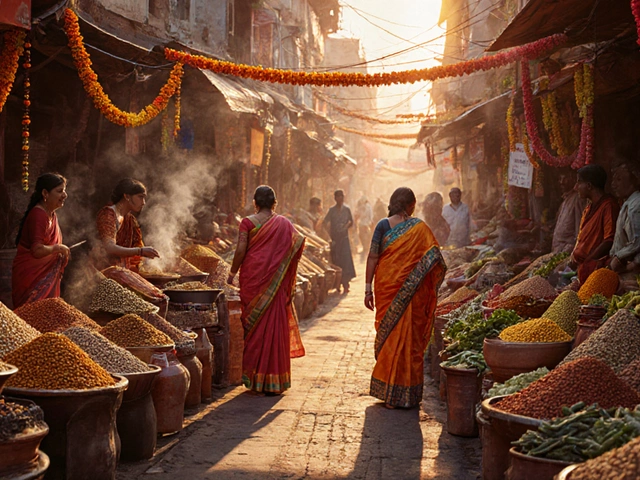
In India, food is more than just fuel; it's an identity. Eating eggs can sometimes be a point of contention within a family. You might find a household where the parents are strict vegetarians, but the children are eggitarians. This creates a funny, often secretive, dynamic where eggs are cooked in a separate pan or eaten outside the home. When you're dining with an Indian family, asking "Are you vegetarian?" isn't enough. You need to be specific. If someone says they are veg, the default assumption is always "no eggs." Bringing a dish with eggs to a vegetarian gathering can be seen as a major social faux pas, even if the guests are technically okay with eggs. It's about respecting the boundary of the host's kitchen, which is often considered a sacred space.The nutritional trade-off
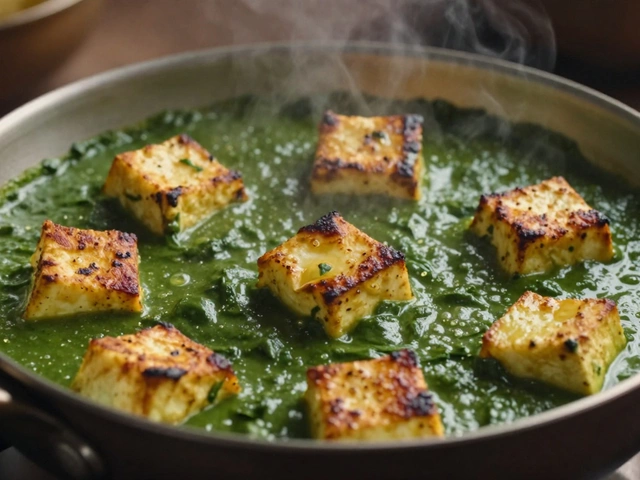
If you don't eat eggs or meat, where do you get your protein? This is the most common question people ask. The answer lies in the incredible variety of Vegetarian Recipes that dominate the Indian landscape. Paneer (a fresh acid-set cheese) is the go-to substitute for meat in many dishes. Then there are the lentils-Dal in all its forms-and legumes like chickpeas and kidney beans. When combined with rice or roti, these provide a complete amino acid profile. The sheer variety of plant-based proteins in an Indian diet means that the "missing" egg protein is usually covered by a combination of dairy and legumes.Practical tips for travelers and foodies
If you're visiting India or cooking for Indian friends, keep these rules of thumb in mind to avoid awkward moments:- Check the Symbol: Look for the small green dot in a green square on food packaging; that means it's 100% vegetarian (no eggs). A brown dot means it contains non-veg elements, including eggs.
- Ask About the Oil: Some strict vegetarians avoid foods cooked in animal fats or specific oils. While vegetable oil is standard, it's always a safe bet to ask.
- The "Egg-Free" Clarification: If you're at a bakery, always specify "eggless." Indian bakeries are masters of eggless cakes and cookies because the demand is so high.
- Respect the Kitchen: If a host says their kitchen is veg, avoid bringing in egg-based snacks, even if they've told you they personally eat eggs.
A shift toward a more inclusive table
As India continues to evolve, the conversation around eggs is becoming less about "sin" and more about "choice." The rise of veganism is also adding another layer to this. While traditional Indian diets were accidentally close to vegan (lots of grains and veg), the heavy reliance on ghee and curd means that true veganism is a newer, more conscious movement. Regardless of whether someone eats eggs or not, the core value remains the same: a deep respect for life and a conscious choice about what enters the body. Whether it's a strict Jain devotee or a gym-going eggitarian, the Indian approach to food is a fascinating blend of ancient wisdom and modern necessity. The next time you see a "veg" menu in an Indian restaurant, remember that you're looking at a legacy of non-violence and spiritual purity that spans thousands of years.Are eggs considered meat in India?
Yes, for most traditional Indian vegetarians, eggs are classified as non-vegetarian because they are seen as a potential life or embryo. This differs from Western definitions where eggs are often included in vegetarian diets.
What is an 'eggitarian'?
An eggitarian is a person who avoids meat and fish but includes eggs in their diet. This is a common middle-ground for many modern Indians who want more protein but still want to avoid eating animal flesh.
Why do some Indian vegetarians eat dairy but not eggs?
This is called lacto-vegetarianism. Dairy (like milk and ghee) is seen as a gift from the animal that doesn't require the animal to be killed or an embryo to be destroyed, whereas an egg is viewed as the start of a life.
How can I tell if a packaged food in India is egg-free?
Look for the veg/non-veg mark on the packaging. A green dot in a green square indicates the product is vegetarian (including egg-free). A brown or red dot in a square indicates it contains meat or eggs.
Do all Hindus avoid eggs?
No, not all Hindus avoid eggs. Dietary practices vary wildly by region, caste, and individual belief. While many avoid them for spiritual reasons (Sattvic diet), others incorporate them into their meals.
- Poplular Tags
- Indian vegetarianism
- eggs in India
- lacto-vegetarian
- eggitarian
- food culture