Paneer Texture Simulator
Adjust the variables below to see how they affect your homemade paneer's final texture. Aim for the "Soft & Spongy" zone!
Predicted Texture:
Awaiting SimulationAdjust the settings above and click "Simulate" to receive scientific feedback on your technique.
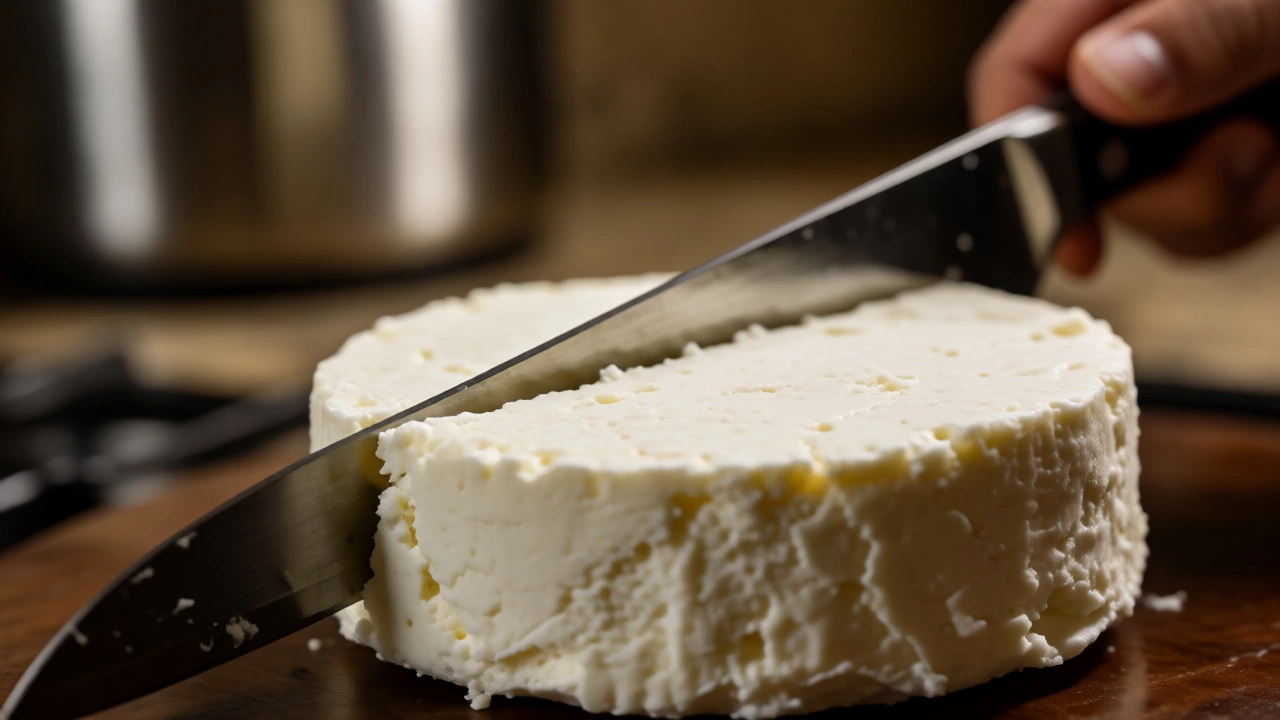
You open the fridge, pull out a block of homemade paneer, and it looks like a hockey puck. You slice into it, and your knife meets resistance that feels more like cutting wood than cheese. Sound familiar? It’s frustrating because store-bought paneer is soft, spongy, and ready to absorb curry flavors instantly. Your homemade version is dense, rubbery, and barely absorbs any masala.
Here is the truth: homemade paneer isn't hard because you did something wrong in terms of effort. It's hard because you likely ignored the chemistry of milk coagulation. Making paneer is less about cooking and more about controlling temperature and acidity. If you get these two variables right, you get cloud-like cubes. If you miss by even ten degrees or use the wrong acid ratio, you end up with rubber.
The Temperature Trap
Milk proteins behave differently at different temperatures. When you heat milk to make paneer, you are trying to denature the casein proteins so they can clump together when acid hits them. But there is a sweet spot.
If you boil the milk for too long, you evaporate too much water. This concentrates the solids too much before you even add the acid. The result? A dry, crumbly texture that feels gritty in your mouth. On the flip side, if you don't heat the milk enough (say, only to 80°C), the fats don't separate properly from the whey. The curds form loosely but trap too much moisture, leading to a mushy mess that falls apart when you try to press it.
The Rule of Thumb: Heat whole milk until it just comes to a rolling boil, then immediately turn off the heat. Do not let it simmer for five extra minutes "just to be safe." That safety margin is exactly what turns soft cheese into hard bricks.
Acid Choice Matters More Than You Think
Most recipes tell you to use lemon juice or vinegar. They treat them as interchangeable. They aren't.
| Coagulant | Flavor Profile | Texture Outcome | Control Level |
|---|---|---|---|
| Lemon Juice | Bright, citrusy | Slightly firmer, distinct tang | Medium (pH varies by fruit) |
| White Vinegar | Neutral, sharp | Softer, cleaner taste | High (consistent pH) |
| Yogurt/Curd | Tangy, creamy | Very soft, high moisture | Low (fermentation variance) |
Vinegar is often better for beginners because its acidity is consistent. Lemon juice varies depending on the season and the specific fruit. One lemon might need three tablespoons; another needs four. If you guess wrong, you either under-coagulate (soft) or over-acidify (tough). Over-acidification causes the protein bonds to tighten excessively, squeezing out every drop of moisture. That is why your paneer tastes sour and feels like chalk.
The Pressing Mistake
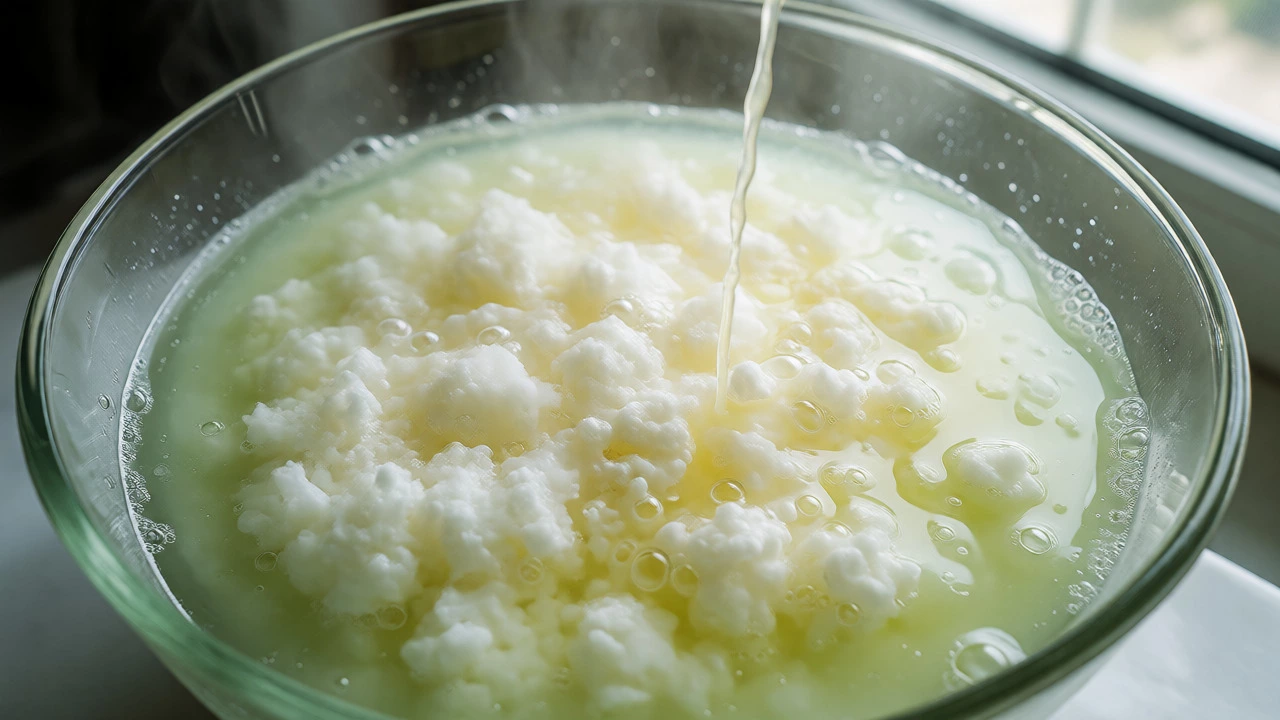
This is where most home cooks ruin their batch. Once the curds separate, you strain them through muslin cloth. Then, you hang it or weigh it down. Here is the problem: time equals hardness.
In commercial dairies, paneer is pressed for hours to remove moisture for shelf life. At home, you want fresh, soft paneer. If you leave your curds hanging for 30 minutes, they will become dense. If you put a heavy weight on top for an hour, you are essentially making cheddar, not paneer.
Pro Tip: For soft, spongy paneer, drain the curds for no more than 10-15 minutes. If you want it firmer for grilling later, press it lightly for 20 minutes max. Never squeeze the cloth manually with all your strength. Gentle pressure removes excess whey without crushing the delicate protein network.
Milk Quality Is Non-Negotiable
You cannot make good paneer from low-fat milk. Fat acts as a lubricant between protein strands. Without fat, the proteins bind tightly together, creating a tough matrix.
Use full-cream milk (at least 6% fat content). If you are using UHT (Ultra-High Temperature) milk, be careful. UHT processing has already partially denatured the proteins. While it works, it often yields a grainier texture compared to fresh pasteurized milk. If you live in Cape Town like I do, local fresh milk brands often produce softer results than imported UHT cartons. Always check the label for "full cream" or "whole milk." Skimmed milk will give you a rubbery, sad block every time.
The Cooling Shock Factor
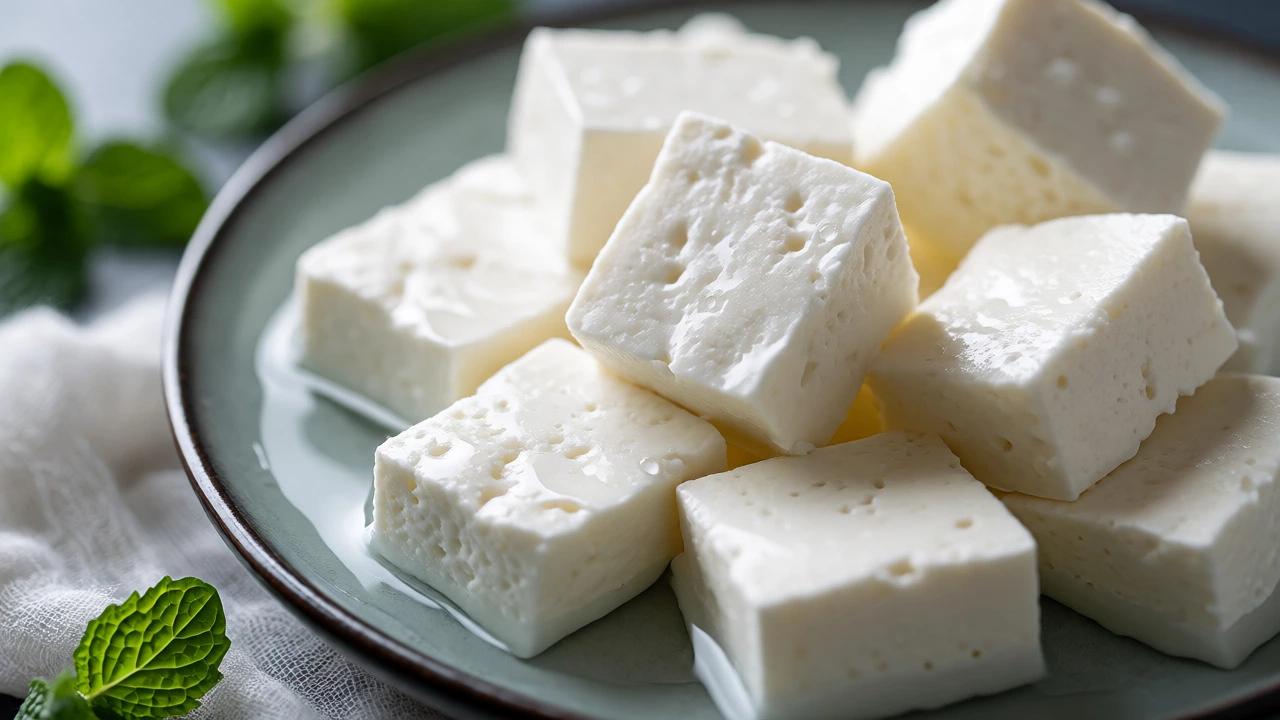
After draining, many people rush to cut the paneer. Don't. Hot paneer is fragile. Cold paneer is firm.
If you cut hot paneer, it shatters. If you refrigerate it immediately after pressing, the fats solidify rapidly, locking in a harder structure. For the best texture, let the block sit at room temperature for 15 minutes after removing the weight. This allows the internal structure to stabilize gently. If you need to store it, submerge the block in cold water. Water prevents the surface from drying out and forming a hard skin. Dry air is the enemy of soft paneer.
Troubleshooting Common Failures
- Gritty Texture: You boiled the milk too vigorously. Next time, stir constantly while heating to prevent scorching and uneven protein clumping.
- Rubbery Bite: You added too much acid or pressed it too long. Use less vinegar next time, adding it slowly until separation stops.
- Crumbly Curds: The milk wasn't hot enough when you added the acid. Ensure a full rolling boil before turning off the heat.
- Sour Taste: You didn't wash the curds. Rinse the strained curds under cold running water for 10 seconds to wash away residual acid and whey.
How to Save Hard Paneer
Did you already make a brick? Don't throw it away. You can soften it post-production.
- Cut the hard paneer into small cubes.
- Boil a pot of water with a pinch of salt and a teaspoon of baking soda.
- Add the paneer cubes and simmer for 5-7 minutes.
- Remove and soak in ice-cold water for 10 minutes.
The alkaline water breaks down some of the tight protein bonds, and the thermal shock rehydrates the outer layer. It won't be perfect, but it will be edible and significantly softer.
Can I make soft paneer with skimmed milk?
Technically yes, but it will never be truly soft. Skimmed milk lacks the fat globules that keep protein structures loose. The resulting paneer will always be denser and drier. For the best texture, stick to whole milk with at least 6% fat.
Why does my paneer taste like vinegar?
This happens when you add too much coagulant or fail to rinse the curds. After separating the curds, always rinse them under cold water for a few seconds. This washes away the acidic whey, leaving a neutral flavor profile suitable for both savory and sweet dishes.
How long should I hang the paneer?
For soft, fresh paneer, hang it for only 10-15 minutes. Hanging it longer extracts more moisture, leading to a firmer, denser block. If you plan to grill the paneer, you can hang it for up to 30 minutes, but for curries, shorter is better.
Is homemade paneer healthier than store-bought?
Yes, usually. Homemade paneer contains no preservatives, stabilizers, or added starches often found in commercial blocks to maintain shape. However, it also spoils faster, lasting only 2-3 days in the fridge compared to weeks for packaged versions.
What if my milk doesn't curdle?
If you've added enough acid and it still won't separate, the milk may have been adulterated with additives or was not heated sufficiently. Try adding a bit more boiling water to increase volume and heat distribution, or ensure the milk reached a vigorous boil before adding the coagulant.