Indian Sweet Explorer
Select a region to explore its signature sweets, consumption habits, and cultural context.
Click on a state button above to discover its famous sweets!
You might assume that the land of gulab jamun and jalebi sees equal sugar intake across all its states. But if you look at the numbers, a clear winner emerges. It isn’t Maharashtra with its massive population, nor is it Uttar Pradesh with its deep-rooted sweet traditions. The state that consumes the most sweets per capita in India is West Bengal.
This fact often surprises people from other regions. After all, Punjab is famous for its rich dairy culture, and Gujarat is known for its intricate shrikhand. Yet, when we break down consumption data by population size and cultural frequency, West Bengal takes the crown. Why does this happen? And what exactly are they eating so much of? Let’s unpack the sugar-coated truth behind India’s sweet tooth.
The Undisputed Champion: West Bengal
West Bengal doesn’t just eat sweets; it lives them. In Bengali households, offering mishti (sweets) is not reserved for festivals alone. It happens during birthdays, promotions, housewarmings, and even casual afternoon tea breaks. The sheer volume of consumption here is staggering compared to national averages.
According to various market research reports on the Indian confectionery industry, the eastern region, led by West Bengal, consistently shows higher per-capita spending on traditional sweets than any other zone. This isn’t just about festive spikes like Diwali or Durga Puja. It’s about daily integration. A typical Bengali day rarely goes by without some form of sugar-based indulgence, whether it’s a small piece of rosogolla after lunch or a box of sandesh gifted to neighbors.
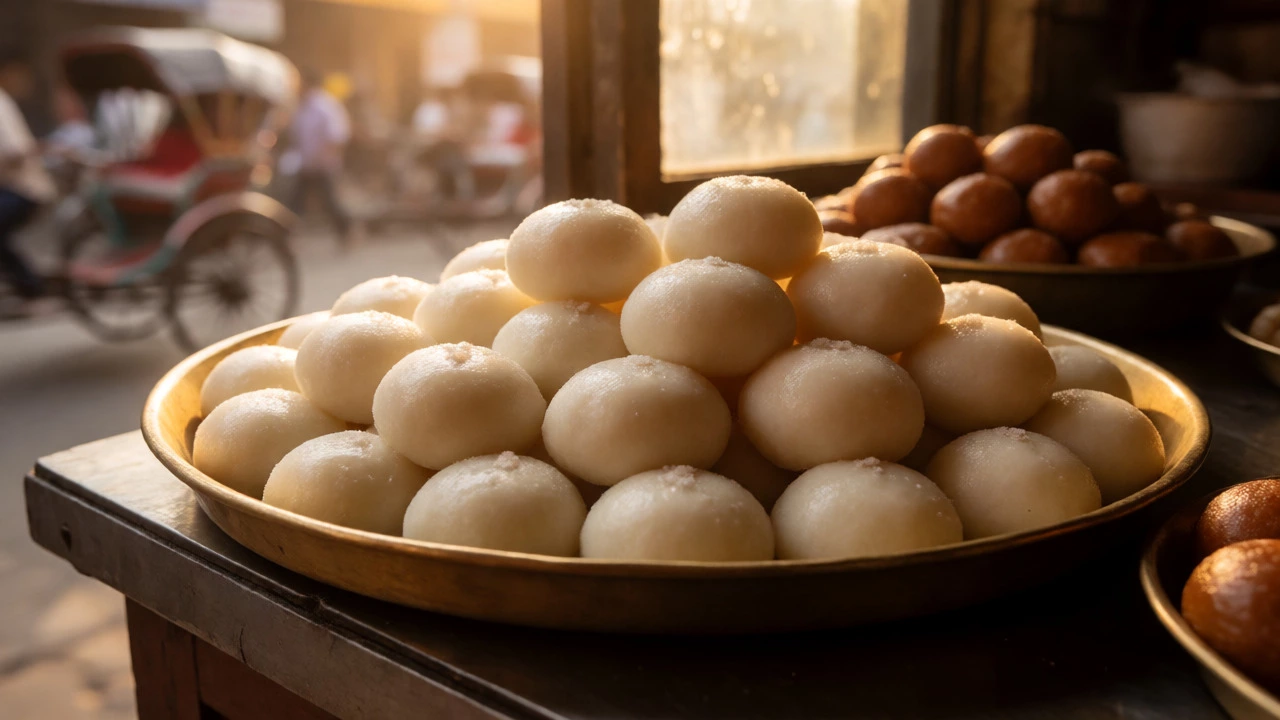
Mishti is a broad category of traditional Bengali confections primarily made from chhana (fresh cottage cheese), milk solids, and sugar syrup. Unlike many North Indian sweets that rely heavily on ghee and khoya, Mishti leans towards lighter, cheese-based textures that are less oily but equally sweet.
Why Does West Bengal Lead the Pack?
Culture drives consumption more than availability. In West Bengal, sweets are woven into the social fabric. Refusing a sweet offered by an elder can be seen as disrespectful. This social pressure creates a consistent demand loop that other states don’t experience quite as intensely.
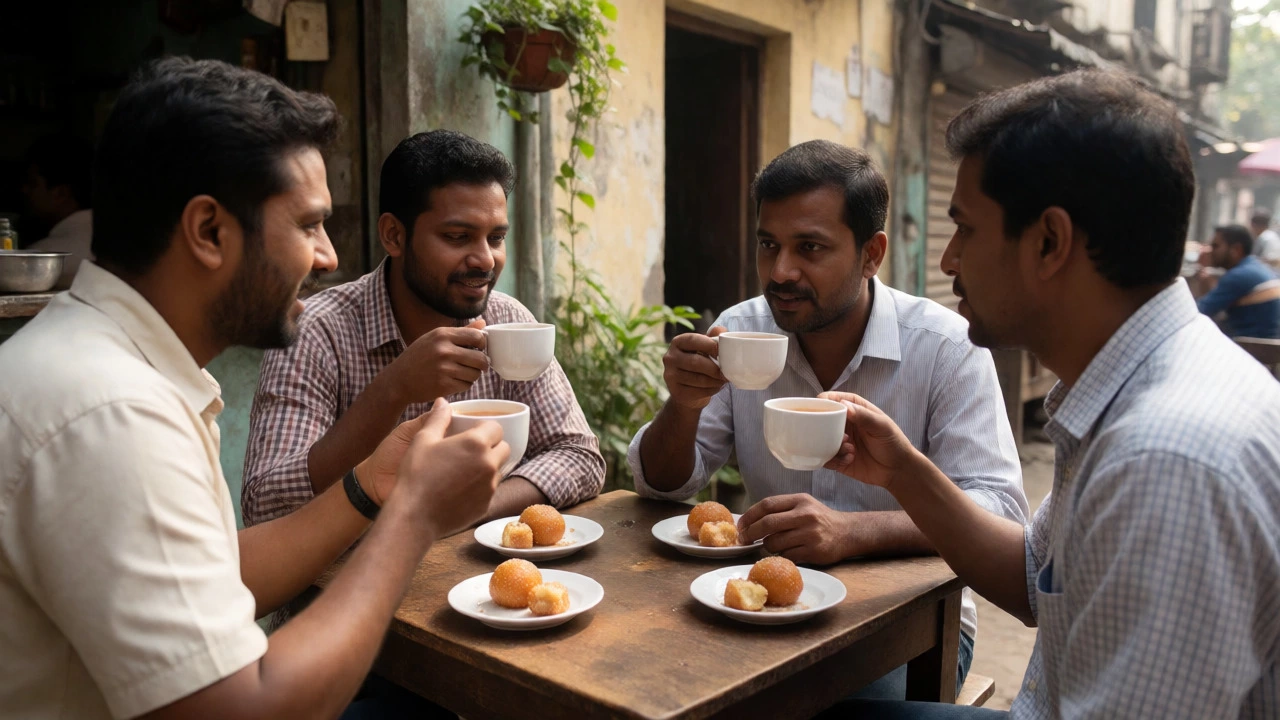
Consider the role of adda-the informal gatherings where friends sit around discussing politics, literature, and life. These sessions almost always involve tea and sweets. The combination of strong Darjeeling tea and light rosogolla is a staple ritual. This daily habit adds up significantly over a year.
Moreover, the climate plays a subtle role. While hot climates often reduce appetite, the humid heat of Kolkata makes people crave quick energy boosts. Sugar provides that instant hit. Additionally, the agricultural output of the region supports the dairy industry, ensuring a steady supply of fresh milk and chhana, the base ingredient for most Bengali sweets.
Regional Runners-Up: Who Else Is Hungry for Sugar?
While West Bengal holds the top spot for per-capita consumption, other states have their own strong claims based on volume and variety. If you travel west, you’ll find Gujarat giving tough competition. Gujaratis consume significant amounts of dhokla-adjacent sweets and heavy milk-based desserts like basundi. Their consumption is high because sweets are mandatory at almost every religious ceremony and family gathering.
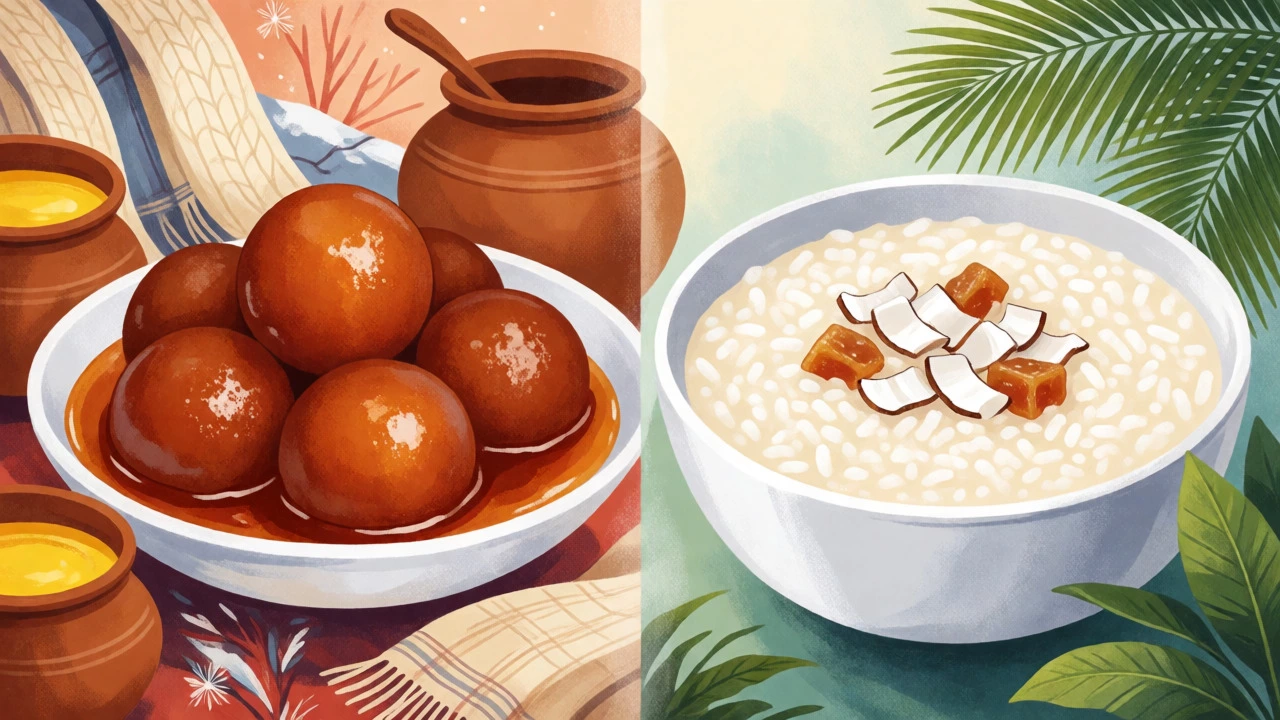
To the north, Punjab stands out. The Punjabi diet is rich in fats and sugars, partly due to the historical need for calorie-dense foods in colder winters. Gulab jamun here is larger, denser, and soaked in thicker syrup. However, while the portion sizes are bigger, the frequency of consumption outside of weddings and festivals might be slightly lower than in Bengal’s daily routine.
South India offers a different profile. States like Tamil Nadu and Karnataka prefer coconut and jaggery-based sweets like payasam and mysore pak. These are often less sugary than their northern counterparts, relying more on natural sweetness. Consequently, while the taste is beloved, the sheer tonnage of refined sugar consumed through sweets tends to be lower than in the east or north.
| State | Primary Sweet Base | Consumption Frequency | Cultural Context |
|---|---|---|---|
| West Bengal | Chhana (Cottage Cheese) | Daily & Festive | Social rituals, Adda culture |
| Punjab | Khoya & Ghee | Festive & Social | Weddings, Winter energy needs |
| Gujarat | Milk Solids & Flour | High (Ceremonial) | Religious offerings, Family gatherings |
| Tamil Nadu | Rice, Jaggery, Coconut | Occasional | Temple Prasadam, Festivals |
The Science Behind the Sweet Tooth
Is it just culture, or is there biology at play? Some researchers suggest that genetic predispositions to sweet taste receptors vary across populations. However, environmental factors dominate the picture in India. Early exposure matters. Children in West Bengal are introduced to mishti very young, often before age two. This early palatability training sets a lifelong preference.
In contrast, children in parts of South India might grow up with savory tamarind flavors dominating their palate earlier. By the time they encounter heavy syrups, their preference may already be skewed toward tangy or spicy notes. This developmental difference explains why a Bengali adult might find a Mysore Pak too dry or a Punjabi Gulab Jamun too heavy, while vice versa feels unnatural.
Economic accessibility also fuels consumption. In West Bengal, local sweet shops are ubiquitous. You can buy a single piece of rosogolla for pocket change. This low barrier to entry encourages frequent, small purchases rather than occasional large boxes. Compare this to premium artisanal sweets in metros like Mumbai or Delhi, where cost might limit daily indulgence.
Health Implications and Modern Shifts
With high consumption comes health scrutiny. Diabetes rates in urban West Bengal are among the highest in India. Doctors frequently cite excessive sugar intake from traditional sweets as a contributing factor. The shift from homemade chhana to store-bought versions laden with preservatives and refined sugar has exacerbated this issue.
However, a counter-trend is emerging. Health-conscious consumers in Kolkata are now seeking alternatives. We see a rise in stevia-sweetened sandesh and low-fat milk-based options. Yet, for many, the joy of tradition outweighs the calorie count. The emotional comfort associated with these sweets remains a powerful driver that pure nutrition science cannot easily override.
If you’re planning to explore Indian sweets beyond your home state, start with the classics from the top-consuming regions. Try authentic rosogolla from a licensed sweet shop in Kolkata rather than a packaged version. Notice the texture-it should yield gently, not bounce back rubber-like. That softness indicates fresh chhana, which is key to the authentic experience.
Which specific sweet is most popular in West Bengal?
The Rosogolla is arguably the most iconic and widely consumed sweet in West Bengal. It consists of spongy balls of chhana soaked in light sugar syrup. Other highly popular varieties include Sandesh (made from kneaded chhana) and Rasgulla variants like Chhanar Roshogolla.
Do people in South India eat fewer sweets than those in the North?
Generally, yes, in terms of frequency and quantity of refined sugar-based sweets. Southern Indian sweets often use jaggery, coconut, and rice flour, which provide sweetness but differ in texture and intensity. Consumption is typically tied more strictly to festivals and temple offerings rather than daily snacking.
Why are Bengali sweets considered healthier than others?
They aren't necessarily "healthy," but they are often perceived as lighter. Many Bengali sweets are based on chhana (cottage cheese) and water-based syrups rather than being fried in ghee or loaded with khoya (milk solids). This results in a lower fat content compared to many North Indian sweets like Gulab Jamun or Motichoor Ladoo.
Does climate affect sweet consumption in India?
Yes, indirectly. Hotter climates often drive cravings for cooling, hydrating sweets like Rosogolla or Falooda. Colder regions like Punjab historically favored calorie-dense, fatty sweets to provide warmth and energy. Humidity in Bengal also preserves the freshness of milk-based products better than in arid zones, supporting daily production.
Are Indian sweets getting healthier over time?
There is a growing segment of the market focusing on health. Brands are introducing organic milk, reduced sugar, and alternative sweeteners like stevia or dates. However, traditional recipes remain dominant in homes and major festivals, meaning the overall average sugar intake hasn't dropped drastically yet.