Indian Street Food Regional Showdown
Can't decide where to eat? Use this tool to find the perfect street food destination based on your current mood, budget, and health priorities.
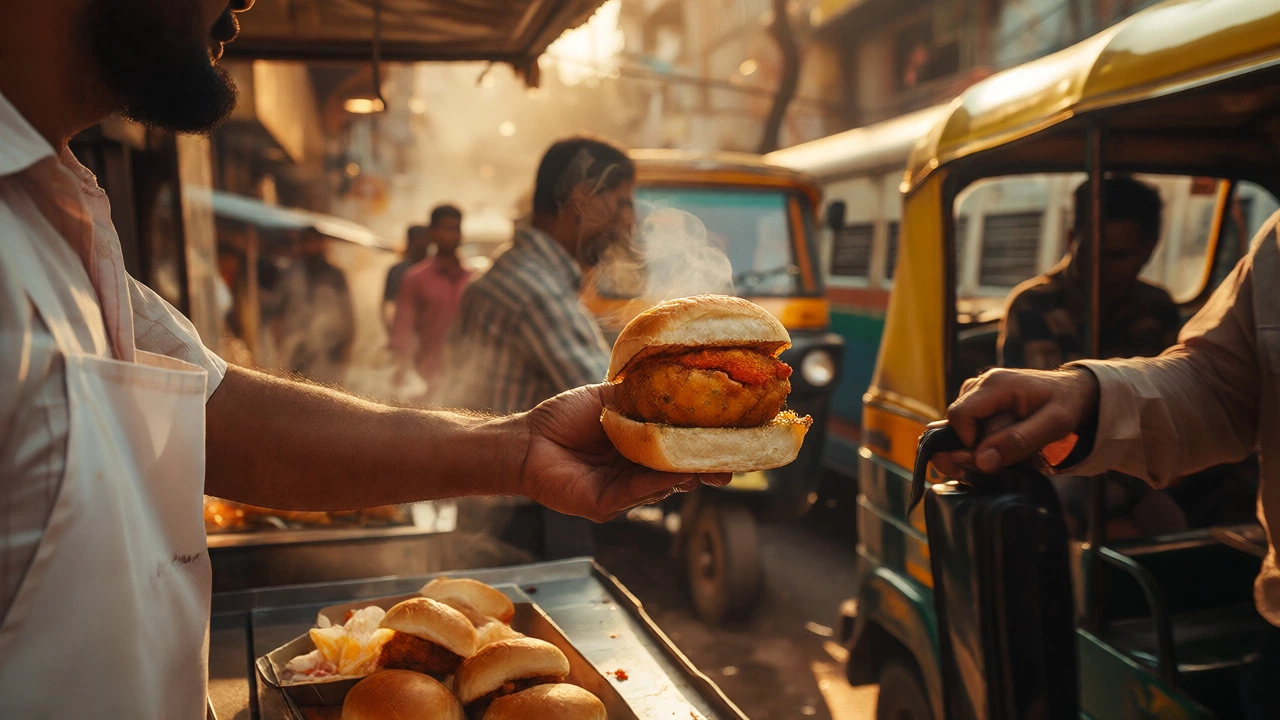
Vada Pav
The "Indian Burger". Spicy potato fritter in a bun.
₹15 - ₹20Pav Bhaji
Buttery mashed vegetables with crispy bread.
₹40 - ₹80Hygiene Note: Medium risk. Stick to high-turnover stalls near train stations.
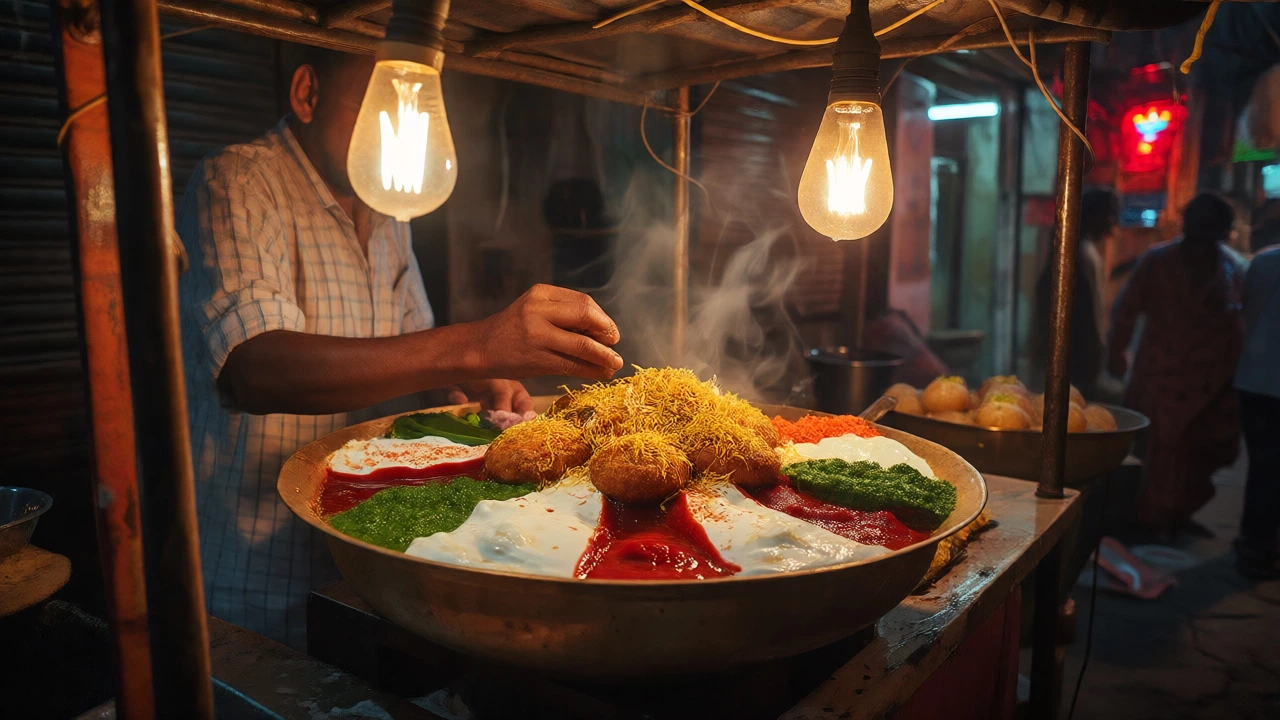
Aloo Tikki Chaat
Layers of tamarind, mint, yogurt, and sev.
₹30 - ₹60Golgappe / Pani Puri
Hollow shells filled with spicy water and fillings.
₹20 - ₹40Hygiene Note: High risk. Look for cooked/fried items; avoid raw chutneys if unsure about water quality.
Puchka
Soft shell with chickpea-potato filling and tamarind water.
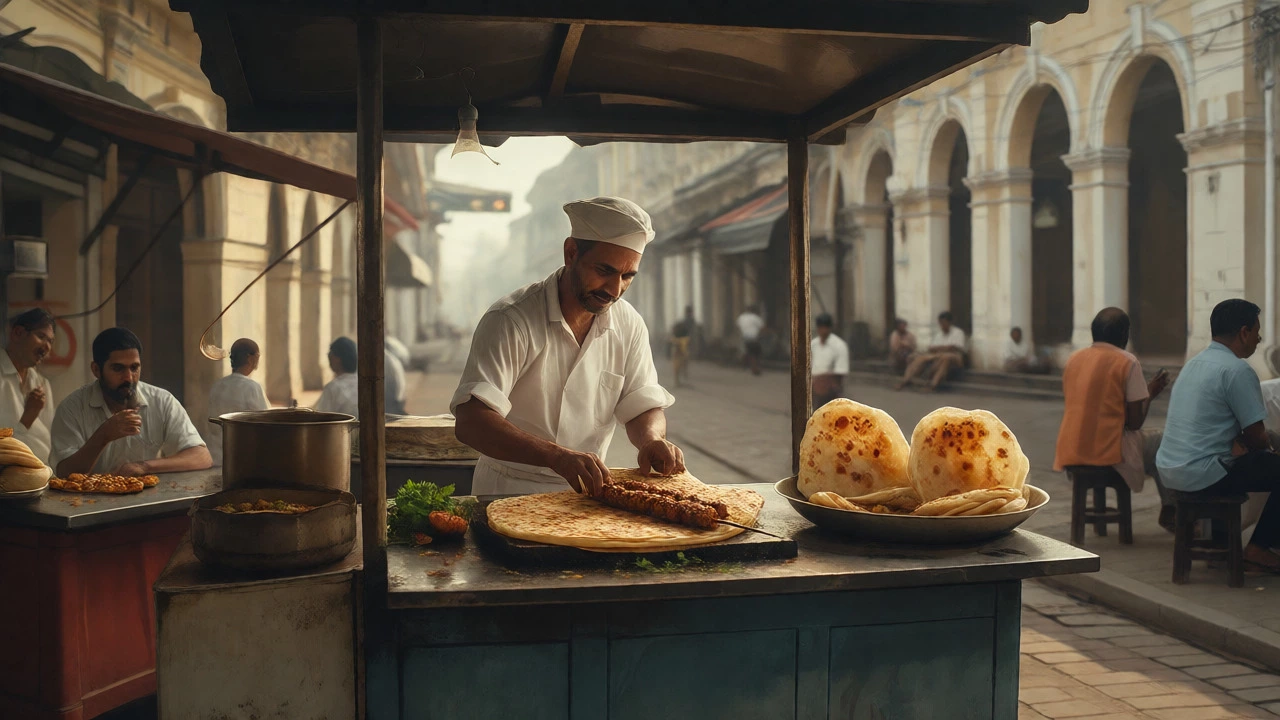
₹20 - ₹40Kathi Roll
Kebabs wrapped in paratha. Born in Park Street.
₹50 - ₹90Mysore Masala Dosa
Crispy rice crepe with spicy potato filling.
₹40 - ₹80Idli & Filter Coffee
Steamed rice cakes with strong, frothy coffee.
₹30 - ₹60Hygiene Note: Low risk. Established chains maintain high standards.
Pyaaz Kachori
Deep-fried pastry stuffed with spiced onions.
₹25 - ₹50Lassi
Thick, creamy yogurt drink. Often served in clay pots.
₹20 - ₹40Note: Expect heavier, ghee-rich dishes that sustain energy for long days.
You ask a friend from Delhi, and they’ll swear by their chaat. You ask someone from Mumbai, and they get defensive about their vada pav. Then there’s the person from Hyderabad who thinks nothing else matters but biryani (even if it’s technically a meal). Trying to pick one winner in the battle of "which Indian state has the best street food" is like trying to pick your favorite child. It’s messy, emotional, and highly subjective.
But here’s the thing: street food isn’t just about taste. It’s about accessibility, hygiene standards, variety, spice levels, and how late into the night you can still find something hot and fresh on the sidewalk. If we break it down region by region, looking at what each state actually brings to the pavement, a clearer picture emerges. Let’s cut through the nostalgia and look at the data, the dishes, and the vibe.
The Case for Maharashtra: The King of Convenience
If we’re talking about sheer volume and ubiquity, Maharashtra wins. Specifically, Mumbai. Why? Because Mumbai is built on speed. The city runs on time, and its street food reflects that. The star here is the Vada Pav, often called the "Indian Burger." It’s cheap, it’s filling, and it’s everywhere. You can grab one for ₹15-₹20 while waiting for a local train. But don’t stop there. Think about Pav Bhaji, the buttery mash served with crispy bread, or Bhel Puri, a dry snack that’s perfect for walking around. The genius of Maharashtrian street food is its portability. You can eat it standing up, sitting on a curb, or even in a moving auto-rickshaw. The flavor profile is balanced-spicy but not overwhelming, tangy but not sour enough to make you wince. For the busy urbanite, this is the gold standard.
Delhi: The Chaat Capital of the World
If Maharashtra is about convenience, Delhi is about intensity. Delhi doesn’t do subtle. When you bite into a Aloo Tikki from Chandni Chowk, you’re hitting layers of tamarind, mint, yogurt, sev, and spices all at once. The Chaat culture here is unmatched. We aren’t just talking about snacks; we’re talking about an entire culinary sub-genre dedicated to mixing textures and flavors in a single bowl. From Dahi Bhalla to Golgappe (or Pani Puri), the variety is staggering. Plus, Delhi stays awake. You can find open stalls serving hot parathas and jalebis at 2 AM during winter. The downside? Hygiene can be a gamble, and the spice level can knock you over if you aren’t used to it. But for pure flavor impact, Delhi is hard to beat.
Kolkata: The Sweet and Savory Balance
People underestimate Kolkata. They think it’s just about sweets. Sure, the Rosogolla is famous, but the street food scene is deeply savory too. The Puchka here is distinct from the rest of India. It uses a potato mixture that includes boiled chickpeas and sometimes radish, making it crunchier and more substantial than the hollow shells found elsewhere. Then there’s Kathi Rolls, born in Park Street. Wrapping kebabs in paratha was a revolutionary move that spread across the country. What makes Kolkata special is the fusion. You’ll find Chinese-Bengali street food like Manchurian sold alongside traditional Bengali snacks. The atmosphere is intellectual and relaxed. You sit, you talk, you eat slowly. It’s less about rushing and more about savoring the cultural mix.
Uttar Pradesh & Rajasthan: The Hearty North
Move away from the metros, and you hit the heartland. In Uttar Pradesh, specifically Varanasi, you have Kachori Sabzi and Lassi so thick it needs a spoon. The food here is heavy, designed to sustain you through long days. Rajasthan takes it further with Pyaaz Kachori and Laal Maas served in small portions. The use of ghee and dried fruits in street snacks gives them a richness that other regions lack. However, the heat in Rajasthan is real, both climatically and culinarily. If you’re looking for comfort food that sticks to your ribs, this is your zone. It’s less trendy, more traditional, and deeply rooted in local agriculture.
The South: Idli, Dosa, and Beyond
Southern India gets overlooked in these debates because their food is often seen as "breakfast" or "restaurant fare." But walk through Chennai or Bangalore, and you’ll see thousands of tiny stalls serving Idli and Dosa on banana leaves. The South Indian Filter Coffee paired with a crisp Mysore Masala Dosa is a complete experience. Kerala adds its own twist with Puttu and Kadala Curry, a steamed rice cake with black chickpea curry that’s incredibly healthy yet satisfying. The advantage here? Health consciousness. Southern street food is generally lighter, less oily, and vegetarian-friendly. If you want to eat street food without feeling sluggish afterward, head south. The hygiene standards in established chains like Saravana Bhavan outlets also set a high bar.
| State/City | Signature Dish | Price Range (Approx) | Best For | Hygiene Risk |
|---|---|---|---|---|
| Maharashtra (Mumbai) | Vada Pav, Pav Bhaji | ₹20 - ₹80 | Speed & Portability | Medium |
| Delhi | Chaat, Parathas | ₹30 - ₹100 | Flavor Intensity | High |
| West Bengal (Kolkata) | Puchka, Kathi Roll | ₹20 - ₹90 | Fusion & Atmosphere | Medium |
| Tamil Nadu (Chennai) | Dosa, Idli | ₹30 - ₹120 | Health & Consistency | Low |
| Rajasthan (Jaipur) | Kachori, Lassi | ₹25 - ₹70 | Richness & Tradition | Medium |
So, Who Wins?
There is no objective winner. If you value speed and low cost, Maharashtra takes the crown. If you crave explosive flavors and don’t mind a bit of risk, Delhi is your place. If you want a relaxed, culturally rich experience with unique fusions, go to Kolkata. And if you prioritize health and consistency, the South is unbeatable.
The truth is, the "best" street food depends on what you need at that moment. Hungry after work? Mumbai. Bored on a weekend night? Delhi. Wanting a cultural deep dive? Kolkata. The beauty of Indian street food is that every state offers a different solution to the same problem: feeding people quickly, deliciously, and affordably.
Frequently Asked Questions
Is Delhi street food safe to eat?
It depends on the stall. Look for places with high turnover where food is cooked fresh in front of you. Avoid pre-cut fruits or raw salads if water quality is a concern. Stick to cooked items like parathas or fried snacks for lower risk.
What is the most affordable street food in India?
Vada Pav in Mumbai and Samosas in many northern states are among the cheapest, often costing between ₹10 and ₹20. These provide significant calories for minimal money, making them staples for daily workers.
Why is Kolkata's Puchka different from Golgappa?
Kolkata's Puchka uses a larger, softer shell filled with a spicy potato-chickpea mixture and tamarind water. Other regions typically use smaller, crispier hollow shells filled with boiled potatoes and chutneys. The preparation and eating style differ significantly.
Which state has the spiciest street food?
Andhra Pradesh and Telangana are known for high spice levels, especially in dishes like Mirchi Bajji. However, Delhi's chaats can also be intensely spicy due to heavy use of red chili powder and green chilies. Rajasthan's Laal Maas-based snacks are also very hot.
Can I find vegetarian street food easily in all states?
Yes, India is largely vegetarian-friendly. Gujarat, Rajasthan, and Tamil Nadu have particularly high availability of purely vegetarian street options. Even in non-vegetarian hubs like Kolkata or Hyderabad, vegetarian stalls are common.