Biryani Masala Substitute Checker
Select the spices you have in your kitchen to see how close you are to authentic Biryani flavor and get advice on what to add or skip.
Substitute Potential
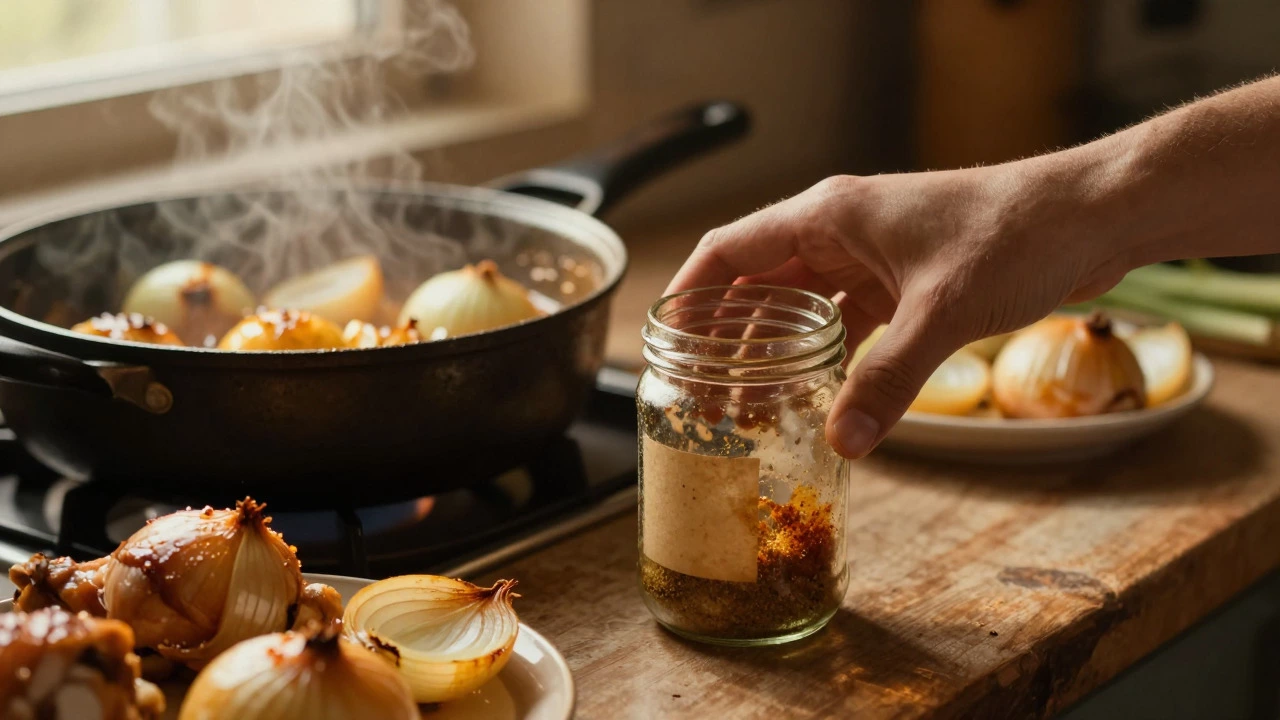
0%You’re standing in your kitchen, onions caramelizing to a perfect golden brown, chicken marinating in yogurt and lemon, and then it hits you. You reach for that jar of Biryani Masala and realize it’s empty. Or worse, you never bought it because you’ve always made curries with loose spices. Panic sets in. Do you run to the store? Do you give up on the aroma that defines this dish?
Here is the truth: Biryani Masala isn’t a single magical ingredient that exists only in one specific brand’s jar. It is simply a curated blend of whole spices ground together or used whole during the cooking process. If you have basic pantry staples, you can replicate the flavor profile almost perfectly. In fact, many traditional chefs argue that using fresh, individual spices yields a brighter, more complex taste than any pre-mixed powder.
The Core Flavor Profile of Biryani
To find a good substitute, you first need to understand what makes biryani taste like biryani. It isn’t just "spicy." It’s aromatic, warm, slightly sweet, and deeply savory. The backbone of most regional variations-from Hyderabadi to Lucknowi-relies on a few key players:
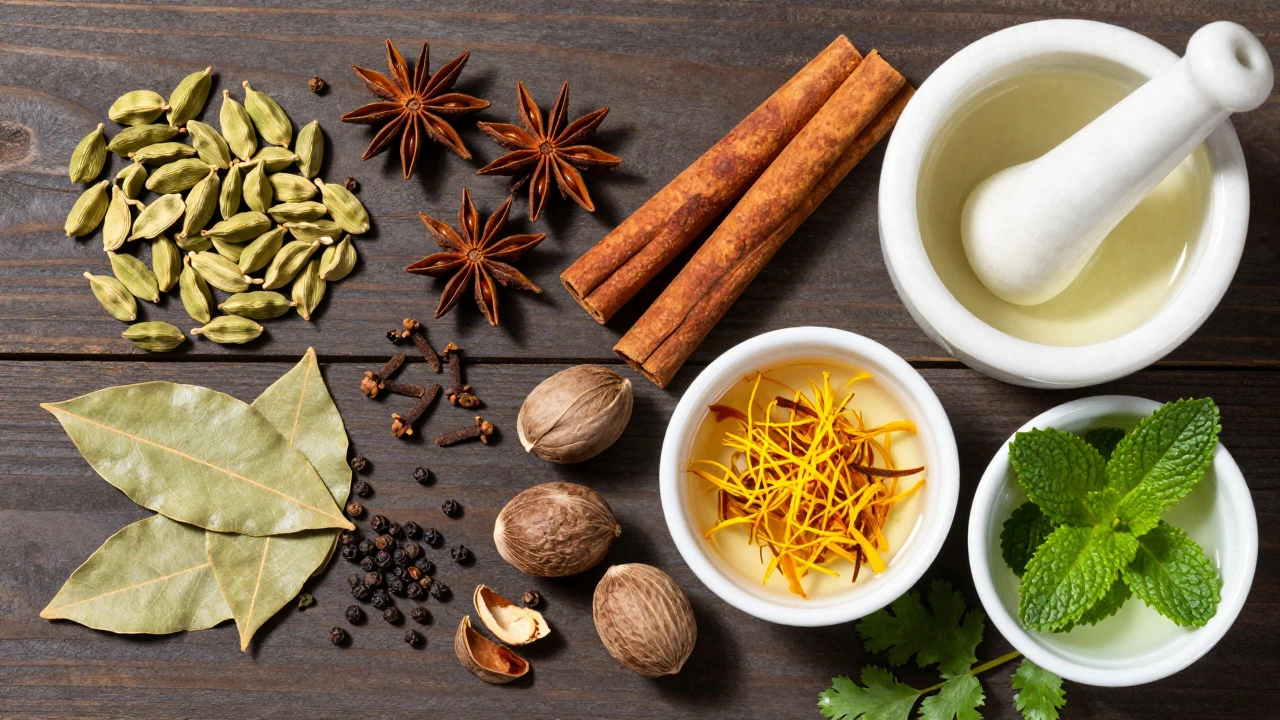
- Warmth: Cinnamon, cardamom, and cloves provide the woody, sweet heat.
- Aroma: Bay leaves and star anise add a subtle, perfumed note.
- Heat: Black pepper and green chilies (not just red chili powder) bring the kick.
- Depth: Nutmeg and mace offer a nutty, earthy undertone that ties everything together.
If you miss one of these, the dish still tastes like curry. If you miss them all, it tastes like plain rice with meat. The goal of a substitute is to hit at least three of these four notes.
Garam Masala: The Closest Shortcut
The most common question home cooks ask is, "Can I use Garam Masala instead of Biryani Masala?" The short answer is yes, but with caveats. Garam Masala is a "warm spice" blend, which overlaps significantly with Biryani Masala. However, standard commercial Garam Masala often lacks the specific floral notes of rose water or kewra water, and it usually contains cumin and coriander, which are less prominent in authentic Biryani mixes.
| Feature | Biryani Masala | Garam Masala |
|---|---|---|
| Primary Base | Whole Spices (Cardamom, Cloves, Cinnamon) | Cumin, Coriander, plus Warm Spices |
| Heat Level | Moderate (often includes black pepper/chili) | Low to Moderate |
| Aromatic Notes | High (Nutmeg, Mace, Star Anise) | Moderate |
| Best Use | Rice dishes, layered meats | Curry gravies, finishing touch |
If you only have Garam Masala, use it, but boost the aroma. Add a pinch of extra ground cinnamon and a few crushed green cardamom pods directly into the oil when you start cooking. This bridges the gap between a generic curry powder and the distinct scent of a pot of Biryani.
DIY Biryani Masala Mix
If you want to make a substitute that feels intentional rather than accidental, mixing your own blend takes two minutes. You don’t need a grinder; you can crush whole spices with a mortar and pestle or even the back of a heavy spoon. Here is a reliable ratio for a small batch (enough for 1 kg of meat/rice):
- 4 Green Cardamom Pods: Crushed lightly. These are non-negotiable for that signature smell.
- 3-4 Cloves: Adds depth and slight bitterness that balances sweetness.
- 1-inch Cinnamon Stick: Broken into pieces. Cassia bark works best here.
- 1 Bay Leaf: Tear it in half to release oils.
- 1/2 teaspoon Black Peppercorns: Provides the sharp heat different from chili powder.
- A pinch of Nutmeg or Mace: If you have it. This is the secret weapon.
Toss these whole spices into hot oil before adding your onions. They will bloom and infuse the fat, creating a base that mimics the complexity of a commercial mix without the fillers or anti-caking agents found in jars.
Regional Variations Matter
Not all Biryani Masalas are created equal. If you are trying to replicate a specific style, your substitute should reflect that region. A Hyderabadi Dum Biryani relies heavily on saffron and mint, while a Kolkata Biryani features potatoes and a lighter, sweeter spice profile dominated by mace.
For a North Indian style, lean into the warmth. Increase the cinnamon and clove quantity. For a South Indian style, consider adding a dried red chili or a splash of coconut milk if the recipe allows, though strictly speaking, the spice blend remains similar. The difference lies in the technique (dum cooking vs. boiling) more than the powder itself.
What About Curry Powder?
Many beginners reach for generic yellow Curry Powder. Stop. While it contains turmeric, cumin, and coriander, it rarely contains the expensive aromatics like cardamom and cloves in significant quantities. Using Curry Powder as a direct substitute will result in a dish that looks yellow and tastes earthy, but lacks the perfume of Biryani.
If you must use Curry Powder, treat it as a base, not the finish. Use half the amount called for in the recipe, and supplement it with fresh ginger-garlic paste and a handful of fried onions. The freshness of the aromatics will help mask the lack of specialized spices.
Fresh Herbs and Liquids as Flavor Boosters
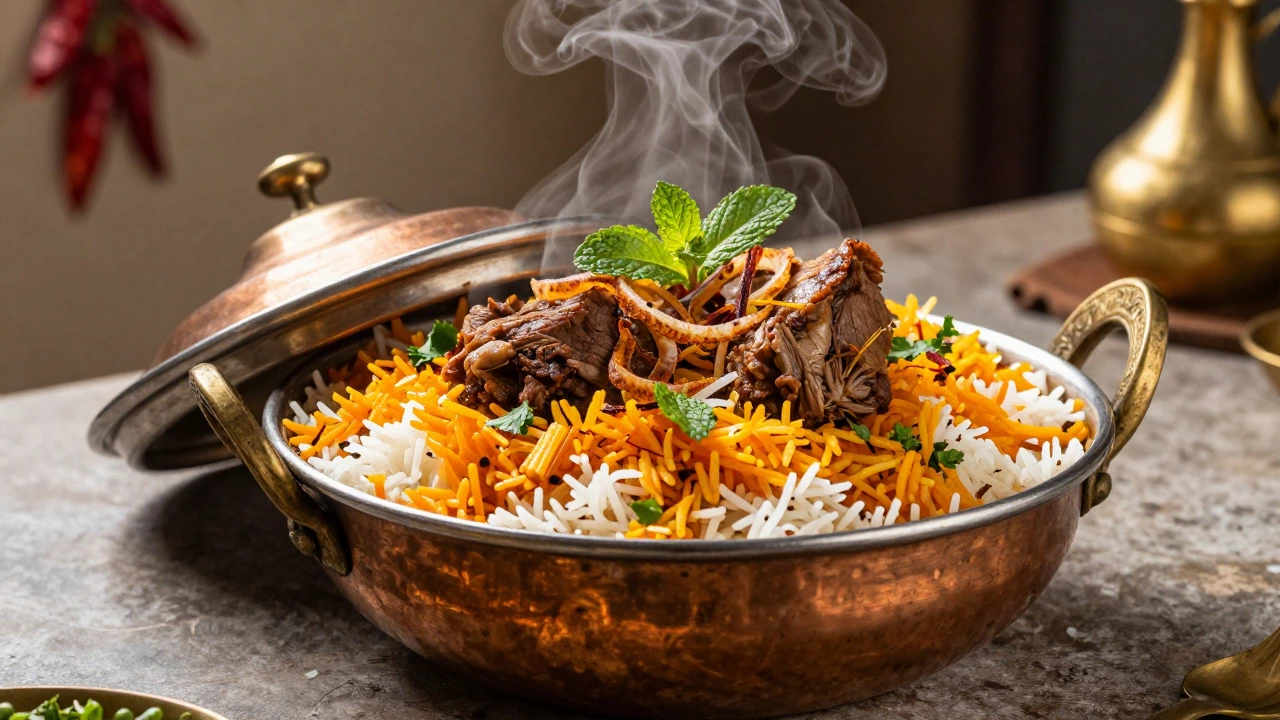
Since you are missing the concentrated spice blend, you can compensate with other elements that carry flavor. Biryani gets much of its character from ingredients added during the final steaming phase (dum). Don’t neglect these:
- Saffron Milk: Soak a few strands of saffron in warm milk. Drizzle this over the rice layers. It adds color and a metallic-honey aroma that no dry spice can fully replicate.
- Fresh Mint and Cilantro: Chopped roughly and layered between rice and meat. This cuts through the richness of the ghee and spices.
- Kewra Water or Rose Water: Just a teaspoon. These floral waters are traditional secrets in Awadhi cuisine. If you skip the spice jar, these liquids can elevate the dish from "good curry" to "authentic experience."
These additions work synergistically with whatever spice substitute you choose. They provide the top notes that the missing masala would have contributed.
Pitfalls to Avoid
When improvising, there are a few traps that can ruin the balance. First, do not overdo the chili. Commercial Biryani Masala often has a controlled heat level. If you try to match the "kick" with extra chili powder, you might burn the palate before you taste the cardamom. Use black pepper for heat and chili for color.
Second, avoid using pre-ground nutmeg in large quantities. It turns soapy quickly. Freshly grated is better, or stick to a tiny pinch. Third, don’t forget the salt balance. Spice blends often contain salt. If you are making your own mix or using pure spices, remember to adjust your seasoning accordingly.
Final Thoughts on Substitution
Cooking is about adaptation. Running out of Biryani Masala isn’t a failure; it’s an opportunity to control the flavor profile. By focusing on the core aromatics-cardamom, cinnamon, and cloves-you can create a dish that is arguably fresher and more vibrant than one made with a six-month-old jar of powder. Keep a small stash of whole spices in your pantry, and you’ll never be truly stuck again.
Can I use curry powder instead of biryani masala?
You can, but it won't taste exactly right. Curry powder lacks the high concentration of cardamom, cloves, and cinnamon that define biryani. To improve it, add extra whole spices like bay leaves and cardamom pods during cooking, and use fresh herbs like mint and cilantro to boost the aroma.
Is garam masala the same as biryani masala?
No, they are different. Garam masala typically includes cumin and coriander and is added towards the end of cooking. Biryani masala focuses on whole warm spices (cloves, cinnamon, cardamom) and is often used earlier to infuse oil. Garam masala is a decent substitute if you add extra aromatic spices, but it's not identical.
How do I make my own biryani masala at home?
Mix equal parts of crushed green cardamom, cloves, and broken cinnamon sticks. Add a smaller amount of black peppercorns and a pinch of nutmeg or mace. Toss these whole or coarsely ground spices into hot oil before adding onions to release their flavors.
What gives biryani its unique smell?
The unique smell comes from a combination of green cardamom, saffron, kewra water (screw pine water), and the slow-cooking method known as dum. While spices provide the base, the floral notes from kewra and saffron are critical for the authentic aroma.
Can I skip the masala entirely?
Yes, if you use whole spices individually. Many traditional recipes call for frying whole cloves, cardamom, cinnamon, and bay leaves in ghee at the start. This method often produces a cleaner, more distinct flavor than using a pre-ground powder.