Roti & Chapati Nutrition Calculator
You stand in the kitchen, flour dusting your hands, wondering if there is a hidden nutritional advantage to one type of flatbread over the other. You have heard people debate it for years. Some swear that roti is the superior choice for weight loss, while others claim chapati is gentler on the stomach. It is a common confusion, especially for those navigating traditional diets or trying to manage blood sugar levels. The truth might surprise you because, in most households, they are actually the same thing.
The confusion stems from regional dialects and slight variations in preparation techniques rather than fundamental differences in ingredients. To understand which is healthier, we need to strip away the cultural myths and look at the science of digestion, glycemic index, and fiber content. Whether you are in Cape Town baking with imported whole wheat flour or in Mumbai using locally milled atta, the core principles remain the same.
Defining the Terms: What Are We Actually Eating?
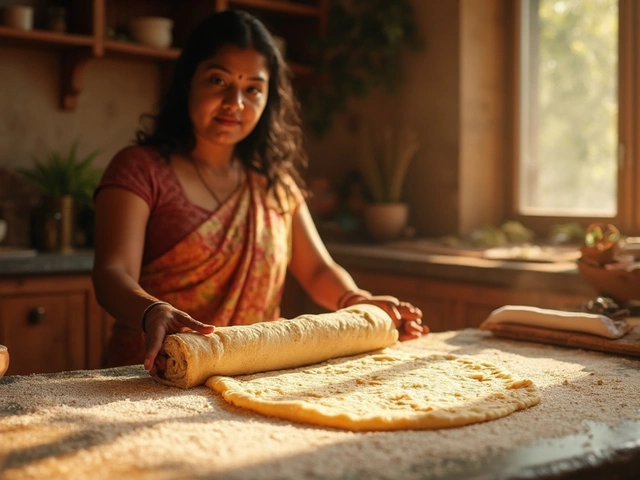
First, let us clear up the terminology. In many parts of India, particularly North India, the terms roti and chapati are used interchangeably. They both refer to an unleavened flatbread made from whole wheat flour (atta), water, and sometimes a pinch of salt or a drizzle of oil.
However, subtle distinctions exist depending on who you ask:
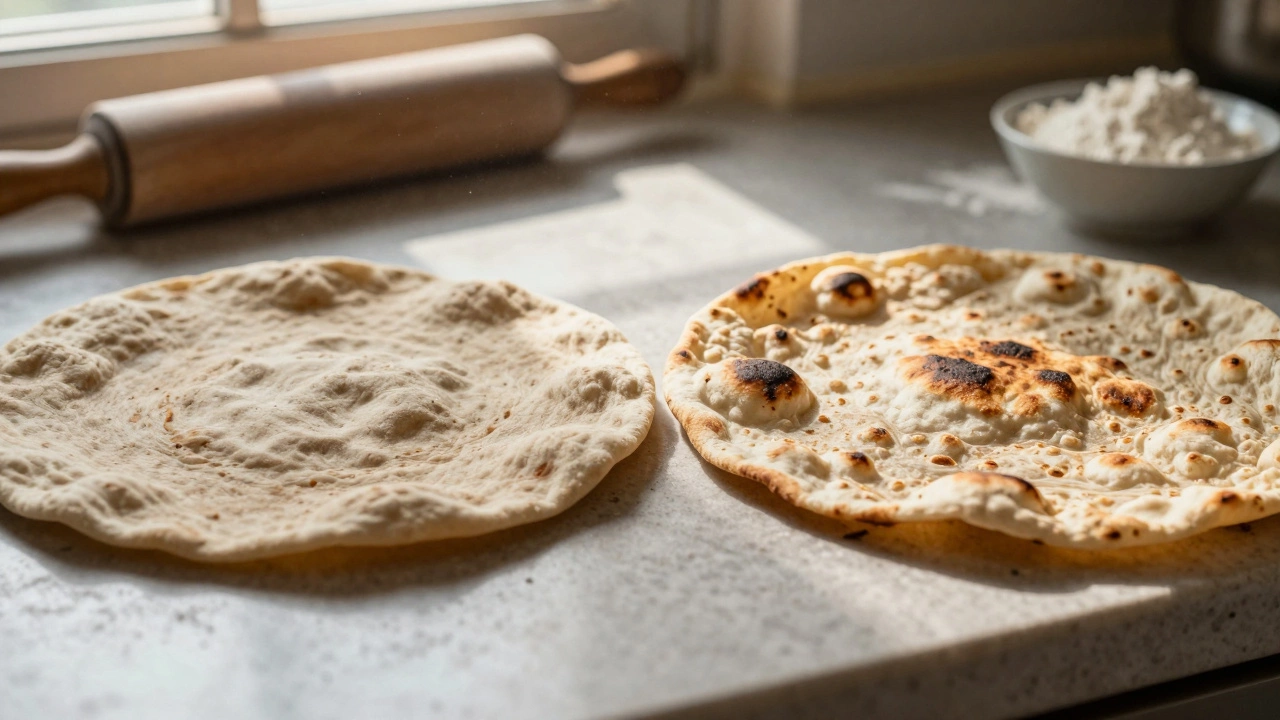
- Roti: Often refers to the generic term for any flatbread. In some contexts, it implies a slightly thicker, softer bread that may be cooked on a lower flame.
- Chapati: Derived from the Persian word "chap," meaning flat. It typically refers to a thinner, crispier version that puffs up significantly when exposed to direct flame.
- Tandoori Roti: This is the distinct outlier. Cooked in a clay oven (tandoor) at extremely high temperatures, it has a charred flavor and different texture but similar nutritional value.
For this comparison, we will focus on the standard home-cooked varieties: the stovetop roti and the stovetop chapati. Since the ingredients are identical-whole wheat flour and water-the baseline nutritional profile is nearly identical. So, why does the health debate persist?
The Nutritional Breakdown: Calories, Carbs, and Fiber
If you weigh out 40 grams of whole wheat flour for a roti and 40 grams for a chapati, the macronutrient breakdown is virtually indistinguishable. Both provide approximately 100-110 calories per piece. They both offer complex carbohydrates, essential for sustained energy release throughout the day.
The real benefit lies in the fiber content. Whole wheat flour retains the bran and germ layers of the wheat kernel, unlike refined white flour (maida). This fiber is crucial for digestive health. A single medium-sized roti or chapati provides about 2-3 grams of dietary fiber. This helps regulate bowel movements and keeps you feeling full longer, preventing overeating during meals.
Protein content is modest but present, offering around 3-4 grams per serving. While not a primary protein source, this plant-based protein contributes to muscle maintenance when combined with lentils (dal) or legumes in a typical meal.
| Nutrient | Roti (Thicker) | Chapati (Thinner/Crispier) |
|---|---|---|
| Calories | ~105 kcal | ~105 kcal |
| Total Carbohydrates | 20g | 20g |
| Dietary Fiber | 2.5g | 2.5g |
| Protein | 3.5g | 3.5g |
| Fat | 0.5g (if no oil added) | 0.5g (if no oil added) |
| Glycemic Index (GI) | Low (~55) | Low (~55) |
As you can see, the numbers do not favor one over the other inherently. The difference comes down to how you cook them and what you add to them.
The Glycemic Index Factor: Why Texture Matters
This is where the conversation gets interesting for diabetics or those monitoring blood sugar spikes. The Glycemic Index (GI) measures how quickly a food raises blood glucose levels. Whole wheat products generally have a low GI compared to refined grains.
However, the physical structure of the bread affects digestion speed. A thicker, softer roti takes slightly longer to chew and break down in the stomach than a thin, crispy chapati. Chewing initiates digestion, and slower consumption often leads to better satiety signals. If you eat a soft roti slowly, your body processes the carbohydrates more gradually.
Conversely, a very thin chapati might be eaten faster, potentially leading to a quicker spike in blood sugar if consumed alone. But here is the catch: neither is eaten alone. You pair them with vegetables, yogurt, or dal. These companions slow down gastric emptying regardless of whether you chose roti or chapati.
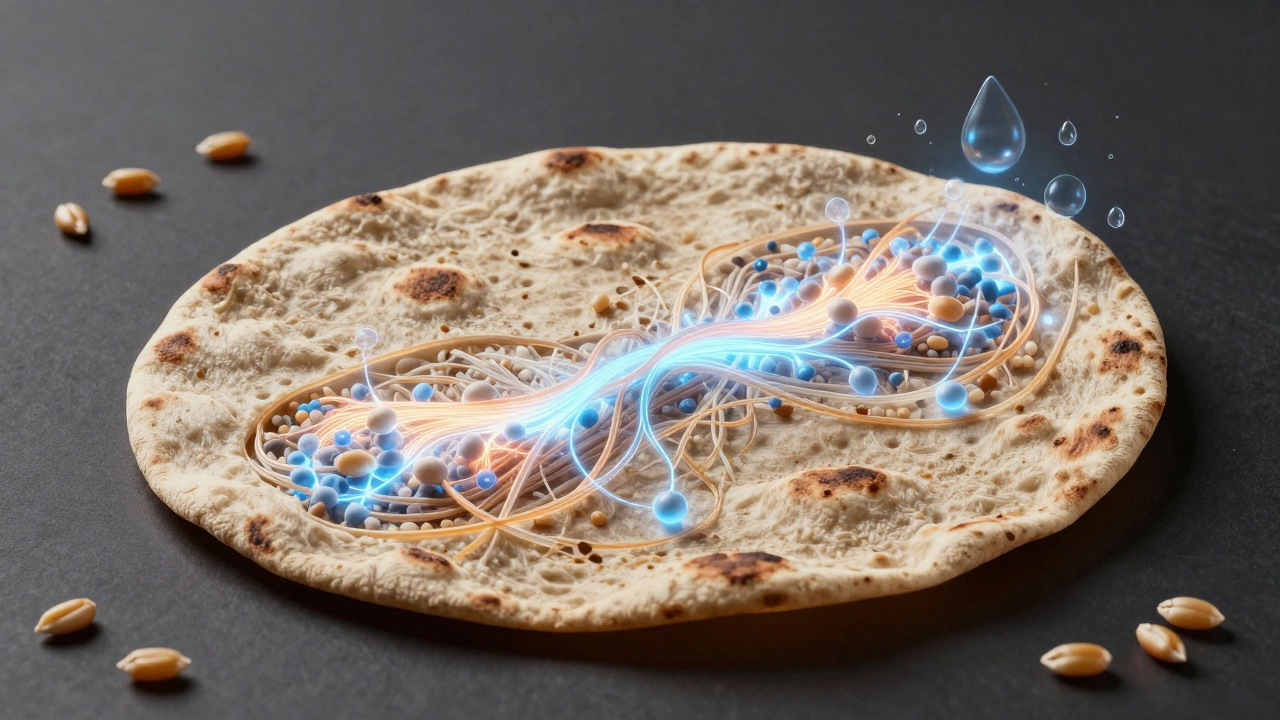
To optimize the GI response, focus on the cooling process. Letting the bread cool after cooking forms resistant starch. Resistant starch acts like soluble fiber, feeding good gut bacteria and blunting blood sugar spikes. Whether it is a roti or chapati, eating it at room temperature or slightly warm is metabolically smarter than eating it piping hot.
Cooking Methods That Change the Health Profile
The biggest variable in the "which is healthier" debate is not the name of the bread, but the fat used during cooking. Many cooks brush the surface of the roti or chapati with ghee, butter, or vegetable oil after cooking. This adds significant calories and changes the fat profile.
If your goal is weight management or heart health, the plain, un-oiled version is the winner. Brushing with oil adds roughly 40-50 calories per gram. Three teaspoons of ghee on three rotis adds 180 calories-equivalent to a small apple. For cardiovascular health, avoid trans fats found in some processed margarines. Stick to minimal amounts of olive oil or skip it entirely.
Another factor is the puffing technique. When a chapati puffs up fully on the flame, it indicates even heat distribution and proper hydration of the dough. Undercooked spots can be harder to digest, potentially causing bloating. Fully cooked, well-puffed bread is easier on the digestive system, reducing gas and discomfort.
Whole Wheat vs. Multigrain: Elevating the Base Ingredient
If you want to move beyond the binary choice of roti versus chapati, consider changing the flour itself. Standard whole wheat atta is healthy, but multigrain flours offer a broader spectrum of nutrients.
Mixing bajra (pearl millet), jowar (sorghum), or ragi (finger millet) into your dough creates a flatbread with higher mineral content, including iron and calcium. These millets are gluten-free and have an even lower glycemic impact than wheat. You can make these as rotis or chapatis; the shape does not diminish their nutritional superiority.
In South Africa, where sorghum and maize are staples, incorporating local indigenous grains into your flatbread routine can provide a unique nutrient profile adapted to local agriculture. These ancient grains are resilient, sustainable, and packed with antioxidants.
Common Myths Debunked
Let us address some persistent misconceptions that cloud the decision-making process.
Myth 1: Roti causes acidity. This is largely false if the bread is properly cooked. Acidity often results from under-chewed food, excessive spice in the accompanying curry, or eating too quickly. Properly kneaded and cooked whole wheat bread is alkaline-forming and soothing for the stomach lining.
Myth 2: Chapati is lighter because it is thinner. While a single chapati might weigh less due to less flour usage, people often compensate by eating two chapatis instead of one roti. The total caloric intake remains the same. Portion control matters more than the specific name of the bread.
Myth 3: Store-bought frozen rotis are just as healthy. Many commercial frozen rotis contain preservatives, emulsifiers, and added sugars to maintain shelf life and texture. Homemade fresh bread allows you to control the ingredient list strictly: flour, water, salt. Freshness ensures maximum nutrient retention and absence of chemical additives.
Practical Tips for Making Healthier Flatbreads
Regardless of whether you call it roti or chapati, these tips will enhance its health benefits:
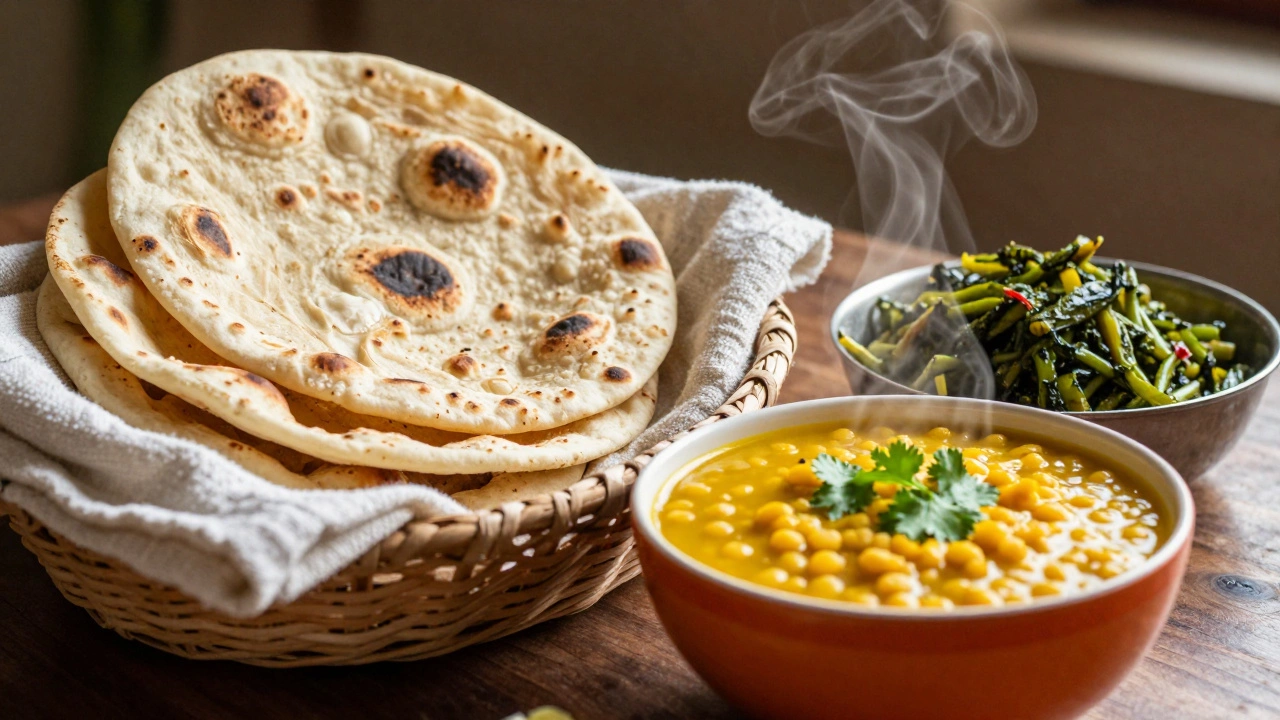
- Knead Well: Rest the dough for at least 20 minutes. This relaxes the gluten, making the bread softer and easier to digest without needing excess oil.
- Add Seeds: Mix flaxseeds, chia seeds, or sesame seeds into the dough. This boosts omega-3 fatty acids and calcium without altering the taste significantly.
- Use Minimal Water: A stiff dough requires less effort to roll and results in a denser, more satisfying bread. Watery dough leads to tough, hard-to-digest bread.
- Avoid Overcooking: Blackened spots indicate burnt carbon, which offers no nutritional value and can introduce harmful compounds. Cook until golden brown bubbles appear.
- Serve with Protein: Always pair your flatbread with a protein source like lentils, chickpeas, or lean meat. This balances the carbohydrate load and stabilizes blood sugar.
Who Should Choose Which?
Since the nutritional difference is negligible, the choice should depend on your personal health goals and digestive comfort.
If you have sensitive digestion or IBS (Irritable Bowel Syndrome), a thinner, well-cooked chapati might be easier to tolerate because it breaks down more readily in the stomach. The crispiness also reduces the likelihood of gumminess, which can cause bloating in some individuals.
If you are focusing on satiety and weight management, a thicker roti might keep you fuller for longer due to the increased volume and chewing time required. The psychological satisfaction of a substantial piece of bread can prevent snacking between meals.
For athletes or active individuals, the quick energy release from a thinner chapati might be preferable pre-workout, while the sustained energy from a denser roti works well post-workout recovery.
Final Verdict: It Is About Quality, Not Name
So, which is healthier? Neither is inherently superior if made with the same ingredients. The healthiest option is the one made with high-quality, stone-ground whole wheat flour, cooked without excess oil, and eaten as part of a balanced meal rich in vegetables and protein.
Do not stress over the label. Focus on the process. Make it fresh, make it whole, and make it mindful. Your body responds to the nutrients and the habits, not the name you give the bread.
Is roti bad for diabetes?
No, whole wheat roti is not bad for diabetes. It has a low glycemic index compared to refined white bread. However, portion control is key. Pairing roti with fiber-rich vegetables and protein slows down sugar absorption. Avoid adding ghee or butter, which increases calorie density without adding nutritional benefit for blood sugar control.
Can I eat roti every day?
Yes, you can eat roti daily as part of a balanced diet. Whole wheat provides essential fiber, B vitamins, and minerals. To prevent nutrient deficiencies, vary your grain sources by including millets like bajra or jowar occasionally. Ensure your meals include plenty of vegetables and proteins to create a complete nutritional profile.
Why does my roti become hard after cooling?
Hardening occurs due to starch retrogradation, where starch molecules recrystallize as the bread cools. To prevent this, ensure you knead the dough thoroughly with enough water to achieve a soft consistency. Cover the cooked rotis with a clean cloth immediately after cooking to retain moisture. Adding a teaspoon of yogurt or oil to the dough can also help keep them soft.
Is paratha healthier than roti?
Generally, no. Parathas are cooked with significantly more oil or ghee, either inside the layers or brushed on top. This makes them much higher in calories and saturated fats. While delicious, parathas should be treated as an occasional treat rather than a daily staple for weight management or heart health.
What is the best time to eat roti?
There is no strict rule, but eating roti at lunch is often recommended because your metabolism is most active during the day. This allows your body to efficiently use the carbohydrates for energy. For dinner, opt for smaller portions of roti paired with light vegetables and protein to aid digestion before sleep.