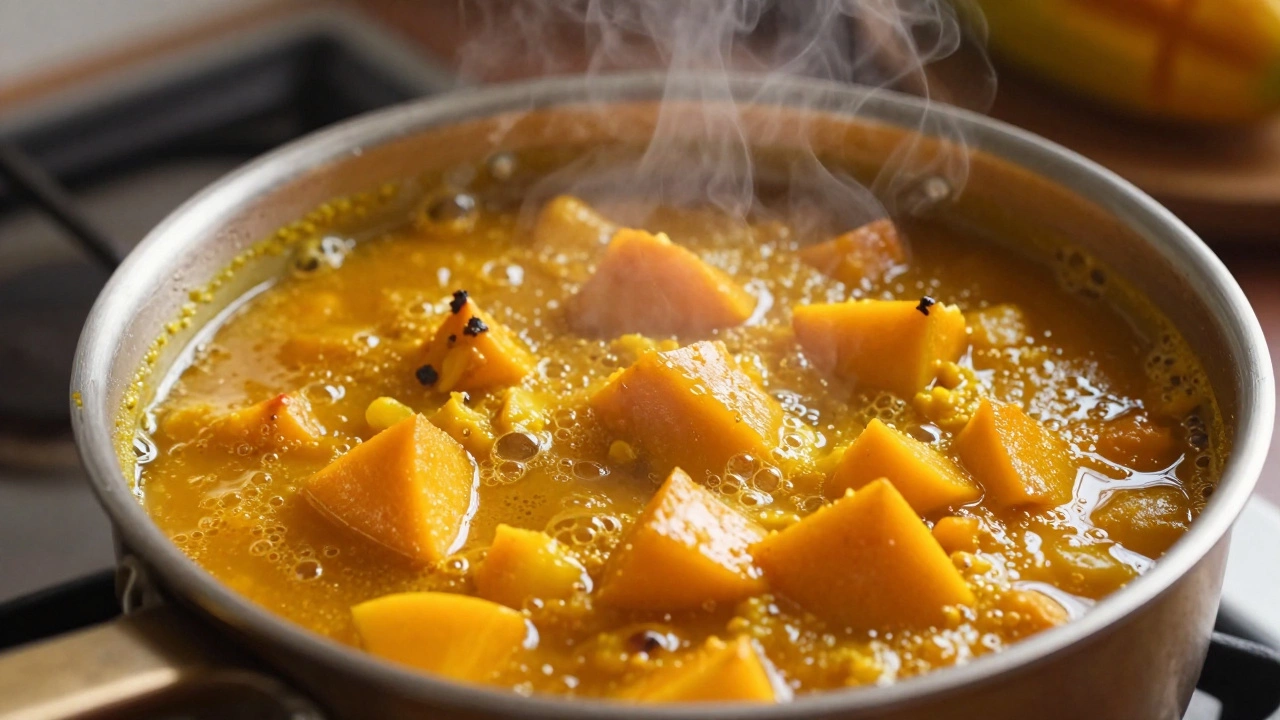
Chutney Sealing Safety Checker
Click each step as you complete it to evaluate your seal quality.
Process Analysis
Complete the checklist to see if your chutney is shelf-stable or requires refrigeration.
Quick Tips for Perfect Sealing
- Fill jars while the chutney is near boiling (about 85-90°C).
- Leave a small gap (headspace) at the top to allow for a vacuum.
- Wipe the rim perfectly clean before sealing.
- Tightly close the lid immediately after filling.
- Let the jars cool undisturbed for 24 hours.
When we talk about hot filling is a preservation method where food is packed into containers at high temperatures to eliminate microorganisms and create a vacuum seal, we are playing a game of physics. By putting a lid on a hot jar, you trap the hot air inside. As that air cools, it shrinks, creating a powerful suction that pulls the lid down tight. This is what we call a vacuum seal, which prevents oxygen and bacteria from getting inside and ruining your hard work.
Why You Shouldn't Wait for the Chutney to Cool
If you wait until the chutney reaches room temperature before putting the lid on, you're essentially just putting a cover on a jar. There is no vacuum effect. This leaves the food exposed to the air trapped inside the jar, which can lead to mold growth much faster. Plus, many chutney recipes rely on a high concentration of acetic acid (from vinegar) and sugar to preserve the food, but these only work effectively if the seal is airtight.
Think of it like a science experiment. Hot air expands; cold air contracts. When you seal the jar while the contents are steaming, you are capturing that expanded air. As the jar sits on your counter, the temperature drops, the pressure inside falls, and the lid is sucked down. If you hear that satisfying "pop" sound when you open the jar months later, you've done it correctly.
The Golden Rules of the Hot-Fill Process
You can't just throw hot jam in a jar and hope for the best. There is a specific sequence to follow to ensure your preservation is successful. First, your jars must be sterilized. You can do this by boiling them in water or running them through a high-heat dishwasher cycle. A single speck of dust or a stray bubble of oil can prevent a lid from sealing properly.
- The Temperature Check: Your chutney should be around 85°C to 90°C. If it has cooled too much, put it back on the stove for a few minutes to bring it back up to a simmer.
- The Pour: Use a wide-mouth funnel to pour the chutney into the jars. This prevents drips on the sides of the glass.
- Mind the Headspace: Don't fill the jar to the very brim. Leave about 1 to 2 centimeters of space at the top. This space is critical because it allows the vacuum to form. If the jar is too full, the lid might not seal, or the contents could expand and leak.
- The Rim Wipe: This is the most common mistake. Use a clean, damp paper towel to wipe the rim of the jar. Any sticky residue from the chutney will create a gap between the lid and the glass, letting air leak in.
- The Seal: Screw the lid on firmly, but don't over-tighten it to the point of stripping the threads.
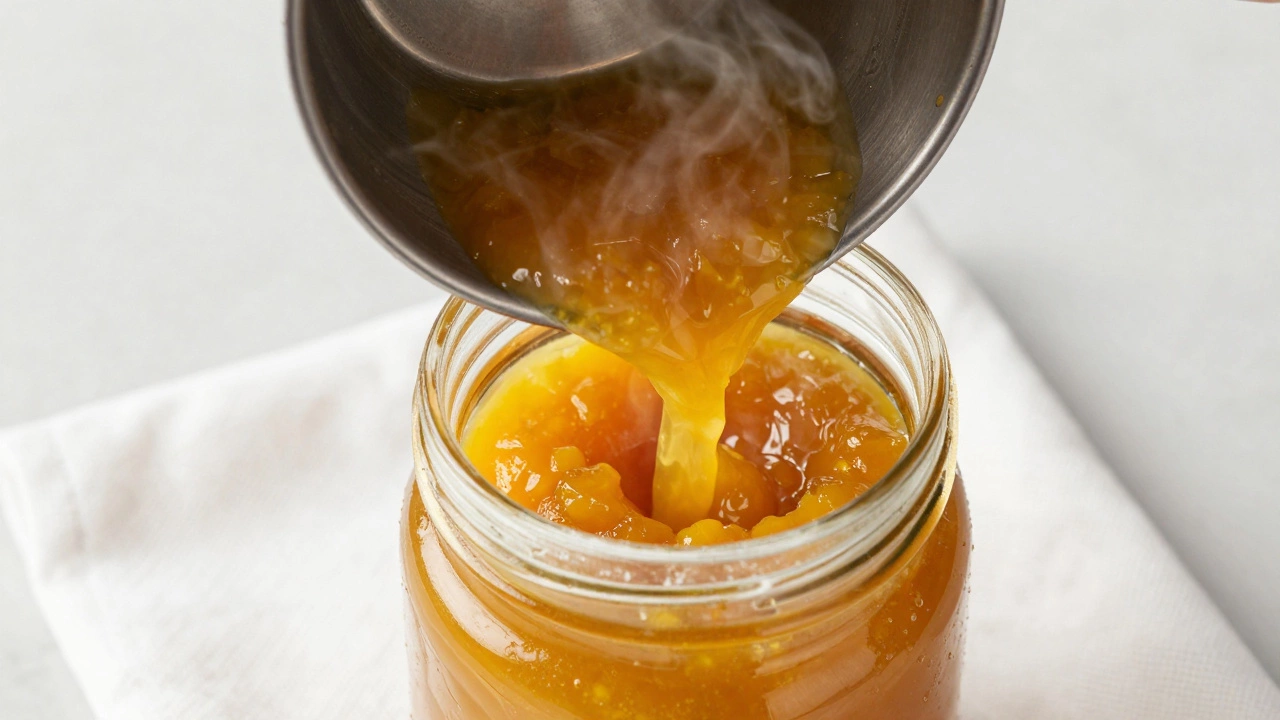
Comparing Sealing Methods: Hot Fill vs. Water Bath
Depending on where you live or who you learned from, you might have heard of different ways to seal jars. While hot filling is common for high-acid foods like chutney, some people prefer a more rigorous approach. Let's look at how they differ.
| Feature | Hot Filling Method | Water Bath Canning |
|---|---|---|
| Process | Fill hot, seal immediately | Fill, seal, then boil jars in water |
| Speed | Fast and efficient | Slower, requires extra equipment |
| Safety Level | High (for high-acid foods) | Very High (commercial standard) |
| Best For | Vinegar-heavy chutneys, jams | Low-acid foods or long-term storage |
For most home-cooked chutneys, the hot fill method is plenty. Because chutneys use a lot of vinegar and sugar, they are naturally resistant to bacteria. The pH level is usually low enough that the hot-fill vacuum is sufficient to keep the contents stable for a year or more in a cool, dark place.
Common Pitfalls and How to Fix Them
Ever opened a jar only to find it had "gone off" even though you sealed it hot? There are a few usual suspects. One is the lid itself. If you are reusing old Mason jars, the rubber seal inside the lid might be worn out. Always check that the gasket is soft and pliable. A hardened gasket won't create a vacuum, no matter how hot your chutney is.
Another issue is "under-processing." If your chutney wasn't hot enough when it hit the jar, the temperature drop isn't drastic enough to create a strong vacuum. If you notice the lid doesn't feel concave (curved inward) after 24 hours, the seal failed. In this case, you should either put the jar back in a water bath or move it to the fridge and eat it within a few weeks.
Storage and Longevity
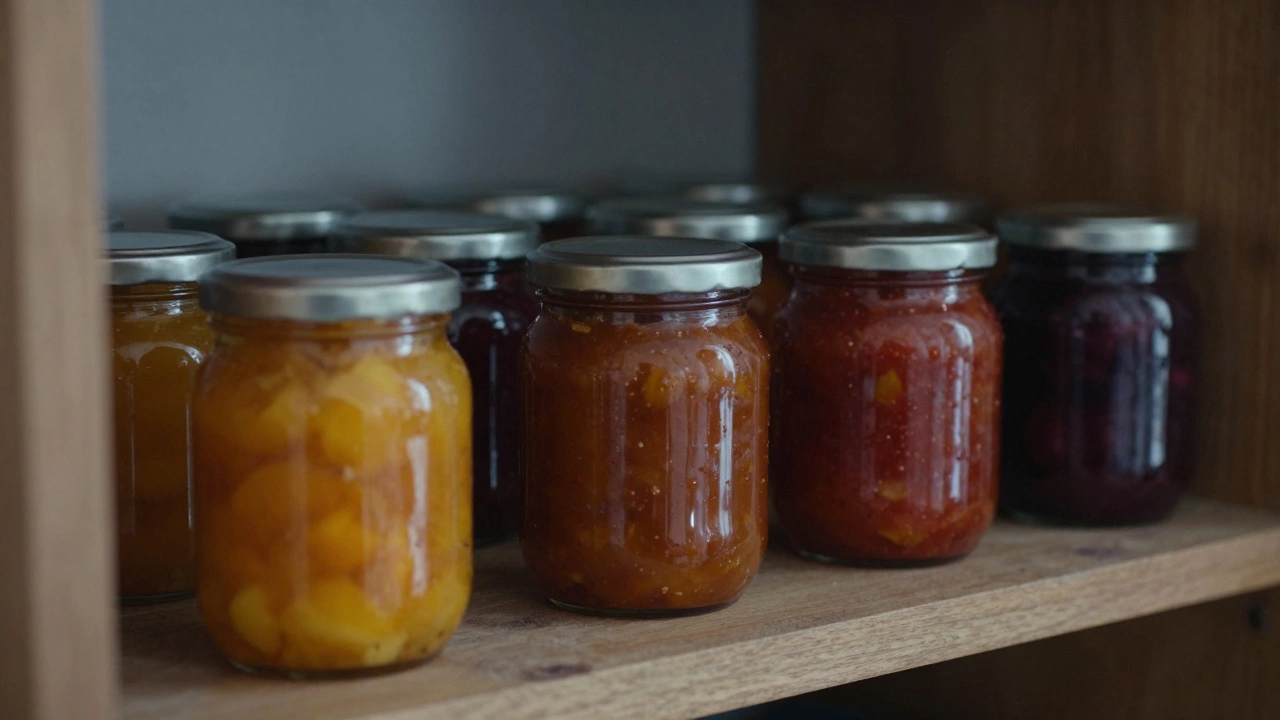
Once the jars have cooled and the lids are sucked in, the hard part is over. Store your jars in a place that doesn't get hit by direct sunlight. Heat from a window can expand the air inside the jar, potentially breaking the seal you worked so hard to create. A cool pantry or a basement is ideal.
Keep in mind that the vacuum seal only protects the food until you open it. Once the seal is broken and oxygen enters the jar, the clock starts ticking. Always use a clean spoon to scoop out your chutney-double-dipping introduces bacteria that can lead to mold, regardless of how well you sealed the jar initially.
Can I put the lids on and then boil the jars?
Yes, this is known as water bath canning. You fill the jars, put the lids on loosely, and then simmer the jars in boiling water for about 10-15 minutes. This is the safest method for long-term shelf storage as it ensures any remaining air bubbles are forced out and the contents are fully sterilized.
What happens if I seal the jars cold?
If you seal the jars cold, you won't get a vacuum seal. The air inside the jar remains at normal pressure, and the lid is just acting as a cover. This means your chutney must be stored in the refrigerator and consumed quickly, as it isn't preserved for the shelf.
How do I know if the vacuum seal actually worked?
Wait 24 hours after sealing. Press the center of the lid with your finger. If it doesn't move or "click" up and down, and instead feels firmly curved inward, the seal is successful. If it pops up and down, the seal failed.
Should I use plastic or glass jars?
Always use glass jars for hot filling. Plastic can warp or melt when exposed to boiling chutney, and it is generally more permeable to oxygen over long periods, which would compromise the preservation of your chutney.
Does the type of vinegar affect the sealing process?
The type of vinegar (apple cider, white, or malt) doesn't change *how* you seal the jar, but the acidity is what makes the hot-filling method safe. Ensure your recipe has enough vinegar to keep the pH low, as this prevents the growth of dangerous bacteria like botulism.
Next Steps for Your Pantry
Now that you've mastered the seal, you can experiment with different flavors. If you're feeling bold, try a spicy plum chutney or a savory tomato and onion blend. Just remember: the physics of the seal remains the same regardless of the ingredients. Always heat, fill, wipe, and seal quickly. If you're unsure about a particular batch's seal, don't risk it-just keep it in the fridge. Happy preserving!