Nighttime Dal Digestibility Checker
Select a common Indian dal below to see how it affects your nighttime digestion and sleep quality.
Moong
Split MungMasoor
Red LentilToor
Pigeon PeaChana
Bengal GramHeavy
Rajma/UradTips
How to CookCooking Tip
3 Rules for Better Nighttime Digestion
1. Soak Before Cooking
Soaking reduces phytic acid and oligosaccharides (gas-causing sugars). Split dals need 15-30 mins; whole dals need overnight soaking.
2. Use Carminative Spices
Always temper with cumin, ajwain (carom seeds), and hing (asafoetida). These stimulate digestive enzymes and reduce bloating.
3. Keep It Soupy
Thick pastes sit heavy in the stomach. Add extra water or broth to create a thinner consistency that moves through the gut faster.
You know that heavy feeling in your stomach after a big dinner? It’s not just you. Most of us struggle with late-night digestion, especially when we’re tired but still hungry. You want something warm, comforting, and filling, but you don’t want it to keep you up all night or leave you bloated by morning. That’s where dal comes in. It is the ultimate comfort food in Indian cuisine, but not all dals are created equal for nighttime consumption. Some are light as air; others are dense enough to act like a brick in your gut.
The question isn’t just "what tastes good," but "what helps me sleep better?" If you’ve ever woken up feeling sluggish or had acid reflux because of what you ate before bed, you need to be strategic about your lentil choice. This guide breaks down exactly which dals work best for dinner, why they work, and how to cook them so they’re gentle on your system. We’ll look at protein content, fiber types, and cooking methods that make a huge difference in how your body processes these legumes while you rest.
Why Your Body Craves Lentils After Dark
Lentils are packed with tryptophan, an amino acid that helps produce serotonin and melatonin-the hormones that regulate sleep. But here’s the catch: if the dal is too heavy, your digestive system stays active, raising your core body temperature and interfering with deep sleep. The goal is to find the sweet spot between satiety and ease of digestion.
When you eat a lighter protein source like split mung beans versus a heavier whole grain like rajma (kidney beans), your body spends less energy breaking down the meal. This allows your parasympathetic nervous system (the "rest and digest" mode) to take over more efficiently. Think of it this way: you want your body to focus on repair and rest, not on churning through tough fibers.
The Top Contenders: Light vs. Heavy Dals
Not every lentil is suitable for the evening. Here is a breakdown of the most common dals found in Indian kitchens and how they perform as a nighttime meal.
| Dal Type | Digestibility Score | Sleep Support | Best For |
|---|---|---|---|
| Moong Dal | High (Very Easy) | Excellent | Detox, light dinners, sick days |
| Masoor Dal | Medium-High | Good | Quick meals, high iron needs |
| Toor Dal | Medium | Average | Standard family dinners |
| Chana Dal | Low-Medium | Fair | Hearty appetites, earlier dinners |
| Rajma/Urad Dal | Low (Harder) | Poor (if eaten late) | Lunch or early dinner only |
Winner #1: Moong Dal (Split Mung Beans)
If you ask any Ayurvedic practitioner or nutritionist what to eat at night, moong dal is almost always the top recommendation. It is considered the easiest legume to digest because it lacks the hard outer skin that causes gas in other lentils. When split and hulled (yellow moong dal), it cooks quickly into a smooth, soupy consistency that feels soothing rather than burdensome.
Why does it help you sleep? Moong dal is rich in magnesium and potassium, minerals that relax muscles and calm the nervous system. Plus, its low glycemic index prevents blood sugar spikes that can wake you up in the middle of the night. A simple bowl of yellow moong dal with a pinch of turmeric and cumin is basically a natural sedative.
Pro Tip: Cook it until it’s completely soft. Undercooked moong dal can still cause bloating. Add a teaspoon of ghee to improve nutrient absorption and add a creamy texture without adding heavy fats.
Runner Up: Masoor Dal (Red Lentils)
Next up is masoor dal, or red lentils. Like moong, masoor dal is split and skinned, making it quick-cooking and relatively gentle on the stomach. It has a slightly earthier taste and turns orange-red when cooked, which makes for a visually appealing dish.
Masoor dal is higher in iron than moong dal, which is great if you’re dealing with fatigue. However, it can sometimes feel a bit thicker than moong. To keep it light for dinner, dilute it more than usual-think soup consistency rather than stew. Pair it with steamed vegetables instead of rice to reduce the carb load before bed.
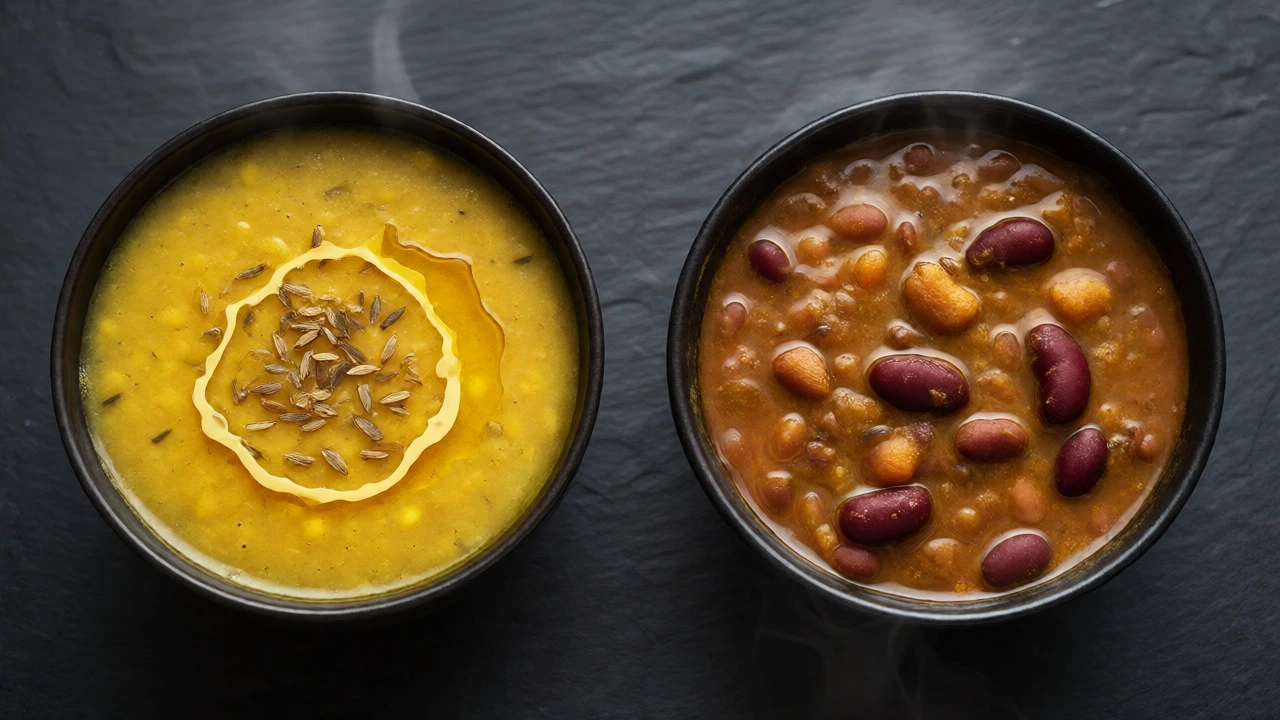
The Middle Ground: Toor Dal (Pigeon Peas)
toor dal is the staple of Indian households, often used in sambar and everyday meals. Is it okay for dinner? Yes, but with caveats. Toor dal takes longer to digest than moong or masoor because of its denser structure. If you eat toor dal at night, ensure it’s well-cooked and tempered with digestive spices.
Avoid eating large portions of toor dal right before sleeping. Instead, aim to finish your meal at least two hours before bedtime. If you have a sensitive stomach, mix toor dal with moong dal (50/50 ratio) to lighten the load while keeping the familiar flavor profile.
What to Avoid: Heavy Hitters
Some dals are delicious but dangerous for sleep quality. Rajma (kidney beans) and chickpeas (kabuli chana) are high in complex carbohydrates and resistant starch. While these are fantastic for lunch, they require significant enzymatic activity to break down. Eating them at night often leads to fermentation in the gut, causing gas, bloating, and discomfort.
Similarly, urad dal (black gram) is heavy and mucilaginous. It’s excellent for building muscle mass post-workout but can feel like a lead weight in your stomach if consumed late. Save these for breakfast or lunch when you have hours to burn off the energy.
How to Cook Dal for Maximum Digestibility
Even the lightest dal can cause issues if prepared incorrectly. Here are three non-negotiable rules for nighttime dal preparation:
- Soak Before Cooking: Even split dals benefit from a 30-minute soak. This reduces phytic acid, an anti-nutrient that binds to minerals and slows digestion. For whole dals like toor, soak overnight.
- Add Digestive Spices: Don’t just use salt. Always temper your dal with cumin seeds, ajwain (carom seeds), and hing (asafoetida). These spices stimulate digestive enzymes and reduce gas formation. Ajwain, in particular, is a powerful carminative.
- Keep It Soupy: Thick, paste-like dals sit heavily in the stomach. Add extra water or vegetable broth to create a thinner consistency. Liquids move through the digestive tract faster than solids.
Pairing Your Nighttime Dal
What you eat alongside your dal matters as much as the dal itself. If you pair a light moong dal with a massive mound of white rice, you negate the lightness. Rice digests quickly but spikes insulin. For a better sleep outcome, try these combinations:
- Dal + Steamed Veggies: Broccoli, zucchini, or spinach add volume and fiber without heaviness.
- Dal + Quinoa: Quinoa is easier to digest than wheat roti and provides complete protein.
- Dal Alone: Seriously, skip the carbs. A bowl of thick soup-style dal is often satisfying enough on its own.
Avoid pairing dal with fried foods like papad or pakoras. The oil delays gastric emptying, meaning food stays in your stomach longer, potentially causing acid reflux when you lie down.
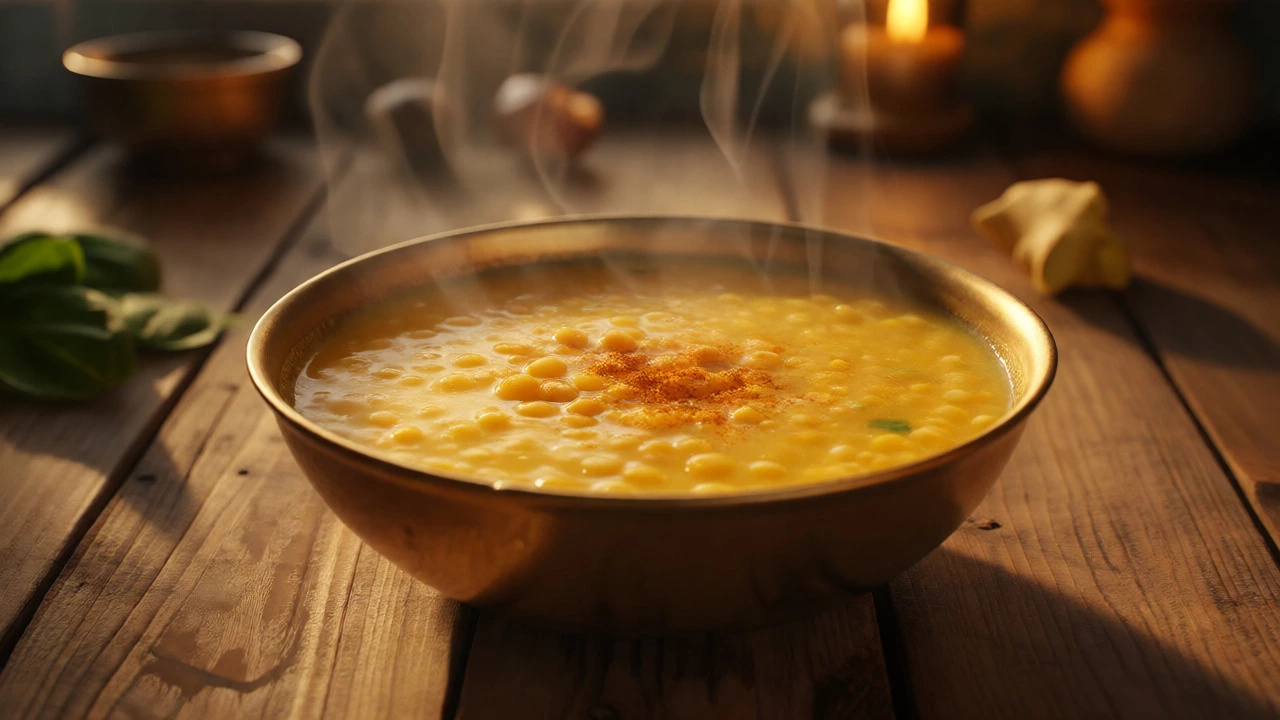
Sample Simple Recipe: Golden Moong Soup
Here is a foolproof recipe that takes 20 minutes and guarantees a peaceful night’s sleep.
Ingredients:
- ½ cup yellow moong dal, rinsed
- 1 cup chopped carrots and spinach
- 1 tsp grated ginger
- ½ tsp turmeric powder
- ½ tsp cumin seeds
- Pinch of asafoetida (hing)
- 1 tbsp ghee or olive oil
- Salt to taste
- 2 cups water
Instructions:
- Rinse the moong dal until the water runs clear. Soak for 15 minutes if you have time.
- In a pot, heat ghee and splutter the cumin seeds and asafoetida. Add ginger and sauté for 30 seconds.
- Add the drained dal, turmeric, and water. Bring to a boil, then reduce heat to low.
- Cook for 10-12 minutes until the dal is completely soft and mushy.
- Add the chopped carrots and spinach. Cook for another 3-4 minutes until veggies are tender.
- Season with salt. Mash lightly with a spoon for a smoother texture, or blend half the soup for creaminess.
- Serve hot. No rice needed.
Troubleshooting Common Issues
Still feeling bloated? You might be eating too fast. Chew your food thoroughly. Digestion starts in the mouth. Also, check if you’re drinking too much water during the meal, which can dilute stomach acids. Sip water only after finishing.
Acid reflux? Try reducing the amount of tomato or tamarind in your dal. Acidic ingredients can trigger reflux in prone individuals. Stick to neutral bases like plain moong or masoor with mild spices.
Not full enough? Add a small handful of nuts like almonds or walnuts on top. They provide healthy fats that promote satiety without being heavy. Just 5-6 almonds will do the trick.
Frequently Asked Questions
Is it bad to eat dal every night?
No, eating dal every night is generally healthy, provided you choose easily digestible varieties like moong or masoor. Variety is key, so rotate between different lentils to get a broad spectrum of nutrients. Avoid heavy dals like rajma daily if you notice bloating.
Which dal is best for weight loss at night?
Moong dal is the best option for weight loss due to its low calorie density and high protein content. It keeps you full longer without excess calories. Ensure you prepare it without excessive oil or cream.
Can I eat dal with rice at night?
You can, but keep the portion of rice small. White rice digests quickly but can spike blood sugar. Brown rice or quinoa are better alternatives. Ideally, pair dal with steamed vegetables to increase fiber intake and lower the glycemic load of the meal.
Does soaking dal really help digestion?
Yes, soaking reduces oligosaccharides, the sugars responsible for gas and bloating. It also lowers phytic acid, improving mineral absorption. For split dals, 15-30 minutes is sufficient; for whole dals, soak overnight.
What if I have diabetes? Which dal should I eat?
All dals have a low glycemic index, but moong and masoor are safer bets for nighttime consumption due to their ease of digestion. Monitor your blood sugar response individually. Adding fiber-rich vegetables to your dal further stabilizes glucose levels.