Build Your Perfect Thali
Select ingredients below to visualize a traditional Indian lunch plate. Try to include all components for optimal flavor and nutritional balance.
Rice or Roti
Lentils/Protein
Vegetables
Cooling Yogurt
Achar/Sour
Mint/Tamarind
Halwa/Fruit
Meal Analysis
Start adding items to see your thali analysis.
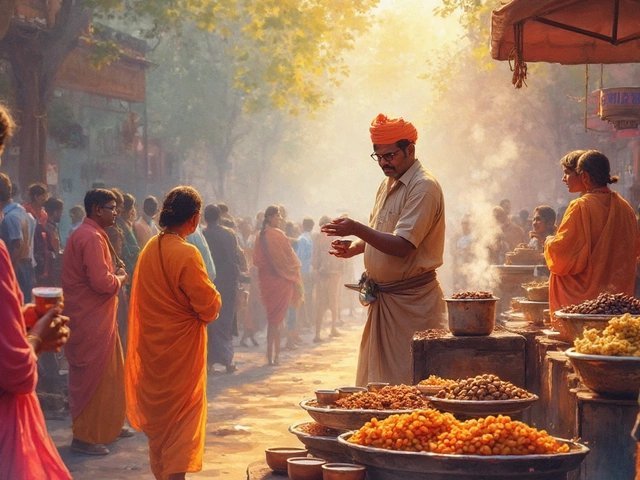
Imagine sitting down to a meal that isn't just one dish, but a symphony of flavors, textures, and temperatures served all at once. This is the heart of a traditional Indian lunch, which is a multi-component meal centered around rice or flatbreads, accompanied by lentils, vegetables, yogurt, and pickles. It’s not about eating fast; it’s about balance. In many Indian households, lunch is the main event of the day, often more substantial than dinner.
If you’ve only ever had butter chicken with naan at a restaurant, you might be surprised by what a real home-style lunch looks like. It varies wildly depending on where you are in India, from the coconut-heavy curries of Kerala to the wheat-based rotis of Punjab. But there is a common thread: the concept of the thali. Let’s break down exactly what goes into this plate, why it matters, and how you can recreate the experience at home without getting overwhelmed.
The Anatomy of a Thali: More Than Just Food
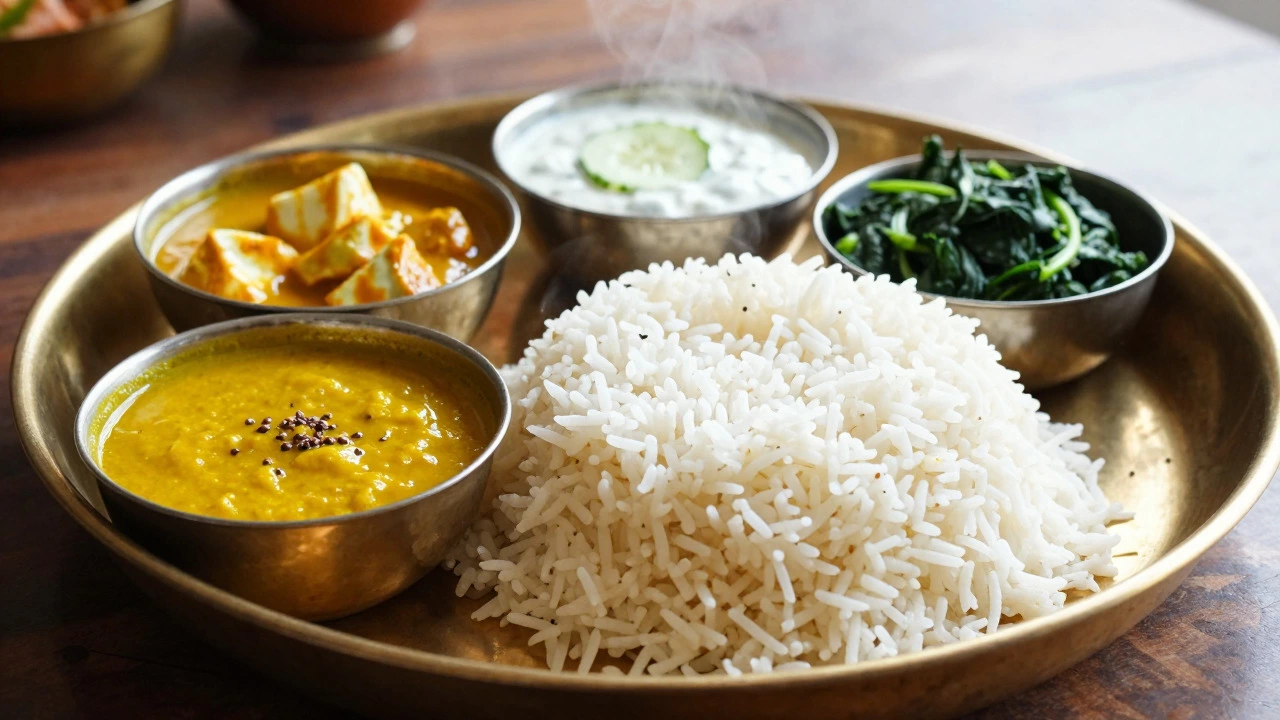
A thali is essentially a large round plate with smaller bowls placed on top. Think of it as an all-you-can-eat buffet, but curated for nutritional balance and flavor harmony. When you look at a traditional lunch spread, you’re looking at a carefully constructed ecosystem of tastes.
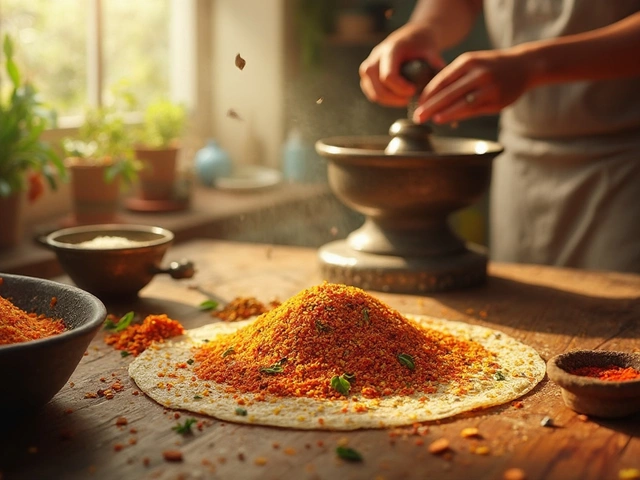
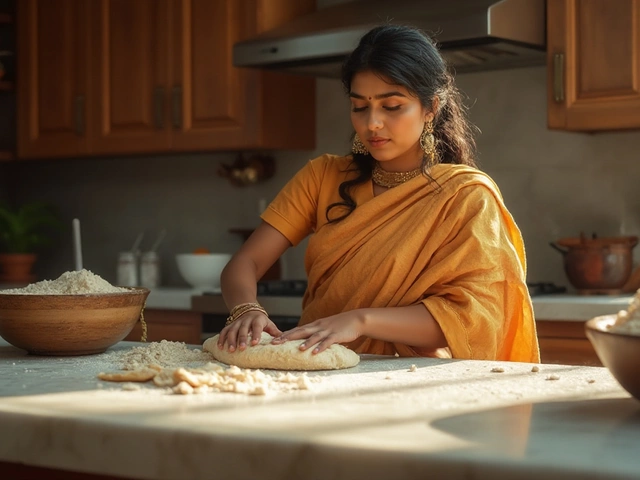
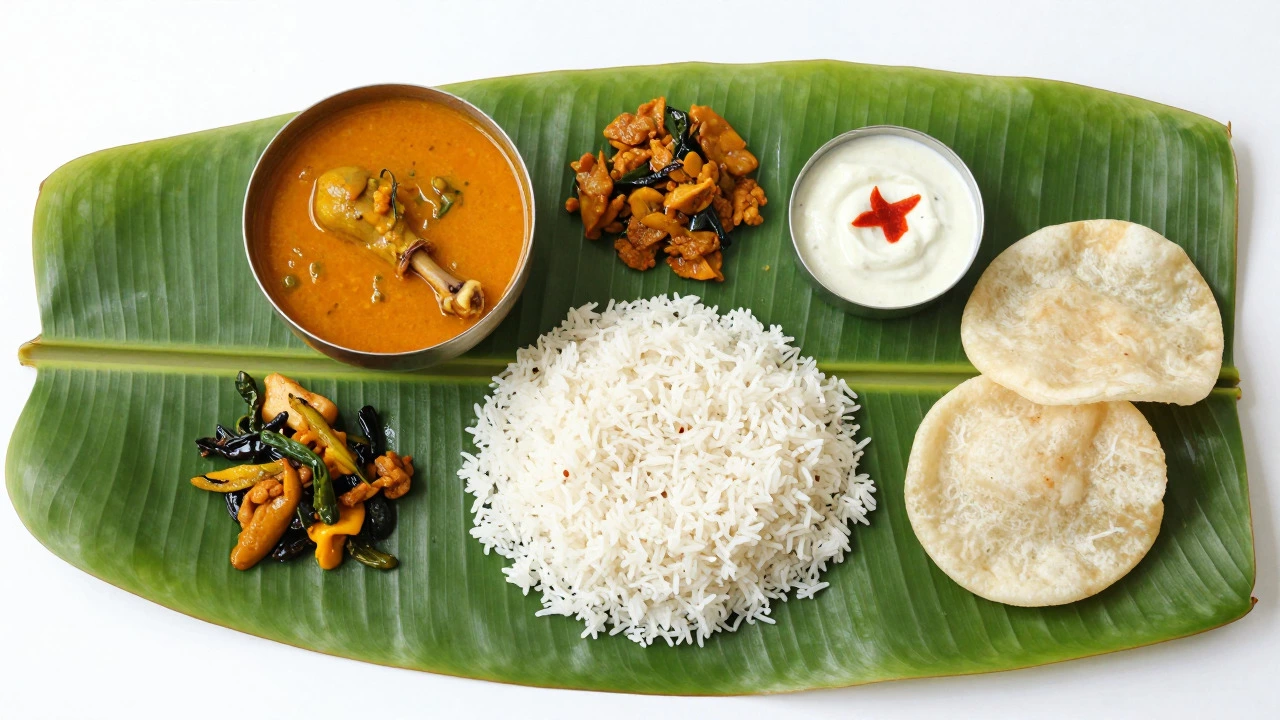
The foundation is always the staple carbohydrate. In North India, this is usually roti or chapati, which are unleavened whole wheat flatbreads cooked on a hot griddle. In South India, the star is steamed white rice. You rarely see both on the same plate unless it’s a special occasion. Surrounding this base are several small portions:
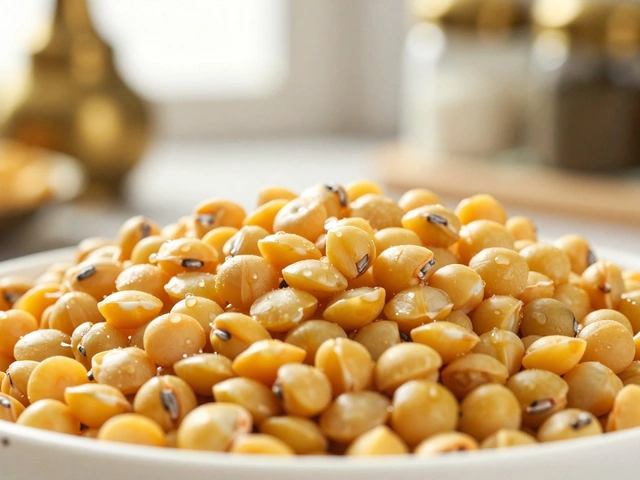
- Dal (Lentils): This is the protein anchor. It could be a thin, tangy dal tadka or a thick, creamy moong dal. It’s never optional.
- Sabzi (Vegetables): One or two vegetable dishes. These aren’t just boiled veggies; they’re spiced, sautéed, or stewed. Think bitter gourd, okra, or leafy greens.
- Raita: Yogurt mixed with cucumber, onions, or boondi (fried gram flour balls). This cools down the heat from the spices.
- Pickle (Achar): A tiny spoonful of intense flavor-usually mango, lime, or chili based. It adds acidity and crunch.
- Chutney: Often mint or tamarind based, providing a sweet or spicy kick.
- Sweet: A small portion of halwa, kheer, or fresh fruit to end the meal.
The magic happens when you mix them. A bite of roti dipped in dal, followed by a bit of pickle and a spoon of raita, creates a complex flavor profile that no single dish could achieve alone. It’s designed so that every bite feels complete yet varied.
Regional Differences: North vs. South India
India is huge, and its food reflects that diversity. If you travel from Delhi to Chennai, your lunch changes completely. Understanding these differences helps you appreciate why there is no single "Indian lunch."
| Feature | North Indian Lunch | South Indian Lunch |
|---|---|---|
| Staple Carbohydrate | Wheat Roti/Chapati | Steamed Rice |
| Primary Protein Source | Lentils (Dal), Paneer, Chickpeas | Lentils (Sambar), Fish, Chicken |
| Key Spices | Cumin, Coriander, Garam Masala, Amchur | Mustard Seeds, Curry Leaves, Coconut, Tamarind |
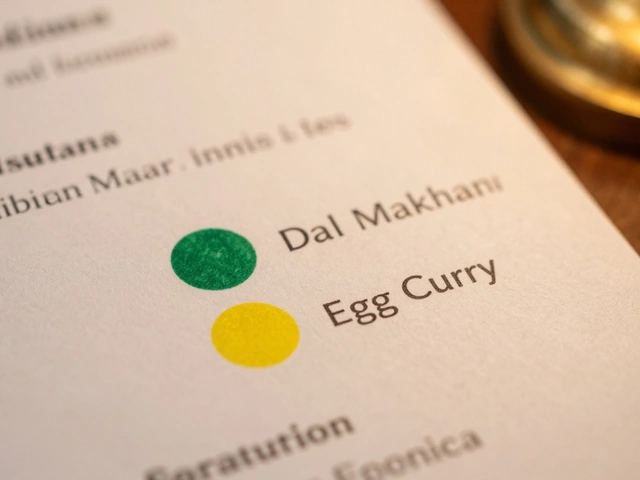
| Signature Dish | Dal Makhani, Rajma Chawal | Sambar, Rasam, Kootu |
| Accompaniments | Raita, Papad, Pickle | Coconut Chutney, Pappadam, Avial |
In the North, dairy plays a bigger role. You’ll find paneer (cottage cheese) dishes and creamy gravies made with cream or yogurt. The breads are soft and pliable, perfect for scooping up thick stews. In contrast, the South relies heavily on rice, lentils, and coastal ingredients like coconut and seafood. The flavors here are sharper, with tamarind providing a sour note that cuts through the richness of the rice.
East India, particularly Bengal, offers another variation. Here, fish is central to the lunch plate, often prepared in mustard oil with poppy seeds. West India, like Gujarat and Maharashtra, features a distinct sweetness in savory dishes and includes unique items like dhokla (steamed fermented batter) or puran poli (sweet flatbread).
Why Balance Matters: The Ayurvedic Connection
You might wonder why Indians eat such a wide variety of foods in one sitting. It’s not just about taste; it’s rooted in ancient dietary principles. Many traditional meals follow Ayurvedic guidelines, which emphasize balancing the six tastes: sweet, sour, salty, bitter, pungent, and astringent.
When you eat a thali, you hit all six notes. The rice provides sweet energy. The dal offers earthy sustenance. The pickle brings pungency and sourness. The chutney adds bitterness or freshness. This balance aids digestion and prevents blood sugar spikes because the fiber from lentils and vegetables slows down the absorption of carbohydrates from the rice or roti.
This approach is inherently healthy if done right. However, modern adaptations sometimes add too much oil or sugar. A traditional home-cooked lunch uses moderate amounts of ghee or oil, focusing on whole ingredients rather than processed ones. The goal is nourishment, not indulgence.
How to Build Your Own Indian Lunch Plate
Want to try making a traditional lunch at home? You don’t need to cook ten different dishes. Start simple and build up. Here’s a practical framework for creating a balanced plate:
- Choose Your Base: Decide between rice or roti. If you’re new to Indian cooking, start with basmati rice-it’s easy to cook and pairs well with everything.
- Make a Dal: Yellow moong dal is the easiest. Rinse the lentils, boil them until soft, then temper with cumin seeds, garlic, and turmeric. It takes less than 30 minutes.
- Add a Vegetable Side: Sauté seasonal vegetables with onions, tomatoes, and basic spices like coriander powder. Okra, spinach, or cauliflower work great.
- Include Cooling Elements: Mix plain yogurt with diced cucumber and salt. This is your raita. It’s crucial for balancing spice levels.
- Add Flavor Boosters: Buy a good quality mango pickle from a store if you don’t want to make it from scratch. Serve with a side of mint chutney.
- Finish Lightly: Add some sliced bananas or a small bowl of kheer (rice pudding) for dessert.
The key is portion control. Each component should be small enough that you can try a bit of everything without feeling stuffed. Use small bowls for the sides and keep the main carb source generous but not overwhelming.
Common Mistakes to Avoid
Many people try to replicate Indian lunches but end up with something that feels off. Here are the most common pitfalls:
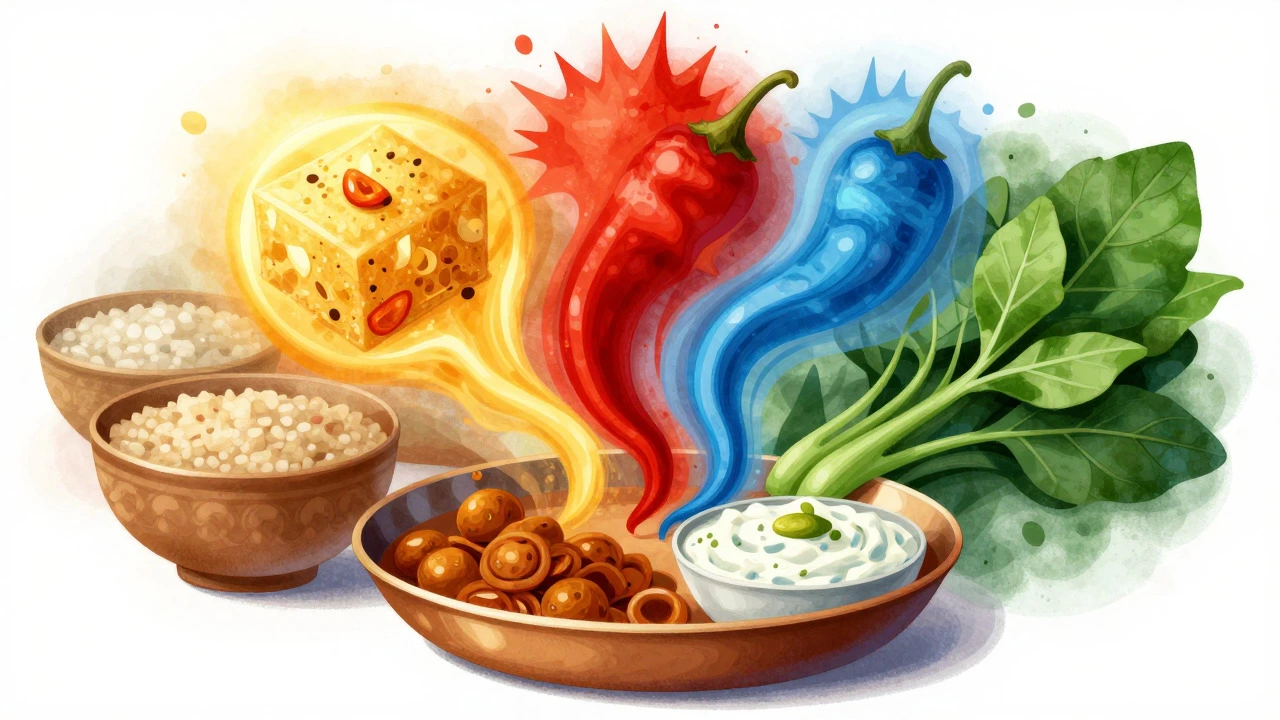
- Overloading on Spice: Traditional Indian food isn’t always fiery hot. Heat comes from green chilies, but depth comes from spices like cardamom, cloves, and cinnamon. Don’t confuse heat with flavor.
- Ignoring Texture: A good lunch has crunch (from papad or raw onions), creaminess (from yogurt or coconut), and softness (from rice or roti). If everything is mushy, it’s boring.
- Using Too Much Oil: While ghee is delicious, home cooks often use excessive amounts. Stick to 1-2 tablespoons per person for frying aromatics, not swimming the vegetables in oil.
- Skipping the Acid: Lemon juice or tamarind paste is essential. It brightens up heavy dishes and aids digestion. Always finish your dal or sabzi with a squeeze of lemon.
Another mistake is trying to make everything from scratch every time. Even in India, people buy pickles, chutneys, and even pre-made dal bases. Use shortcuts where possible to reduce stress and focus on assembling a harmonious meal.
Variations for Different Diets
Traditional Indian lunches are naturally adaptable. Whether you’re vegetarian, vegan, gluten-free, or keto, you can modify the thali concept.
For vegetarians, the standard thali is already ideal. For vegans, simply swap dairy yogurt for coconut yogurt and replace paneer with tofu or extra chickpeas. Gluten-free diets are easy since rice is the primary carb in half of India. Just avoid wheat roti and ensure your spices are certified gluten-free.
Keto followers might struggle with the rice and roti, but they can substitute cauliflower rice and almond flour tortillas. Focus on high-fat components like ghee, coconut milk, and fatty fish or meats. The dal can be replaced with a low-carb vegetable stir-fry seasoned with Indian spices.
The beauty of this culinary tradition is its flexibility. It’s not about rigid rules; it’s about combining ingredients that complement each other. As long as you maintain the balance of flavors and textures, you’re honoring the spirit of a traditional Indian lunch.
Is Indian lunch typically spicy?
Not necessarily. While Indian food is known for its spices, "spicy" often refers to the complexity of flavors rather than heat. Home-cooked lunches are usually mild to medium in heat, allowing everyone in the family to eat comfortably. You can adjust the level of green chilies to suit your preference.
What is the difference between a thali and a regular Indian meal?
A thali is a specific format where multiple dishes are served together on one large plate. A regular Indian meal might consist of just one curry and rice. The thali ensures a balanced intake of nutrients and flavors in a single sitting, whereas a regular meal might lack variety.
Can I eat Indian lunch if I am on a diet?
Yes, absolutely. Traditional Indian lunches are rich in fiber, protein, and healthy fats. By controlling portion sizes and limiting added sugars and excessive oils, a thali can be a very healthy option. The combination of carbs, proteins, and fats helps keep you full longer.
Do Indians eat lunch at noon?
Yes, lunch is typically eaten between 12:00 PM and 2:00 PM. It is considered the most important meal of the day, especially in rural areas and among older generations. Dinner is often lighter and eaten later in the evening.
What is the best way to store leftover Indian lunch?
Store components separately in airtight containers. Rice and dal can last up to 3 days in the refrigerator. Reheat them gently, adding a splash of water to restore moisture. Avoid reheating yogurt-based dishes like raita as they may split.