Dal Selection & Cooking Time Calculator
Toor / Arhar / Tur
Pigeon Pea (Split)Walk into any Indian home, and the smell of simmering lentils is likely the first thing you notice. It’s not just a meal; it’s the heartbeat of the kitchen. While there are dozens of varieties, one stands out as the undisputed king of everyday cooking: toor dal, also known as arhar or tur dal. But what makes it so popular compared to its lighter, faster-cooking cousins? And how does it fit into the broader landscape of Indian vegetarian cuisine?
Understanding the hierarchy of dals isn't just about knowing which bean goes with which curry. It’s about understanding texture, nutrition, and the cultural rhythm of Indian meals. Whether you’re a seasoned cook looking to refine your technique or a beginner trying to navigate the confusing world of lentil names, this guide breaks down the essentials.
Why Toor Dal Reigns Supreme
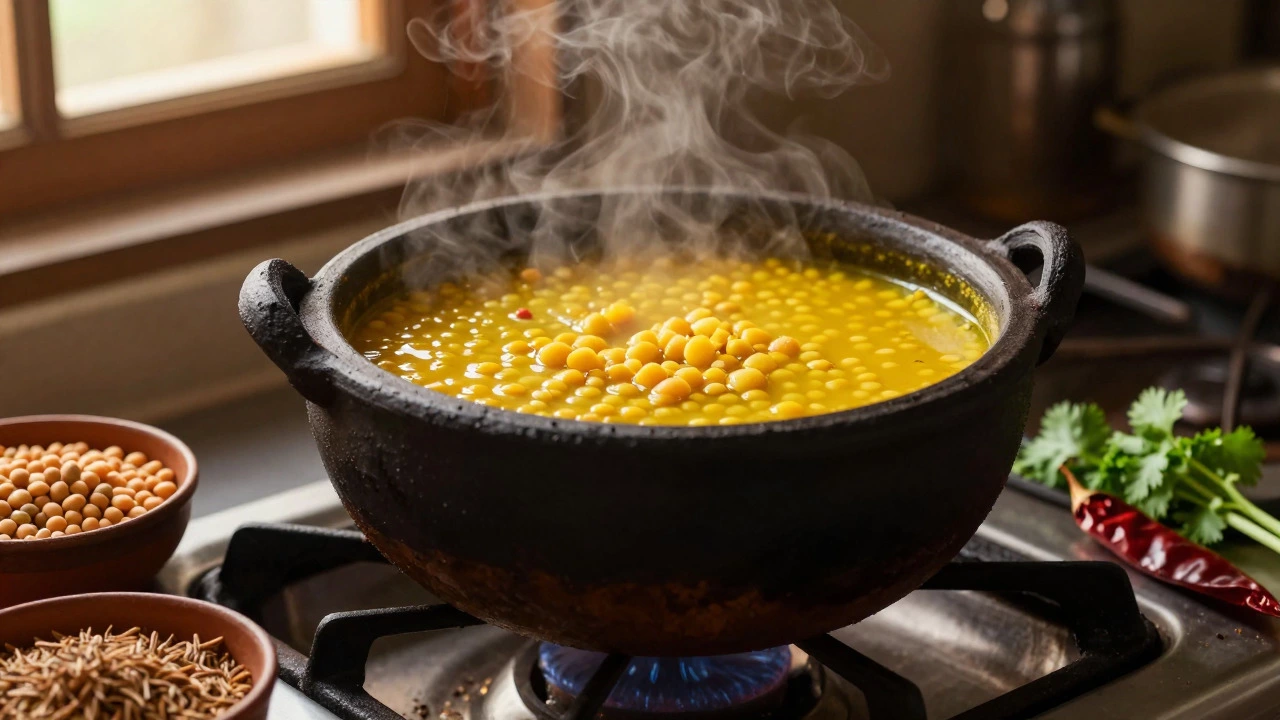
Toor Dal is a split, yellow-skinned pulse made from the pigeon pea (Cajanus cajan), widely used in South Indian and North Indian cuisines for its creamy texture and mild flavor. Unlike other lentils that require long soaking times or complex tempering to taste good, toor dal is forgiving. It cooks relatively quickly-usually within 30 to 40 minutes-and develops a natural creaminess without needing heavy cream or coconut milk.
The reason for its dominance lies in versatility. You can make a simple dal tadka in 20 minutes for a weekday dinner, or spend an hour making a rich, spiced kadhi style preparation for guests. Its neutral flavor profile acts as a blank canvas, absorbing spices like cumin, mustard seeds, and dried red chilies perfectly. This adaptability is why it appears on menus from street stalls in Chennai to fine-dining restaurants in London.
Decoding the Confusing Names
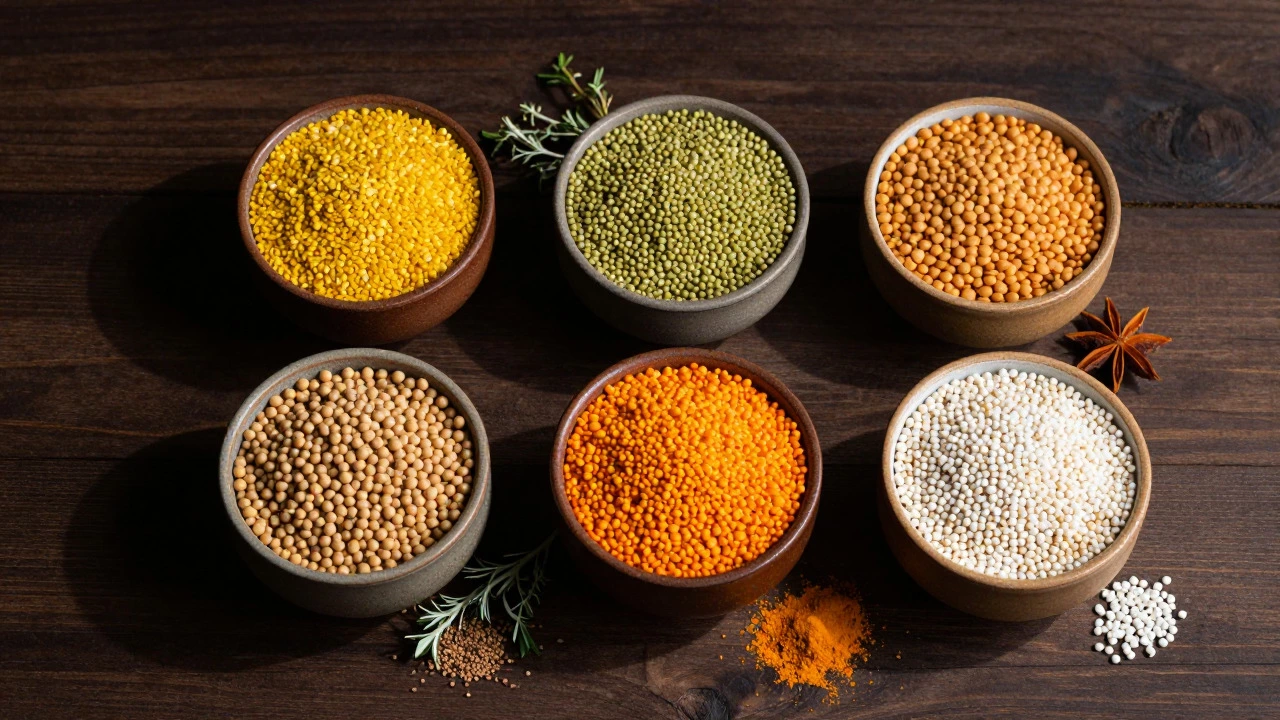
One of the biggest hurdles for new cooks is the naming convention. In India, the same lentil often has different names depending on the region. To avoid confusion at the grocery store, here is a quick breakdown of the most common types and their primary uses.
| Common Name | Scientific/Regional Name | Cook Time | Texture & Flavor | Best For |
|---|---|---|---|---|
| Toor / Arhar / Tur | Pigeon Pea (Split) | 30-40 mins | Creamy, mild, earthy | Everyday meals, Tadka |
| Moong Dal | Green Gram (Split) | 15-20 mins | Light, delicate, slightly sweet | Soups, Khichdi, Quick meals |
| Masoor Dal | Red Lentil (Whole/Split) | 10-15 mins | Soft, disintegrates easily | Stews, thick curries |
| Chana Dal | Chickpea (Split) | 45-60 mins | Firm, nutty, holds shape | North Indian curries, Sambar |
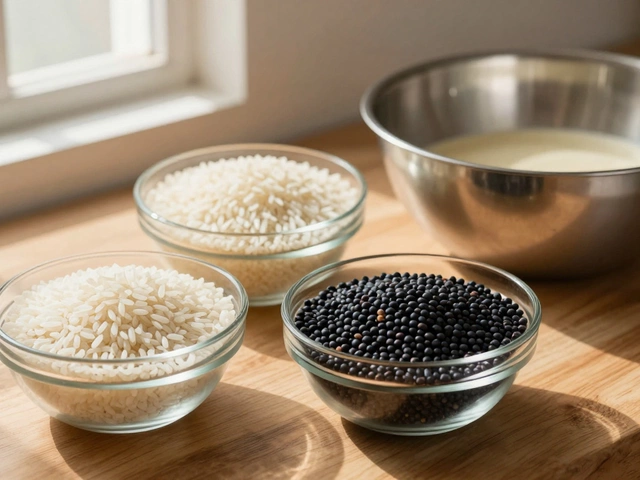
| Urad Dal | Black Gram (Split) | 60+ mins (soak required) | Very dense, rich, protein-heavy | Dosa batter, Sambar, Medu Vada |
Notice the pattern? The smaller and more split the lentil, the faster it cooks. Moong and Masoor are ideal when you’re short on time, while Urad requires patience but rewards you with depth. Toor sits comfortably in the middle, offering a balance of speed and substance.
Nutritional Powerhouse: Why We Eat It Daily
In many Indian households, dal isn’t just food; it’s medicine. Lentils are legumes that provide high-quality plant-based protein, fiber, iron, and folate, making them a staple in vegetarian diets worldwide. Specifically, toor dal offers approximately 18 grams of protein per cup when cooked. For vegetarians who may struggle to get enough complete proteins, combining dal with rice creates a complete amino acid profile. This synergy is the foundation of the classic "rice and dal" meal.
Beyond protein, dals are low in fat and cholesterol-free. They have a moderate glycemic index, meaning they release energy slowly, keeping you full longer than white bread or plain rice. This is why dieters and health-conscious individuals often swap out a portion of their main course for a bowl of dal. It’s cheap, accessible, and nutritious-a trifecta that keeps it central to Indian dietary habits.
Mastering the Basic Technique: The Tadka Method
You don’t need a fancy pressure cooker to make great dal, but you do need to understand the tadka (tempering) process. This is where the magic happens. Boiling the lentils alone gives you a bland mush. The tadka adds aroma, crunch, and complexity.
- Preparation: Rinse 1 cup of toor dal under cold water until the water runs clear. Remove any stones or debris. Add it to a pot with 3 cups of water and a pinch of salt. Bring to a boil, then reduce heat and simmer until soft (about 30-35 minutes).
- Blending: Once cooked, mash the dal lightly with a spoon or use an immersion blender. You want it creamy but not pureed. Leave some texture if you prefer a rustic look.
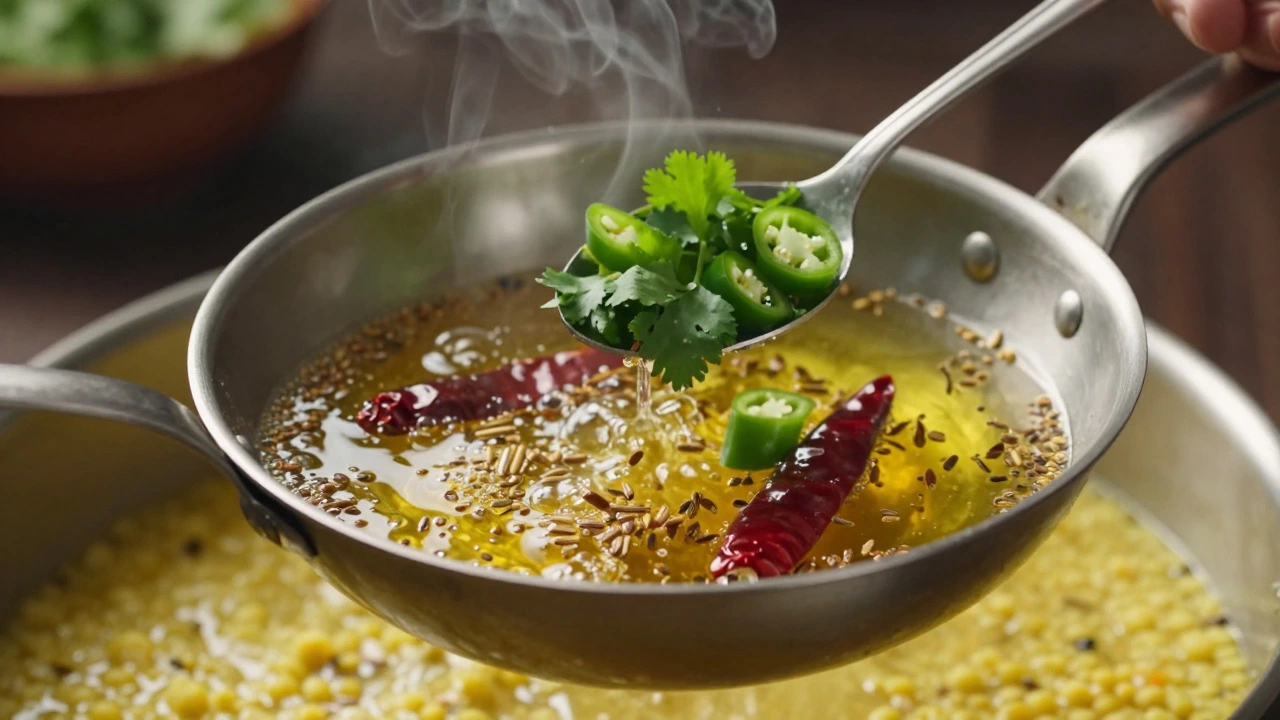
- The Tempering: Heat 2 tablespoons of ghee (clarified butter) or oil in a small pan. Add 1 teaspoon of cumin seeds. When they sputter, add 4-5 dried red chilies and 1 teaspoon of mustard seeds. Let them pop.
- Aromatics: Add 2 sliced green chilies, a handful of fresh coriander leaves, and a pinch of turmeric powder. Sauté for 30 seconds.
- Combine: Pour the tempered spices directly into the boiling dal. Stir well. Let it simmer together for another 5 minutes to marry the flavors.
This simple sequence transforms a basic legume dish into a fragrant, satisfying meal. The key is timing: add the aromatics to hot fat, not cool oil, to maximize the release of essential oils.
Variations Across India
While toor dal is the star, regional variations showcase the diversity of Indian cooking. In North India, you might find Yogurt Dal, where curd is stirred into the hot dal at the end, creating a tangy, cooling contrast. In South India, Sambar is a tomato-and-tamarind based stew made with toor and urad dals, served with idli or dosa. It’s spicier and more complex, featuring whole spices like fenugreek and cinnamon.
In West India, particularly Maharashtra, Kadhi is a yogurt-based curry that often includes a small amount of toor dal for body. Each region tweaks the spice blend, the type of oil used (mustard oil in Bengal vs. ghee in Punjab), and the accompanying vegetables. Yet, the core ingredient remains the same humble lentil.
Common Mistakes to Avoid
Even experienced cooks make errors with dal. Here are the top three pitfalls and how to fix them:
- Overcooking: If you boil dal too long, it turns into paste and loses its distinct grain. Check for doneness by squishing a few grains between your fingers. They should be soft but still identifiable.
- Add Acid Too Early: Adding tomatoes, tamarind, or lemon juice before the dal is fully cooked can prevent it from softening. Always add acidic ingredients after the lentils are tender.
- Skipping the Salt: Some believe adding salt early hardens lentils. This is largely a myth for split dals like toor. Salting during cooking actually helps season the interior of the grain. Just don’t add it so early that you’re tempted to overcook.
Storage and Meal Prep Tips
Dal freezes exceptionally well. Cook a large batch on Sunday, let it cool completely, and store it in airtight containers in the freezer. It will last up to 3 months. When ready to eat, thaw it overnight in the refrigerator or reheat it directly from frozen on low heat, adding a splash of water to loosen it. Reheating dal often tastes better than the original because the flavors meld further over time.
If you’re meal prepping for the week, consider making two versions: a plain boiled dal base and a prepared tadka. Store the tadka separately in a jar. When you’re hungry, microwave the dal and pour a spoonful of the warm tadka over it. It saves time and ensures every bowl tastes freshly prepared.
Frequently Asked Questions
Is toor dal the same as masoor dal?
No, they are different. Toor dal is made from pigeon peas and is yellow. Masoor dal is made from red lentils and is orange-red. Masoor dal cooks much faster (10-15 minutes) and disintegrates completely, making it better for soups. Toor dal holds its shape better and takes longer to cook (30-40 minutes).
Do I need to soak toor dal before cooking?
Soaking is not strictly necessary for split toor dal, as it cooks relatively quickly. However, soaking for 30 minutes can reduce cooking time by 5-10 minutes and help remove excess starch, resulting in a clearer broth. Whole urad dal, however, must be soaked for several hours or overnight.
What is the best oil to use for tadka?
Ghee (clarified butter) is the traditional choice for its rich, nutty flavor. Mustard oil is preferred in Eastern and Southern India for its pungent kick. Neutral oils like sunflower or peanut oil work well if you want a milder taste or are avoiding dairy. The choice depends on regional preference and personal taste.
Can I make dal in an Instant Pot?
Yes, absolutely. Use the 'Rice' or 'Bean/Legume' setting. For toor dal, set the timer for 15-20 minutes on high pressure. Allow a natural release for 10 minutes before manually releasing the remaining pressure. This method cuts cooking time significantly compared to stovetop methods.
How do I thicken thin dal?
If your dal is too watery, simply let it simmer uncovered on low heat to evaporate excess liquid. Alternatively, mash a portion of the cooked dal against the side of the pot and stir it back in. This releases starch and thickens the consistency naturally without needing cornstarch or flour.
- Poplular Tags
- common dal
- Indian lentils
- toor dal
- moong dal
- dal recipe