Biryani Aroma Quality Checker
Check off the steps you have completed in your cooking process to see how your biryani aroma compares to professional standards.
Phase 1: The Foundation (Blooming)
Phase 2: Essential Ingredients
Phase 3: The Dum Seal
Aroma Score
Start checking steps to calculate score.
Pro Tip:
Remember: Burnt cumin tastes bitter. Keep the flame low when blooming spices!
Have you ever walked into a restaurant and been hit by that unmistakable, intoxicating cloud of saffron, rose water, and caramelized onions? You know exactly what dish is being served before you even see the menu. Now, imagine trying to recreate that magic in your own kitchen, only to be greeted by something that smells... fine. Maybe a bit like plain rice with some curry powder. It’s frustrating.
The difference between home-cooked biryani and restaurant-quality biryani often comes down to one thing: aroma. Flavor is important, yes, but scent is the first step in the experience. If it doesn’t smell right, your brain won’t register it as authentic biryani. The good news? You don’t need expensive equipment or secret family recipes passed down for centuries. You just need to understand the chemistry of spice and the mechanics of heat.
The Foundation: Blooming Spices Correctly
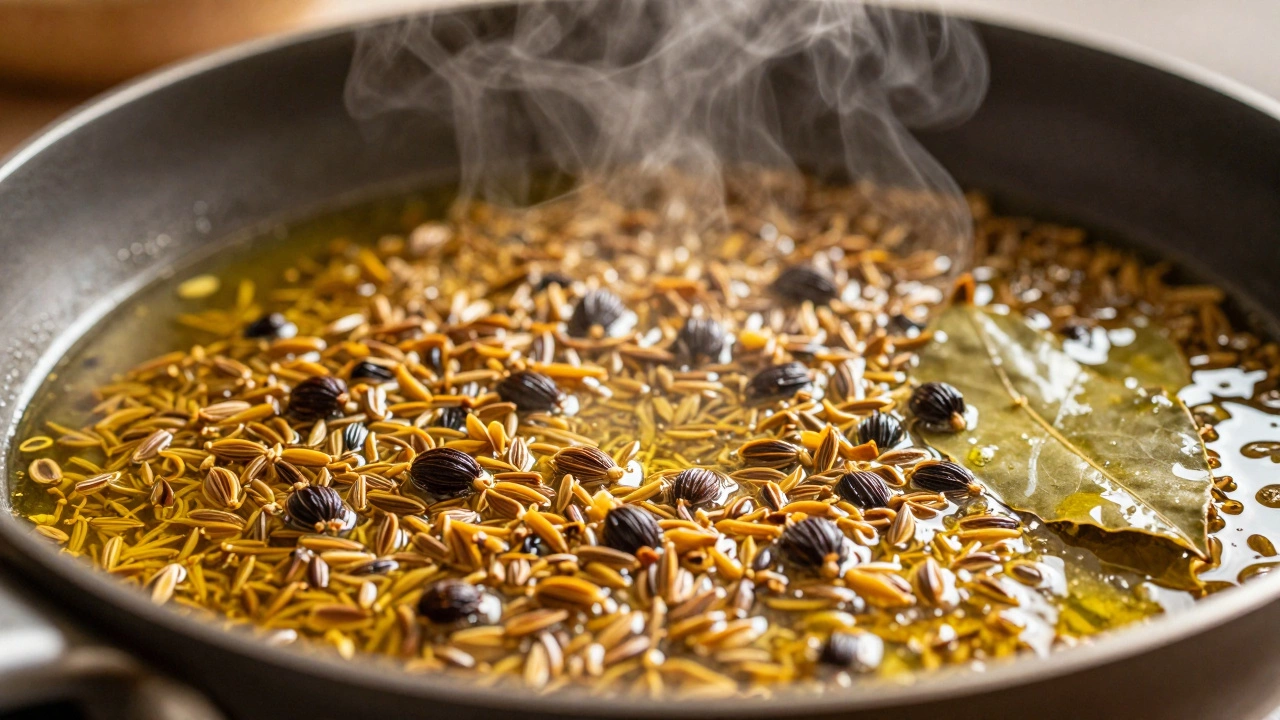
Most people make the mistake of dumping whole spices directly into boiling water or mixing them dry with raw meat. This kills their potential. Whole spices are locked tight. To release their volatile oils-the compounds responsible for that heavenly smell-you have to unlock them with fat and heat.
This process is called blooming. When you drop whole cumin seeds, black cardamom, and bay leaves into hot oil, they sizzle. That sizzle is the sound of aromatic compounds breaking free. If you skip this step, those spices sit in the pot like dormant rocks, contributing texture but very little scent.
Here is how to do it right:
- Use the right oil: Ghee (clarified butter) carries flavor better than vegetable oil because of its milk solids and higher smoke point stability during low-heat cooking. Use a mix of ghee and neutral oil if you want to keep costs down, but never use cold-pressed olive oil; its delicate flavor clashes with strong biryani masala.
- Low and slow: Do not burn the spices. Burnt cumin tastes bitter and smells acrid. Keep the flame on medium-low. Let the spices crackle for about 30-45 seconds until they turn a shade darker and start releasing visible steam-like vapor.
- Add aromatics last: Once the whole spices are bloomed, add sliced ginger, garlic, and green chilies. These should cook for another minute before you add the meat or vegetables. This layering ensures every element contributes its specific scent profile without overpowering the others.
The Power of the "Dum" Seal
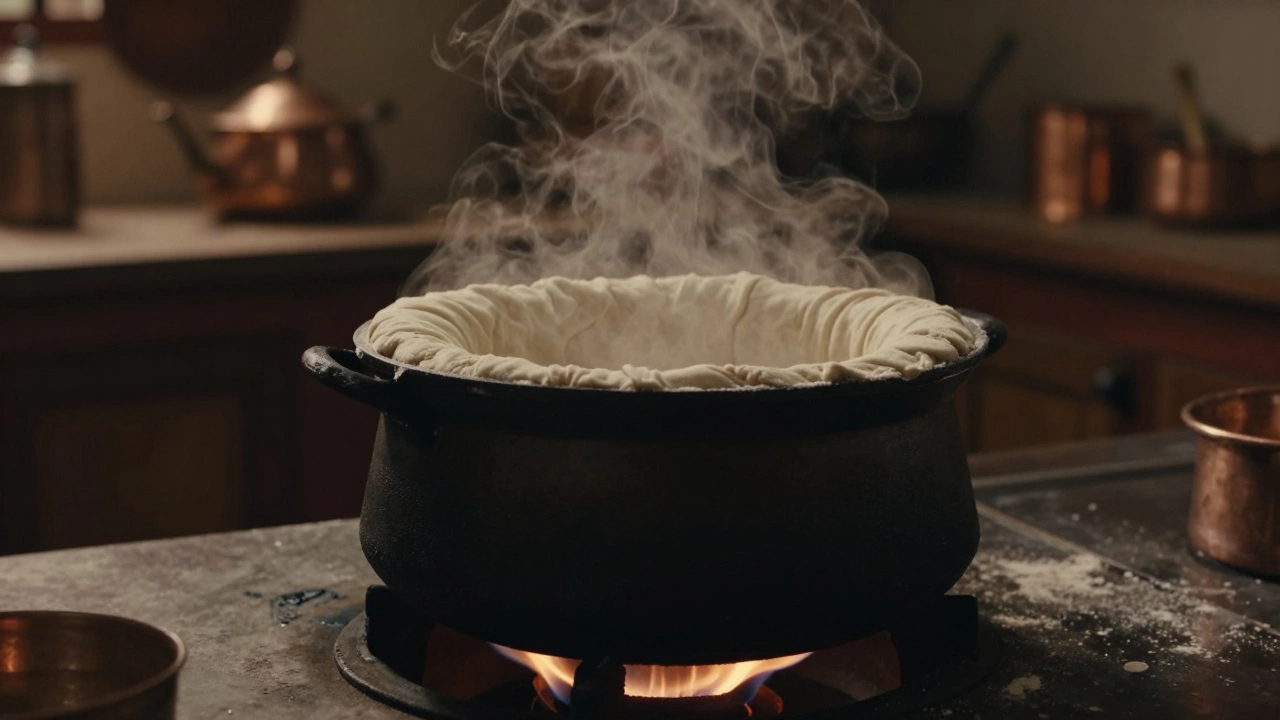
If blooming is the foundation, dum cooking is the engine of biryani aroma. Dum literally means "steam" or "slow cook." But it’s more than just covering the pot. It’s about trapping the escaping vapors so they circulate back into the food, infusing every grain of rice with the scent of the masala below.
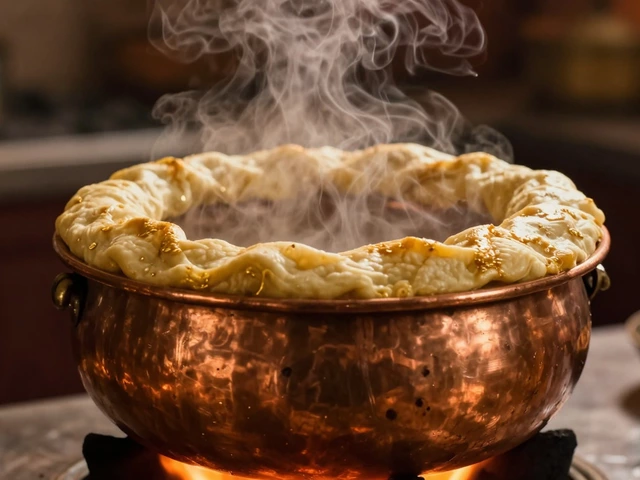
In many homes, we simply put a lid on the pot and walk away. In professional kitchens, the lid is sealed. Why? Because when you seal the pot, you create a pressure-cooker effect without the actual pressure cooker. The moisture from the rice and the juices from the meat turn into steam. Since they can’t escape, they condense on the inside of the lid and drip back down, carrying concentrated flavors with them.
How to achieve a proper seal at home:
- Dough seal: Make a simple dough using all-purpose flour (maida) and water. Roll it into thin ropes and place them around the rim of your heavy-bottomed pot before placing the lid. This creates an airtight barrier.
- Heavy lid: Use the heaviest lid you own. A light glass lid will allow too much steam to escape. Cast iron or thick stainless steel works best.
- Low heat: Place a tawa (griddle) under the pot if you’re using gas. This distributes heat evenly and prevents the bottom from burning while the top steams. Cook on the lowest possible flame for 20-30 minutes.
Essential Aromatic Ingredients You Can't Skip
Some ingredients are optional in terms of taste, but mandatory for aroma. Leaving these out is why your biryani might taste okay but smell flat.
| Ingredient | Role in Aroma | Pro Tip |
|---|---|---|
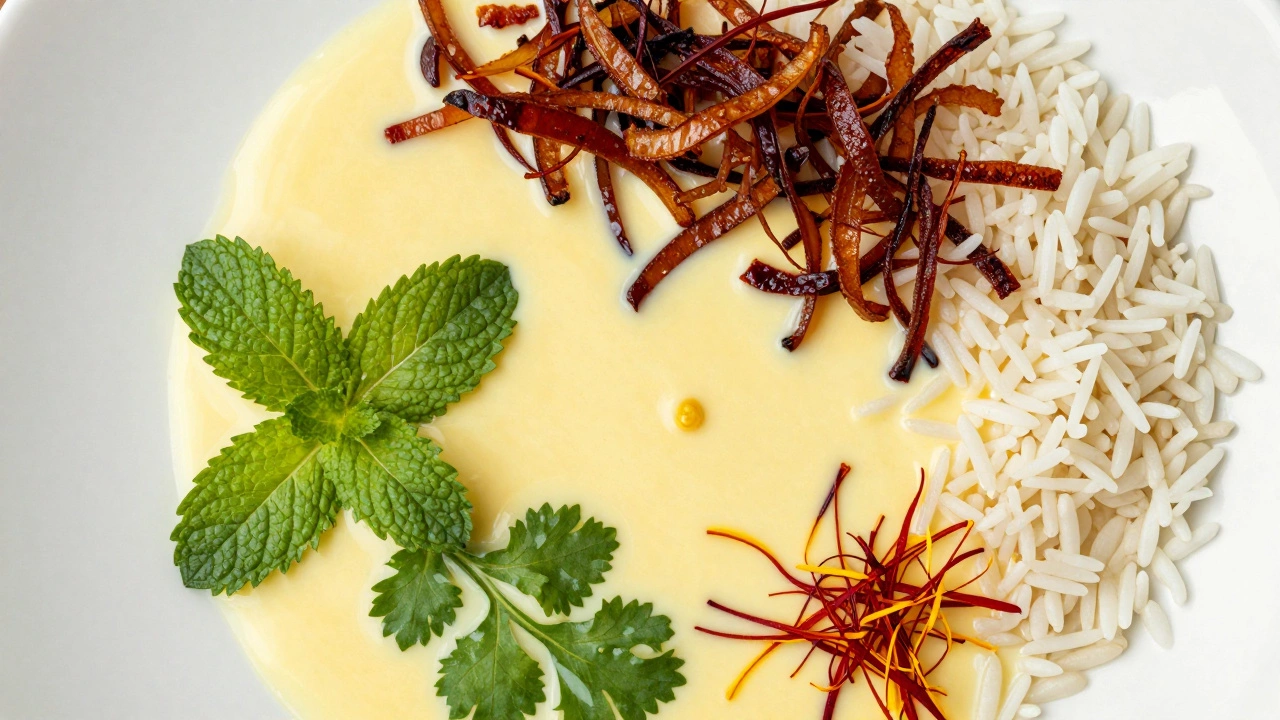
| Saffron | Provides a deep, honey-like floral scent that defines premium biryani. | Soak strands in warm milk or water for 15 minutes. Add the liquid, not just the strands, to the rice layer. |
| Rose Water | Adds a sweet, perfumed top note that lifts heavy meat flavors. | Less is more. One teaspoon per kg of rice is enough. Too much makes it smell like soap. |
| Kewra Water | Offers a distinct pandan-like fragrance common in Hyderabadi styles. | Use sparingly. It has a very potent scent that can dominate if overused. |
| Fried Onions (Birista) | Provides a nutty, caramelized sweetness and earthy depth. | Fry onions until dark brown, almost black at the edges. Cool them completely before adding to layers. |
| Fresh Mint & Coriander | Delivers fresh, grassy notes that cut through richness. | Layer whole leaves, not chopped ones, between rice and meat for better distribution. |
Layering for Maximum Fragrance Release
Biryani is built in layers, and each layer serves a purpose. The bottom layer is usually the spiced meat or vegetable gravy (korma). The middle layers involve partially cooked rice. The top layer is crucial for aroma because it’s the first thing that hits the air when you open the lid.
Many cooks forget to season the top layer of rice. They just dump white rice on top. Instead, take a small bowl of the remaining cooked rice, mix it with fried onions, saffron milk, a pinch of salt, and a drizzle of ghee. Spread this mixture evenly over the final layer of rice before sealing the pot.
Why does this work? As the dum cooking progresses, the heat rises. The seasoned top layer releases its aromatics upward, which then get trapped by the lid and forced downward into the rest of the dish. It’s like having a fragrant ceiling that rains flavor onto your meal.
The Rice Factor: Washing and Soaking
You can have the best spices in the world, but if your rice smells stale or dusty, no amount of saffron will save it. The type of rice matters, but so does preparation.
Always use long-grain basmati rice, preferably aged (6-12 months old). Aged rice has less moisture, which means it stays separate after cooking and absorbs spices better. New rice tends to get mushy and traps odors.
Wash the rice thoroughly until the water runs clear. This removes excess starch that can cause clumping and dulls the fragrance. Then, soak the rice in cold water for at least 30 minutes. Soaking relaxes the grains, allowing them to expand evenly during cooking. More importantly, it helps retain the natural floral scent of the basmati variety.
When boiling the rice, add whole spices like cloves, cinnamon sticks, and star anise to the water. Drain the rice when it’s 70% cooked. The water itself should smell incredible. If the boiling water smells bland, your rice will be too.
Troubleshooting Common Aroma Issues
Sometimes, despite following all steps, the aroma isn’t quite there. Here are common pitfalls and how to fix them.
- Problem: Smells metallic or burnt.
Fix: Your pot is likely reacting with acidic ingredients (like tomatoes or yogurt) in the masala. Use a non-reactive pot like stainless steel or enameled cast iron. Also, ensure the flame isn’t too high during the final dum stage. - Problem: Smells overwhelmingly spicy but lacks depth.
Fix: You probably used ground red chili powder instead of dried whole red chilies. Ground chili adds color and heat, but whole chilies bloom in oil to provide a smoky, complex aroma. Swap half your ground chili for whole dried Kashmiri chilies. - Problem: Smells faint or weak.
Fix: Your spices might be old. Whole spices lose potency within 6-12 months. Check your pantry. If your cardamom pods look pale and don’t crack easily, they’re past their prime. Buy fresh spices from a reputable store. - Problem: Smells like raw onion or garlic.
Fix: You didn’t cook the base masala long enough. The raw pungency needs to evaporate. Cook the onion-tomato-meat mixture until the oil separates and floats on top. This indicates the water content has reduced and the flavors have melded.
Final Touches: The Post-Dum Boost
Once the dum is complete, turn off the heat. Wait five minutes before opening the lid. This allows the pressure to equalize and the flavors to settle. When you finally lift the lid, do it slowly. Inhale deeply. That initial burst of steam is the reward for your patience.
For an extra boost, sprinkle a few drops of rose water or kewra water immediately after opening the lid, while the biryani is still hot. The heat will carry the scent further. Garnish with fresh coriander and mint leaves just before serving. Their freshness contrasts beautifully with the rich, cooked aromas underneath.
Getting good aroma in biryani isn’t about complexity; it’s about precision. Bloom your spices, seal your pot, respect your rice, and layer with intention. Next time you serve biryani, let the smell do the talking. Your guests will thank you before they even take a bite.
Why does my biryani not smell like restaurant biryani?
Restaurant biryani often uses larger quantities of ghee, fresh whole spices, and techniques like sealing the pot with dough (dum) to trap aromas. Home cooks may skip blooming spices in oil or use older, less potent spices. Ensuring proper layering and using fresh saffron and rose water can significantly improve the scent.
What is the most important spice for biryani aroma?
While all spices contribute, cardamom (both green and black) and cinnamon are foundational. However, saffron provides the signature luxurious scent associated with high-quality biryani. Fried onions also play a massive role in creating a deep, savory aroma.
Can I use a pressure cooker to get good biryani aroma?
Yes, a pressure cooker can mimic the dum effect by trapping steam effectively. However, traditional handi (pot) cooking allows for better control over layering and gradual heat distribution. If using a pressure cooker, ensure you do not overcook the rice, as it can become mushy and lose its distinct grain texture and scent.
How long should I soak saffron for maximum aroma?
Soak saffron strands in warm milk or water for at least 15-20 minutes. Warm liquid helps extract the color and aroma compounds more efficiently than cold water. Adding a pinch of sugar can also help enhance the extraction process.
Why do I add rose water to biryani?
Rose water adds a subtle floral top note that complements the rich, spicy, and earthy flavors of the meat and rice. It balances the heaviness of the dish and provides a refreshing aromatic finish. Use it sparingly, as too much can make the biryani taste medicinal.