Diabetic-Friendly Indian Food: Smart Choices for Blood Sugar Control
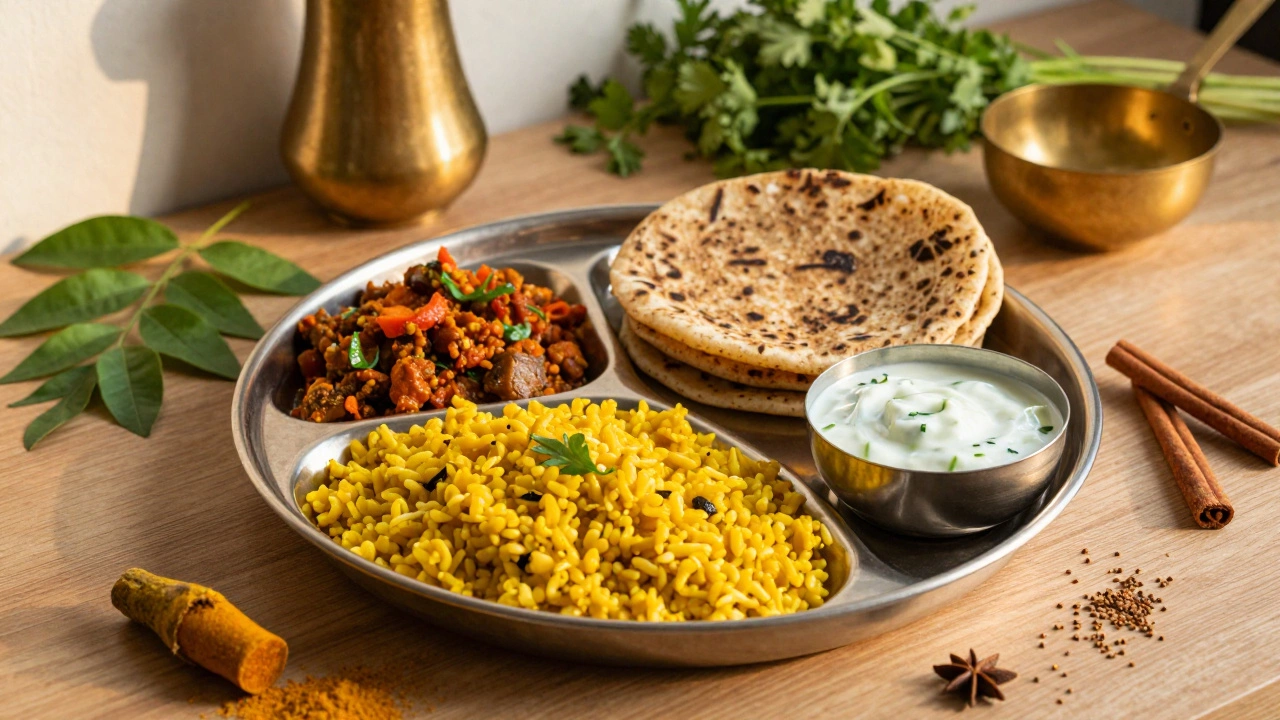
When you have diabetes, eating Indian food doesn’t mean giving up flavor—it means making smarter swaps. Diabetic-friendly Indian food, Indian meals designed to keep blood sugar stable while delivering bold taste. Also known as blood sugar friendly Indian cuisine, it’s not about restriction—it’s about balance, portion control, and choosing the right ingredients. Many assume Indian food is all sugary sweets and heavy curries, but that’s not true. The real secret? Traditional Indian cooking has always used lentils, vegetables, spices, and whole grains—ingredients that naturally support steady energy.
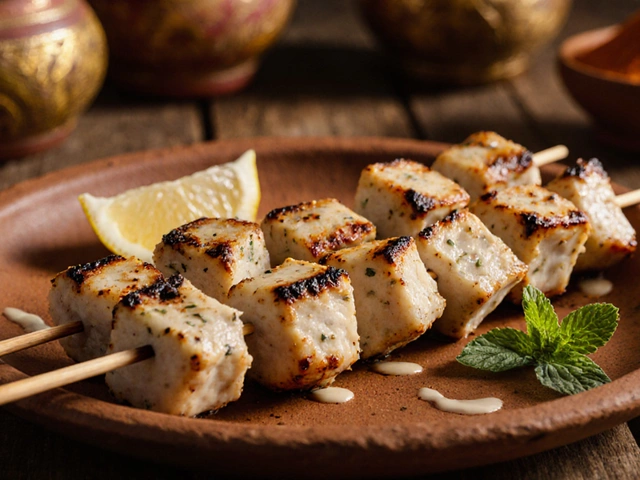
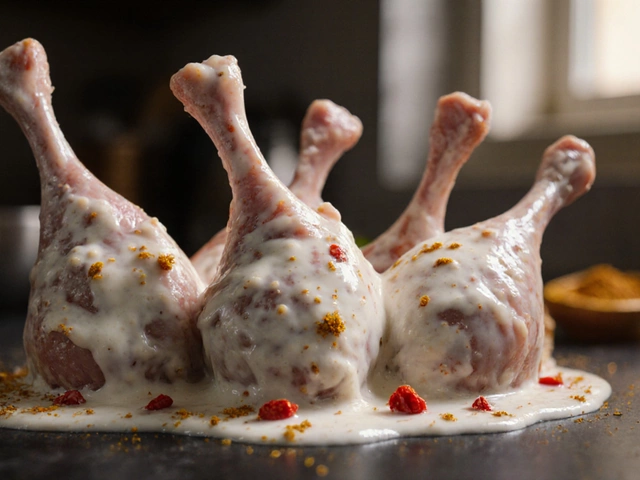
What makes a dish diabetic-friendly isn’t just low sugar—it’s about fiber, protein, and how food is prepared. Dal tadka, a simple lentil stew with tempered spices. Also known as tadka dal, it’s a powerhouse of plant protein and fiber, with no added sugar and minimal fat. That’s why it’s one of the most recommended meals for people managing diabetes. Same with tandoori chicken, grilled meat marinated in yogurt and spices, cooked without oil or sugar. Also known as charcoal-grilled Indian chicken, it’s naturally low-carb and packed with protein, making it a top choice for stable glucose levels. Even dosas can fit in—if you use whole grain batter and skip the coconut chutney. The key is avoiding refined flour, deep frying, and sweet sauces.
You don’t need to guess what works. The posts below show you exactly which Indian dishes are safe, which ones to modify, and how to make even traditionally sweet dishes work for your needs. From swapping jaggery for stevia in desserts to choosing the right oil for frying, you’ll find practical tips backed by real recipes. You’ll learn why soaking dal helps digestion, how to pick the healthiest curry at a restaurant, and why roti is often better than naan for blood sugar control. No myths. No fluff. Just clear, doable advice from real Indian kitchens.