Indian Sweets: The Real Flavors, Secrets, and Traditions Behind Mithai

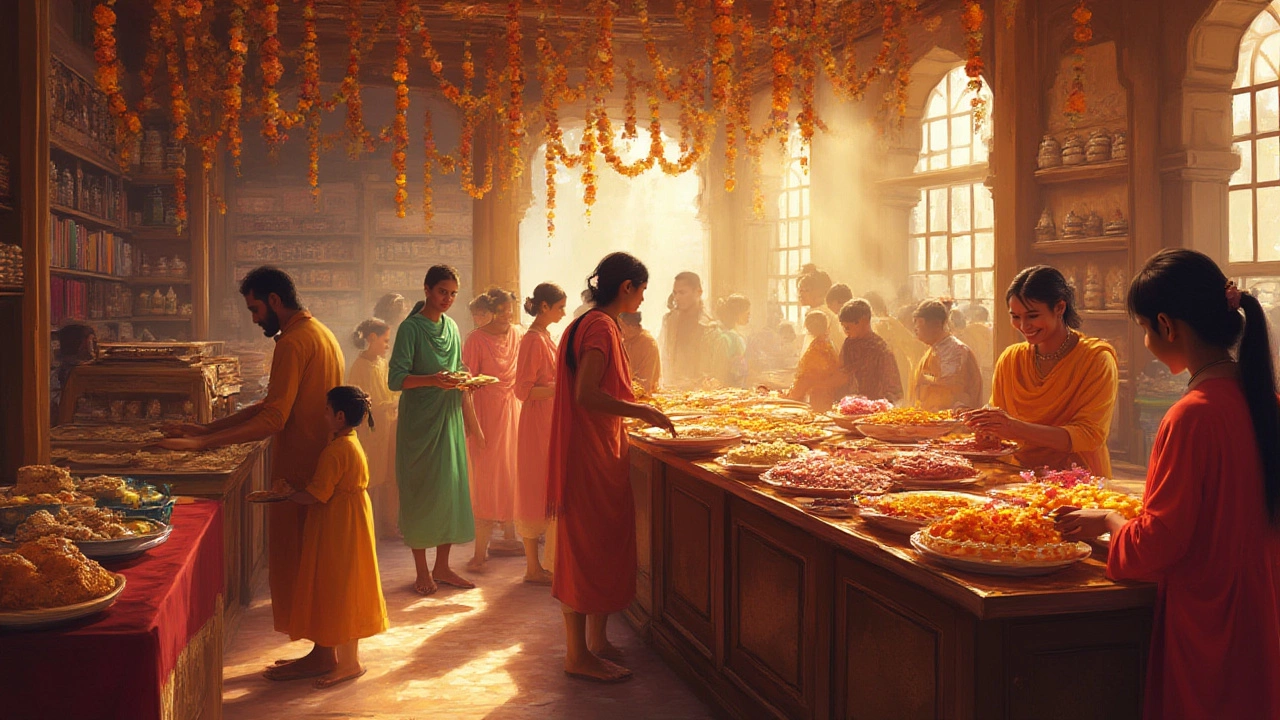
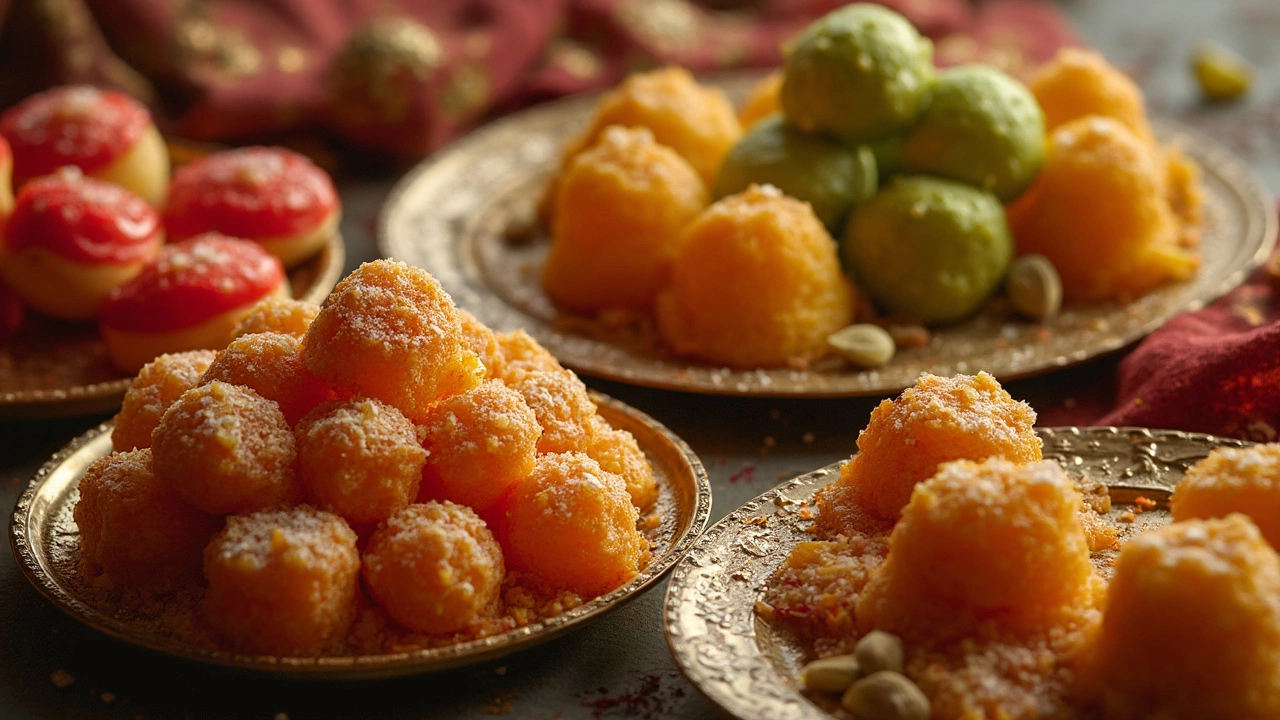
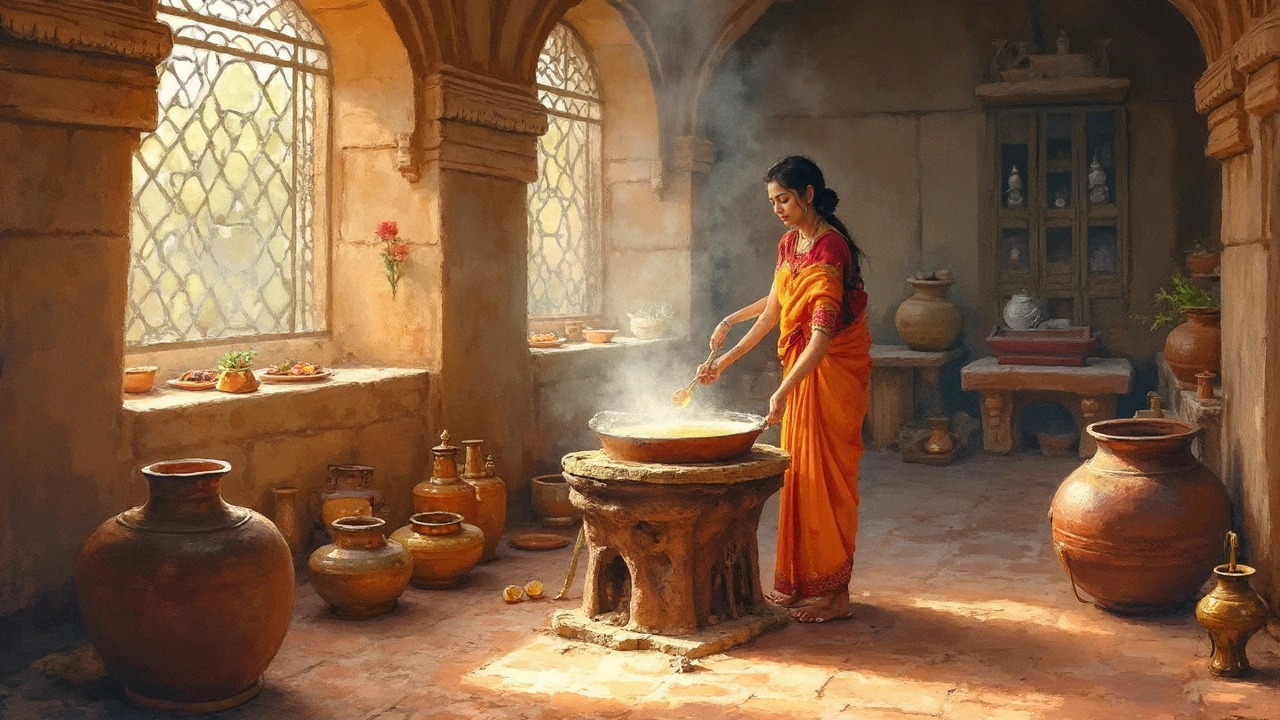
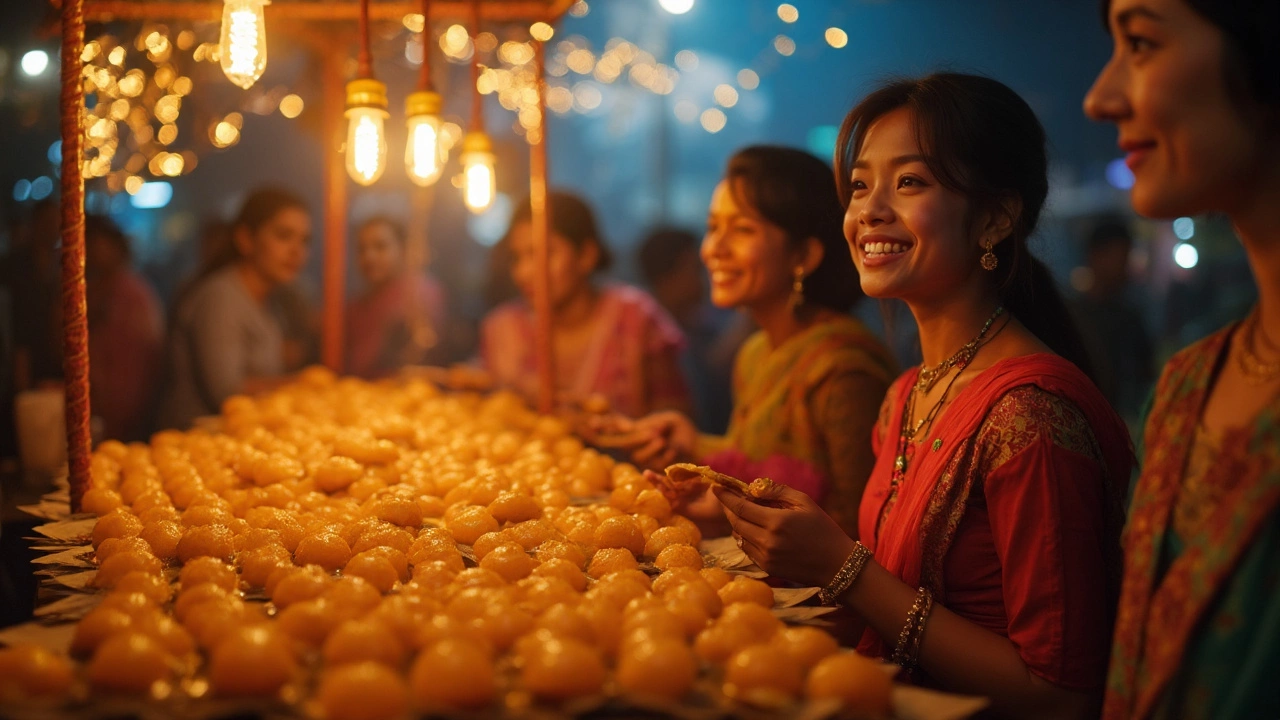
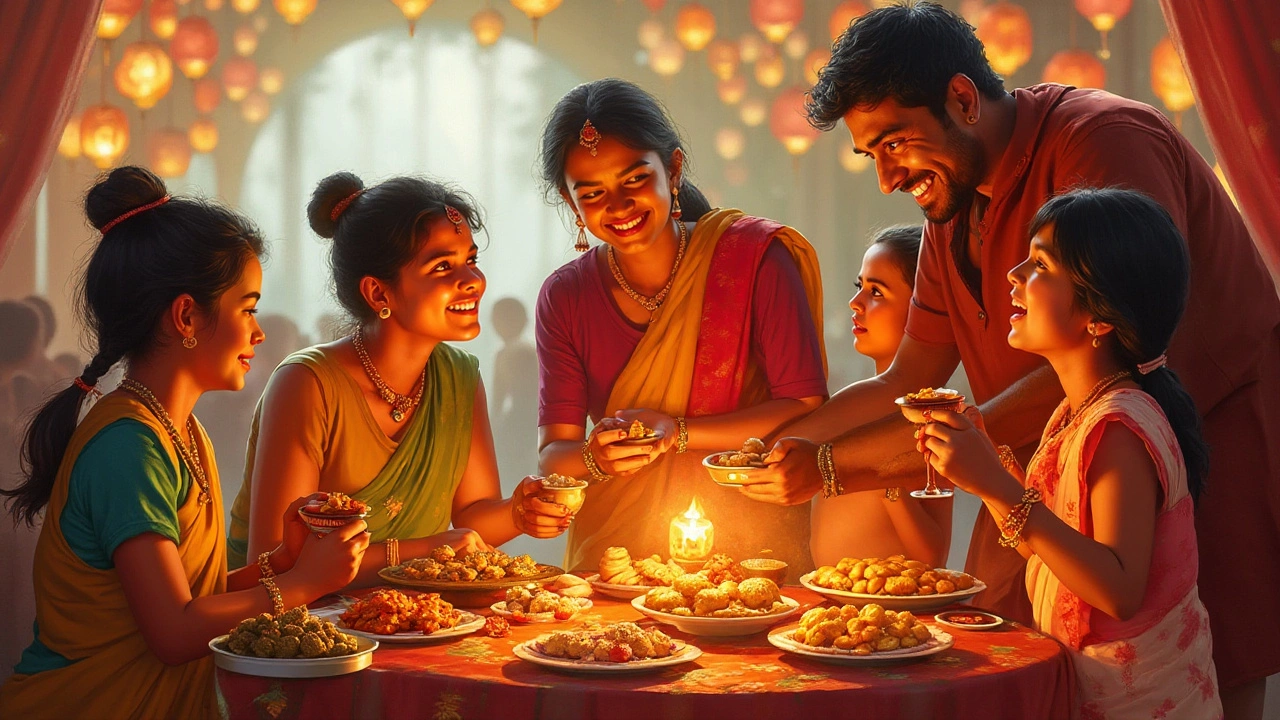
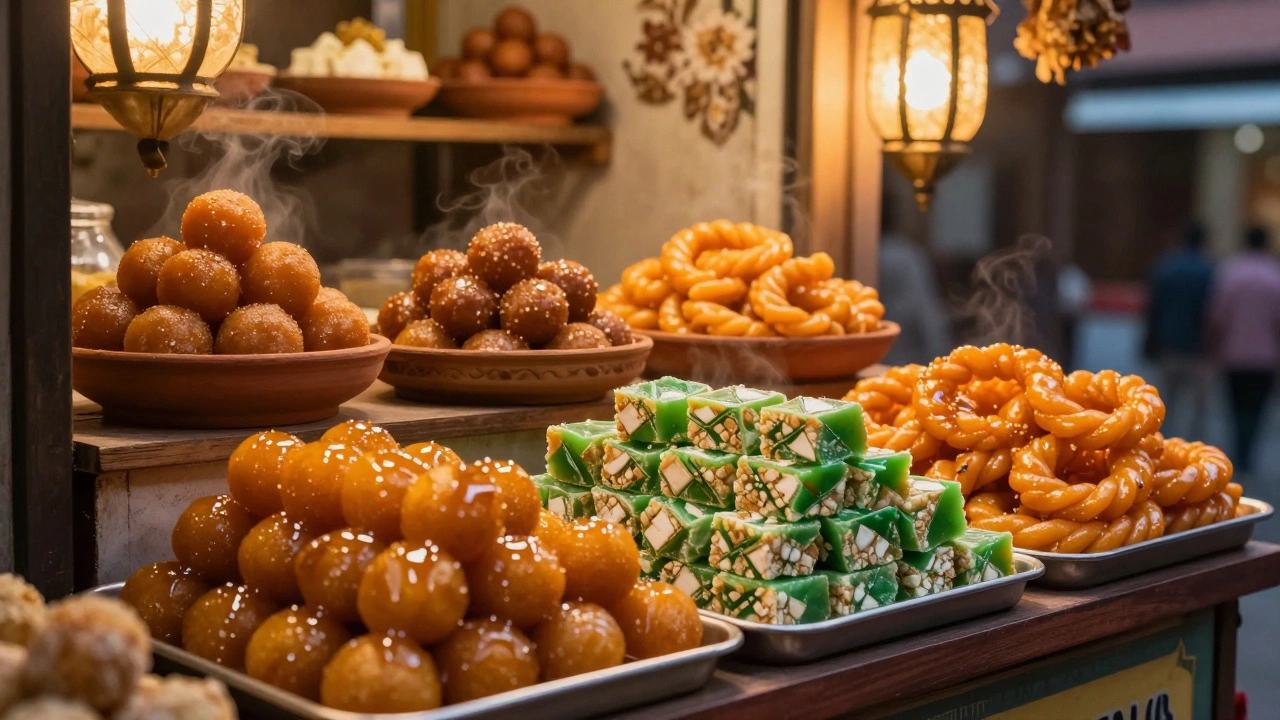
When you think of Indian sweets, a vibrant, sugar-dusted world of rich textures and deep spices that’s central to celebrations across India. Also known as mithai, it’s not just dessert—it’s ritual, memory, and joy wrapped in syrup and dough. Unlike Western candies that rely on simple sweetness, Indian sweets balance heat, aroma, and texture in ways you won’t find anywhere else. That’s why a single bite of gulab jamun, a soft, fried milk dumpling soaked in sugary syrup, loved from Delhi to Dubai can feel like a whole festival in your mouth.

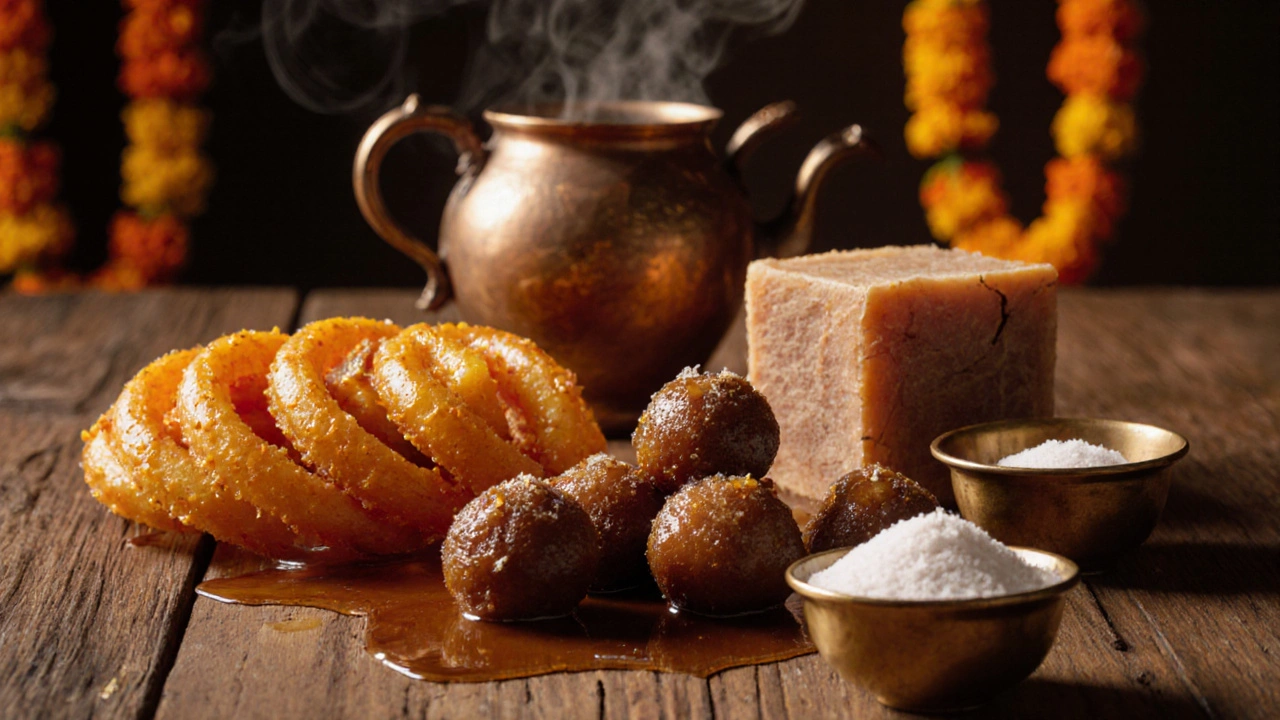
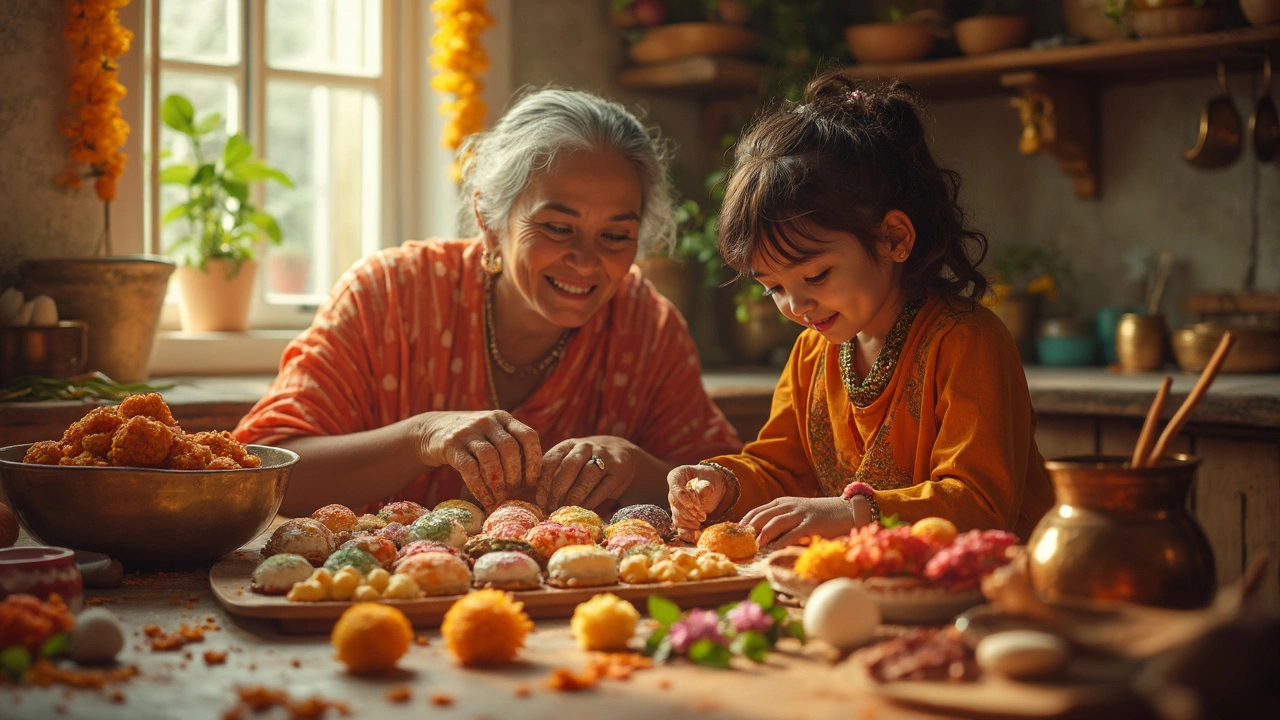
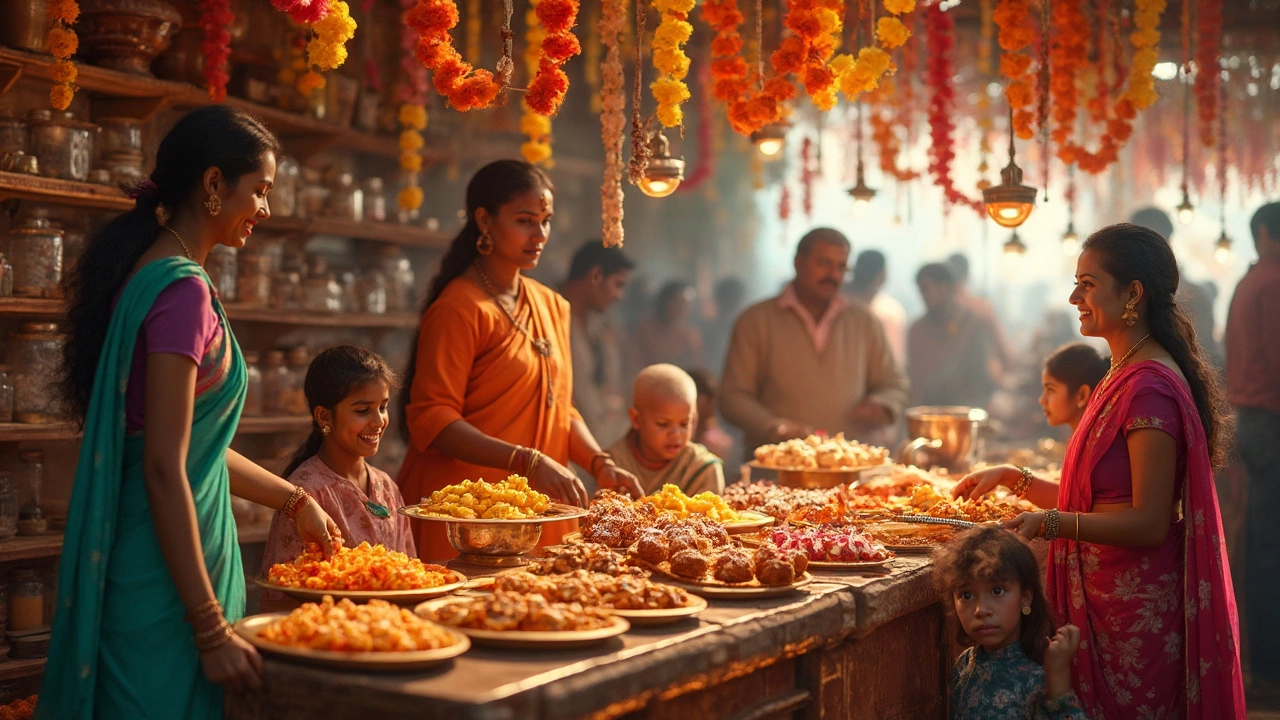
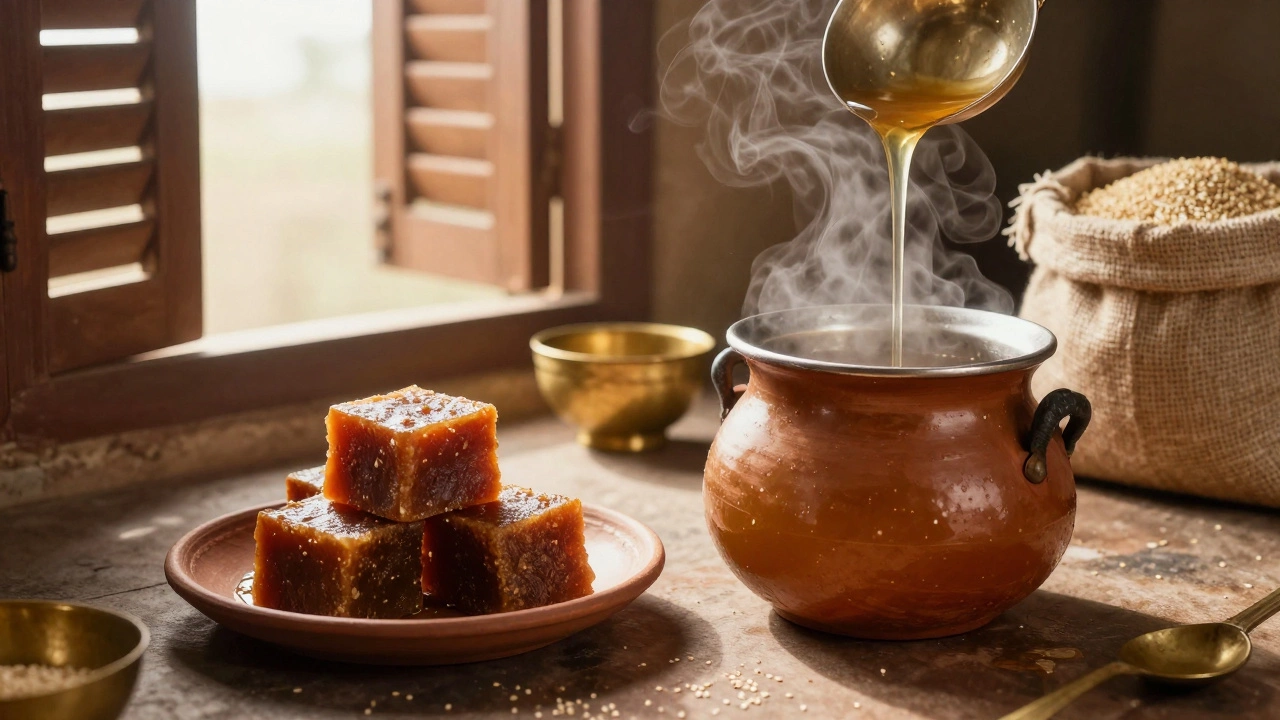
What makes these sweets different isn’t just the sugar—it’s what replaces it. Many traditional recipes skip white granulated sugar entirely, turning instead to jaggery, an unrefined cane sugar with molasses depth that gives sweets like mysore pak their earthy richness. Then there’s the spice: cardamom, the warm, floral seed that’s the secret backbone of nearly every classic Indian dessert. It’s not an accent—it’s the foundation. And it’s not just about taste. These sweets carry meaning. During Diwali or weddings, handing out mithai, a term that covers everything from kheer to ladoo isn’t just sharing food—it’s sharing blessings. The oldest known Indian dessert, kheer, a creamy rice pudding dating back to Vedic times, was offered in temples long before it showed up at birthday parties.

You’ll find that every sweet has a story—why some use milk solids, others use flour, and why the syrup must be just the right thickness. Some sweets are made for festivals, others for daily comfort. Some are fried, others steamed. Some take hours, others minutes. But they all share one thing: they’re made with intention. In the posts ahead, you’ll see exactly how sugar choices change the outcome, why gulab jamun is unbeatable, how cardamom transforms a simple batter, and why kheer still holds the title of India’s first dessert. You’ll also learn what sweets people actually eat at home—not just what’s in magazines. No fluff. No guesses. Just the real reasons behind the sweetness.
What Sweetener Is Used in Indian Sweets? Traditional Sugars and Natural Alternatives

What Sweetener Is Used in Indian Sweets? Traditional Sugars and Natural Alternatives

Indian sweets rely on natural sweeteners like jaggery, khoya, and sugar syrup-not white sugar alone. Discover the traditional sweeteners behind iconic desserts and why they matter culturally and flavor-wise.

Learn More
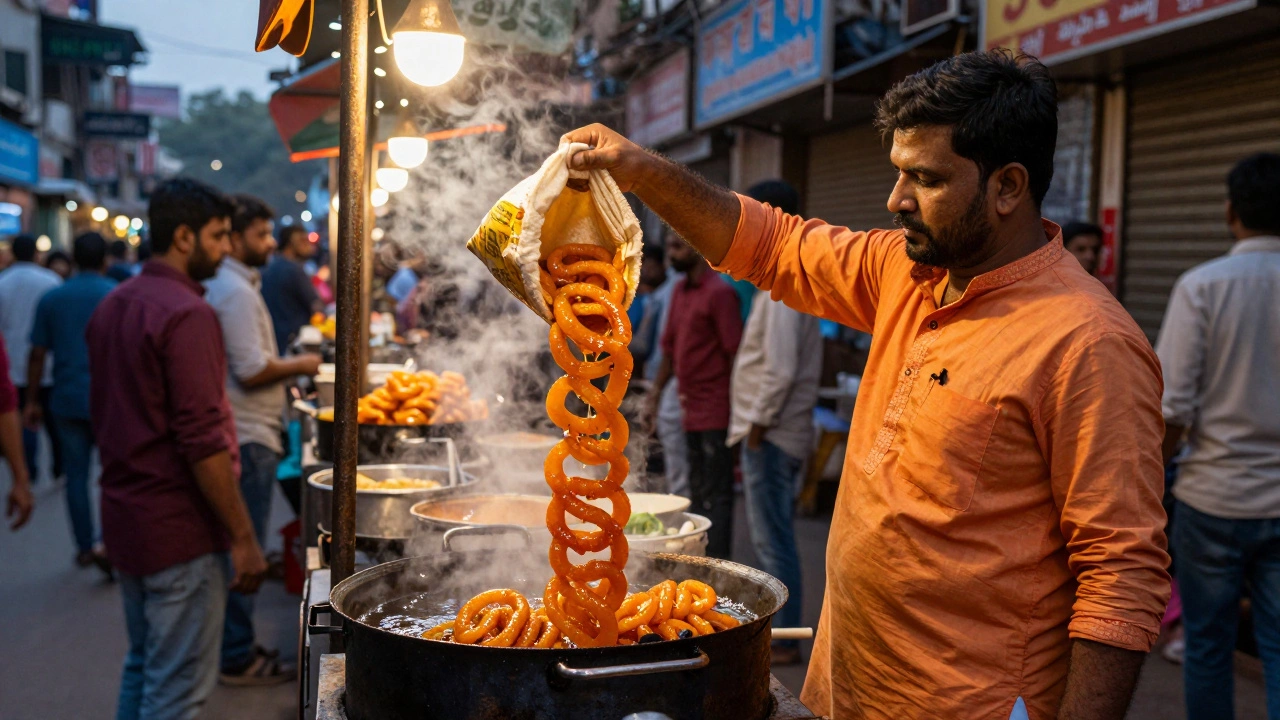
What Is India's National Dessert? The Sweet Truth Behind India's Most Beloved Treat

What Is India's National Dessert? The Sweet Truth Behind India's Most Beloved Treat

Jalebi is India's unofficial national dessert - a crispy, syrup-soaked fried treat found everywhere from street stalls to temples. Learn why it's loved across the country and how to eat it like a local.

Learn More
Which Sugar Is Used in Indian Sweets? The Real Secret Behind the Sweetness

Which Sugar Is Used in Indian Sweets? The Real Secret Behind the Sweetness

Indian sweets rely on jaggery, white sugar, and sugar syrup-not white granulated sugar alone. Learn which sweetener to use for each classic dessert and why substitutions fail.

Learn More
Traditional Indian Sweets: Authentic Flavors, History, and Recipes

Traditional Indian Sweets: Authentic Flavors, History, and Recipes

Explore the enchanting world of traditional Indian sweets, from their fascinating origins to must-try classics. Get tips, fun facts, and recipe guidance to satisfy your sweet tooth.

Learn More
Sweet Spice in Indian Food: Unlocking Flavor in Sweets

Sweet Spice in Indian Food: Unlocking Flavor in Sweets

Ever wondered what makes Indian sweets taste so unique and warm? This article digs into the key spice that brings the sweet magic to Indian desserts. Learn how this spice works, where it pops up, and tips on how to use it in your own kitchen. There’s more than one sweet spice, but one in particular stands out across countless recipes. Find out simple tricks to get the flavor just right.

Learn More
Oldest Indian Dessert: Tracing the Roots of Sweet Beginnings

Oldest Indian Dessert: Tracing the Roots of Sweet Beginnings

Ever wondered what India’s very first dessert was? This article digs into ancient texts and kitchen clues to uncover the sweet story behind kheer, considered the oldest known Indian dessert. We’ll talk about where it came from, why it was special, and how you can still enjoy it today. You’ll also find fun facts along the way and tips for making your own kheer at home. Food history has never tasted so good.

Learn More
India's Most Popular Dessert: Why Gulab Jamun Reigns Supreme

India's Most Popular Dessert: Why Gulab Jamun Reigns Supreme

Gulab Jamun is hands-down the superstar of Indian desserts, loved across the country and the world for its melt-in-your-mouth sweetness. This article uncovers why it’s everyone’s go-to treat, from street stalls to fancy weddings. You’ll get a peek into its history, find out how it’s made, and discover why it stands out from hundreds of other sweets. Plus, get tips for making the perfect batch at home. Whether you’re a beginner or a dessert pro, there’s something in here for you.

Learn More
Traditional Indian Sweet Dish: Spotlight on Indian Mithai

Traditional Indian Sweet Dish: Spotlight on Indian Mithai

Curious about India's favorite traditional sweet dish? This article uncovers the most iconic Indian mithai, tracing its origins, ingredients, and cultural impact. Expect helpful tips for making these treats at home, plus fun facts that'll surprise even seasoned foodies. Whether you're a dessert enthusiast or just want to understand what makes Indian sweets so special, this guide has you covered. Perfect for anyone who craves insider info and practical advice on classic Indian desserts.

Learn More
Indian Sweets: What Sweets Do Indian People Like Most?

Indian Sweets: What Sweets Do Indian People Like Most?

This article breaks down the most popular sweets loved by people in India. You'll get a peek into traditional favorites and see how preferences shift across regions. Wondering why Indian sweets pack so much flavor or what makes them different from Western desserts? Get the scoop along with tips for making classic treats at home—great for anyone with a sweet tooth or curious about Indian flavors.

Learn More
Sweet Traditions: The Significance of Sweets in Hindu Celebrations

Sweet Traditions: The Significance of Sweets in Hindu Celebrations

Sweets play an integral role in Hindu culture, used not just for taste but for their symbolic meanings. Different types of Indian sweets are prepared and given during festivals, celebrations, and religious ceremonies as a means of offering goodwill, gratitude, and wishing prosperity. This tradition has deep roots in history and spirituality, reflecting the cultural values of sharing and community bonding. The unique taste and variety of Indian sweets make them a delightful experience, carrying stories of tradition from generation to generation.

Learn More